REVIEW · DUBROVNIK
Authentic Garden to Table Cooking Class in Dubrovnik Countryside
Book on Viator →Operated by Kameni Dvori - Holiday Village Konavle · Bookable on Viator
A day on a working homestead beats a usual tour. You’ll knead homemade bread, walk the garden to table loop picking ingredients, then sit down to eat what you helped make with homemade red or white wine. The only real drawback to flag up front: it’s a hands-on, 5-hour block, so you’ll want to be comfortable cooking, walking on the property, and staying engaged the whole time.
You meet at Kameni Dvori – Holiday Village Konavle in Gruda (Konavle), and the day moves at a rural pace: welcome drink, bread work, garden gathering, then cooking and tasting. Best part for me is the blend of food and place—the hosts explain what they grow and why, plus they share family stories that go back centuries. If you’re hoping for a quick, low-effort experience, this may feel like more participation than you planned.
In This Review
- Key Highlights You’ll Feel Immediately
- Entering the Konavle Homestead Where the Day Starts Like Family
- Bread First: Kneading Is the Real Warm-Up
- The Garden Walk: Where Ingredients Become Part of the Lesson
- Back in the Kitchen: Cooking Lessons With Croatian Momentum
- Starter: Cured Meat, Homemade Cheese, and Olive-Oil Flavor
- Main: Lovorno Skewer and Country-Style Potatoes
- Main: Farm-Grown Chicken Stew With Wine and Fresh Pasta
- Dessert Traditions—and When Goat Milking May Happen
- The Meal Is the Final Class: Taste With Homemade Wine
- Why the Family-Tree Stories Matter (Not Just Nice Extras)
- Price and Value: What $208 Buys You in Real Life
- Timing and Logistics: The Day Moves, and That’s the Point
- Who This Cooking Class Fits Best
- Practical Tips So You Enjoy Every Part
- Should You Book This Cooking Class?
- FAQ
- How long is the Dubrovnik countryside cooking class?
- Is pickup available from Dubrovnik?
- What language is the class taught in?
- What’s included in the meal?
- Do they offer vegan, vegetarian, or gluten-free options?
- Where does the experience start and end?
Key Highlights You’ll Feel Immediately
- Knead-your-own traditional bread right at the start, not as a side show
- Garden harvesting with a cultivation explanation, including collecting fresh eggs
- Seasonal menu changes based on what’s growing that day
- Goat milking may happen if the dessert uses milk
- Family-tree stories running about 500 years, told during the meal
- Small group size (max 8) so it stays personal and hands-on
Entering the Konavle Homestead Where the Day Starts Like Family
This isn’t a studio cooking class. It starts at a homestead setting in the Dubrovnik countryside, with a welcome drink and a clear game plan for the day. You’ll be introduced to what you’re going to cook, and the key detail is that the dishes follow the seasons and what’s actually available in their garden.
You can expect a warm, multi-generational vibe. In conversations during the drive and on site, the hosts share context about the area, and the family involvement is a big part of the experience. I like that this isn’t staged. It feels like you’re being pulled into daily work—just with extra teaching.
One practical thing to note: you’ll likely spend time outdoors before you start cooking. Wear shoes you don’t mind getting a bit dirt-friendly, and dress in a way that works for whatever the Konavle day brings.
You can also read our reviews of more tours and experiences in Dubrovnik.

Bread First: Kneading Is the Real Warm-Up
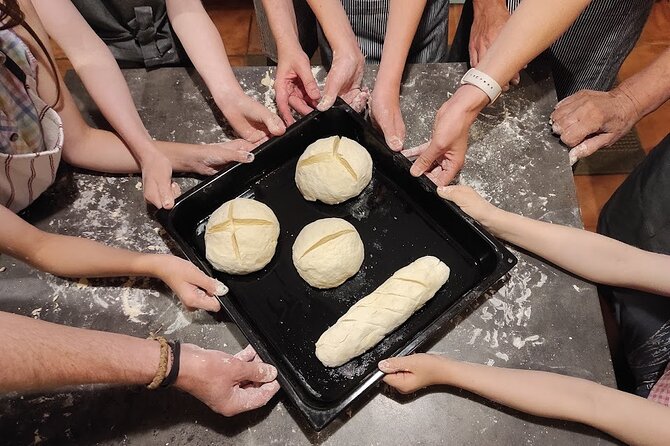
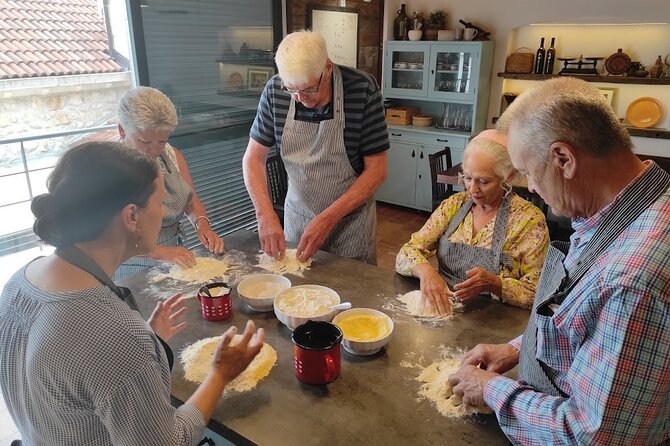
The day begins with homemade bread using a traditional recipe. This is a hands-on moment: each participant kneads their own dough. It’s the kind of task that makes you pay attention. Your hands learn the texture and rhythm in a way watching alone can’t do.
From a value perspective, bread matters because it’s the foundation for the rest of the meal. You don’t just eat bread—you understand why the process takes time, and you get to taste that effort later with the starter dishes. It also helps you settle in, since everyone is doing the same practical thing together.
If you’re traveling with a group of friends, this is also a great social equalizer. People can talk while kneading, and you’ll have something real to compare afterward.
The Garden Walk: Where Ingredients Become Part of the Lesson
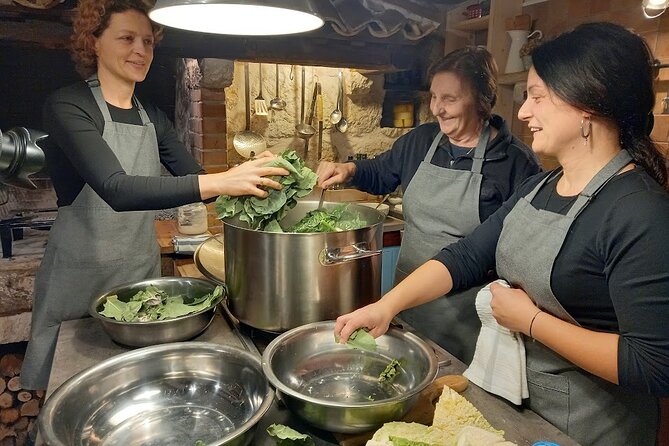
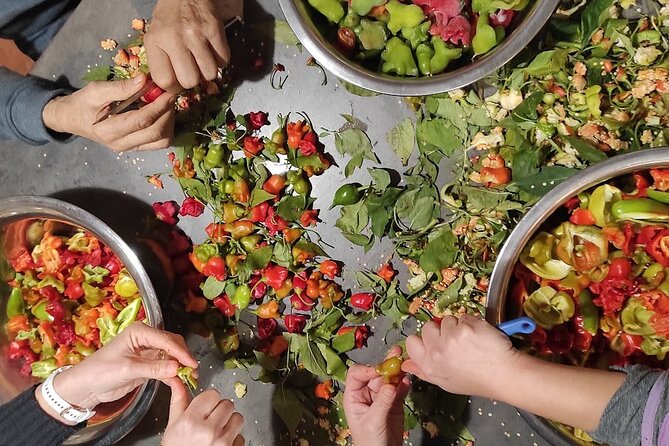
Next comes the garden presentation and a cultivation walkthrough. This is where the “garden to table” idea becomes specific and practical instead of marketing words. You’ll gather ingredients straight from the property, including fresh eggs.
What I like here is the cause-and-effect teaching. Rather than only naming ingredients, the hosts explain how they grow what ends up on your plate. That turns a simple salad or vegetable side into something with context, which is exactly what you want from a rural cooking class.
This is also the moment where the menu’s seasonal logic becomes obvious. The exact dishes can change depending on what’s available that day, so you’re eating something that fits the current growing season—not a fixed script meant for every booking.
Back in the Kitchen: Cooking Lessons With Croatian Momentum
After the garden, you return to the kitchen and start cooking. The day is designed like a practical workflow: harvesting, prep, cooking, then tasting. You won’t just stand around waiting for the hosts to do everything.
Starter: Cured Meat, Homemade Cheese, and Olive-Oil Flavor
You’ll start with a starter built around cured meat and homemade cheese. It’s served with warm bread, pickled vegetables, spreads, and homemade olive oil. Even without knowing every ingredient, you’ll recognize the pattern: salty, tangy, creamy, and bright—layered flavors that feel very Mediterranean.
Main: Lovorno Skewer and Country-Style Potatoes
One of the mains you might make is Lovorno Skewer: pork meat cooked on bay leaf branches, served with potatoes (country style), boiled vegetables seasoned with homemade olive oil, and a seasonal salad. The bay leaf branch cooking method is a detail you’ll remember because it’s uncommon compared to everyday “skewer and grill” approaches.
Main: Farm-Grown Chicken Stew With Wine and Fresh Pasta
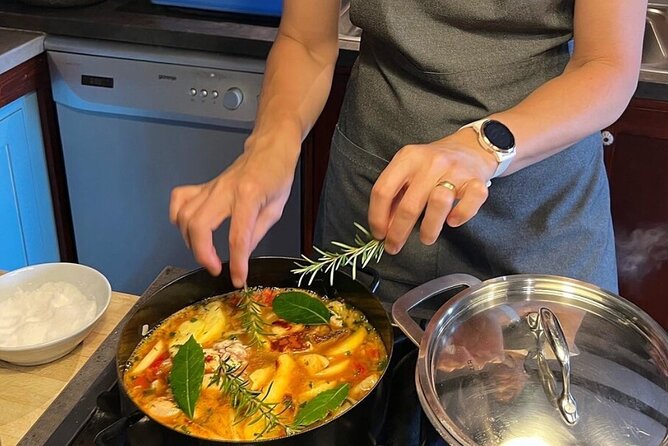
Another main option is farm-grown chicken stew. It’s prepared with fresh vegetables and fruits, cooked with wine, and served with homemade pasta. The fruit element is one of those Croatian countryside touches that makes the stew taste layered rather than flat.
If you’re the type who wants to eat well without having to translate a complicated recipe in your head, this is a great format. The flavors are guided, and you get the meal at the end in a way that teaches you without a textbook.
Dessert Traditions—and When Goat Milking May Happen
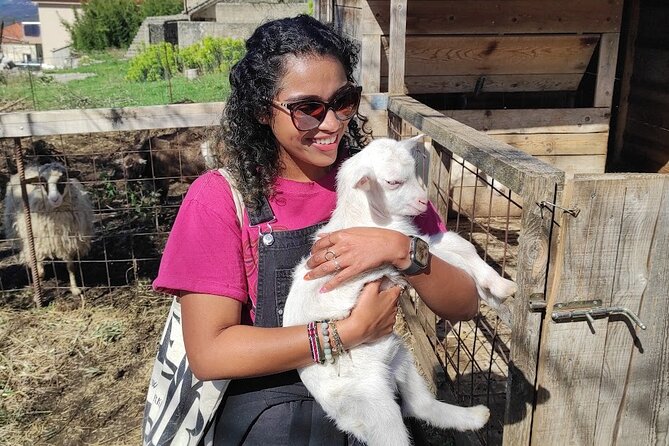
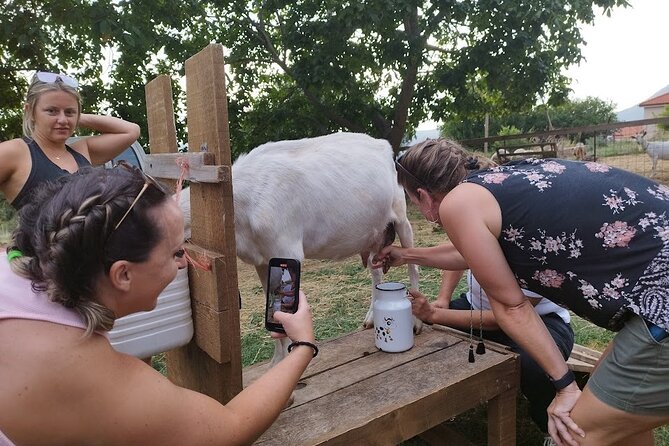
Dessert is described as Grandma’s cake. And here’s a fun, slightly wild note from the experience design: if the dessert includes milk, the host may offer the experience of milking a goat.
I appreciate that they don’t make it random or cruel. The idea is connected to the food—milk is part of the dessert, so the day may include the animal step that supports it. If farm animal experiences are a hard no for you, you can ask ahead of time what’s planned for your specific date.
The Meal Is the Final Class: Taste With Homemade Wine
Once everything is ready, you taste the meal together. This is also when the hosts tell their family-tree stories—about 500 years of family history. It isn’t a separate “lecture night.” It happens in the middle of eating, which makes it feel like storytelling at the table instead of another stop on a sightseeing checklist.
And yes, you’ll have wine with the meal: homemade red or white, based on what they’re serving that day. From a value standpoint, that matters. You’re not just paying for cooking instruction—you’re being hosted for a full countryside meal with drinks.
Why the Family-Tree Stories Matter (Not Just Nice Extras)
A lot of food experiences have a quick origin story. This one is built around long threads—family trees and what came through different eras. You get the sense that farming, food, and hospitality are tied together in the way rural communities pass things down.
You’ll hear these stories while you’re already relaxed and eating, so it lands better. It’s also the reason the experience feels more authentic than a standard “cook and go” setup: the food is explained through real people and real continuity.
Price and Value: What $208 Buys You in Real Life
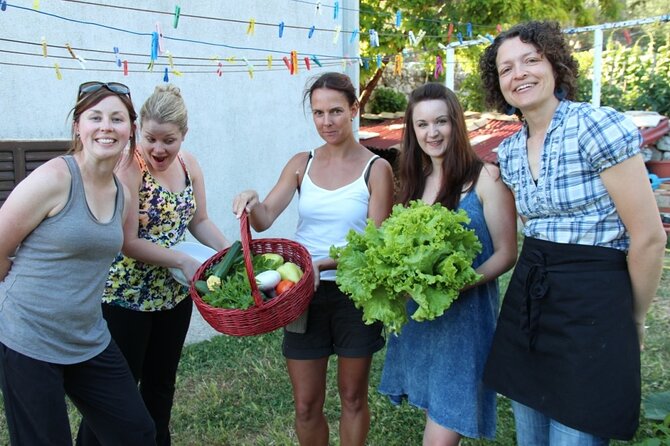
At $208 per person for about 5 hours, this is not a budget activity. But it’s also not just “someone taught me to cook pasta.” The cost is tied to multiple things you don’t usually get all at once:
- Hands-on food prep like kneading your own bread
- Ingredient gathering in the garden, including fresh eggs
- Cooking and tasting multiple dishes (starter, mains, dessert)
- Homemade red or white wine during the meal
- Family-run context with storytelling during the dining portion
- A small max group size (up to 8), which keeps the day from turning into a conveyor belt
If you’re doing Dubrovnik sightseeing all day, this is a different kind of memory—more sensory, less photo-only. And because the menu is seasonal, it feels tied to place rather than generic.
If you’re traveling as a couple or small group who likes real meals, you’re likely to feel the value more than solo travelers expecting a light activity.
Timing and Logistics: The Day Moves, and That’s the Point
The experience runs for roughly 5 hours, and it ends back at the meeting point. The start location is Kameni Dvori – Holiday Village Konavle, Lovorno 11, 20215, Gruda, Croatia. Pickup is offered, with transfers using vehicles marked with the sign Cooking class.
You’ll also get a mobile ticket. Confirmation is received at booking time unless you book very close to travel, in which case confirmation is subject to availability.
One key consideration: you’ll want to plan your Dubrovnik day around this. Think of it as your main activity, not something you tack on between museum visits.
Who This Cooking Class Fits Best
This experience is a strong match if you:
- Want a break from city crowds and prefer countryside rhythm
- Like hands-on food work (kneading, prep, cooking steps)
- Care about seasonal eating and understanding where ingredients come from
- Enjoy family storytelling alongside a shared meal
- Appreciate small-group attention (max 8)
It may feel less ideal if you:
- Want a mostly passive activity where you watch only
- Are short on time and need something under 2–3 hours
- Don’t enjoy farms or animal-related steps (goat milking depends on the dessert ingredients)
Practical Tips So You Enjoy Every Part
Here’s how to get the best day out of it:
- Dress for the garden first, then for kitchen work. Comfortable shoes matter.
- Ask about your dietary needs early. Vegan, vegetarian, and gluten-free options are available, and the hosts say they can accommodate flexible dietary restrictions.
- Plan to eat. You’ll have starter, mains, dessert, plus wine—this is a full meal experience.
- Bring a curious mindset. The garden explanation and family-tree stories are part of the payoff.
- If you’re sensitive to noise or crowds, the max 8 group size is a plus for a calmer feel.
Also: service animals are allowed, so if you need that, you’re covered.
Should You Book This Cooking Class?
I’d book it if you want a real taste of Croatian countryside life, not just a cooking demo. The hands-on bread kneading, the garden ingredient gathering (including fresh eggs), and the full meal with homemade wine make it feel like an evening you’ll talk about later—not a quick “tick the box” stop.
If you’re on the fence because of the price, think about what you’d pay in Dubrovnik for a top meal plus a meaningful experience. This adds the teaching and the place-based story, and it keeps the group small, which makes the time feel well spent.
If you’re the type who enjoys learning through doing—and you’re okay with 5 hours that stay active—this is a very good match.
FAQ
How long is the Dubrovnik countryside cooking class?
It runs for about 5 hours (approx.).
Is pickup available from Dubrovnik?
Pickup is offered via transfers. The vehicles display the sign Cooking class, and you should contact the provider if you have special requests like a child’s chair.
What language is the class taught in?
The class is offered in English.
What’s included in the meal?
You’ll make and then taste a meal that can include a starter (cured meat and homemade cheese), mains such as Lovorno Skewer and farm-grown chicken stew, and dessert (Grandma’s cake), with homemade red or white wine.
Do they offer vegan, vegetarian, or gluten-free options?
Yes. Vegan and vegetarian meals are available, and gluten-free meals are available. The provider also states they can accommodate flexible dietary restrictions.
Where does the experience start and end?
It starts at Kameni Dvori – Holiday Village Konavle (Lovorno 11, 20215, Gruda, Croatia) and ends back at the meeting point.