REVIEW · FLORENCE
Firenze; Cooking Class Pasta/Tiramisù and Tuscany Wine
Book on GetYourGuide →Operated by Ristorante Murales Bistrò · Bookable on GetYourGuide
Fresh pasta and tiramisù, made by hand, is the point. This Firenze cooking class in Tuscany is built around hands-on technique and a real chef-led vibe at Ristorante Murales Bistrò. I especially like that you learn two types of pasta the traditional way (no machines) and then finish with tiramisù you prepare together. The only real drawback to flag is the time: 2.5 hours is enough to learn and enjoy, but you may not feel fully confident replicating both pastas perfectly the first time afterward.
The group setup is also a big deal for the experience. With a small group of up to 10, you get more back-and-forth than you would in a big cooking demo, and the tone stays relaxed. Still, if you’re hoping for a mostly sit-and-watch class, this one is actively cooking the whole time.
In This Review
- Key things to know before you go
- A Chef-Led Cooking Lesson That Feels Like Tuscany Home Cooking
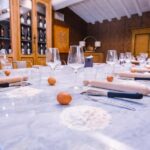
- Ristorante Murales Bistrò: A Working Restaurant Setting
- Making Fresh Pasta by Hand: Two Pastas, No Machines, Real Skill
- Tiramisù Together: The Dessert Finale You Can Actually Share
- Tuscany Wine Pairing: Red and White During the Lesson
- The Real Value: Attention, Recipes, and What You Leave Knowing
- Price and Value: Why $70 Can Be a Good Deal Here
- Who This Firenze Class Fits Best (and Who Might Want a Different Style)
- FAQ
- FAQ
- What dishes do you make in this class?
- Do you taste wine during the lesson?
- How long is the cooking class?
- How big is the group?
- What languages is the guide/instructor available in?
- Is the experience wheelchair accessible?
- Is food and drink included in the price?
- Can I cancel for a full refund?
- Should You Book This Tuscany Pasta and Tiramisù Class?
Key things to know before you go
- Hand-made pasta methods without machinery, so you actually learn the feel of the dough
- Two pasta types plus tiramisù, all made together and then eaten
- Red and white wine tasting woven into the lesson, not tacked on at the end
- Chef-led guidance in English and Italian, with patience built into the teaching style
- Small group (max 10) for quicker questions and more personal coaching
A Chef-Led Cooking Lesson That Feels Like Tuscany Home Cooking
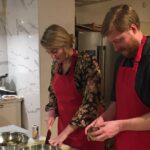
This class works because it treats cooking like a craft, not a performance. You start with an intro, you cook together, and the lesson ends the way it should: with a meal that’s truly yours. The tone is about learning the why behind the how, especially when you’re working with fresh dough.
I like that the approach is about love and tradition—Italian cooking passed down the practical way, from hands to family table. You’re not just collecting facts; you’re making food through the steps, with real feedback from your chef.
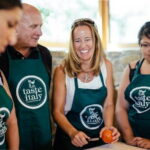
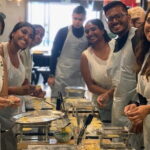
And yes, it’s fun. Laughter shows up because everyone is doing the same messy, hands-on thing at the same time. That matters in a cooking class. When the room is comfortable, learning sticks.
You can also read our reviews of more tours and experiences in Florence.
Ristorante Murales Bistrò: A Working Restaurant Setting
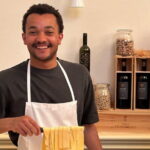
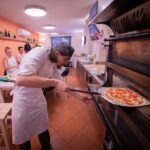
The lesson takes place in a real restaurant environment at Ristorante Murales Bistrò. That changes the feel immediately. A cooking class in a classroom can be fine, but a working bistro has rhythm: you get a sense of how meals actually move, how the kitchen mindset works, and how guests are treated.
One theme that comes through in the class style is organization. The flow is clear: intro, hands-on pasta work, dessert prep, and then everyone eats. That structure keeps you from feeling lost mid-dough when things get a little floury.
You’ll also likely appreciate the fact that it’s small-group by design (up to 10 participants). In a restaurant setting, that size is what allows the chef to notice when you’re doing something slightly off—like dough texture or how you’re shaping—without you waiting forever for attention.
Making Fresh Pasta by Hand: Two Pastas, No Machines, Real Skill
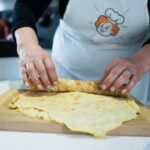
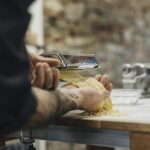
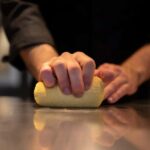
The core of the experience is learning to make two types of pasta using only your hands. No pasta machinery. No shortcut tools. The lesson is built around doing it the traditional way, step by step, while the chef talks you through what to aim for.
That no-machine detail is exactly why this class can be more memorable than a quick pasta-making session. When you roll, shape, and work the dough by hand, you start to understand how consistency affects everything. You see the effect of small adjustments right away—how the dough behaves, how it stretches, and how it holds its shape.
Practically, the lesson rhythm goes like this:
- You get an introduction to what you’ll cook and how the time will run.
- You work together on the first pasta type, guided through steps.
- You move on to the second pasta type, again using hand techniques.
- You carry the knowledge forward so the second one feels easier.
There’s one consideration: doing pasta by hand can be physically a bit more work than you expect. But that’s also part of the value. If you want the satisfying moment of doing something the old-school way, this is built for that.
Tiramisù Together: The Dessert Finale You Can Actually Share
After the pasta work, the class shifts from savory technique to dessert craft: you prepare tiramisù together. This is not a last-minute add-on where someone else does the hard part. You’re part of the process, working alongside the chef and the group.
This section matters because it teaches a different kind of confidence. Pasta has a texture and shape challenge; tiramisù leans more into timing and assembling. In a well-run class, that variety is smart: you get to switch skills and end the experience on a sweet win.
And then you get to eat it all. That’s a simple point, but it’s important. A lot of classes end with you tasting a tiny sample. Here, the meal is the point, so you don’t leave hungry or disappointed.
Tuscany Wine Pairing: Red and White During the Lesson
You’ll taste two types of wine: one red and one white. The wine isn’t just for atmosphere. It’s part of the experience while you’re cooking and finishing. For many people, this is the best kind of pacing—food first, then the lesson gains a slower, celebratory tone.
If you’re a wine person, this gives you something concrete: you can compare how the red and white fit your palate while you’re focused on savory flavors and then move toward dessert. If you’re not a wine person, it still helps break the lesson into stages and makes the whole event feel like an evening meal rather than a workshop.
Since there’s wine tasting, plan your evening accordingly if you have to drive or catch a late train.
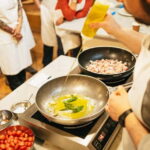
- Cooking Class and Lunch at a Tuscan Farmhouse with Local Market Tour from Florence
★ 5.0 · 4,831 reviews
The Real Value: Attention, Recipes, and What You Leave Knowing
The class isn’t only about what you make. It’s about how you’re taught. A small group is the difference between being a spectator and being coached. In feedback, people highlight instructors who are kind and patient, even with participants who feel awkward in the kitchen. That’s exactly what you want when you’re learning by doing.
A nice perk: you can leave with the materials. Some participants report that the chef sends recipes and even photos/videos after the class. That means you’re not stuck trying to recreate pasta from memory. Even if your first attempt at home isn’t perfect, you’ll have a starting point.
You’ll also likely pick up practical mindset tips, not just a recipe list. Hand-made pasta teaches you to watch dough feel and behavior rather than chase exact machine measurements. That’s the sort of learning you can reuse, even if you don’t replicate the exact same shape every time.
Price and Value: Why $70 Can Be a Good Deal Here
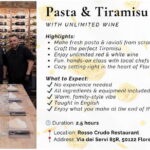
At $70 per person for a 2.5-hour experience, you’re paying for more than just ingredients. You’re covering:
- Chef-led instruction (live guide in English and Italian)
- Materials to cook (so you’re not hunting tools and supplies)
- Food and drinks included
- Two pastas plus tiramisù, plus red and white wine tasting
- A small-group format capped at 10 participants
In other words, this isn’t a quick snack event. You’re buying time, coaching, and a full meal built from your own work. The value is strongest if you want hands-on learning and if you care about doing pasta the traditional way—because that no-machine element is what makes the class feel genuinely different.
If your goal is only to eat great Italian food and drink wine, you might be able to find cheaper meals elsewhere. But if your goal is skills you can bring home, this price feels more reasonable.
Who This Firenze Class Fits Best (and Who Might Want a Different Style)
This is a great fit if you:
- Want a hands-on experience rather than a passive food tour
- Like cooking and want technique, not just tasting
- Appreciate small-group interaction and personal correction
- Are interested in traditional pasta-making without machinery
It may not be ideal if you:
- Prefer a more informational, lecture-style experience
- Need a completely effortless activity with minimal mess and physical effort
- Want a long, slow class where you master every step deeply (2.5 hours is short by cooking standards)
The sweet spot is people who learn best by doing—and who enjoy sharing food with the group at the end.
FAQ
FAQ
What dishes do you make in this class?
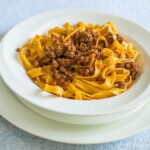
You cook together two types of fresh pasta and then prepare tiramisù as a group. At the end, you eat what you made.
Do you taste wine during the lesson?
Yes. You taste two types of wine: red and white.
How long is the cooking class?
The experience lasts 2.5 hours.
How big is the group?
The class is limited to a small group of 10 participants.
What languages is the guide/instructor available in?
The live guide/instructor offers Italian and English.
Is the experience wheelchair accessible?
Yes, it is listed as wheelchair accessible.
Is food and drink included in the price?
Yes. Food, drinks, and all necessary materials are included.
Can I cancel for a full refund?
You can cancel up to 24 hours in advance for a full refund.
Should You Book This Tuscany Pasta and Tiramisù Class?
I’d book it if you want a real chef-led, hands-on evening where your effort turns into a full meal. The small-group size, the no-machine pasta focus, and the fact that you cook two pastas plus tiramisù make it feel like more than a one-off activity.
Skip it only if you’re hoping for a mostly observational experience or you’re short on patience for dough-and-shaping learning curves. If you’re the type who enjoys rolling up sleeves and learning by doing, this is a strong use of a few hours in Tuscany.
You Might Also Enjoy
More Tour Reviews in Florence
- Cooking Class and Lunch at a Tuscan Farmhouse with Local Market Tour from Florence
★ 5.0 · 4,831 reviews