REVIEW · KYOTO
Kyoto Home Cooking Class &Supermarket tour near Fushimiinari
Book on GetYourGuide →Operated by iroHa cooking studio · Bookable on GetYourGuide
A good meal starts with what’s in the pot. In this small-group Kyoto home cooking class near Fushimiinari, I love how hands-on it is, and how you end with a real local supermarket walkthrough, not a generic market stop. One thing to consider: there’s no hotel pickup, so you’ll want to plan your own way to the class.
You’ll feel like you’re being invited for lunch by local Japanese friends, then you’ll learn the logic behind Japanese flavor—especially dashi. The main drawback is the setup isn’t for everyone: it’s not suitable for wheelchair users, and children under 6 can’t join.
In This Review
- Quick hits: what makes this class special
- Arriving near Fushimiinari, inside a true Japanese home
- What you’ll learn: dashi and the flavor framework
- Your hands-on cooking: about five dishes, taught step by step
- Lunch in a traditional tea-room style space with garden views
- The supermarket tour: what to buy, what to skip, what to look for
- Vegetarian and vegan-friendly dashi, plus adapting the meal
- English instruction in a small group (max 6) that feels welcoming
- Who this is best for (and who may want to skip)
- Socks, kitchen pacing, and other practical tips
- Price and value: what $127 buys you in Kyoto
- Who runs the show: the host energy and clear teaching
- Should you book this Kyoto home cooking class near Fushimiinari?
- FAQ
- How long is the Kyoto home cooking class?
- How big is the group?
- What’s included in the price?
- Is the class taught in English?
- Do you accommodate vegetarian or vegan diets?
- Do I need hotel pickup or drop-off?
- What should I bring?
- Is this suitable for children?
- Is it wheelchair accessible?
Quick hits: what makes this class special
- Dashi, explained clearly so you can recreate Japanese soup flavor at home
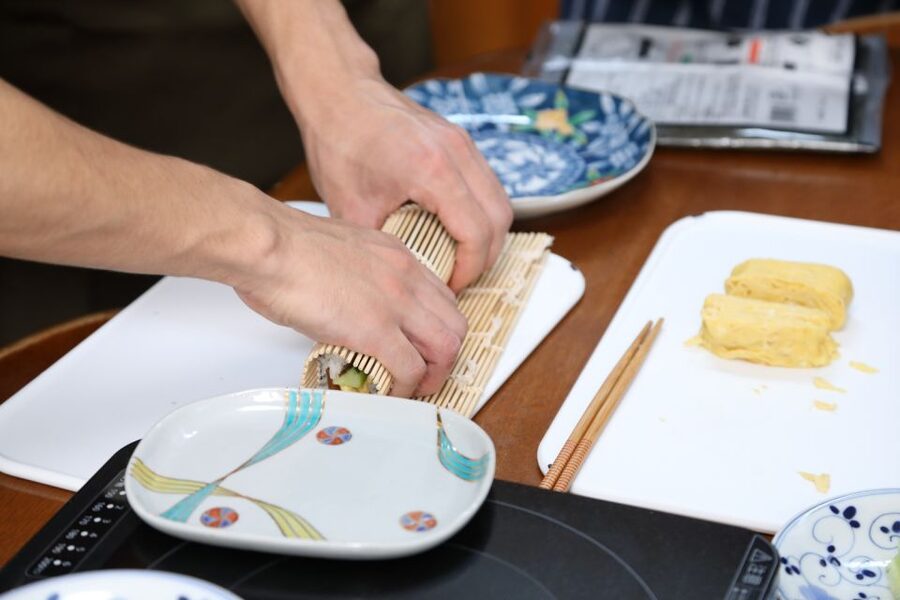
- Hands-on cooking for about five dishes, with instructor demos first
- A real Japanese room with garden views for the meal you just made
- Small group (max 6), taught in English, including non-English speakers
- Supermarket tour tied to your ingredients, with tips on what to look for
Arriving near Fushimiinari, inside a true Japanese home
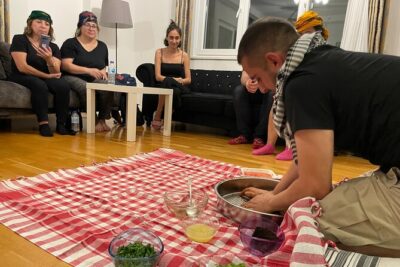
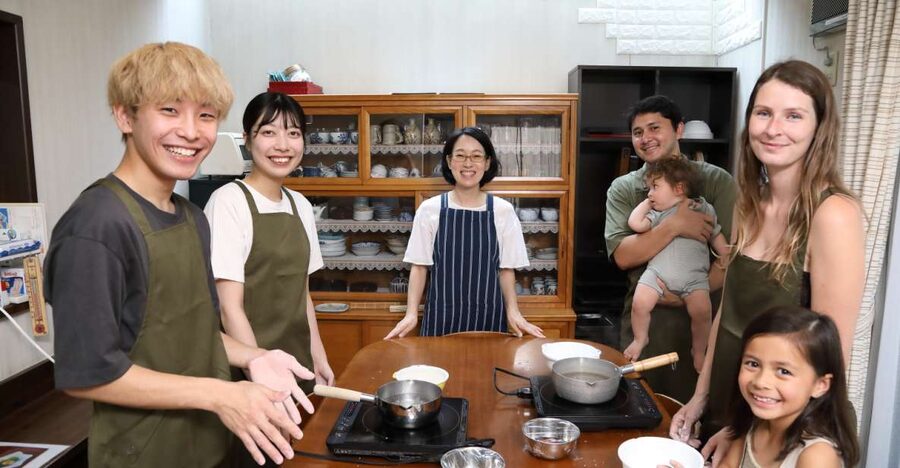
Kyoto is full of cooking classes that feel like cooking schools. This one feels closer to visiting a local house for lunch. The setting is a traditional Japanese room, and the garden view is part of why the whole experience feels calm and personal.
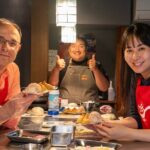
I like that the class keeps the group small—max 6 participants. That matters in cooking. You get more time at the counter, you can ask questions, and you don’t feel rushed while you’re learning.
One practical note: it’s not a “pickup and drop-off” kind of tour. You’ll need to handle getting there yourself, so check how you’ll travel before you book. Also, you’ll want to bring socks, since the class takes place in a traditional indoor setting.
You can also read our reviews of more tours and experiences in Kyoto.

What you’ll learn: dashi and the flavor framework
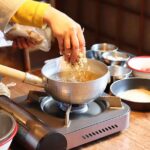
Nearly every Japanese dish seems complicated until you learn its foundation. Here, you start with dashi, the Japanese soup stock that shows up everywhere—from soups to sauces and seasoning blends.
This is one of the best parts for you if you’ve ever tried Japanese food at home and found it “almost right.” Dashi isn’t just one ingredient. It’s the idea that you build flavor quietly, then let the other tastes work in harmony.
You also learn how to think about vegetarian and vegan-friendly versions. The class uses vegetarian dashi, so it’s designed to welcome vegetarian and vegan guests when you let the instructor know in advance.
Your hands-on cooking: about five dishes, taught step by step
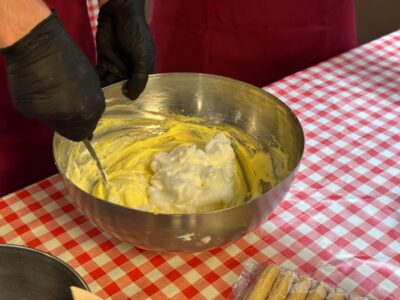
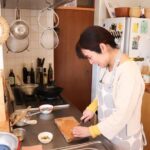
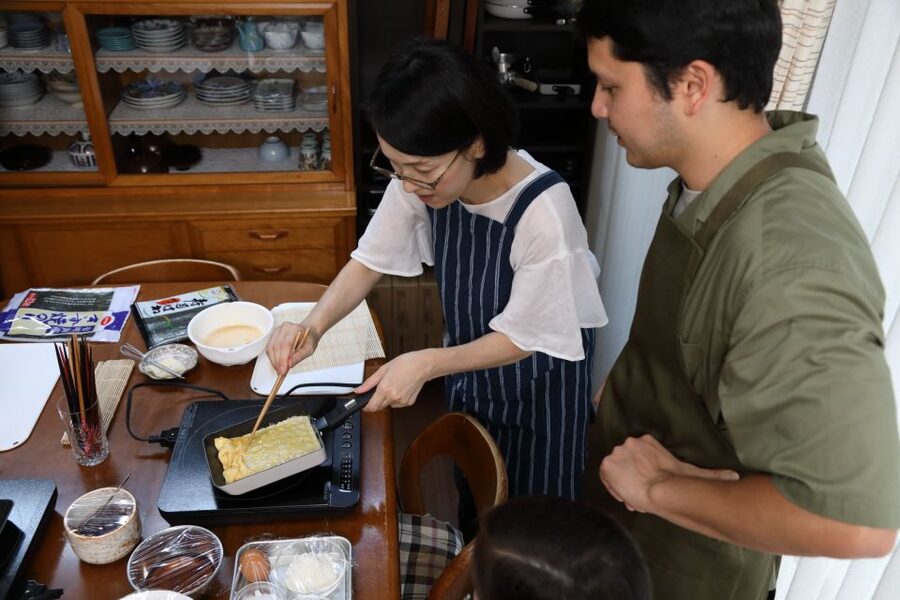
The class is built around doing, not watching. You’ll prepare about five dishes yourself (either solo or with your partner). Before you start, instructors demonstrate what to do in front of you, then you copy the steps with guidance.
That structure is a big deal. You don’t just learn recipes—you learn technique. And because the group is small, the instructor can correct small things quickly, like how you handle timing, seasoning balance, or the order of tasks.
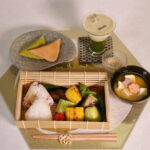
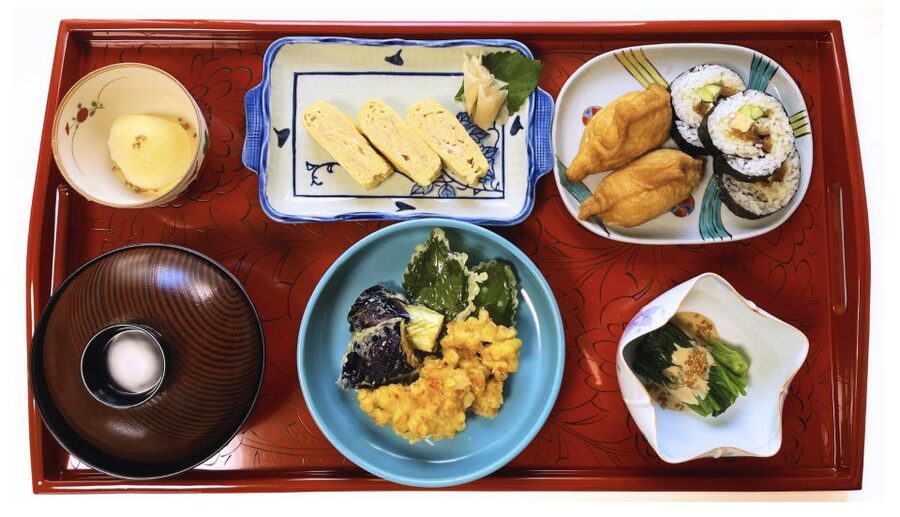
The exact menu can shift by season, but in past sessions you might cook dishes like Japanese omelet (tamagoyaki/rolled egg style), miso soup, tempura, sushi, mochi, and a dessert. You may also see a salad on the menu, depending on what’s seasonal and what the class is focusing on.
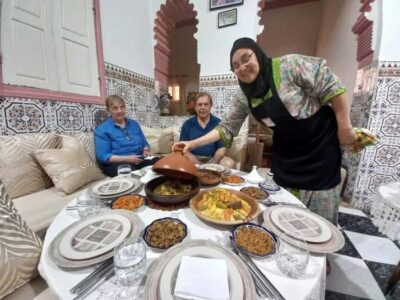
After cooking, you don’t just take food to-go. You sit down and eat what you made, the Japanese way.
Lunch in a traditional tea-room style space with garden views
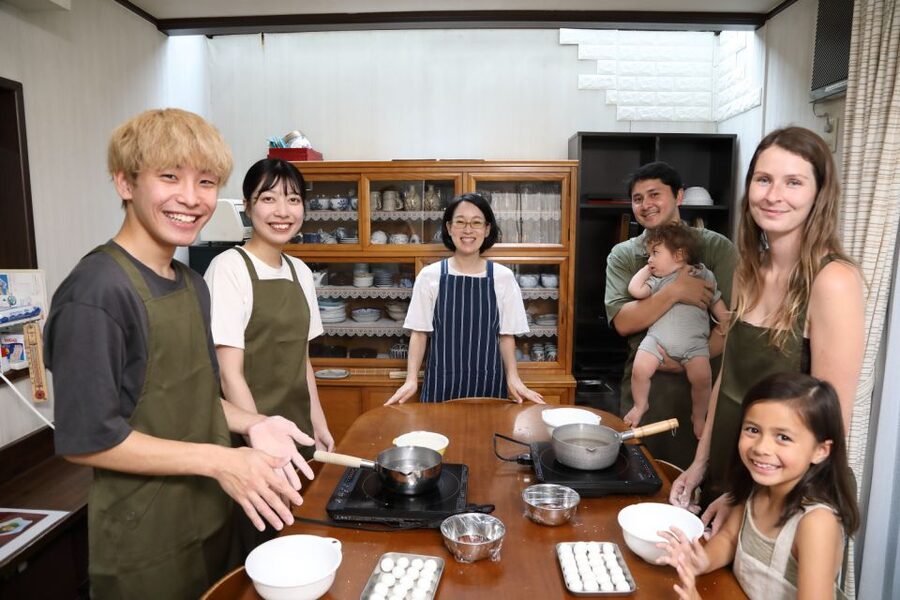
This is not an industrial kitchen lunch. You’ll enjoy your meal in a very traditional Japanese room, with a garden view that turns lunch into a reset moment.
I like this part because it helps you cook with context. When you eat right after making a dish, you immediately taste what the techniques were meant to do. That makes the “why” stick in your brain.
The meal also reinforces the lesson: Japanese cuisine often feels delicate, but it’s not bland. It’s balanced. When you taste dishes made with dashi and seasoning guidance, you start recognizing flavor patterns you can repeat later.
The supermarket tour: what to buy, what to skip, what to look for
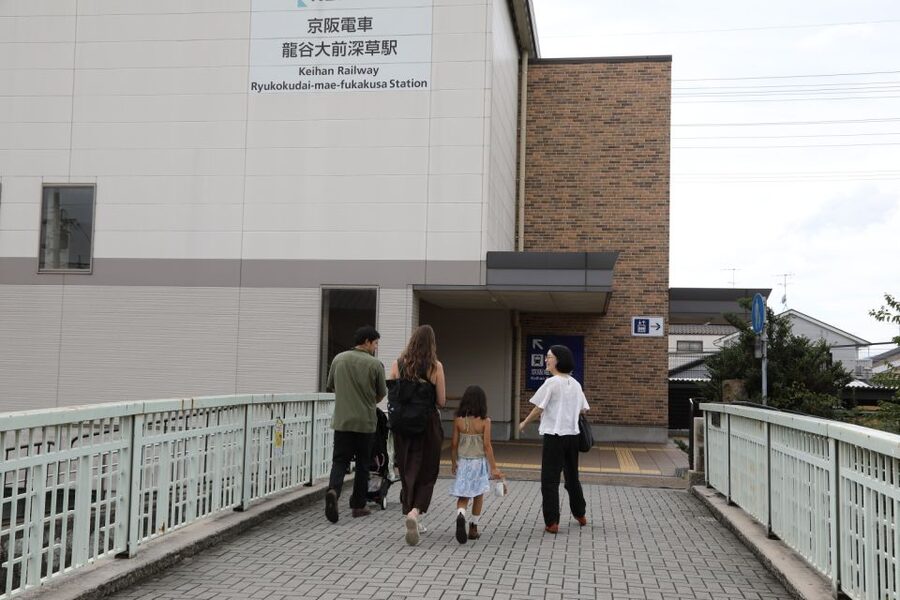
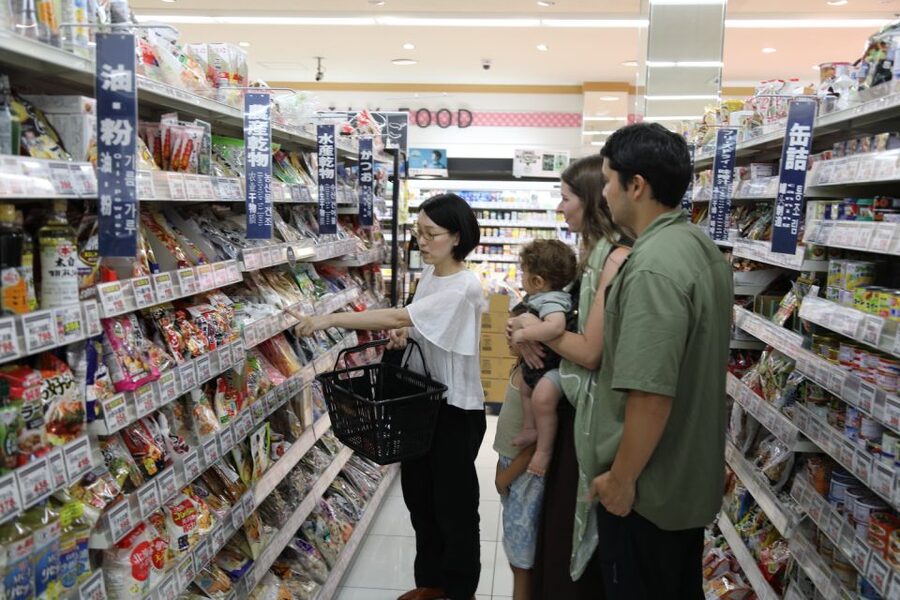
Then the class does something extra useful: you go to a local supermarket together to find the ingredients you used in class. It’s not just shopping for the sake of shopping. It’s a practical bridge between “I learned it today” and “I can make it again at home.”
You’ll get to see the actual products and packaging types you’ll be hunting for later. And if you’re used to Japanese ingredients being confusing or hard to find, this helps you get your bearings fast—what’s in the aisle, how items are labeled, and what substitutes won’t behave the same way.
One detail I really appreciate: the supermarket visit doesn’t only focus on the ingredients from the cooking step. You’ll likely get explanations about other products too—fruit, vegetables, seasonings, and common pantry items people use in Japanese cooking. That makes the tour useful even if your next “Japanese dinner at home” isn’t exactly the same menu.
If you want to cook again soon, you can buy the ingredients you need. The class gives you a clear list after you cook, so you’re not guessing.

Vegetarian and vegan-friendly dashi, plus adapting the meal
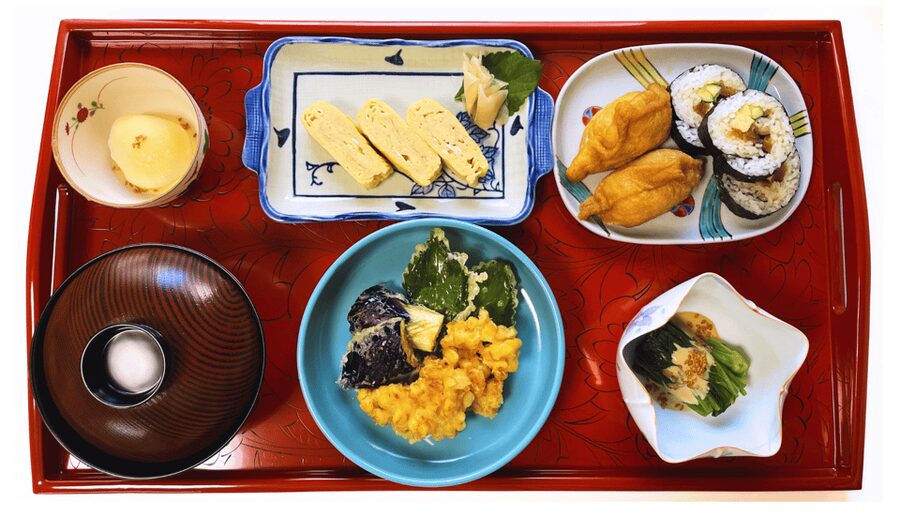
Japanese cooking can feel tricky for plant-based diets because of stock and hidden ingredients. Here, they use vegetarian dashi, and they’re open to vegetarian and vegan guests as long as you tell the instructor ahead of time.
That’s the kind of flexibility that actually helps you. It means you’re not just watching while others eat. You’ll cook and eat a version that fits your diet, using the same flavor logic taught in class.
Menus can differ by season, so the exact dishes can change. But the important part is the approach: build flavor from the right base, then match seasoning to the dish.
English instruction in a small group (max 6) that feels welcoming
The whole lesson is conducted in English. Instructors are licensed guide interpreters, so you can expect explanations to be clear and structured—not hand-wavy.
I especially like the small group cap of 6. It keeps the atmosphere friendly and gives you time to ask the “tiny” questions that matter when you’re learning cooking technique.
You can join whether you’re traveling alone or with a partner. The class is designed so you’re not stuck waiting for your turn in a big group. Solo participants still get a full learning experience.
Who this is best for (and who may want to skip)
This class is ideal if you want more than a recipe sheet. You want to understand how Japanese dishes are built—especially dashi—and you want to learn technique in a real home setting.
It’s also a great fit if you love food and want a Kyoto experience that feels non-touristic in style. The traditional room setup makes a big difference, and the supermarket tour keeps it grounded in everyday ingredients.
It may not be the right choice if:
- You use a wheelchair (the class isn’t suitable for wheelchair users).
- You’re traveling with a child under 6 (not suitable).
- You need a pickup-and-drop-off service (you’ll arrange your own transportation).
For families, there’s a bright spot. The class can adapt for kids as long as age requirements are met. Children 12 and under need to participate with a guardian.
Socks, kitchen pacing, and other practical tips
You’ll be asked to bring socks. In a traditional Japanese-room environment, that small detail matters for comfort and movement. If your socks are thin or slippery, consider thicker, grippy ones.
Also plan for a steady pace. Four hours in a hands-on class means you’ll be cooking, tasting, and moving around enough to stay engaged. It’s not a quick tasting tour.
Because the class includes lunch, plan your day so you’re not hungry right before you arrive. You’ll want to be ready to taste what you cook, then shop with a clear head afterward.
Price and value: what $127 buys you in Kyoto
At $127 per person for a 4-hour experience, this isn’t a budget activity—but it often feels like strong value if you compare it to the cost of:
- buying ingredients blindly,
- taking multiple lessons to understand basics like dashi,
- or paying for a “cooking demo” that doesn’t teach you the hands-on steps.
What you get for the price is meaningful:
- Lunch included
- All seasonings and ingredients included
- A structured session that teaches core technique
- A supermarket tour that helps you reproduce the meal later
Add in the small group size (max 6) and fully English instruction, and the value starts to make more sense. This isn’t just entertainment; it’s an experience aimed at taking you from beginner to confident home cook.
Gratuity isn’t included, so you may want to budget a tip if you feel the instructor earned it.
Who runs the show: the host energy and clear teaching
From the way the class is described, the vibe is friendly and direct. Instructors demonstrate first, then coach you while you cook. The teaching style is detailed and practical, with enough patience that you can follow the steps without feeling lost.
I also like that you get recipes afterward. When someone gives you a recipe but not the logic behind it, your dishes can fall apart later. Here, the dashi lesson and the supermarket tour give you that logic.
Should you book this Kyoto home cooking class near Fushimiinari?
Book it if you want a Kyoto meal experience that actually teaches you how to recreate Japanese flavors at home. You’ll get dashi fundamentals, hands-on cooking for about five dishes, lunch in a beautiful traditional room, and a supermarket stop where you learn what to buy and why.
Skip it if you need hotel pickup, or if you’re traveling with a wheelchair, or you’re looking for a very short activity. And if you’re bringing kids, double-check the age rules: no children under 6, and children 12 and under must come with a guardian.
If your goal is one memorable, practical Kyoto food day—one that leaves you with recipes and real ingredient knowledge—this is an easy yes.
FAQ
How long is the Kyoto home cooking class?
It lasts 4 hours.
How big is the group?
The class is limited to a maximum of 6 participants.
What’s included in the price?
It includes lunch, plus all seasonings and ingredients used during the class.
Is the class taught in English?
Yes. It is conducted in English, and the instructors are licensed guide interpreters.
Do you accommodate vegetarian or vegan diets?
Yes, the class uses vegetarian dashi, and it welcomes vegetarian and vegan guests if you let the instructor know in advance.
Do I need hotel pickup or drop-off?
No. Hotel pick-up and drop-off service is not included, so you’ll arrange your own transport.
What should I bring?
Bring socks.
Is this suitable for children?
Children under 6 are not suitable. Children 12 and below must participate with a guardian.
Is it wheelchair accessible?
No. It is not suitable for wheelchair users.