REVIEW · SABAH
Flavours of Sabah: A Cooking Class
Book on GetYourGuide →Operated by D'Joy & Jacob's Cafe · Bookable on GetYourGuide
Sabah smells great when you cook it. In Penampang, this class is a home-based, learn-by-doing way to get close to Kadazandusun food traditions.
I love that the experience is guided from prep to plating, with plenty of time to ask questions.
I also like the fact that you don’t need to bring a thing. Fresh local ingredients are provided, and you’ll cook iconic dishes like Linopot and Hinava at a calm village pace.
If you’re new to cooking, this is a friendly setup.
One consideration: it’s in a kampung (village) setting, so expect a simple, home-style atmosphere rather than a polished restaurant kitchen. And the transportation support is limited to the Kota Kinabalu and Penampang area.
In This Review
- Key things to know before you cook in Penampang
- A cooking class that feels like a village lunch with lessons
- Getting to Kampung Kibabaig: pickup, timing, and the “real place” factor
- The dishes you’ll actually make: Linopot, Hinava, Pinasakan Sada, and more
- Linopot: rice wrapped in a leaf
- Hinava: fresh fish salad
- Pinasakan Sada with takob-akob: braised fish flavor
- And yes, there’s more
- From prep to plating: how the hands-on flow works
- The shared meal after cooking: eating like the locals
- Price and value: is $50 worth it?
- Who should book this class in Sabah
- Simple rules to keep the experience smooth
- Should you book this Flavours of Sabah cooking class?
- FAQ
- How long is the Flavours of Sabah cooking class?
- Where does the cooking class take place?
- Do you get pickup and drop-off in Kota Kinabalu?
- Are ingredients and cooking tools provided?
- Is the class taught in English?
- Is alcohol allowed, and is it suitable for babies?
Key things to know before you cook in Penampang
- Didie hosts the class from D’Joy & Jacob’s Cafe and keeps explanations clear and unhurried
- Hands-on from start to finish, so you do the work, not just watch
- Signature Sabahan dishes like Linopot, Hinava, and Pinasakan Sada with takob-akob
- All ingredients and tools included, so you can focus on cooking (not shopping)
- Shared meal together right after you cook, in true Sabahan style
- Pickup and drop-off in the local area, which makes it easy if you’re staying in town
A cooking class that feels like a village lunch with lessons
If you’ve ever wished you could taste Sabah beyond the usual dish-and-a-photo routine, this is a smart move. You’re not just learning recipes—you’re learning the rhythm of Sabahan cooking: ingredients first, technique next, and then eating what you made as a group.
The host, Didie (from D’Joy & Jacob’s Cafe), runs it in a home-based setting in Kampung Kibabaig, Penampang. That matters. You’ll feel the practical, everyday side of local food culture, not a staged demo.
And it’s not a pressure-cooker class. It’s built for beginners, so you can jump in even if you’re not confident with chopping, mixing, or balancing flavors.
Getting to Kampung Kibabaig: pickup, timing, and the “real place” factor
Logistics are part of why this works. You get roundtrip transport within Kota Kinabalu and Penampang, with pickup options that include Kota Kinabalu or Kota Kinabalu International Airport. Drop-off also covers Kota Kinabalu and the airport.
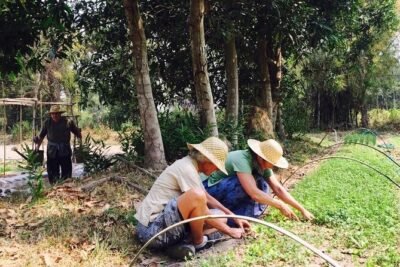
The class itself is held in a village home setting. That’s a plus if you want authenticity, and it’s also the one thing to mentally prepare for. Expect a simpler environment than a glossy cooking school—more like you’re visiting someone’s home and learning their way of cooking.
You’ll usually start around the meeting point near D’Joy Shop & Jacob’s Cafe, then head to Penampang. If you’re trying to fit this into a tight day, plan for travel time on local roads and build in a little buffer. The whole session is around 3 hours, give or take based on the schedule.
The dishes you’ll actually make: Linopot, Hinava, Pinasakan Sada, and more
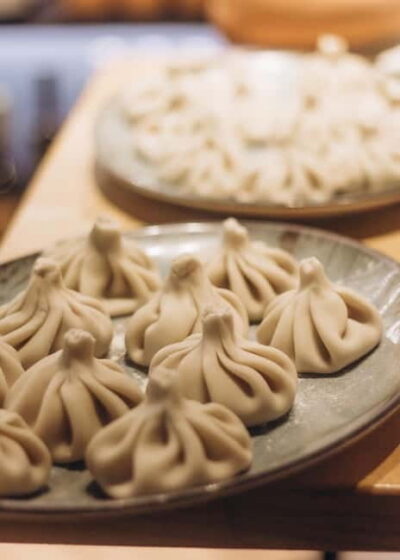
This class centers on traditional Kadazandusun dishes passed down through generations. The lineup is the kind that makes you understand why Sabahan food is so distinct: fresh, fragrant, and often built around clever use of local ingredients and textures.
Here are the standout dishes you can expect to cook:
Linopot: rice wrapped in a leaf
Linopot is rice prepared in a leaf wrap, which changes the experience. Cooking isn’t just about mixing; it’s about treating the leaf like part of the method—gentle heat, steady steaming, and a result that tastes aromatic rather than flat.
What you’ll likely learn here is technique: how to handle the wrap, how to prepare rice correctly for that style, and how to judge when it’s done based on how it looks and smells.
Hinava: fresh fish salad
Hinava is the bright, fresh side of the menu. With fresh fish salad, you need careful handling and attention to balance. You’ll learn the practical side of working with raw or freshly prepared fish—timing, freshness, and how the seasonings come together.
This dish tends to be the one that helps you grow fast as a cook because it’s very taste-driven. You won’t just follow steps—you’ll understand why seasoning amounts matter.
Pinasakan Sada with takob-akob: braised fish flavor
Pinasakan Sada is braised fish, and takob-akob is a key flavor component in this dish category. Braising is different from quick cooking: you’re building depth over time. That’s where the class becomes educational beyond recipes, because you’ll watch how the flavors develop rather than just assembling them.
If you tend to think of cooking as quick heat-and-stir only, this part is where you’ll gain confidence in slower, steadier methods.
And yes, there’s more
The menu also includes additional Sabahan dishes beyond these headline items. The key for you: you’ll cook multiple items, so you get variety instead of one “special dish” plus a lot of waiting.
From prep to plating: how the hands-on flow works
This is a hands-on cooking class, which sounds obvious until you feel the difference. In a good class, you’re working on tasks throughout the session, not picking one activity and then sitting back.
Here, you’ll go step by step:
- You’ll learn about traditional ingredients and cooking methods first
- Then you’ll move into actual prep and cooking
- Finally, you’ll plate and taste what you made together
That flow is ideal for beginners. You’re not thrown into chaos. You’re guided, with enough structure that you can understand what each step is doing.
Also, you’ll have access to all cooking tools and equipment, so you’re not trying to bring utensils or improvise. That’s a huge practical win, especially if you’re traveling light.
If you enjoy learning through doing, this format will suit you. If you’re the type who gets frustrated when cooking moves quickly, you’ll still be okay because the pace is built for a group and explained clearly by the host.
The shared meal after cooking: eating like the locals
After the cooking part, you don’t just get a snack and send-off. You sit down and enjoy the shared meal you prepared, the Sabahan way.
That part is quietly important. Food tastes different when you cooked it. You also catch details you might miss while standing over a stove—like the way a sauce clings, how freshness changes the aroma, or how one dish balances another.
You’ll also get photo opportunities during the experience. That’s useful because the dishes are visually interesting, especially leaf-wrapped items like Linopot and the fresh look of Hinava.
And you’ll be provided drinking water during the session, so you don’t have to plan for that.
Price and value: is $50 worth it?
At $50 per person for about 3 hours, this isn’t a “cheap and cheerful” class. But it’s also not priced like a luxury food tour. The value comes from what’s bundled in.
Here’s what you’re paying for, in practical terms:
- Roundtrip transport within Kota Kinabalu and Penampang
- Fresh locally sourced ingredients for the dishes
- A guided, hands-on cooking session (prep to plating and tasting)
- Use of all tools and equipment
- A shared meal at the end
- Traditional recipes to take home
- Cultural storytelling and context from the host
If you were to try to recreate this on your own after arriving in Sabah, the biggest hidden cost would be ingredients plus learning. You’d either need local knowledge for sourcing and technique, or you’d waste time figuring out what works. Here, you get structure, ingredients, and instruction bundled into one neat package.
For solo travelers, $50 can be a good deal because you’re paying for access to local home cooking plus conversation. For couples and groups, it becomes even better because everyone cooks, eats, and learns without needing separate guides.
Who should book this class in Sabah
This is a great fit if you want:
- A beginner-friendly cooking experience that still feels authentic
- Hands-on learning instead of passive watching
- A food activity in Sabah that includes local storytelling, not just recipes
- A cultural experience that’s easy to schedule if you’re staying in Kota Kinabalu or Penampang
It’s also a solid choice if you’re traveling solo and want an activity where you’ll naturally interact. And because it’s a private group, the pace tends to feel more personal than large public tours.
The one group that should think twice is anyone expecting a high-end kitchen vibe. This is held in a home-based setting, so think comfortable and practical rather than flashy.
Also, the class is not suitable for babies under 1 year.
Simple rules to keep the experience smooth
A few ground rules help keep things safe and respectful. Alcohol and drugs are not allowed. That’s not a buzzkill so much as a way to keep the meal and cooking environment comfortable for everyone.
The class is also run in English, which is useful if you’re not fluent in Malay. If you do speak some local language, you might hear more terms, but instruction is set up for English speakers.
Should you book this Flavours of Sabah cooking class?
Yes, if you want real food learning in Sabah without needing to already know how to shop, source, or cook local dishes. I think this works best when you’re the kind of traveler who values process as much as results—because you’ll cook, taste, and take recipes home.
Skip it if you’re only after a quick photo stop or you’re uncomfortable with a home-based village setting. Also, if your plans place you far outside Kota Kinabalu and Penampang, you’ll need to sort out extra transport, since the included transport is limited to that area.
If you’re staying near Kota Kinabalu and want a memorable, practical cultural activity for about three hours, this is an excellent use of time.
FAQ
How long is the Flavours of Sabah cooking class?
The class runs for about 3 hours.
Where does the cooking class take place?
It’s held in a home-based setting in Kampung Kibabaig, Penampang.
Do you get pickup and drop-off in Kota Kinabalu?
Yes. Pickup and drop-off are included within the Kota Kinabalu and Penampang area.
Are ingredients and cooking tools provided?
Yes. Fresh locally sourced ingredients are provided, and you’ll use the cooking tools and equipment provided for the session.
Is the class taught in English?
Yes, instruction is in English.
Is alcohol allowed, and is it suitable for babies?
Alcohol is not allowed. The experience is not suitable for babies under 1 year.