REVIEW · TANGIER
Tangier Private Cooking Class With a Local Family
Book on Viator →Operated by Tangier Day Tours · Bookable on Viator
A home kitchen in Tangier can teach you more than any cookbook. This private cooking class pairs a market and spice walk with hands-on lessons for tagine, couscous, and mint tea. The one thing to think about: you’ll be moving through crowded market streets, so comfy shoes matter.
I also like that the experience is built around real Moroccan rhythm—fresh ingredients first, then learning how flavors are put together. It’s designed for your group only, and it can accommodate dietary needs if you mention them ahead of time. If you’re hoping for a quick, hands-off meal, this isn’t that kind of experience.
In This Review
- Key highlights
- A Home Kitchen in Tangier That Starts With the Market
- What the Guided Market Walk Teaches You (Beyond Shopping)
- The Berber Pharmacy Stop: Herbs, Spices, and How They’re Framed
- Cooking Your Own Tagine: More Than Just Following Steps
- Couscous in a Private Setting: Getting Texture and Timing Right
- Mint Tea: The Last Step That Turns Cooking Into Hospitality
- What You’ll Eat, and Why the Dinner Feels Like a Real Meal
- Price and Value: Is $93.96 a Good Deal?
- Pickup, Timing, and How to Think About the 4-Hour Flow
- Dietary Needs and Who This Class Suits Best
- Practical Tips to Get the Most From Your Tangier Cooking Class
- Should You Book Tangier Private Cooking Class With a Local Family?
- FAQ
- How long is the Tangier private cooking class?
- What does the experience include?
- Where do we meet?
- Is pickup available?
- Is this a private tour?
- Can you accommodate dietary restrictions?
- Is a mobile ticket used?
- Are service animals allowed?
- What are the operating hours?
- What is the cancellation policy?
Key highlights
- Market shopping for the ingredients you’ll cook, including a stop to understand what’s freshest and why
- A visit to a traditional Berber pharmacy to get a clearer idea of herbs and spices
- Hands-on cooking of your own tagine and couscous, plus mint tea
- A local-family welcome that turns the meal into a sit-down dinner, not a classroom exit
- A flexible 4-hour format with pickup offered and a private setup for your group
A Home Kitchen in Tangier That Starts With the Market
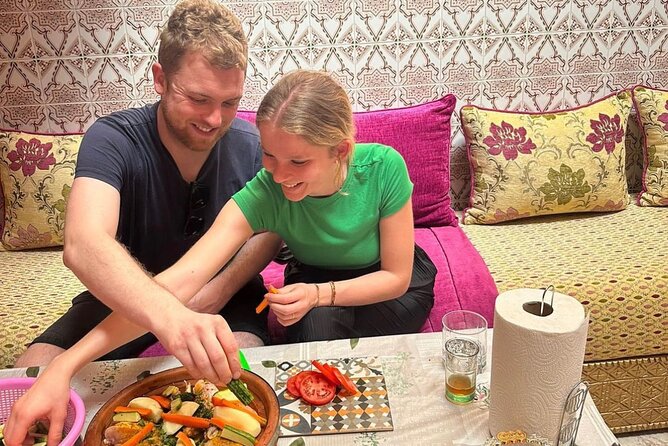
Tangier food isn’t about complicated steps. It’s about choices—what you buy, how you smell the spices, and how you balance salt, sweetness, and heat. What makes this experience feel practical (and genuinely local) is that it begins with the ingredients, not the recipe card.
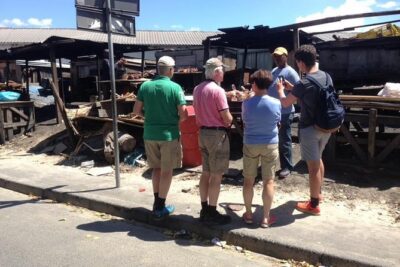
You’ll start at Port de Tanger Ville (Blvd. Mohamed VI), and from there the day flows with a guided walk through the daily market to pick what your cooking will actually use. The goal is simple: you learn what people look for when they’re making dinner, and you get the chance to pick the traditional dishes you want to focus on.
After that, the experience shifts from shopping to flavor education. You’ll also visit a traditional Berber pharmacy, where you get a chance to learn about the spices in general—how they’re thought about, and how they show up in Moroccan cooking. I like this approach because it helps you cook beyond one meal. Once you understand the spice logic, you can adjust at home.
One consideration: you’re spending time in the market area, which can mean lots of foot traffic and sensory overload. If you hate crowds, you can still enjoy it—just plan on taking short breaks when you need them and keep your expectations realistic.
You can also read our reviews of more tours and experiences in Tangier.
What the Guided Market Walk Teaches You (Beyond Shopping)
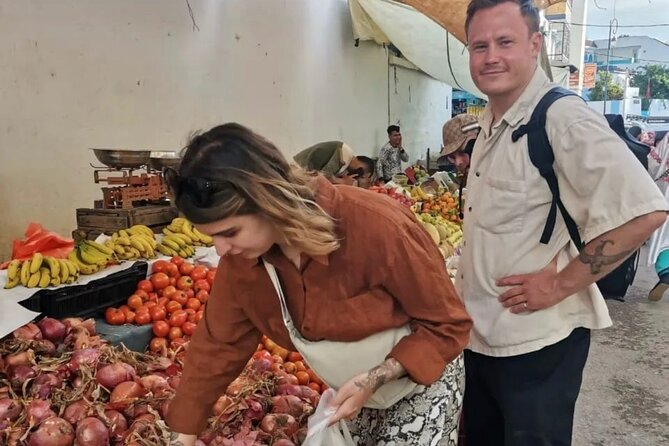
The guided market portion is where you start learning “why,” not just “what.” You’ll be walking with a guide and using the market to source fresh products for the meal. In Tangier, that matters because spices, produce, and dried goods don’t all behave the same way depending on quality and freshness.
This is also the portion that most strongly connects the food to everyday life. You’ll likely notice how vendors present ingredients, how certain items are bundled or displayed, and how people pick based on smell and appearance. It’s a good way to practice looking like a local: not rushing to the prettiest stall, but choosing what fits the dish you’re making.
A very specific bonus here is that the walk isn’t only about produce. The experience includes learning about traditional cooking tools as well—think traditional ovens and how they fit into Moroccan cooking patterns. Even if you never use the exact same oven at home, understanding the idea behind it helps you respect texture and timing.
And because this is private, you can ask questions that normally get lost in a group setting. Want to know how someone decides between two spice blends? Curious about how a certain herb changes a stew? This format lets you slow down and get answers you’ll actually use later.
The Berber Pharmacy Stop: Herbs, Spices, and How They’re Framed
Not every cooking class includes time to understand spices in a grounded way. Here, you’ll also visit a traditional Berber pharmacy, where you can pick up context for the herbs and spices used in Moroccan cuisine.
The value of this stop is that it turns spices from background flavor into an actual vocabulary. You’re not just grabbing a jar at home and hoping it behaves the same way. You get a clearer sense of what spices are expected to do, and how people think about combining them for balanced flavor.
This matters a lot for two reasons:
First, Moroccan cooking is often about layering. If you only treat spices as a finishing step, you miss the way they bloom during cooking. Second, you might discover that some spices you associate with one dish can show up in others depending on how the recipe is built.
If you like food explanations—if you want to understand the logic—this pharmacy visit is one of the smartest parts of the class.
Cooking Your Own Tagine: More Than Just Following Steps
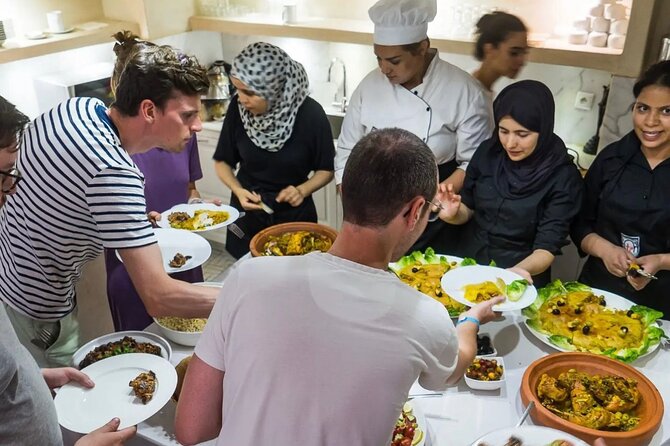
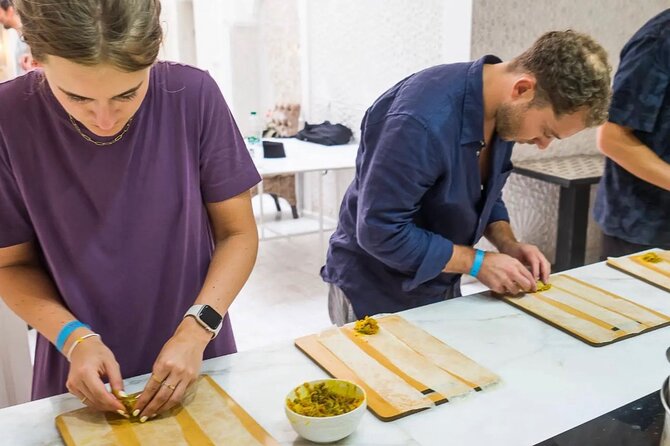
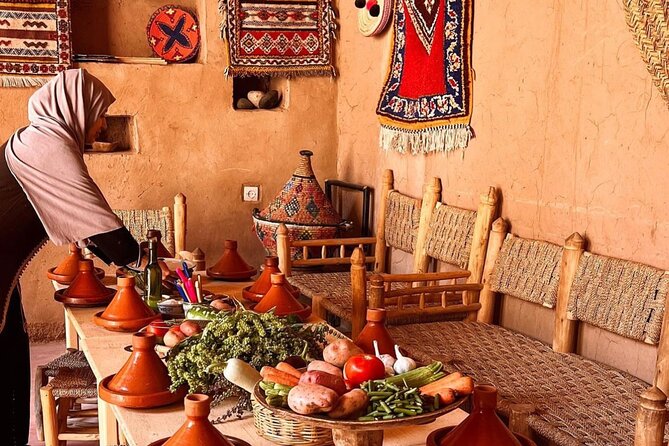
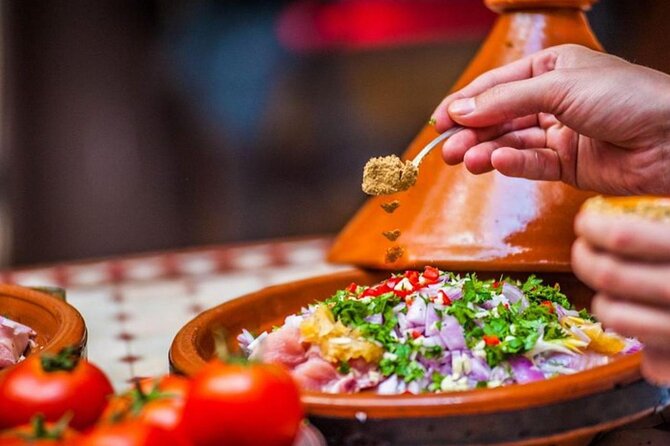
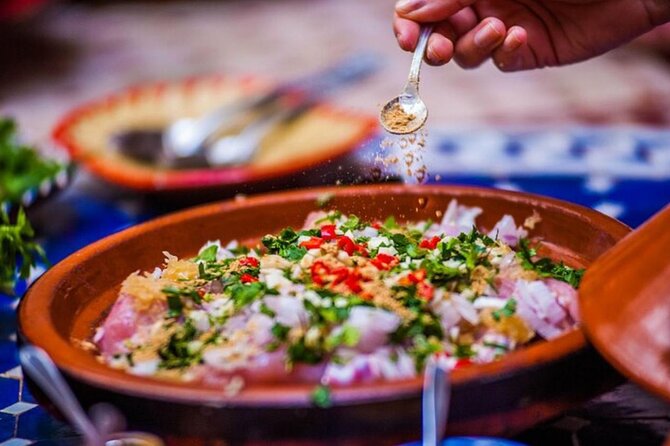
Once you head to the family home, the experience becomes hands-on in a clear, doable way. You’ll become a chef for your own meal and prepare tagine and couscous, plus the local mint tea.
Tagine is where Moroccan cooking feels both simple and magical. The pot-and-steam method builds flavor slowly, and you learn that the best results come from managing heat and moisture, not from complicated techniques. During the class time, you’ll work through the process step by step with your host’s guidance.
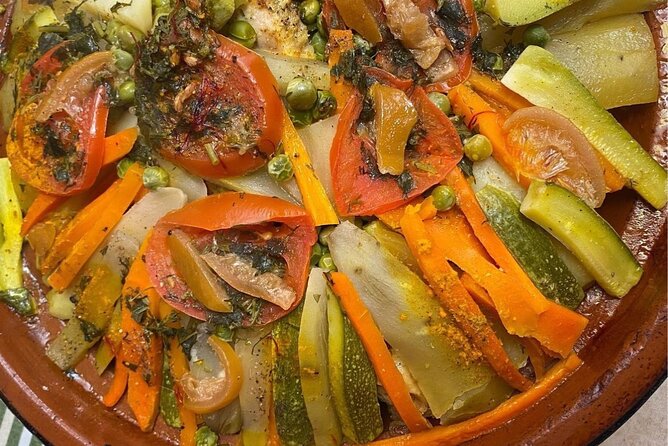
From what’s been shared by past participants, the tagine portion often includes fish options (including fish tajine with potatoes and carrots). Even if your session emphasizes a different tagine, you’ll still take home the same core skills: how to build the base flavors, how vegetables fit in, and how the dish should smell when it’s ready.
The biggest practical payoff is that you won’t leave with a memory of a dish only. You’ll leave with a sense of how the flavors are combined—what happens when spices meet aromatics, and how the cooking method supports that.
Couscous in a Private Setting: Getting Texture and Timing Right
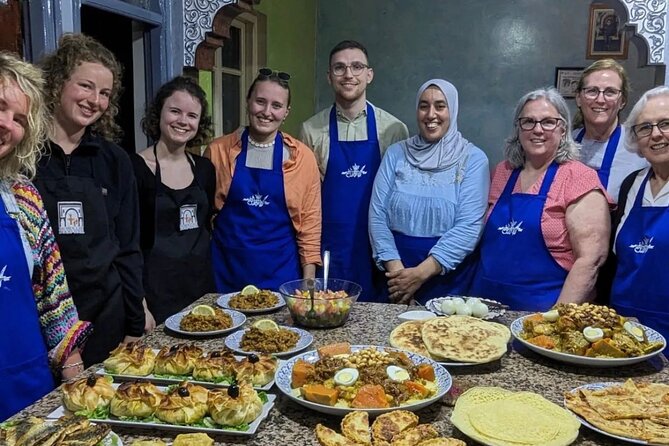
Couscous has a reputation for being either perfect or disappointing. In a classroom demo, it’s easy to watch and then forget the details. In this class format, you’re actually doing the work, so you can focus on what matters for texture and timing.
Couscous in Moroccan meals isn’t just a side. It’s a structural partner to tagine flavors. When the couscous is done right, it becomes the vehicle that carries sauce and spice through every bite.
In your session, you’ll learn the hands-on process of preparing it alongside your tagine, so you understand the workflow: what can be done in parallel, what needs attention, and when you should stop fiddling. That’s useful because at home, most couscous mistakes come from rushing or over-handling, not from ingredient quality.
The private family setting helps here too. If you’re unsure about a step, you can ask immediately. If you want to do a portion of the work more carefully, you can. That freedom is part of the value.
Mint Tea: The Last Step That Turns Cooking Into Hospitality
Moroccan mint tea isn’t just a drink. It’s part of the welcome. You’ll prepare local mint tea during the class, which means you’re not only learning a recipe—you’re learning the rhythm of hospitality.
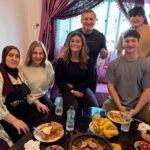
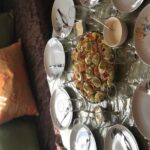
This is one reason the meal feels complete. After the cooking, you sit down and enjoy what you made. Many classes of this style include small snacks and a full sit-down dinner experience, and mint tea is the anchor that ties everything together.
You’ll get to taste the tea alongside your food, which helps you notice how it cleans the palate between bites. And if you’re looking for something you can recreate later, mint tea is one of the easiest ways to bring the day home with you.
What You’ll Eat, and Why the Dinner Feels Like a Real Meal
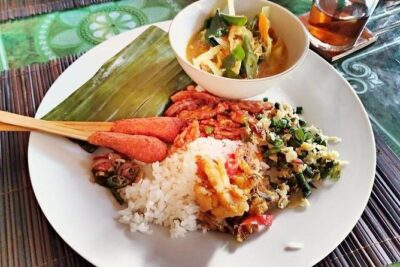
The structure is chef-in-training, then dinner. You cook your tagine, couscous, and mint tea, and then enjoy the results at the end.
From the experiences shared by others, the meal often includes additional Moroccan sweets—desserts that make the dinner feel like an actual family table, not just a “class lunch.” People also describe being treated with kindness from the moment they arrive, with snacks and tea woven into the pace.
That matters because food experiences in Morocco can vary a lot. Some feel like a restaurant meal. This one is intentionally home-based, which means the atmosphere tends to be more relaxed and personal.
I’d frame it as: you’re not just learning to cook—you’re learning how a family feeds guests. That’s hard to replicate in a commercial cooking studio, even if the recipes are similar.
Price and Value: Is $93.96 a Good Deal?
At $93.96 per person for roughly 4 hours, the price can look steep if you compare it to a basic cooking demo. But this isn’t only a demo. You’re getting:
- a private group experience (so you’re not watching someone else cook while others crowd around)
- a guided market walk to source ingredients
- a Berber pharmacy visit for spice context
- hands-on cooking of multiple items: tagine, couscous, and mint tea
- and a family-style sit-down meal afterward
When you add those parts together, the cost starts to make sense. Especially in a place like Tangier, where getting an authentic introduction to ingredients and spice logic can be hard to piece together on your own without local guidance.
You’re also paying for the time spent with a household and a guide—not just for the final plate. If your goal is to return home with usable skills (and not just photos), this is the type of experience that usually feels like good value.
Pickup, Timing, and How to Think About the 4-Hour Flow
You’ll meet at Port de Tanger Ville (Blvd. Mohamed VI, Tanger). Pickup is offered, which is helpful if you’re not staying nearby or you’d rather avoid figuring out local logistics mid-day.
The experience runs about 4 hours, which is a realistic window for market walking, spice learning, cooking, and eating. It also means you won’t get the slow, draggy pacing that can happen in longer tours.
One practical note: because the day includes time in the market, you’ll want to consider what you wear. Light layers help, and shoes should handle uneven pavement. Bring a small water bottle if you tend to get thirsty, since the market pace can involve lots of stopping and asking questions.
Also, because the tour is private, the schedule can feel smoother. You’re not stuck waiting for a big group to gather, and it’s easier to pause when you need a moment.
Dietary Needs and Who This Class Suits Best
This experience can accommodate dietary restrictions like vegetarian, vegan, and gluten-free, if you tell the provider in advance through special requirements at booking. That’s important. Food experiences in Morocco often work around ingredients, but you need a heads-up so the family can plan properly.
This class is a great fit if you:
- love cooking and want real process, not just tasting
- want a local-family dinner experience in Tangier
- enjoy markets and spice discussions
- prefer a private format where you can ask questions and learn at your pace
If you’re traveling with friends or family and want a shared activity that produces a meal you can brag about at home, this is also a strong choice.
Practical Tips to Get the Most From Your Tangier Cooking Class
Here are the small things that tend to make the biggest difference:
- Wear comfortable shoes for medina-style walking and time on your feet.
- Bring a pen-and-paper note—or use your phone to jot key spice names and steps you’d like to repeat.
- If you have dietary restrictions, be clear at booking about what you can and can’t eat. Don’t wait until the day-of.
- Ask questions during the spice portion. This is where you’ll learn the reasoning that helps you cook later.
- If you’re not used to intense market smells and sounds, plan short pauses. You can step aside for a minute without ruining the day.
And one more thing: keep your expectations focused on learning and hospitality, not perfection. Part of the charm of a home-style experience is that it feels human—what’s cooking, what’s being prepared, and how you’re welcomed into that flow.
Should You Book Tangier Private Cooking Class With a Local Family?
If you want more than a standard restaurant meal, I’d book it. This is built to teach you how Tangier food gets made: ingredients first, spices explained, then real cooking of tagine, couscous, and mint tea, followed by a family-style dinner.
It’s especially worth it if you like hands-on activities and you value local context. The price is reasonable when you compare the full package—market walk, Berber pharmacy visit, cooking practice, and a meal you enjoy afterward.
The only real “don’t book” scenario is if you strongly dislike crowded market streets or you want a hands-off, low-effort experience.
FAQ
How long is the Tangier private cooking class?
It lasts about 4 hours.
What does the experience include?
You’ll join a guided market tour for ingredients, visit a traditional Berber pharmacy, then cook tagine, couscous, and prepare local mint tea, followed by enjoying what you made.
Where do we meet?
The meeting point is Port de Tanger Ville, Blvd. Mohamed VI, Tangier, Morocco.
Is pickup available?
Yes, pickup is offered.
Is this a private tour?
Yes. It’s private, and only your group participates.
Can you accommodate dietary restrictions?
Yes. Dietary needs such as vegetarian, vegan, and gluten-free can be accommodated if you indicate your requirements at booking.
Is a mobile ticket used?
Yes, it includes a mobile ticket.
Are service animals allowed?
Yes, service animals are allowed.
What are the operating hours?
It runs Monday through Sunday with hours listed as 12:00 AM–11:30 PM.
What is the cancellation policy?
You can cancel for a full refund up to 24 hours in advance. If you cancel less than 24 hours before the start time, the amount paid is not refunded.