REVIEW · TBILISI
Tbilisi: Georgian Cooking Class with Khinkali and Khachapuri
Book on GetYourGuide →Operated by Georgian Cuisine · Bookable on GetYourGuide
Fold dumplings, sip wine, learn Tbilisi. This hands-on Georgian cooking class turns two famous comfort foods into a real skill: khinkali and Imeretian khachapuri. I like the step-by-step guidance that helps you actually finish both dishes, and I also love the pre-cooking spread of Georgian wine, cheeses, and tomato-cucumber salad. One heads-up: it is not held in a typical back-of-house kitchen, so the experience feels more like a guided dining-and-cooking session than a full-on industrial kitchen workout.
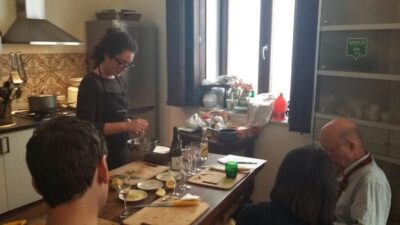
The setting matters. You meet at Restaurant St. Bunny (on the third floor of the Merani shopping center), and the vibe is cozy, social, and very Georgian in feel, including that courtyard atmosphere mentioned in the highlights. You spend about 2.5 hours cooking, then you eat what you make in a festive wrap-up.
If you want a calm, structured food activity that still leaves you with warm, edible results, this fits. The instruction language is Russian or English, and the chef/host team has a strong track record based on the consistently high ratings.
In This Review
- Key things to know before you go
- Finding St. Bunny inside Merani: the easiest part of the day
- The warm-up plate: cheeses, salad, and Georgian wine before you cook
- Khinkali training: learning the fold (without making it stressful)
- Imeretian khachapuri: cheese-forward comfort and real technique
- Why the non-kitchen setting can be a plus
- The social side: Tbilisi stories, group energy, and shared tables
- What you actually get for the $28 price
- Timing and pacing: a 2.5-hour feast that doesn’t drag
- What to do next in Tbilisi after the class
- Who should book this cooking class
- Should you book it?
- FAQ
- What dishes will I learn to cook?
- Where does the class meet?
- How long is the cooking class?
- Is wine included?
- Where does the class take place?
- What’s included in the price?
- What’s not included?
- What languages are used by the instructor?
- Can I cancel for a full refund?
Key things to know before you go
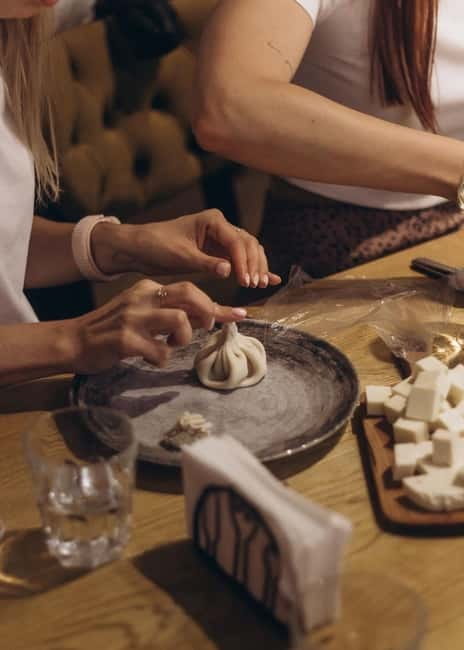
- Two dishes, both hands-on: you’ll make khinkali and Imeretian khachapuri.
- Not a back kitchen: the class is held in the restaurant setting, not a kitchen-only workspace.
- Included tastings: you get a plate of local cheeses plus Georgian homemade wine.
- Kakheti aromatic oil salad: tomato-cucumber salad shows up before the cooking, and you often get plenty to take home.
- Recipe follow-up: you leave with recipes so you can repeat the dishes later.
Finding St. Bunny inside Merani: the easiest part of the day
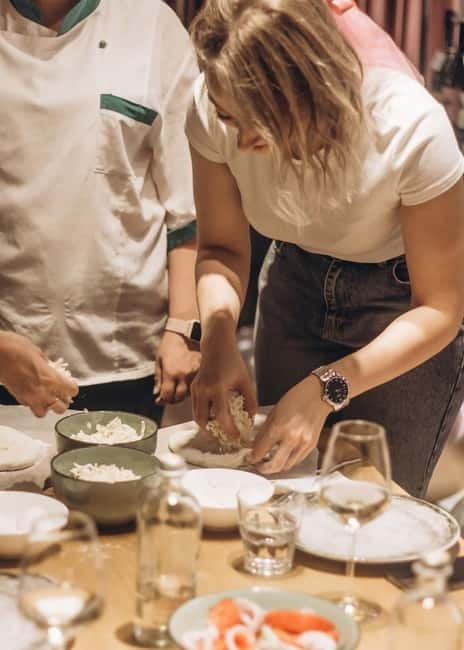
Start with the practical win: your meeting point is clear and central. You’ll go to Restaurant St. Bunny, which sits on the third floor of the Merani shopping center in Tbilisi. You can enter the complex from either Rustaveli Avenue or Alexander Griboyedov Street.
Why I like this layout for a tour: it keeps the start simple. You’re not hunting for a hidden basement. You’re just walking into a known, indoor landmark and climbing a single level.
Once inside, look for the restaurant area on that floor. The class runs about 2.5 hours, so arriving a little early gives you time to settle in, grab a drink, and get the room vibe before your first instructions.
Also note: instruction is offered in Russian and English, with chefs/hosts who guide step by step. And yes, it’s wheelchair accessible, which makes a difference for anyone traveling with mobility needs.
You can also read our reviews of more tours and experiences in Tbilisi.
The warm-up plate: cheeses, salad, and Georgian wine before you cook
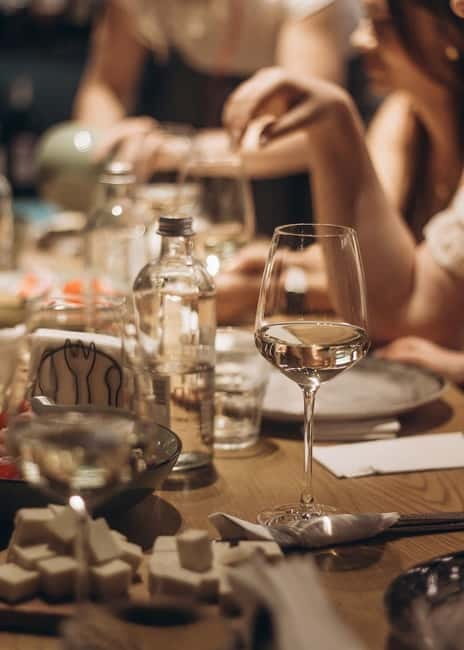
This class starts like a real Georgian meal, not like a demo. Before you start mixing or shaping, you’re served a platter of local Georgian cheeses and a salad featuring ripe Georgian tomatoes and cucumbers, dressed with Kakheti aromatic oil.
This matters because it changes how you experience the cooking. You’re tasting the flavors you’ll be building with. It’s not only about what comes next—it’s also about why Georgian food tastes the way it does.
And the portions are more generous than you might expect for a cooking class. Several comments highlight big servings, plus salad that can come with plenty to take home. That’s a smart setup for travelers: you leave full, and you’re not scrambling for dinner afterward.
Then there’s the wine. You get tasting of Georgian homemade wine included. It’s not positioned as a party—more like an accompaniment that helps you understand the food culture you’re practicing.
Khinkali training: learning the fold (without making it stressful)
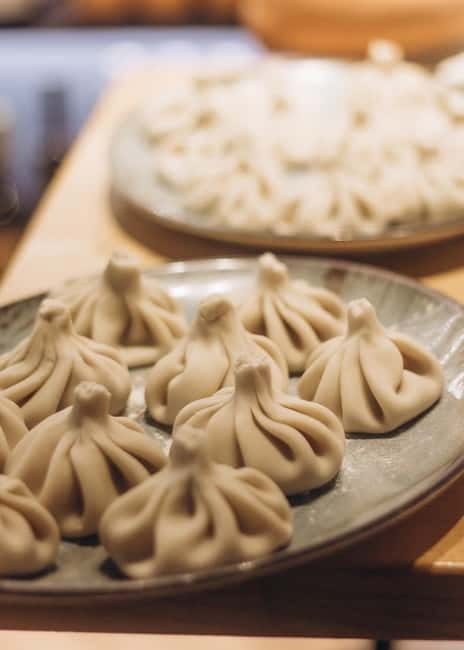
Khinkali is where many cooking classes either shine or fall flat. The good ones teach technique, not just movement.
Here, you get hands-on instruction for preparing khinkali. Expect the chef to guide the dough work and the filling process, then help you with the shaping and folding. The folding is the moment most people feel in their hands—and the moment that separates a plate of dumplings from khinkali as it’s meant to be.
A few practical tips you’ll likely hear during class (and that you can use right away at home):
- Focus on consistency first. If your dough thickness and filling distribution are off, the fold becomes harder.
- Slow down at the folding stage. If your hands rush, the dumpling won’t close cleanly.
- Follow the chef’s step order. Many of the best outcomes come from doing each part in sequence, not trying to multitask.
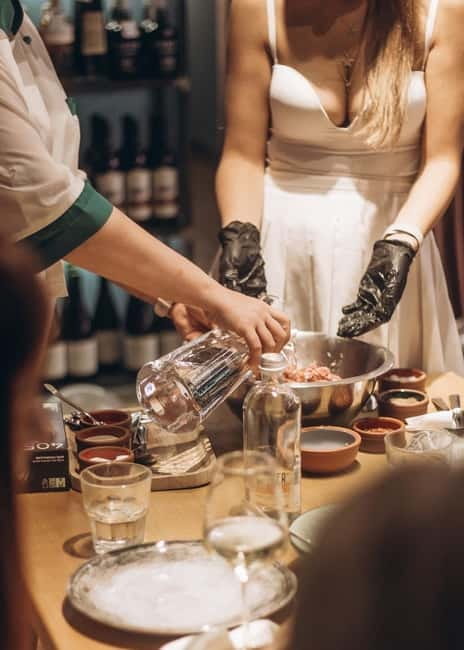
One detail worth knowing: the class is not held in a kitchen back room. So you’ll be cooking in a restaurant-style setting with clear supervision, rather than disappearing into a messy prep area. That can be ideal if you want guidance without the chaos.
After cooking, you get to eat your creations in that same festive setting. The biggest payoff is simple: khinkali is delicious, but it’s even better when you understand the process.
Imeretian khachapuri: cheese-forward comfort and real technique
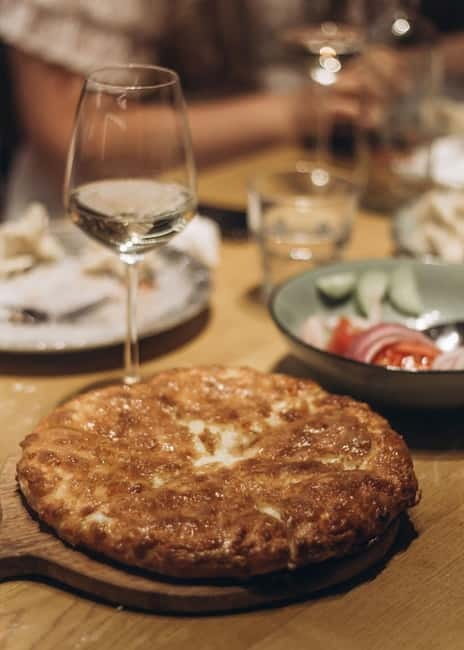
Next comes the other star: Imeretian khachapuri. This is the dish that makes people realize Georgian cheese culture is not a side act—it’s the center stage.
You’ll learn how to prepare it as part of the included package, with the chef walking you through key steps. Even if you’ve eaten khachapuri before, making it changes your understanding of texture and balance. You stop thinking of it as just cheesy bread, and start noticing the structure: dough behavior, how the cheese interacts with heat, and the shape/form you’re aiming for.
From the way the class is described, you’re not watching from a chair. You’re actively participating in the making. That’s a big reason the class earns consistent praise: people say it’s hands-on, the instructions are easy to follow, and the dishes come out well.
If you’re the type who likes to take home a repeatable skill, this is a great match. Many classes include recipes at the end (often provided in an easy-to-reuse format), so you can recreate your khachapuri later.
Why the non-kitchen setting can be a plus
It’s clearly stated that the experience is not held in the kitchen. That might sound like a limitation, but it’s often a benefit in real life.
In a restaurant setting:
- You get a calmer workflow with supervision closer at hand.
- You’re more likely to be served along the way (cheese plate, salad, wine).
- You eat in the same atmosphere where you cook, instead of separating cooking and dining into two different environments.
This also explains why the class sometimes feels more like a guided meal than a rough-and-tumble cooking marathon. Some people like that, and a smaller number have mentioned it can feel a bit guided—almost too much hand-holding.
If you’re hoping for total freedom and a super serious culinary boot camp, you might feel a little boxed in. If you want structure, clarity, and a confident result, you’ll probably enjoy it.
The social side: Tbilisi stories, group energy, and shared tables
Food classes can be either awkward or surprisingly fun. The best ones create an atmosphere where people talk, laugh, and trade travel tips without derailing the meal.
Here, you get entertaining narratives about the city of Tbilisi as part of the session. That’s not filler. It helps connect what you’re making to where it comes from, especially when you’re learning dumpling technique and cheese-dough structure in one sitting.
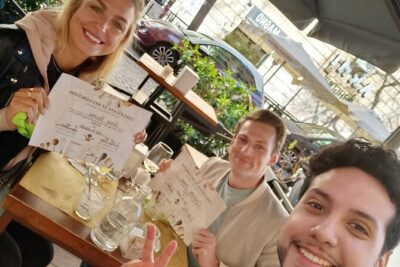
Also, the format tends to bring people together. Some comments mention small groups. Others mention groups that are larger. Either way, because you’re cooking and eating the same dishes, conversation naturally happens without forced icebreakers.
If you’re traveling solo, this is the kind of activity that can give you a social moment without the pressure of a walking tour crowd.
What you actually get for the $28 price
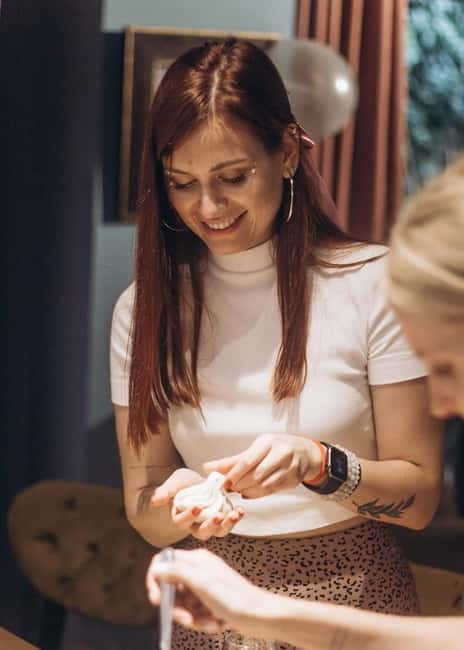
At $28 per person for a 2.5-hour experience, this is priced like a serious value meal, not a casual tasting.
Here’s the practical value breakdown:
- You’re included for two full dishes: khinkali and Imeretian khachapuri.
- You get an included spread: assorted local cheeses plus a Georgian tomato-cucumber salad with Kakheti aromatic oil.
- You receive Georgian homemade wine tasting.
- You take part in a structured class with chef instruction and then eat what you make.
What’s not included is also clear: additional wine or food a la carte. That’s normal for this kind of package, but it’s good to know so you don’t assume every extra glass is free.
If you’re the kind of traveler who hates paying for a “demo” where you do little more than watch, the hands-on emphasis here is the real selling point. And because you leave with recipes, you’re not only paying for dinner—you’re paying for a skill you can repeat.
Timing and pacing: a 2.5-hour feast that doesn’t drag

The session is about 2.5 hours, and that pacing fits the reality of cooking dumplings and cheese bread. You’ll move through:
- warm-up (cheese, salad, wine),
- then hands-on cooking for both dishes,
- then a communal meal to enjoy your results.
The pacing is important. Too short and you feel rushed. Too long and it turns into a waiting game. This format aims for that sweet spot where you’re busy enough to learn, but not so long that you lose energy.
Also, because there’s plenty of food beyond just what you cook, you’re not left hunting for calories afterward.
What to do next in Tbilisi after the class
Once you’re done, you’re well-fed and you have context. That’s when Tbilisi starts to feel easier to navigate through food.
A practical way to use what you learned:
- When you see khinkali on menus, you’ll know what you’re looking for in folding and texture.
- When you order khachapuri, you’ll pay attention to dough structure and cheese behavior instead of only the flavor.
Even if you don’t cook again at home, the technique awareness makes ordering in Georgia feel more meaningful, not random.
Who should book this cooking class
Book this if:
- You want two classic Georgian dishes without needing prior cooking experience.
- You’d like a structured, guided class where you can succeed.
- You want a social activity that also produces an actual meal.
- You like food culture stories tied to what you’re making.
Consider a different style of class if:
- You’re looking for a professional kitchen experience with full culinary independence.
- You want lots of free time for wandering inside a cooking setup rather than a timed, guided meal.
Should you book it?
Yes, if you want a smart value that combines hands-on cooking, Georgian wine tasting, and a real meal in one tidy 2.5-hour slot. The biggest strength is that you learn two dishes you’ll actually remember and that you can repeat later. And the meeting point is easy: Restaurant St. Bunny on the third floor of the Merani shopping center.
I’d especially recommend it for first-timers to Georgian food, and for anyone who wants an activity that feels authentic without being exhausting.
If you’re very sensitive to a guided pace and prefer total freedom, keep in mind that this is a restaurant-style, supervised experience rather than a kitchen lab.
FAQ
What dishes will I learn to cook?
You’ll make khinkali and Imeretian khachapuri.
Where does the class meet?
The meeting point is Restaurant St. Bunny, located on the third floor of the Merani shopping center. You can enter from Rustaveli Avenue or Alexander Griboyedov Street.
How long is the cooking class?
The experience lasts about 2.5 hours.
Is wine included?
Yes. There is an included tasting of Georgian homemade wine.
Where does the class take place?
The event is not held in the kitchen. It happens in the restaurant setting.
What’s included in the price?
Included are the cooking of khinkali and Imeretian khachapuri, a plate of local Georgian cheeses, salad with Georgian tomatoes and cucumbers with Kakheti aromatic oil, and Georgian homemade wine.
What’s not included?
Additional wine or food ordered a la carte is not included.
What languages are used by the instructor?
Instruction is available in Russian and English.
Can I cancel for a full refund?
Yes. You can cancel up to 24 hours in advance for a full refund.