REVIEW · FLORENCE
Florence: Highlights Cooking Class with Italian Pastas
Book on GetYourGuide →Operated by Chefactory in Tour srls · Bookable on GetYourGuide
Flour, eggs, and hands-on pasta. In this Florence class, you work with real chefs and 0 km ingredients, then finish with wine and a meal you made yourself. The catch is simple: transfers aren’t included, so plan on getting there by public transport or taxi.
I like that the cooking is not a show. It’s group work at well-equipped stations, and the end result is recipes you can recreate later. One more consideration: if you have severe gluten-related needs, this isn’t the safest choice.
In This Review
- Key things to know before you book
- Why This Florence Pasta Class Feels Like a Real Italian Kitchen
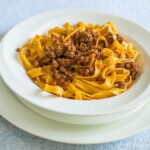
- AM vs PM: Ravioli, Fettuccine, Gnocchi, Ragù, and Panna Cotta
- AM class: classic Tuscan menu with dessert
- PM class: more sauces you can repeat with dry pasta
- What Hands-On Really Means Here (Not Just a Cookie-Cutter Demo)
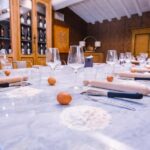
- The Kitchen Setup: Clean Stations and a 1700s Dining Room Finish
- What You’ll Make, Step by Step (and Why It Sticks)
- Tastings with Matching Wine: The Meal Part Is Built In
- Price and Value: Is €68 or €72 Worth It?
- Logistics in Florence: Meeting Point, Timing, and Getting There
- Who Should Book This Pasta Class (and Who Should Skip It)
- Vegetarian option
- Gluten and celiac limits
- Mobility and wheelchairs
- Quick Tips to Get the Most Out of Your 3 Hours
- Should You Book This Florence Pasta Class?
- FAQ
- What is the duration of the Florence pasta cooking class?
- How much does the class cost?
- When does the AM class run?
- Is the class a hands-on cooking experience?
- What will I cook in the AM class?
- Are hotel pickup and drop-off included?
- Can people with celiac disease or gluten intolerance join?
Key things to know before you book
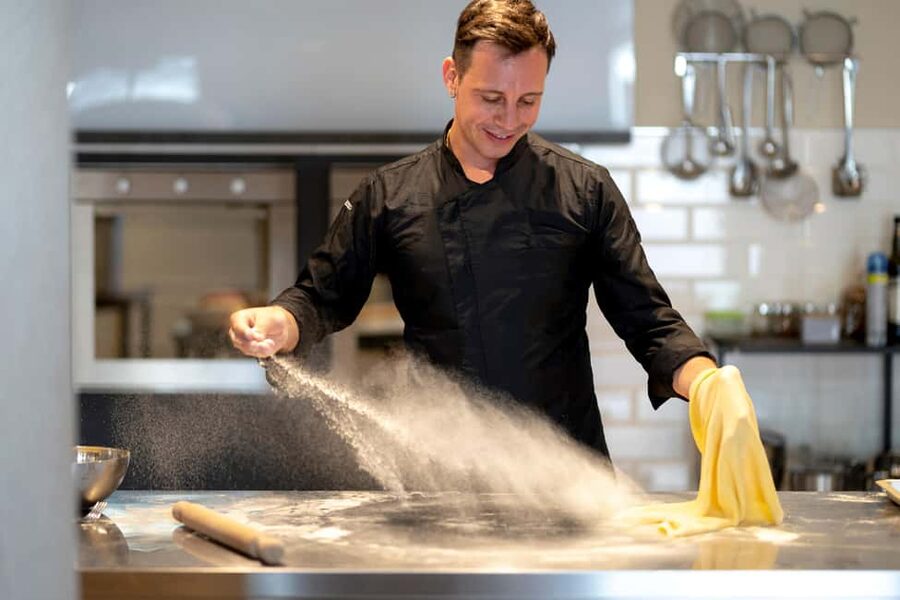
- Hands-on group cooking: you mix, shape, and assemble, not just watch
- Two menu styles (AM and PM): different pasta + sauce focus depending on the session
- 1700s dining room setting: you taste seated in a large historic space
- Wine included with tastings: matching red and white, plus natural water
- Language support: Italian, English, Spanish, German (Spanish/German depends on availability)
Why This Florence Pasta Class Feels Like a Real Italian Kitchen
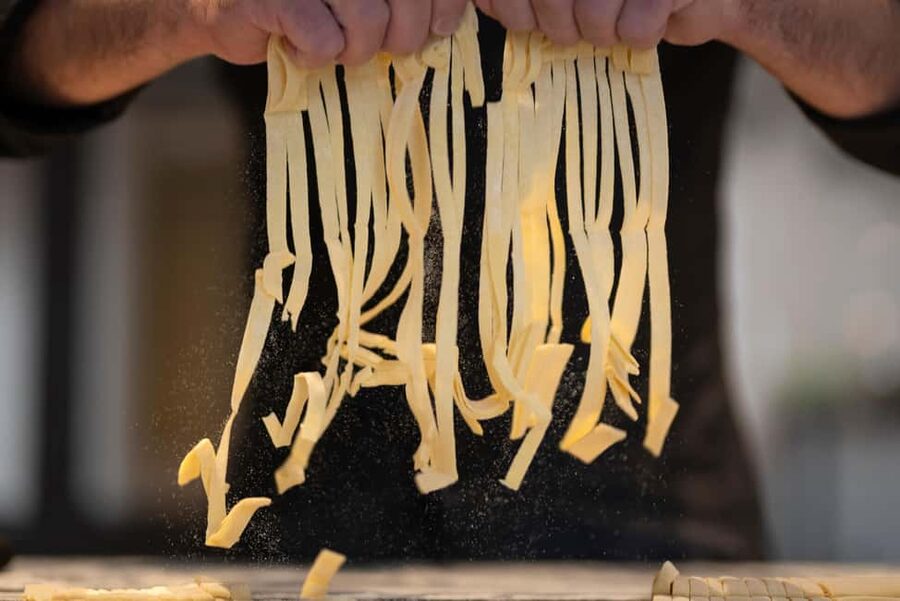
Florence is packed with food experiences, but this one stands out for the way it runs. You’re not hovering at the edge of a demo. You’re in the kitchen with the staff guiding your hands, so the session turns into something closer to family cooking than a classroom performance.
I especially like the structure. You get a clear path through pasta dough, sauces, and dessert, and the staff stay with you at the stations. That matters because pasta is one of those things where small technique changes can make a big difference.
Another strong plus is the ingredient approach. You work with high-quality raw materials and 0 km products, so it doesn’t feel like a made-for-tour ingredient grab bag. It’s built around what you can realistically taste and learn.
The main drawback is logistical rather than culinary. Transfers are not included. The class is in central Florence and well connected by public transport, which helps, but you’ll still need to handle the door-to-door part yourself.
You can also read our reviews of more tours and experiences in Florence.
AM vs PM: Ravioli, Fettuccine, Gnocchi, Ragù, and Panna Cotta
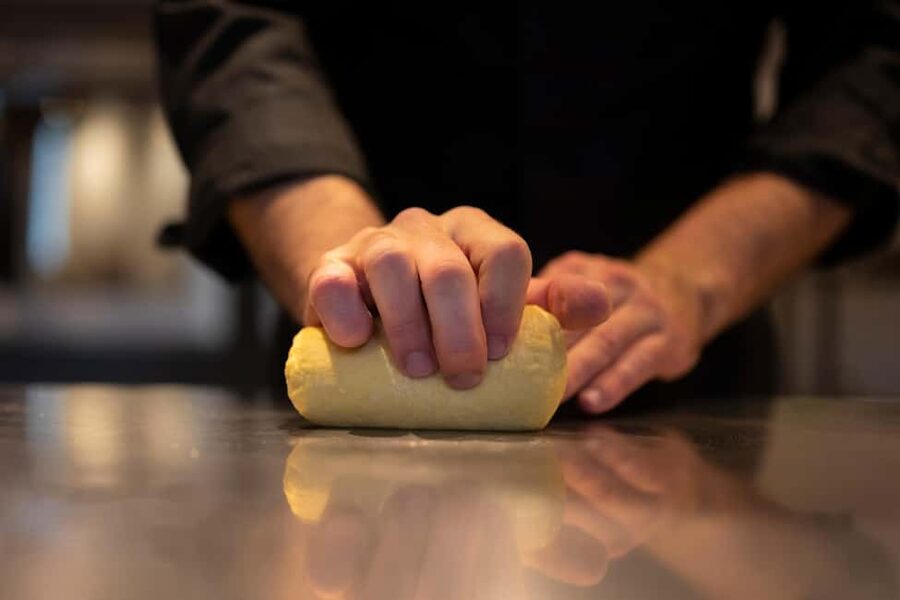
This class runs in two flavors, and it’s worth choosing the one that matches what you want to take home.
AM class: classic Tuscan menu with dessert
The AM session runs Tuesday, Thursday, and Saturday at 10:45 a.m. It’s designed around a full classic set:
- ravioli
- fettuccine
- gnocchi
- Tuscan ragù
- seasonal vegetable sauces
- traditional panna cotta for dessert
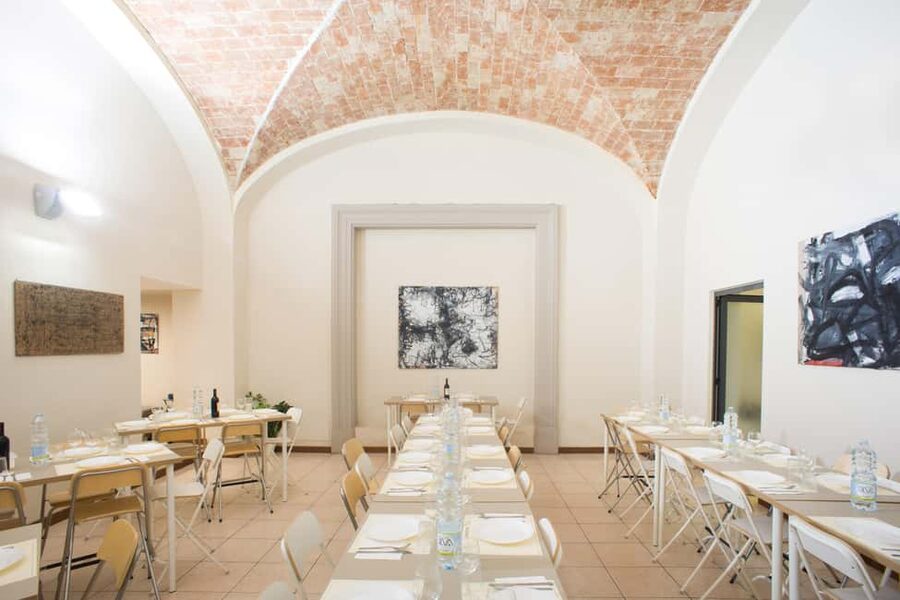
From there, the class turns into technique plus tasting. You prepare what you’ll eat, and the final meal is not just an afterthought. The wine pairing is built into the experience, and you sit down in a spacious room dating back to the 1700s.
If you’re the kind of person who wants a complete, rounded Florence food memory, the AM menu is the most straightforward choice.
PM class: more sauces you can repeat with dry pasta
The PM format also includes different types of pasta, but it leans harder into sauce variety. You’ll make multiple sauces that you can use at home with dry pasta.
That means the PM session can feel more practical if your future cooking life looks like this: buy good dried pasta, then make sauce from scratch. It’s also a good choice if you want more ways to customize meals after the trip without starting from zero every time.
One detail to keep in mind: you still get the structured tasting experience with matching wine, but the PM focus is sauce-making and repeatability.
What Hands-On Really Means Here (Not Just a Cookie-Cutter Demo)
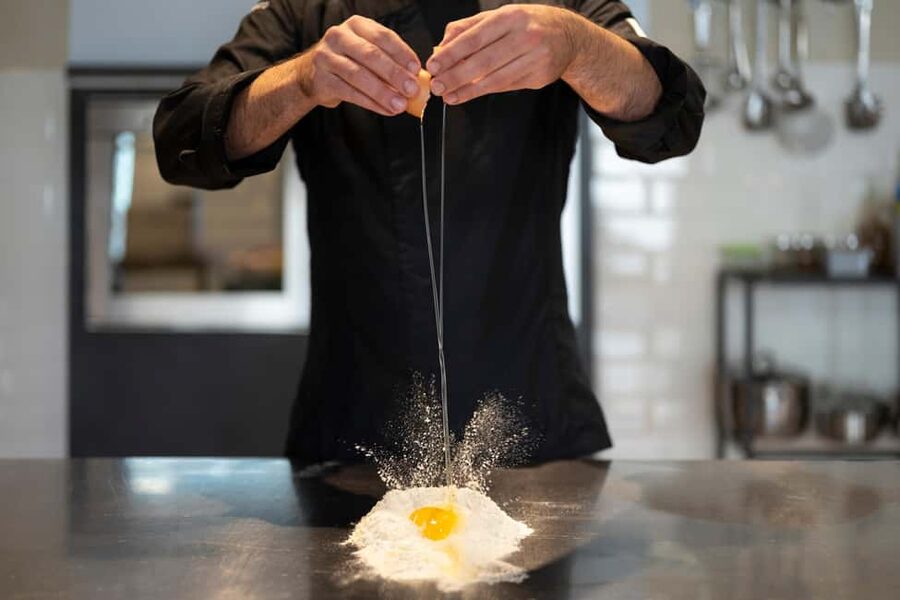
The promise that the class is hands-on is the difference between liking it and loving it.
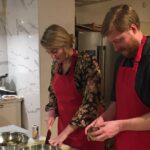
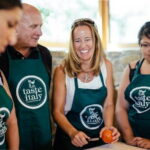
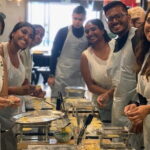
Here, the basic group classes are HAND’S ON. You’re not waiting for someone to call your name to passively watch flour fly. Staff follow you at all times, and the kitchens are fully equipped, which keeps things moving.
The group style also matters. Cooking pasta together forces you to coordinate—rolling, shaping, portioning, and timing. That can feel surprisingly social, especially if you’re traveling solo or with a friend and want a shared activity that actually creates a result.
You should come ready to do the work. Even if you’ve cooked before, pasta needs attention. Wear comfortable clothing suitable for cooking, because you’ll be at a work station for the full three hours.
- Cooking Class and Lunch at a Tuscan Farmhouse with Local Market Tour from Florence
★ 5.0 · 4,831 reviews
The Kitchen Setup: Clean Stations and a 1700s Dining Room Finish
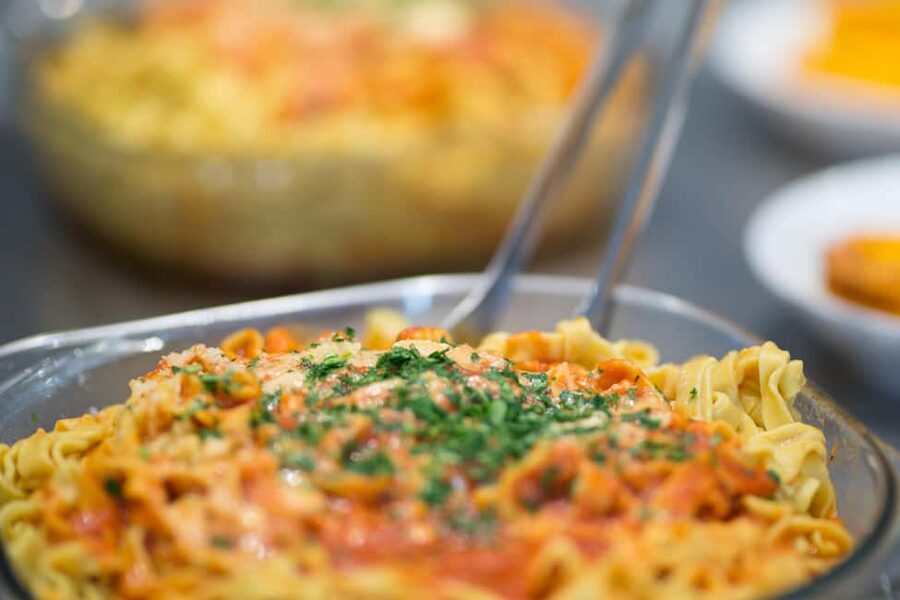
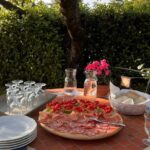
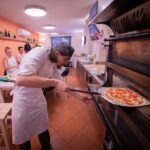
You’re not crammed into a tiny corner kitchen. The class uses spacious, well-organized spaces and a large dining room that dates back to the 1700s for the tasting.
That setting changes the tone of the class. Cooking feels practical and hands-on during prep, then tasting feels like a proper meal, seated and paced. It’s a nice balance for people who want both technique and comfort.
And because the kitchen is well set up, you’re not fighting for tools or ingredients. That sounds minor, but in a cooking class it affects everything: your confidence, your pace, and how much time you spend actually learning.
Cleanliness and organization are part of the value here. It’s easier to focus when your station is ready and the process is orderly.
What You’ll Make, Step by Step (and Why It Sticks)
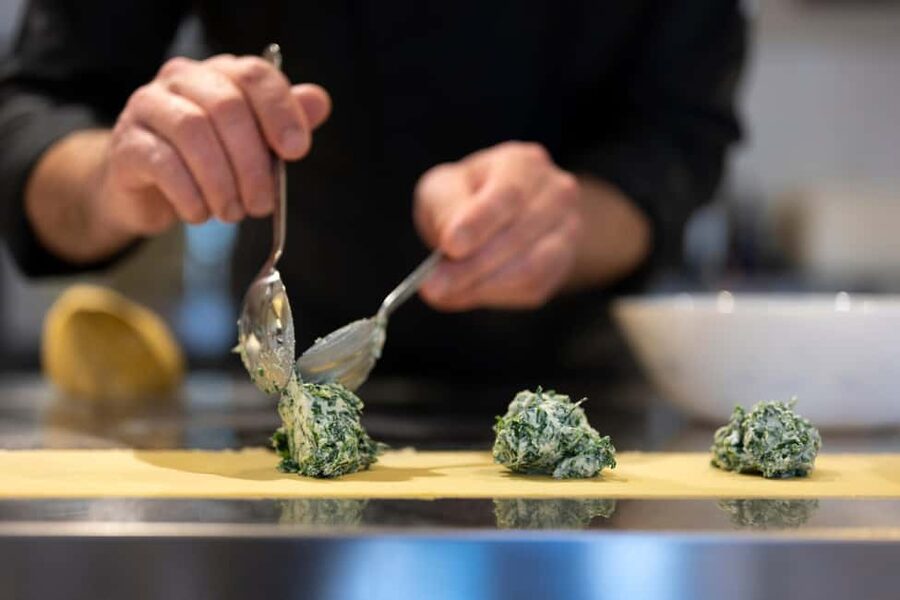
The exact pasta and sauce list varies by AM or PM, but the learning structure stays consistent.
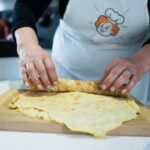
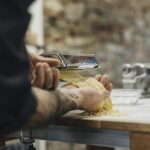
You start with core pasta building blocks: flour, eggs, and the physical process of making dough. Then you move into shaping specific pasta forms and finishing them so they’re ready for the tasting meal. The sauces follow, including Tuscan ragù and seasonal vegetable sauces in the AM session, plus extra sauce options in the PM session.
There’s one more learning benefit that’s easy to miss: you don’t just eat. You learn the why behind the results. Once you’ve made fresh pasta and experienced how sauce clings and coats, you understand how to recreate the same idea later.
At the end, you receive a recipe booklet in your own language. That’s huge for recall. Pasta techniques can get fuzzy the moment you’re back home, and having the steps in a format you can read comfortably makes it realistic to cook again.
Tastings with Matching Wine: The Meal Part Is Built In
One of the best parts of this class is that the tasting is included and doesn’t feel rushed. You sit down and taste what you prepared, accompanied by selected wine—red and white—plus natural water.
This isn’t just extra flavor. It’s also a cue for what quality looks like. When the wine is paired as part of the session, you learn how the meal hangs together, not just how individual dishes taste on their own.
Keep your expectations realistic: you’ll be eating what you make. Some people prefer to save leftovers, but there’s no clear option for taking food away in the way a restaurant might. If you’re hoping to bring home a doggy bag, don’t count on it.
Price and Value: Is €68 or €72 Worth It?
The cost depends on the session:
- AM class: €68 per person
- PM class: €72 per person
That pricing works best when you think of it as paying for the full package:
- guided hands-on instruction
- high-quality ingredients (including 0 km products)
- a seated tasting meal
- wine pairing (red and white) plus natural water
- a recipe booklet in your language
If you compare it to the cost of buying ingredients plus taking time for a course, it usually pencils out better than piecing together cooking lessons one-off. The wine and the meal are part of the included experience, not an add-on after the class ends.
Two value checks you should do before booking:
- You’ll pay for transport to the meeting point because transfers aren’t included.
- This is not a gluten-safe option for people with severe celiac needs or gluten intolerance.
For the right traveler, the class feels like paying once and leaving with real skills and real recipes.
Logistics in Florence: Meeting Point, Timing, and Getting There
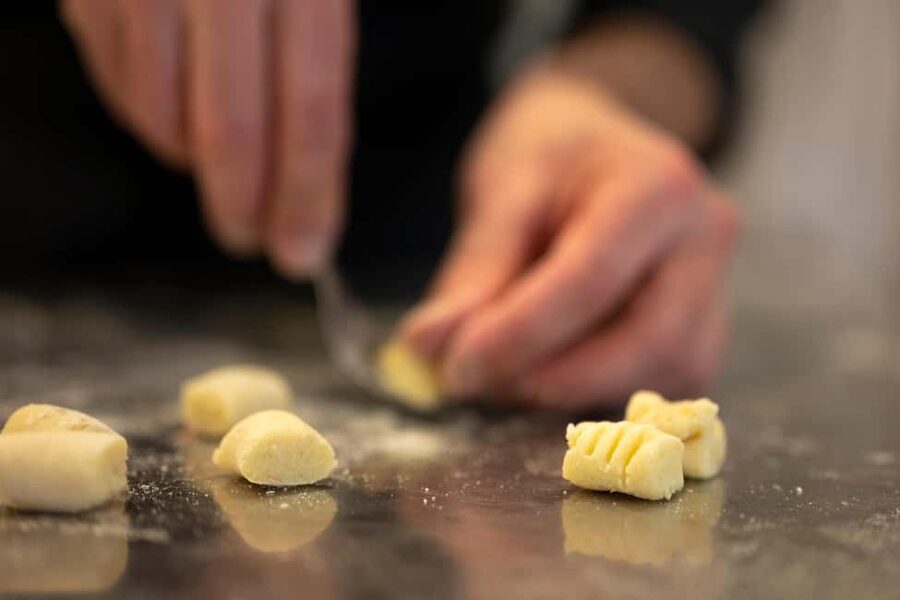
The class is in the center of Florence and is well connected by public transport, which helps a lot if you don’t want to rely on a hotel pickup.
Meeting point tip: look for the house numbers in red, and you’ll see a large orange C on the main window with the brand name. Arrive about 10 minutes early. That cushion helps you get oriented without stress.
As for timing, you can treat it as a three-hour block. The AM session starts at 10:45 a.m. on Tuesday, Thursday, and Saturday. PM sessions start at times shown when you check availability, since those aren’t fixed in the details provided.
Dress smart: comfy clothes for cooking. Think sleeves you don’t mind getting a little floury, and shoes that handle kitchen floors and movement.
Language support is also practical. Staff speak Italian, English, Spanish, and German. If you’re hoping for Spanish or German, the class language may depend on chef availability, so don’t assume it’s guaranteed every day.
Who Should Book This Pasta Class (and Who Should Skip It)
This experience fits best if you want:
- hands-on pasta skills you can repeat later
- a fun group activity that produces an actual meal
- a guided approach with staff staying with you at the stations
- recipes delivered in your own language
It’s also a strong pick if you’re a couple or small group, because the cooking and tasting naturally create shared momentum. In the room, you can also find a calm, organized feel rather than chaos, which makes a difference if you get overwhelmed in noisy tours.
Vegetarian option
A vegetarian option is available, so you can still get the full class format with plant-forward adjustments.
Gluten and celiac limits
This matters a lot:
- people with gluten intolerance are not suitable
- severe and contact celiac disease cannot participate due to probable contamination
If gluten safety is a top priority, you’ll want a different type of class designed specifically for your needs.
Mobility and wheelchairs
Wheelchair users are not suitable, and electric wheelchairs are not allowed. If mobility access is part of your planning, skip this one and look for an explicitly accessible cooking workshop.
Quick Tips to Get the Most Out of Your 3 Hours
A cooking class moves fast because it has to. You’ll enjoy it more if you go in with the right mindset.
- Eat before you arrive. The tasting is included, and you’ll be cooking while hungry stomachs can make technique harder.
- Show up on time. Arrive 10 minutes early so you can settle and start without delays.
- Plan for a hands-on experience. Comfortable clothing matters because you’ll be working dough and sauce.
- If you care about language, check availability. Italian and English are more straightforward; Spanish and German depend on chef availability.
Should You Book This Florence Pasta Class?
I’d book it if you want a classic Florentine food experience that’s practical, social, and rooted in real technique. The hands-on format, the seated tasting in a 1700s dining room, the recipe booklet, and the wine pairing are the core reasons it feels like good value rather than just another activity.
I wouldn’t book it if you need a gluten-safe environment, if you require wheelchair access, or if you rely on hotel transfers to get around. Transfers aren’t included, so factor in the cost and time of getting yourself there.
If you’re choosing between AM and PM, pick AM for a full set featuring Tuscan ragù and panna cotta, and pick PM if your priority is sauce variety you can recreate with dry pasta back home.
In the end, this is a cooking class that actually teaches. You leave with more than photos. You leave with dough skills, sauce ideas, and a menu you can reproduce without guessing.
FAQ
What is the duration of the Florence pasta cooking class?
It lasts 3 hours.
How much does the class cost?
The AM class is €68 per person, and the PM class is €72 per person.
When does the AM class run?
The AM class is held on Tuesdays, Thursdays, and Saturdays at 10:45 a.m.
Is the class a hands-on cooking experience?
Yes. The basic group classes are hands-on rather than demonstrative, and professional staff follow you at all times.
What will I cook in the AM class?
In the AM class you prepare pasta and sauces such as ravioli, fettuccine, gnocchi, Tuscan ragù, seasonal vegetable sauces, and a traditional panna cotta dessert.
Are hotel pickup and drop-off included?
No. Hotel pickup and drop-off are not included.
Can people with celiac disease or gluten intolerance join?
Severe and contact celiac disease cannot participate due to probable contamination. People with gluten intolerance are not suitable for the event.
You Might Also Enjoy
More Tour Reviews in Florence
- Cooking Class and Lunch at a Tuscan Farmhouse with Local Market Tour from Florence
★ 5.0 · 4,831 reviews