REVIEW · PADUA
Small Group Market tour and Cooking class in Padua
Book on Viator →Operated by Cesarine: Cooking Class · Bookable on Viator
Padua’s food market turns into dinner you make. This market tour + cooking class combo in Padua packs a lot into about five hours, and it stays relaxed thanks to a maximum of 12 people. You’ll shop for seasonal ingredients, cook in an Italian home kitchen, and finish by eating what you make.
I especially like the mix of shopping skills and real technique. The day is built around making fresh pasta and tiramisu, and the payoff is that you get to taste your own dishes at the end. One thing to plan for: meeting points and home addresses can be a little tricky, and English support can vary by host, so it helps to be ready with your phone translation app if needed.
In This Review
- Key highlights to look for
- Why this Padua market-and-cooking format works
- The five-hour flow: from meeting point to homemade dinner
- Meet-up and market time
- Travel to the home kitchen
- Cooking, eating, and the finish
- What you’ll cook: pasta and tiramisu, the Italian-home way
- Fresh pasta steps you’ll actually perform
- Tiramisu you can taste right away
- The market stops that teach you how to shop in Padua
- English support and communication: what to expect
- Small-group reality: good for learning, not crowded
- A note on home kitchens and locations (and why it matters)
- Value check: what $179.24 buys you
- Who should book this Padua cooking class
- Should you book this market-and-cooking day?
- FAQ
- How long is the market tour and cooking class in Padua?
- Is this a small group?
- What language is the experience offered in?
- What do we cook and eat?
- Do I get a mobile ticket?
- Where do we meet, and where does it end?
Key highlights to look for
- Market shopping that actually feeds your lesson, using seasonal ingredients you can recognize and buy.
- Hands-on pasta making in a home kitchen, not just watching from the sidelines.
- Tiramisu at the table, so you’re tasting the end result, not taking it home in a box.
- Small group (up to 12), which makes it easier to ask questions while you cook.
- Cesarine-style hosting in a private home, with a warm, family-meal feel (not a big class).
- English offered, with communication that may depend on the host’s comfort level.
Why this Padua market-and-cooking format works
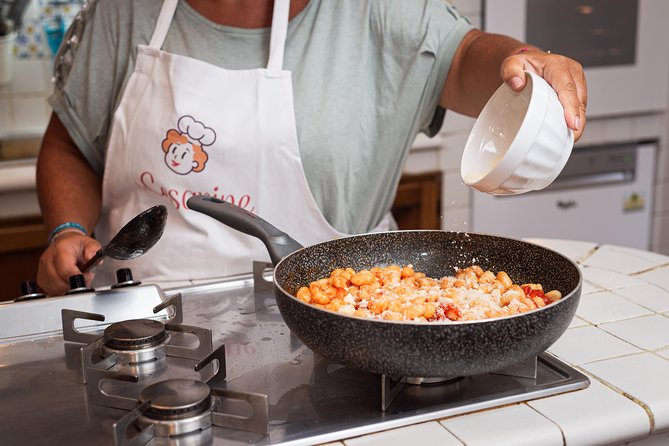
This kind of experience is popular for a reason: it ties taste to place. First you walk through the market world—produce, cheese, cured meats—and you start to understand what makes Italian cooking feel simple but not plain. Then you go from shopping mode to apron mode, using those same ingredients right away.
The second reason it works is pacing. In a larger group, you often spend the whole time waiting your turn. Here, the class is capped at 12 people, so you’re more likely to get help when you need it—whether that’s kneading, portioning, or troubleshooting dough.
And it’s not just about the recipe. You’re also learning how people think about food: what pairs with what, what matters in technique, and how a meal hangs together from starter to dessert. In a lot of cases, the process starts with appetizers—things like cicchetti/cichetti (Venetian-style small plates)—before you move into pasta and tiramisu.
One more practical plus: since it’s a cooking class in an Italian home, the day feels closer to how locals actually eat. You’re not chasing a checklist of tourist sights. You’re building a meal with someone who cooks that way every day.
You can also read our reviews of more tours and experiences in Padua.
The five-hour flow: from meeting point to homemade dinner
The experience is listed at about 5 hours, and it starts in Padua and ends back at the same meeting area. It’s also described as being near public transportation, so you’re not locked into a car service just to show up.
Meet-up and market time
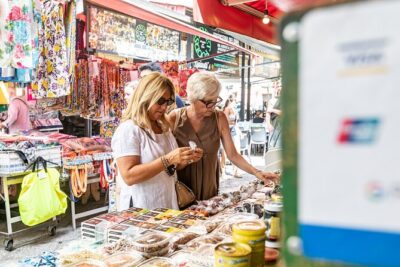
In practice, the meet-up often happens near central Padua areas such as Piazza Erbe. From there, the host typically leads you through the market—both outdoor stalls and indoor sections—so you can see the range of ingredients. Expect time to look, ask, and choose what will end up in your cooking.
This part matters because it teaches you what to look for. You learn how to spot quality in everyday items like pasta ingredients, herbs, cheese, and cured meats. You also get context for what you’re buying, including how regional Italian food differences show up in the ingredients and the dishes.
Travel to the home kitchen
After the market, you move to the host’s home for the lesson. This is where you should pay attention to timing and directions. The experience is set up so you’re taken from the meeting point to a private home, and the address may be handled differently for privacy reasons, which is why it can feel confusing if you arrive late or misunderstand the location details.
Cooking, eating, and the finish
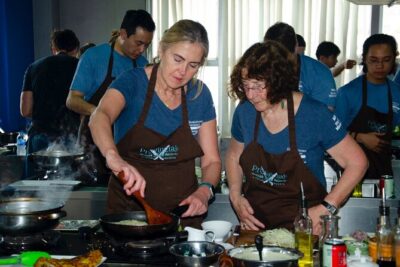
Once you’re in, the lesson moves into hands-on cooking. You’ll make pasta using seasonal ingredients, then shift into tiramisu. A big part of the experience is that the cooking doesn’t happen in a vacuum—the meal becomes a shared dinner with what you prepared.
You’ll also likely eat more than just the two-course “main + dessert.” Some hosts include an appetizer spread, and some mornings start with a drink such as local wine or coffee. (The exact order and extras can vary by host and season.)
What you’ll cook: pasta and tiramisu, the Italian-home way
The menu is simple on paper: pasta for the main and tiramisu for dessert. In real life, the steps are where the value is. You’re learning how the dough should feel, how to handle shaping, and how to get the dessert texture right.
Fresh pasta steps you’ll actually perform
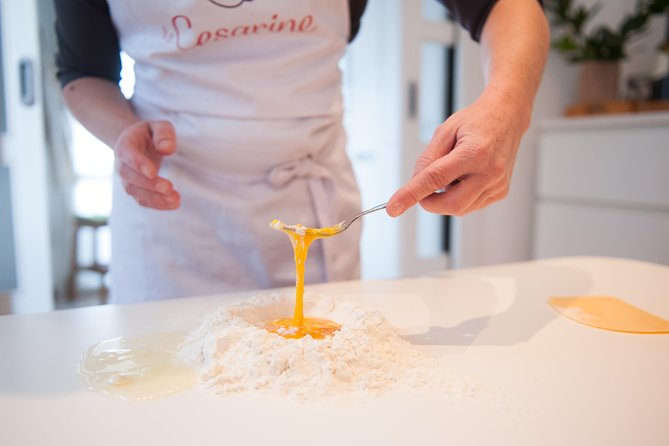
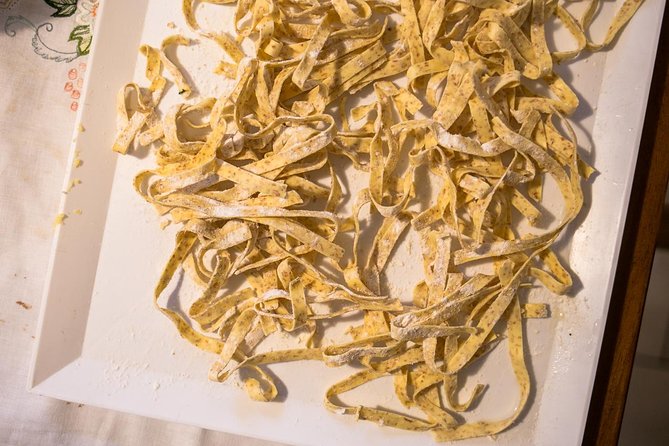
You should expect to work with dough—mixing, kneading, and forming the pasta. Some hosts make shapes such as bigoli (a traditional Venetian-style pasta), which can be a great way to feel how local technique differs from what many people see in Italian cooking on TV.
The teaching style tends to be practical:
- You learn the reason behind a step, not just the step itself.
- You get guidance during kneading and shaping, so you don’t feel lost.
- You can see how small changes affect texture and results.
Also, because you’ve already shopped for ingredients at the market, the pasta doesn’t feel like a generic cooking class. It feels like a meal built from real food choices you helped make.
Tiramisu you can taste right away
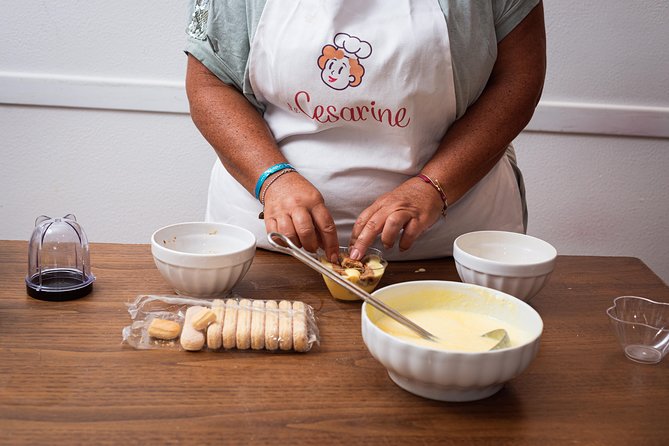
Tiramisu is the other centerpiece. Since it’s usually assembled and served during the session, you’re not waiting days to find out if it worked. The lesson typically covers how to assemble properly so the dessert sets the way it should.
And yes, tiramisu is one of those dishes where technique matters—how the layers are built, and how you handle timing. Getting it right in a real kitchen with a host guiding you is a big reason this class is worth it, even if you’ve made tiramisu before.
The market stops that teach you how to shop in Padua
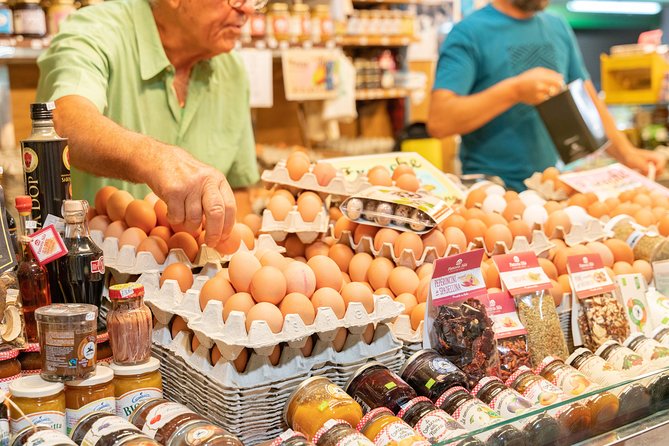
A lot of people love cooking classes, but the market part is what gives the day staying power. It’s the place where you pick up the “why” behind Italian cooking.
In Padua’s market environment, you’re usually exposed to:
- Produce you can recognize and match to what season is doing.
- Cheese and cured meats that show up in local appetizers.
- Ingredient combinations that make pasta dinners taste richer than they look.
The host often adds context while you walk—talking about buildings around market squares and how food connects to local life. That doesn’t turn the day into a history lecture. It’s more like you’re learning how Italians see their own city through food.
One practical tip: if you want to keep buying like a local after the class, pay attention while you’re tasting and selecting items. Ask what each ingredient is used for. Then, if you want to recreate the meal later, you’ll know what to buy and what to skip.
English support and communication: what to expect
The experience is offered in English. That said, English comfort can vary by host. In the best-case scenario, the explanation is clear and you can follow along easily.
If you’re worried about communication, you’ll feel better if you show up with:
- Your phone charged
- A translation app ready
- A willingness to use short sentences and gestures when needed
It’s also smart to confirm the meet-up point details close to the day. One common pitfall with home-based tours is a mismatch between what you think the address is and what the host expects. If you’re arriving from a busy day elsewhere in Padua, give yourself a little buffer time.
Small-group reality: good for learning, not crowded
A maximum of 12 travelers is a sweet spot for cooking. You get a group vibe, but you’re not stuck watching for long stretches. In a class this size, it’s easier to:
- Gather around key work areas
- Get quick corrections from the host
- Keep the pace moving without anyone being left behind
You’ll also notice the home-kitchen setup shapes the experience. Home kitchens can be smaller than commercial classrooms. That can mean there’s less space at the work surface, so you might rotate tasks or take turns depending on how the host runs the session.
If you prefer plenty of personal space while cooking, it’s worth keeping that in mind. The payoff is still big because you’re cooking with real attention from the host rather than cooking around a crowd.
A note on home kitchens and locations (and why it matters)
This experience is held in an Italian home. That’s part of the charm, but it also means you should plan for the logistics to be more human than corporate.
Here are the practical realities to expect:
- The address may not be shared in full until after booking (privacy is part of the setup).
- The meeting point on the day is the key anchor.
- From the home, getting back to your hotel may involve taxi or local transport that isn’t right on the doorstep.
The upside is the atmosphere. Many hosts treat the meal like a shared dinner, and it can feel like you’re joining a family table rather than stepping into a classroom. Hosts like Catia are often praised for being warm, organized, and generous, and she’s known for walking people through the market and then teaching pasta and tiramisu in her home.
The downside is that if the meet-up time slips or the directions aren’t clear, you lose the market window fast. The market timing matters because shops and stalls aren’t open forever.
Value check: what $179.24 buys you
At $179.24 per person, this is not a bargain cooking class. It’s priced more like a premium local experience—because you’re paying for:
- Market time with a host
- Hands-on teaching in a private home
- Ingredients used during the session
- A meal that includes what you cook (and often more than just pasta and dessert)
The value comes through if you want both pieces of the day. If you’re only interested in cooking and not shopping, you might prefer a straightforward cooking session. But if you want the “buy it, cook it, eat it” rhythm, this format tends to justify the cost.
Also, you’re getting a small-group cap of 12. That matters because it often reduces time lost to waiting and increases the chance you’ll learn technique you can repeat later.
Who should book this Padua cooking class
This experience is best for you if:
- You want an authentic Padua food day, not a scripted tourist stop list
- You enjoy learning practical cooking technique
- You like meeting locals through food rather than through museums
- You’re comfortable in a small, shared kitchen environment
It may be less ideal if:
- You hate the idea of finding a private home through directions
- You need lots of structured English interpretation with minimal uncertainty
- You’re arriving late or exhausted and can’t handle a little walking between points
Should you book this market-and-cooking day?
Book it if you want a memorable food-focused afternoon in Padua that teaches real technique, not just a meal. The market-to-home flow is the big draw, and the small-group size makes it easier to get help while you cook. If you’re excited by pasta-making and tiramisu, this is a strong match.
Skip it or go in with extra caution if you’re very sensitive to meeting-point confusion or you know you’ll struggle with navigation. To keep stress low, double-check the meet-up details the day of, build in buffer time, and bring a translation app just in case the host’s English runs more limited.
If you get the timing right, this is the kind of experience that leaves you with more than photos. You’ll leave with the feel of the food—how it starts at the market and ends on your plate.
FAQ
How long is the market tour and cooking class in Padua?
The experience runs for about 5 hours.
Is this a small group?
Yes. The group size is limited to a maximum of 12 travelers.
What language is the experience offered in?
The experience is offered in English.
What do we cook and eat?
You’ll make a pasta dish using seasonal ingredients and you’ll also make and eat tiramisu.
Do I get a mobile ticket?
Yes, the experience includes a mobile ticket.
Where do we meet, and where does it end?
It starts in Padua, Province of Padua, Italy, and ends back at the meeting point. The meeting point is described as being near public transportation.