REVIEW · VALPARAISO
Valparaiso: Chilean Cooking Class with Fresh Market visit
Book on GetYourGuide →Operated by BERCOVICH TRAVELS · Bookable on GetYourGuide
Cooking Chilean food in a real kitchen beats watching from the sidelines. This 5-hour Valparaiso class mixes a market stop with a chef-led lesson so you go from ingredients to dinner on the same day.
I especially like the market-first approach. You shop for what actually ends up on your cutting board, including produce like tomato, onion, and cilantro (plus optional chives/ciboulette-style). I also love that the class is hands-on all the way through: you’ll knead and assemble empanadas, make pebre, and then build your own menu by choosing five traditional dishes.
One consideration: this experience is not suitable for vegans, vegetarians, or people with food allergies. If you’re sensitive to ingredients, you’ll need to plan carefully before booking.
In This Review
- Key takeaways
- Why this Valparaiso cooking class feels practical, not performative
- Market time in the Valparaiso area: shopping with purpose
- From pebre to oven empanadas: learning techniques you’ll reuse
- Choosing your five Chilean dishes: how to build a menu you’ll actually enjoy
- Charquicán (with or without meat)
- Cazuela (with chicken or meat)
- Pastel de Choclo (corn pie when in season)
- Cancato (butterfish or salmon)
- Ceviche
- The best part: sitting down to eat what you cooked
- Dietary reality check: what you can and can’t count on
- Bilingual chef time: why language support changes everything
- Price and value: is $190 worth it?
- Tips to get the most out of your class
- Should you book this Chilean cooking class in Valparaiso?
- FAQ
- How long is the cooking class in Valparaiso?
- What’s included in the price?
- Do I get to choose which dishes I cook?
- Is this class vegetarian or vegan-friendly?
- What will I drink at the end?
- Is outside food allowed?
Key takeaways
- Market visit sets up your cooking: you buy the fresh ingredients you’ll use right after.
- You make pebre from scratch during the first stretch of the class.
- Oven empanadas are a core skill with classic fillings like Pino (meat) or cheese.
- You choose five dishes from well-known Chilean options for a menu that fits your tastes.
- Ends with wine and/or a Pisco Sour so you can eat what you cooked at a proper sit-down moment.
- Bilingual support means English and Spanish are covered by the chef/host team.
Why this Valparaiso cooking class feels practical, not performative
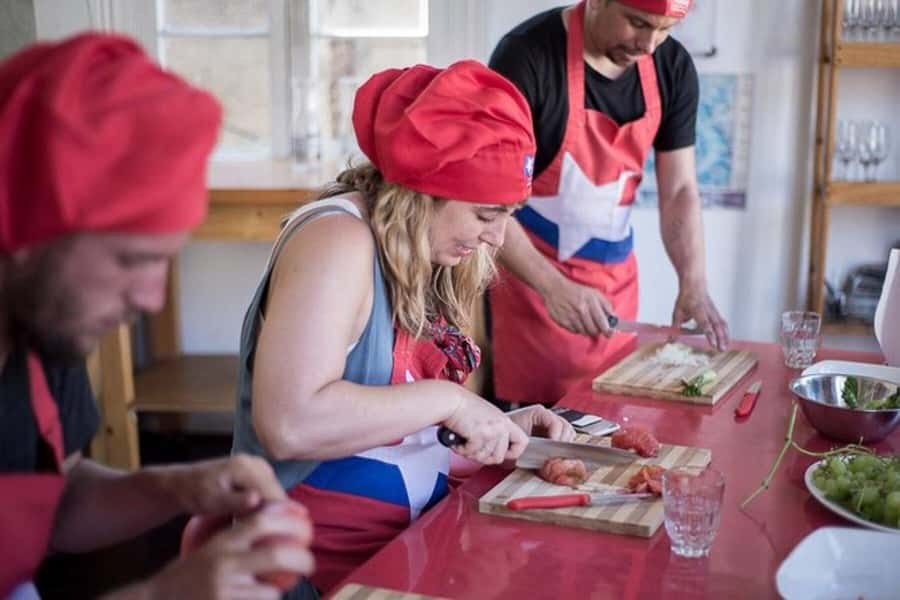
Cooking classes can turn into ticketed theater: stand aside, watch the chef, clap politely, leave hungry. This one doesn’t do that. You’re working with fresh ingredients early, then you keep moving—prep, assemble, cook, and finally eat. The format makes the time feel earned.
You’re also getting a strong slice of Chilean home-style flavors without guessing. Chilean cuisine is personal and regional, but the dishes here are the common “you should know this” classics—pebre, empanadas, charquicán, cazuela, and seafood options like ceviche and cancato. If you’ve ever struggled to identify what you’re tasting in Chile, this class helps you connect the flavors to the techniques.
And yes, it’s a fun day. One of the best parts is that after the kitchen work, you’re set up to enjoy the food somewhere pleasant—think an outdoor deck moment—rather than getting rushed out immediately.
Market time in the Valparaiso area: shopping with purpose
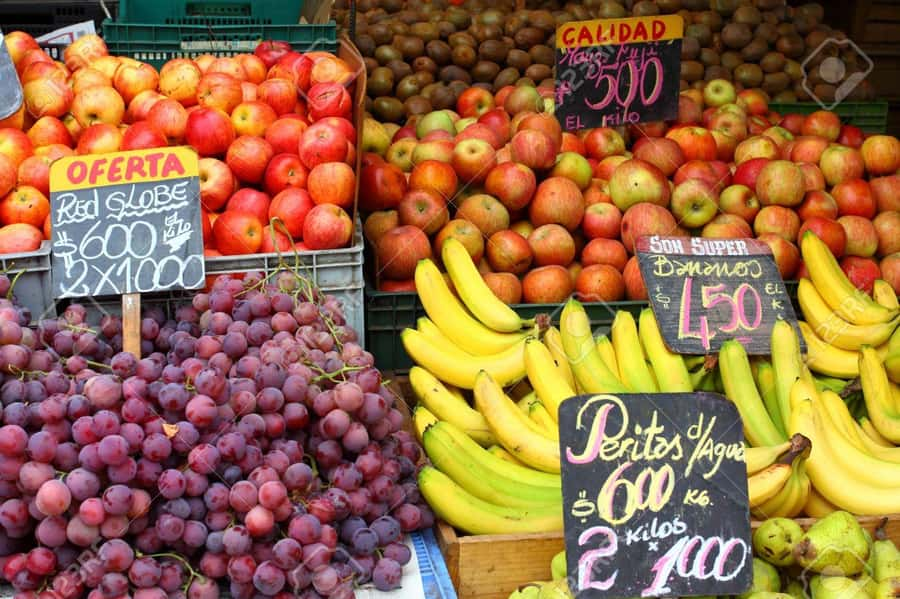
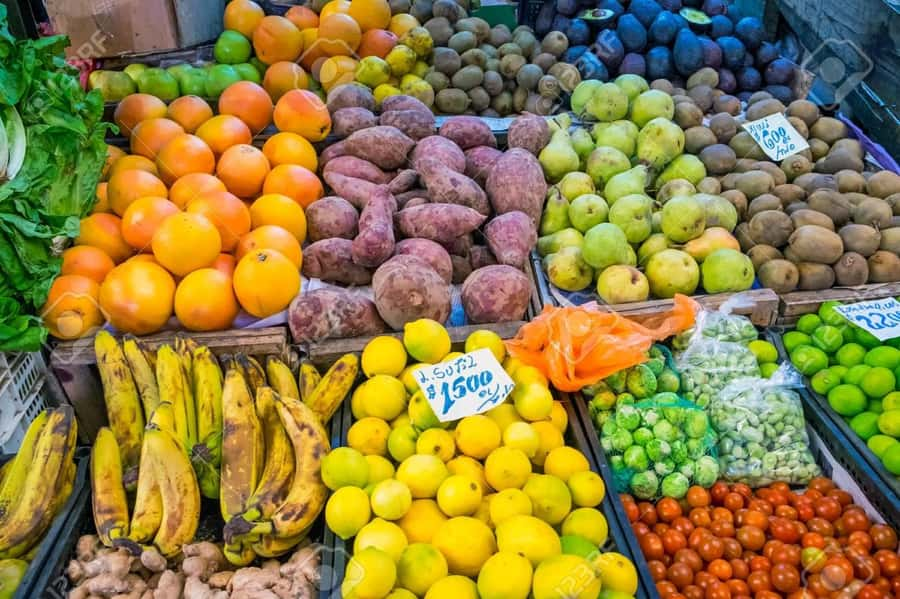
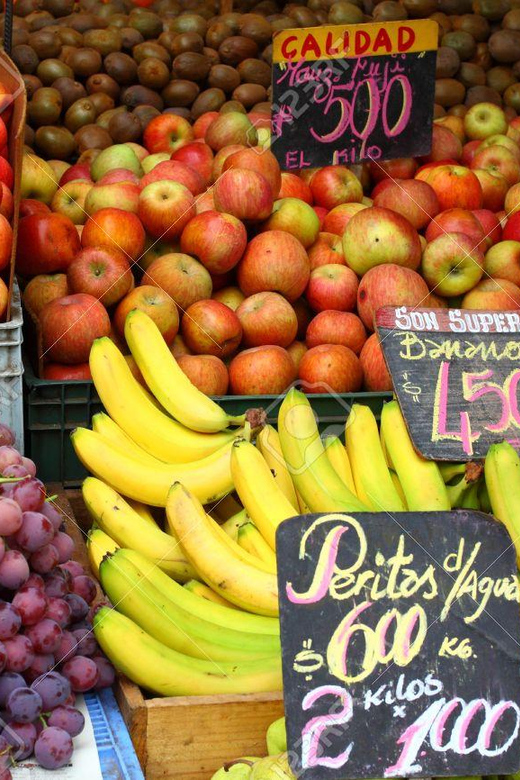
The class starts with a market visit and a short ingredient lesson. In the first half hour, you work with vegetables you pick up from the market—tomato, onion, and cilantro are specifically mentioned, and you may also see options like chives/ciboulette-style depending on what’s available.
That matters more than it sounds. Market shopping in Chile isn’t just about grabbing pretty produce. The market buys into flavor basics:
- Tomato and onion bring sweetness and sharpness.
- Cilantro (or chives) adds that green, punchy aroma Chileans use all over their cooking.
- Freshness helps pebre taste alive instead of muted.
You also learn the thinking behind ingredient choices. For example, your pebre isn’t something you make from a jar. It’s a fresh mix that you’ll later serve alongside your meal. It’s the kind of small detail that makes the whole day feel more “real” and less like a scripted demo.
If seafood is part of your menu, this market component can be especially interesting—one participant specifically mentioned picking up freshly caught and filleted fish during the visit. That’s a big difference from relying on pre-packaged ingredients.
Practical tip: wear comfortable shoes. Market time + kitchen time means standing, walking, and moving at a normal travel pace.
From pebre to oven empanadas: learning techniques you’ll reuse
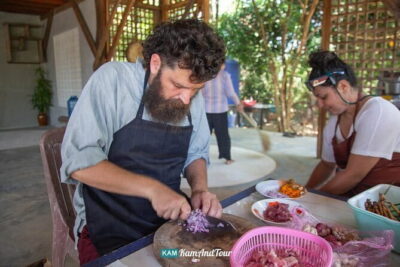
After the market, you jump into prep right away. First up is pebre: you’ll work with your fresh vegetables and put the sauce together as part of the early workflow. Peเบre is one of those Chilean staples that shows up across meals, and making it hands-on teaches you the balance—how the ingredients smell and taste together before they ever reach a plate.
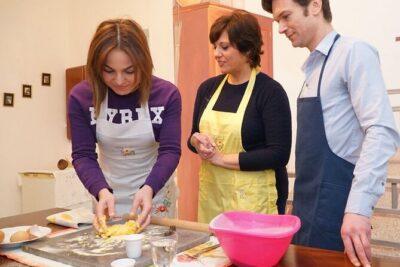
Then it’s time for empanadas. You’ll knead dough and build oven empanadas, which is a satisfying skill because you can see the transformation from raw to ready-to-bake.
You get choices here:
- Classic empanada fillings are Pino (meat) or cheese.
- If empanadas aren’t a fit for you, you can choose an alternative like a stuffed avocado or similar veggie appetizer.
That flexibility is worth noting. It doesn’t turn the class into a fully vegan/vegetarian experience (it’s not that), but it does give you a workaround if empanada-style food doesn’t work for your preferences.
Also, the kitchen setup includes aprons and utensils, so you’re not scrambling for gear mid-class. A bilingual chef supports the group, which helps if you want to understand the steps and not just follow them.
The tempo is friendly: you’ll be busy, but you’re not thrown into a chaotic “sink or swim” kitchen. It’s structured so you learn the “how” as much as the “what.”
Choosing your five Chilean dishes: how to build a menu you’ll actually enjoy
This is where the class stops being one-size-fits-all. You’ll select five typical Chilean dishes, then cook as part of your chosen mix. That means you can design the day around your cravings—stews, pies, seafood, and comfort-food staples.
Here are the options you can choose from, with what they generally mean for your palate:
Charquicán (with or without meat)
Charquicán is a hearty Chilean dish, often associated with tender, cooked-down flavors. Choosing with or without meat lets you tailor the heaviness and richness. It’s also the kind of dish that feels like a warm bowl of “this is home cooking.”
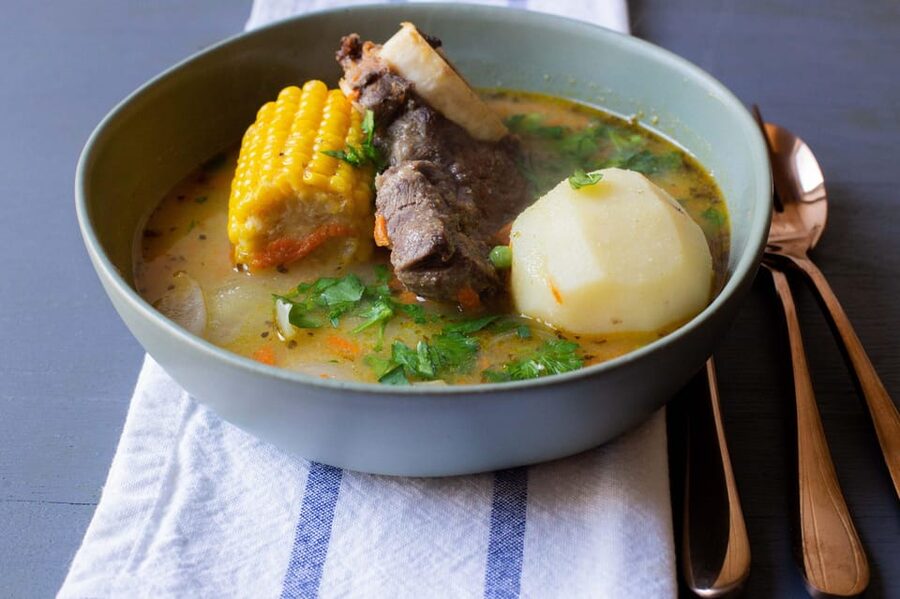
Cazuela (with chicken or meat)
Cazuela is another comfort staple. If you choose chicken, you’re going more gently; with meat, you’ll get deeper savory intensity. Either way, it’s the “spoon food” choice—great if you want something that tastes like a family Sunday.
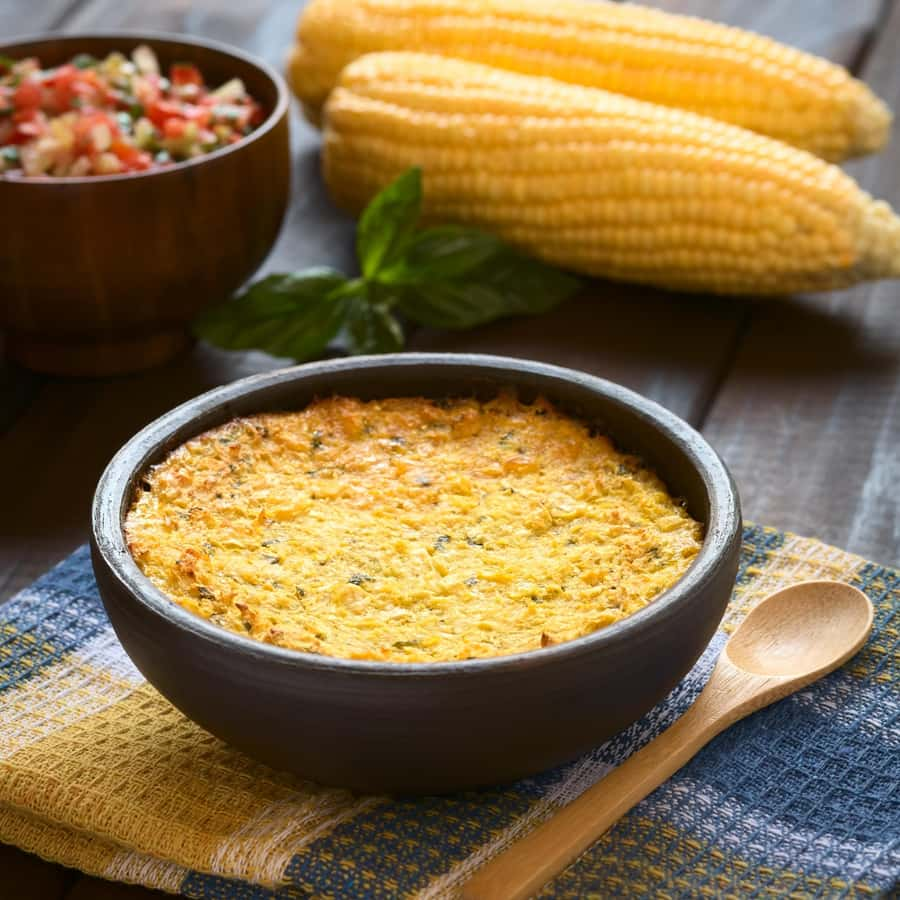
Pastel de Choclo (corn pie when in season)
This is seasonal. When it’s available, it brings that sweet-corn softness into the meal. A corn pie is the kind of dish that feels distinctively Chilean, and it can be a nice change from purely savory stew-style items.
Cancato (butterfish or salmon)
Cancato points you toward seafood, with butterfish or salmon as options. This is a good pick if you want lighter flavors but still want a cooked dish—not just raw or citrusy seafood.
Ceviche
Ceviche is the bright, acidic counterweight to heavier dishes. If you pick a more stew-and-bake-heavy lineup, ceviche adds lift. If you pick mostly seafood, ceviche can become your “fresh finish” moment.
After you choose, the class culminates in serving what you made with wine and/or a Pisco Sour. That last step turns all that chopping and assembling into a full meal experience instead of a pile of items you don’t get to enjoy properly.
One small caution: the class includes dessert, but the menu structure is still based around those core five dish choices plus dessert. If you’re the type who only wants seafood or only wants vegetarian-friendly options, you’ll need to match your selections to what’s actually offered.
The best part: sitting down to eat what you cooked
Hands-on cooking is fun, but the real payoff is eating. This class ends with you serving everything you made and enjoying it with wine and/or a Pisco Sour.
That pairing matters because Chilean meals often balance richness with acidity and aromatic herbs. You’ve already built pebre and likely worked with tomatoes/onions/cilantro for flavor. Having a drink at the end helps you experience the full pairing—especially after the heat of oven work and stove simmering.
One review mentioned an outside deck moment after cooking, which is the kind of detail that tells me the pacing works. You’re not just rushed into the next thing. You get to taste, talk, and actually enjoy the result.
If you’re traveling with kids, this is also a highlight. One participant specifically noted the chef encouraged kids to do a lot of the work. That’s a big deal because younger travelers often lose patience if they’re just watching. Here, they can participate meaningfully.
Dietary reality check: what you can and can’t count on
Let’s be direct. This experience is not suitable for vegans or vegetarians, and it also isn’t aimed at people with food allergies. The dish list includes meat and seafood options, and the class structure is built around traditional Chilean cooking choices.
That said, there is some built-in flexibility:
- You can choose from the list of dishes.
- For empanadas, you can select cheese or Pino (meat), or swap to a stuffed avocado or similar veggie appetizer if empanadas don’t work for you.
So you might find you can steer the menu toward less meat if the class offers “with or without” for certain dishes (like charquicán). But you should not assume allergy-safe cooking or fully plant-based meals.
If you have dietary restrictions, your best move is to contact the provider and ask specifics before booking. The name of the game here is fit, not wishful thinking.
Bilingual chef time: why language support changes everything
Cooking with a chef who can switch between English and Spanish is more than convenience. It changes how fast you learn, and how confident you feel about what you’re doing.
You’ll be given steps for kneading, assembling, and cooking, plus you’ll likely get flavor explanations while you’re working. If you’re picky about technique—how dough should feel, how pebre should taste—language support helps you get it right the first time.
It also means you can ask questions without holding back. In practice, that makes the whole class feel calmer and more fun.
Price and value: is $190 worth it?
$190 per person sounds like a “nice experience,” but it’s more than a tasting. You’re paying for:
- A market visit with fresh ingredient shopping
- A chef-led hands-on cooking class
- Included market products
- Included cooking supplies like aprons and kitchen utensils
- Drinks at the end, including wine and/or Pisco Sour
- The chance to cook a menu you choose: five dishes plus dessert
The value isn’t just the final meal. It’s the process: you learn how to build pebre, make oven empanadas, and then cook multiple Chilean classics rather than one single dish. When you compare that to tour-style food experiences where you just eat and leave, this is closer to a skill-building day.
Time matters too. At 5 hours, you get enough time to feel like a real cooking session, not a rushed “two-bites and out” stop.
If you’re doing a food-focused trip to the Valparaiso area, this class can also be a high-impact add-on. It gives you context for what you’ll later see on menus around Chile.
Tips to get the most out of your class
A few small choices can make the day smoother:
- Plan for a full 5-hour block. You’ll shop, cook, and eat without much downtime.
- Wear comfortable clothes and shoes. You’ll be moving between market and kitchen spaces and working hands-on.
- Come hungry, but not stuffed. You’ll have drinks at the end, and you’ll cook enough food for a proper meal.
- Choose your dish mix with balance in mind. If you pick multiple rich dishes, consider adding something bright like ceviche if it’s available in your selection.
- If you have restrictions, ask early. The class isn’t suitable for vegans/vegetarians or allergies, so don’t wait until the day-of to figure it out.
- Give yourself planning time. Booking needs at least 7 days’ notice due to availability.
And if you’re bringing kids, this is a good format because the chef/host seems willing to keep them actively involved in tasks.
Should you book this Chilean cooking class in Valparaiso?
Book it if you want a genuine food day: market shopping, real prep work, and a chef-led kitchen session that ends with you eating what you made—plus wine or a Pisco Sour. It’s also a great fit for families who want kids to participate, not just hover.
Skip it if you need vegan/vegetarian meals or allergy-safe handling. Also skip it if you’re looking for a purely observational experience. This is a do-the-work kind of class.
If you match those basics, you’ll likely come away with more than recipes. You’ll understand the building blocks—like pebre and empanada technique—that help you recognize Chilean flavors long after you’ve left the kitchen.
FAQ
How long is the cooking class in Valparaiso?
The class runs for 5 hours.
What’s included in the price?
It includes a bilingual chef, aprons and kitchen utensils, beverages, market products, and cooking implements.
Do I get to choose which dishes I cook?
Yes. You choose five typical Chilean dishes, and the class also includes dessert.
Is this class vegetarian or vegan-friendly?
No. It’s not suitable for vegans or vegetarians.
What will I drink at the end?
You’ll serve your meal with wine and/or a Pisco Sour.
Is outside food allowed?
No, outside food is not allowed.