REVIEW · HERAKLION
Full-Day Jeep Safari Tour with Cooking Lesson
Book on Viator →Operated by Safari Experts Crete · Bookable on Viator
One long day, lots of small moments that feel real. This full-day 4WD Crete safari mixes off-road village life with hands-on pottery and cooking stops, then caps it with lunch and tastings. I love that it’s built to get you off the main tourist track, without turning the day into a mad dash.
Two things I especially like: first, the itinerary has multiple included activity moments (goat + dairy, herbs, cooking, pottery) so you’re not just riding and taking photos. Second, the day is structured around Cretan places you can actually picture in your head—mitato shepherd life, windmills on the Lasithi Plateau, and traditional food baked in a wood oven. A fair heads-up: it’s an 8–9 hour day, and the road can be bumpy in a Landrover Defender type of vehicle, so you’ll want to plan for some jolting.
In This Review
- Key highlights I’d circle before you go
- First impressions: a jeep day that actually has substance
- Getting picked up and moving: how the day flows
- Potamies: mitato life, milking goats, and traditional flour making
- Aposelemis Dam and Sfendili: water infrastructure with a human story
- Avdou: traditional village architecture you can actually read
- Ano Kera and the Ebassas gorge road: herbs, mountains, and dirt-road views
- Windmills of Lasithi Plateau: a small stop with a big idea
- Pinakiano cooking class: real Cretan ingredients in your hands
- Pottery workshop at Psychro: make your own ceramics
- Plati on the plateau: slow down and taste coffee or wander alleys
- Krasi wood-oven lunch: flavors, aromas, and wine included
- Malia olive oil mill and tasting: a neat end cap
- Who this tour is best for (and who should think twice)
- Value and pricing: what $111.31 gets you in real terms
- What to bring so the day doesn’t annoy you
- FAQ
- FAQ
- How long is the jeep safari tour with cooking lesson?
- Where does pickup happen?
- What’s included in the lunch?
- What activities are included besides the jeep driving?
- Is the tour good for families?
- Are there any free admission stops?
- What should I wear and bring?
- What if the weather is bad?
- Should you book this tour?
Key highlights I’d circle before you go
- Hands-on food and craft: cooking class plus a pottery workshop where you make your own ceramics
- Rural Crete stops that feel local: mitato shepherd experience and village wandering
- Windmills of the Lasithi Plateau: iconic stone structures tied to irrigation history
- Lunch with wine and water included: one less thing to figure out mid-tour
- 4WD vehicle experience: off-road dirt roads and gorge views come with real “safari” energy
First impressions: a jeep day that actually has substance
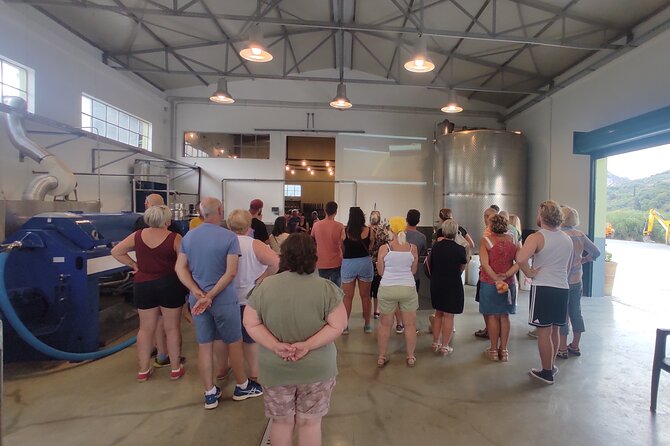
This tour is priced like an all-in day, not a “sit on a bus” excursion. At $111.31 per person, you’re paying for a lot of moving parts to be taken care of: door-to-door style pickup in the Heraklion area, a 4WD vehicle with fuel, and multiple included activities that take time (pottery + cooking are real time sinks, in a good way).
The day runs about 8–9 hours, starting at 8:00 am, with pickup happening sometime between about 7:45 am and 9:30 am depending on where you’re staying. That’s important: you’ll want a solid breakfast, because once you’re out there, the tour keeps flowing through different villages and workshops.
The most common theme from the experience is how much time you spend doing, not just watching. Even the food moments aren’t left to chance—lunch includes wine and water, and the day ends with an olive oil mill and a small taste test.
Getting picked up and moving: how the day flows
Door-to-door pickup is offered across a wide stretch of Crete east of Heraklion—places like Heraklion, Amoudara, Analipsis–Anissaras, Chersonissos–Piskopiano–Koutouloufari, Elounda, Agios Nikolaos, Gouves–Kokkini Hani, Malia, Sisi, Milatos, Stalis, plus other wider-area meeting points. If your hotel is on a street the vehicle can’t access, you’ll be directed to a nearby meeting point.
This matters because time is the real currency on a long day. You don’t want to lose 45 minutes trying to find a rendezvous point. The tour is designed to remove that friction, so you start earlier and keep momentum after lunch.
One more practical note from the vibe of the experience: the road can be bumpy. People talk about being bounced around a bit, so pack for that reality—comfortable shoes, and if you’re prone to motion discomfort, it’s a good idea to bring what normally helps you.
Potamies: mitato life, milking goats, and traditional flour making
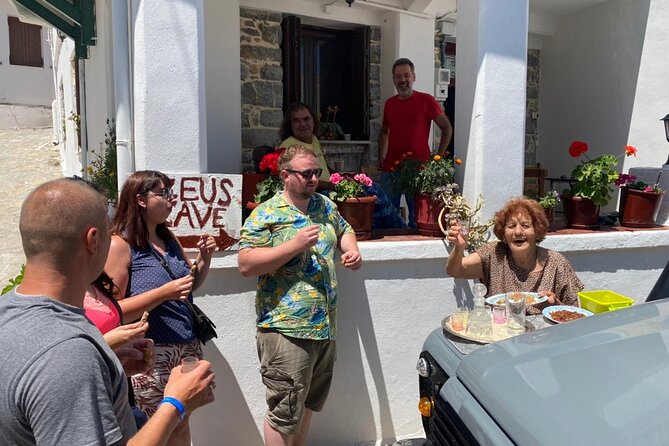
Your first meaningful stop is Potamies, an authentic Cretan village setup that focuses on shepherd life. The heart of this part is the mitato, a traditional shelter used by shepherds. This is where you meet a local shepherd with his family and see how dairy and flour are handled the old-school way.
You’ll learn the process starting with milking goats, then see how cheese is made after that. The tour also includes how flour is made traditionally—from milling and grinding practices connected to rural life. If you like food culture that goes beyond a restaurant table, this is the strongest “why Crete tastes the way it does” moment of the day.
There’s also a tasting option for traditional products like cheese, raki, and oil. That’s not a sightseeing checkbox; it’s a chance to connect what you just watched to what you’re tasting. Admission here is noted as free.
Possible drawback to consider: this part is hands-on and tied to farm routines, so it’s not the stop for people who want quiet walking time. If you’re sensitive to animal/barn environments, you may want to think carefully.
Aposelemis Dam and Sfendili: water infrastructure with a human story
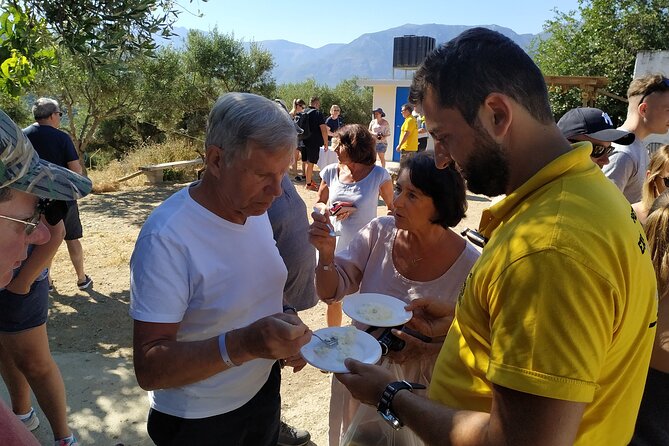
Next comes Aposelemis Dam and the village area of Sfendili, which is submerged in the dam’s waters. You get a quick wander among village gardens with seasonal fruits and vegetables and then reach the dam area to see old houses fading at the waterline.
It’s only a short stop, about 10 minutes, but the value is in the contrast: you go from shepherd life to modern water supply infrastructure that still carries a sense of place and loss. Crete has a way of turning engineering and geography into storytelling.
Practical consideration: don’t expect long photo sessions here. Treat it as a brief visual pause.
Avdou: traditional village architecture you can actually read
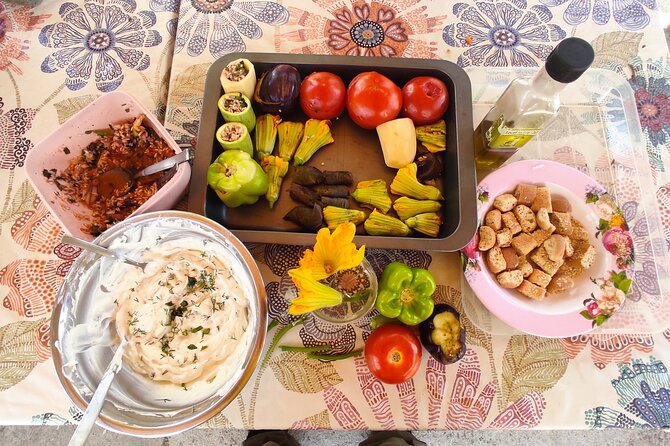
After Aposelemis, you continue to Avdou, often described as one of the most representative villages of Crete. The emphasis here is on preserved buildings and village signs that explain how the settlement was shaped.
What I like about this stop is that it helps you connect the day’s themes: agriculture, community, and local life. You’re not just jumping from scenic spot to scenic spot—you’re watching how people built and lived in a place.
What to watch for: since the tour keeps moving, this is best for people who enjoy walking around and taking in details without needing a long museum-style interpretation.
Ano Kera and the Ebassas gorge road: herbs, mountains, and dirt-road views
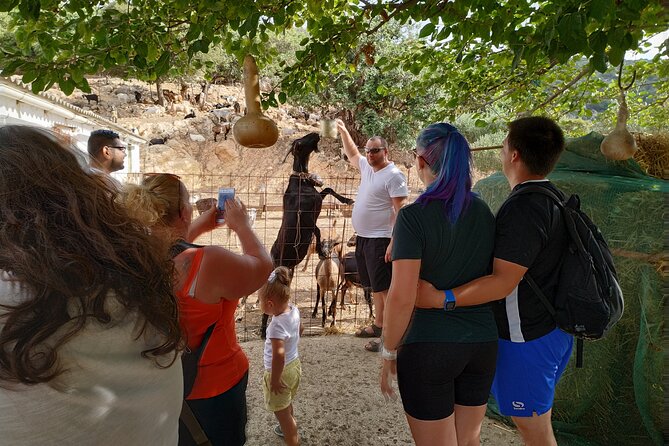
Then the tour starts its ascent using dirt roads, passing through the Ebassas gorge area. You’re rewarded with mountain views and what’s described as wild natural beauty.
This portion includes a short herb moment: your guide collects local herbs such as oregano, thyme, and sage, reflecting how Cretans used these plants traditionally. This is one of those details that makes later cooking feel less random. You start thinking about which herbs show up on your plate—and why.
The stop time here is about 30 minutes, and admission is listed as free. This is also one of your best windows for photos because you’re looking across terrain, not just through a village street.
Possible drawback: this is still part of an all-day route, so you’ll likely be balancing camera time with being jostled during travel sections.
Windmills of Lasithi Plateau: a small stop with a big idea
At the Windmills of Lasithi Plateau, you’ll see stone structures with white sails that historically turned with the wind to draw water and irrigate crops. The tour notes that Lasithi Plateau had over 10,000 windmills at its height.
Even if you’ve seen windmills elsewhere, these feel different because they’re tied to the island’s farming survival. It’s not “cool photo structures” only—it’s the infrastructure of agriculture in a windy, plateau setting.
Stop time is short (about 5 minutes), so don’t plan on a slow stroll. Think: quick look, quick photos, and then back into the day.
Pinakiano cooking class: real Cretan ingredients in your hands
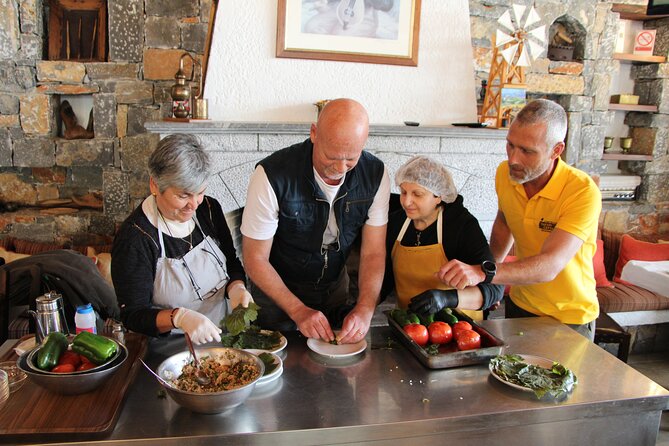
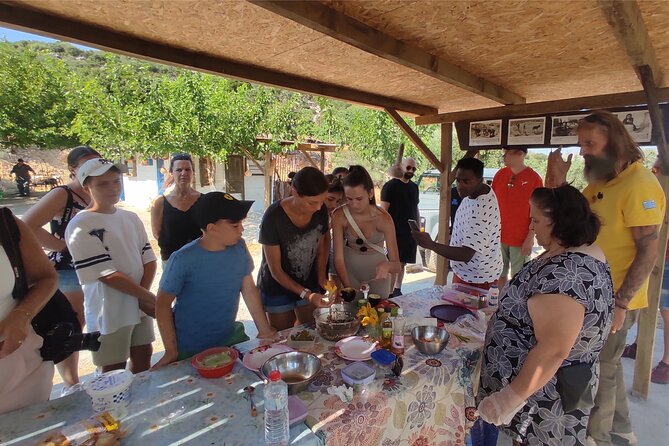
This is where the tour shifts from “seeing” to “making.” At Pinakiano, you take part in cooking classes with local professionals. The day’s description emphasizes preparation of dishes using pure ingredients and local products, plus learning aromas from herbs you’ve been hearing about.
The key word here is participation. You’re cooking with others instead of watching a demonstration from a distance. And because it’s tied into the tour’s rural theme—shepherd cheese, local herbs, plateau life—it doesn’t feel like a separate add-on.
The stop time is about 45 minutes. That’s a good length: long enough to feel like you did something, short enough that the schedule doesn’t collapse.
Consideration: you may end up a bit messy. Wear clothes you’re okay with. Also, if you’re sensitive to strong smells, herbs can be intense—but that’s part of the point.
Pottery workshop at Psychro: make your own ceramics
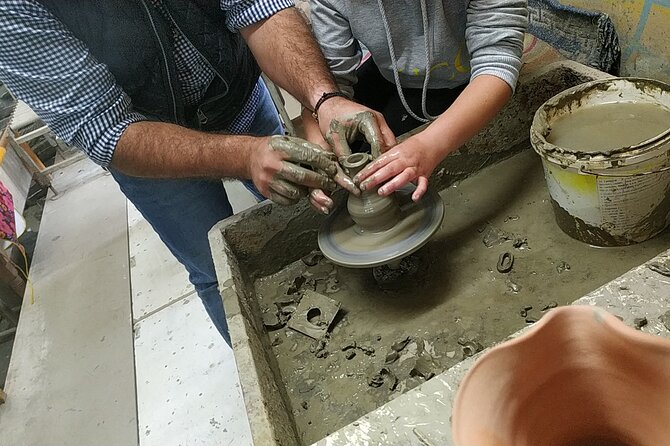
At Psychro, the itinerary includes a pottery workshop with secrets of ceramic art and a course where you create your own ceramics.
This is the second hands-on pillar of the day, and it pairs well with the cooking lesson. One is about food; the other is about making objects that carry home-value. If you like practical souvenirs you actually made, this is worth real attention.
Stop time is about 30 minutes. Admission is listed as free, and the time is structured enough that most people should finish a meaningful piece—though exactly what you create isn’t specified in the details you provided.
Plati on the plateau: slow down and taste coffee or wander alleys
Next is Plati, with time for a plateau tour and contact with its inhabitants. You can also stop at a local cafeteria for optional coffee or a walk on the old village alleys.
This stop is about 30 minutes, and it gives you what the rest of the day sometimes steals: a breather. By now, you’ve already done animal farm learning, herb collecting, a cooking class, and pottery. So Plati is where you reset, stand in one place longer, and take the plateau’s mood in.
Practical tip: this is a good moment to use the bathroom if you need it and to recharge your phone battery.
Krasi wood-oven lunch: flavors, aromas, and wine included
Lunch is one of the biggest anchors of the schedule. In Krasi, the tour includes food baked in a wood oven at a traditional restaurant, plus local wine and water. The stop time is about 1 hour 30 minutes—long enough to actually relax.
This is where value shows up. You’re not paying extra for lunch separately, and the tour’s total structure already assumes you’ll be fueled and happy. People also talk about the day feeling paced well, and lunch is likely one of the reasons why.
After lunch, you’ll visit a famous plane tree area: the tour mentions the monumental plane tree and an 18th-century aqueduct in the village square, plus an old plane tree over 2000 years old. There’s also a 15-minute stop here.
Malia olive oil mill and tasting: a neat end cap
To close the day, the tour heads to an olive oil mill and you learn about how olive oil is exported. Then you get a small taste test.
This ending works because olive oil is one of Crete’s simplest “carry-it-home” products, and learning the export side adds context beyond the taste. The stop time is about 30 minutes.
Consideration: this isn’t a long store tour, so if you’re hoping to shop for olive oil at length, you’ll want to do that elsewhere after the tour.
Who this tour is best for (and who should think twice)
This tour is a great match if you want more than a scenic day. You’ll enjoy it most if you like rural Crete, you’re interested in how things are made (dairy, flour, pottery, cooking), and you don’t mind a packed schedule.
It also fits couples and small groups since the maximum is listed as 20 travelers, which usually keeps things from feeling chaotic.
Consider thinking twice if you have serious medical conditions (not recommended), or if you really dislike bumpy rides. The schedule includes several travel segments and dirt-road sections, and some people note the back-of-vehicle bounce.
Value and pricing: what $111.31 gets you in real terms
The price looks straightforward, but the value comes from the combination:
- Pickup and drop-off within a wide area
- A 4WD vehicle plus fuel
- Lunch with wine and water
- Cooking class and pottery class (both included)
- Additional experiences (herb collecting, mitato shepherd life, olive oil mill)
Many tours at this price give you a few viewpoints and a short stop. This one builds an entire day around activities that require time and skill, not just standing around.
Yes, it’s a long day, and you’ll be moving from place to place. But the structure is designed so you’re not stuck waiting—each block has a reason.
What to bring so the day doesn’t annoy you
Pack for heat and movement. The tour notes include walking shoes, sunscreen, hat, sunglasses, a jacket, and water.
Add a couple of practical things based on the itinerary pace:
- Something light for shade during village stops
- A small snack buffer if you get hungry between breakfast and lunch
- If you’re sensitive to motion, bring what you normally use for car rides
FAQ
FAQ
How long is the jeep safari tour with cooking lesson?
It’s about 8 to 9 hours.
Where does pickup happen?
Pickup is included from wider areas of Heraklion, including places like Amoudara, Analipsis–Anissaras, Chersonissos–Piskopiano–Koutouloufari, Elounda, Agios Nikolaos, Gouves–Kokkini Hani, Malia, Sisi, Milatos, Stalis, and more meeting points nearby. Pickup timing is shared after booking.
What’s included in the lunch?
Lunch includes wine and water.
What activities are included besides the jeep driving?
You’ll have cooking classes and a pottery workshop where you create your own ceramics. You’ll also visit places like a mitato shepherd setting, plus an olive oil mill.
Is the tour good for families?
The tour notes that most travelers can participate, and it’s described as suitable for families and adults because it has multiple different activities. Child seats can be provided if you request them during booking.
Are there any free admission stops?
Several stops list admission free in the tour details, including Potamies, Aposelemis Dam, Ano Kera, Windmills of Lasithi Plateau, Pinakiano, Psychro, Plati, Krasi, and the olive oil mill area.
What should I wear and bring?
Wear walking shoes and bring sunscreen, hat, sunglasses, a jacket, and water.
What if the weather is bad?
The experience requires good weather, and if it’s canceled due to poor weather you’ll be offered a different date or a full refund.
Should you book this tour?
I think you should book it if you want a full-day Crete experience that’s not only scenic. The best reason is simple: you get hands-on cooking and pottery, plus rural stops that explain how food and daily life work on the island. If that sounds like your kind of travel day, this is a strong choice.
Skip it if you’re the type who hates long schedules, strong smells from herbs and kitchens, or bumpy rides. But if you can handle an active day from an early start, this tour gives you a lot more than a standard “highlights” loop.