REVIEW · GIOIA DEL COLLE
Gioia del Colle: Apulian Cooking Class in a Masseria
Book on GetYourGuide →Operated by EBIKE RENTAL & TOUR PUGLIA · Bookable on GetYourGuide
Cooking in Puglia feels more real when you’re in the farm kitchen. This class takes you into an Apulian masseria setting with olive trees and vineyards, where you make your choice of oregchiette-style pasta, panzerotti, or Bari-style focaccia and then eat together family-style.
I love that it’s built for small groups (up to 8), so you get real attention instead of watching from the sidelines. I also like the finish: a shared rustic long table meal with what you cooked plus seasonal sides like local dairy and garden flavors.
One thing to consider: you’ll be outdoors and handling dough and hot food, so plan for warm weather and bring the requested biodegradable sunscreen and insect repellent.
In This Review
- Key things to know before you go
- Why This Masseria Cooking Class Feels Like Family Table Time
- Pick Your Dish: Orecchiette, Panzerotti, or Bari-Style Focaccia
- Orecchiette-style fresh pasta (hand-shaped)
- Panzerotti (folded, filled, fried)
- Bari-style focaccia (topped and baked)
- What the Masseria Adds: Olive Trees, Vineyards, and Real Ingredients
- Inside the Class: Hands-On Steps and English-Speaking Guidance
- The Cooking Time: Skills You Can Take Home
- You learn technique, not just ingredients
- You’ll understand what matters locally
- You get a real shareable result
- Your Meal After the Dough: Wine, Mozzarella, and Seasonal Sides
- Small Group Size and Private Options: How That Changes the Experience
- Price and Value at $106: What You’re Really Paying For
- Practical Tips Before You Go (Bring This, Avoid That)
- Who Should Book This Cooking Class in Gioia del Colle
- FAQ
- What dish options can I choose?
- How long is the cooking class?
- What is the group size?
- Is a meal included?
- Is wine included?
- Where do we meet?
- Do you offer transfers for train arrivals?
- What languages does the instructor speak?
- What should I bring?
- What is the cancellation policy?
- Should You Book This Gioia del Colle Masseria Cooking Class?
Key things to know before you go
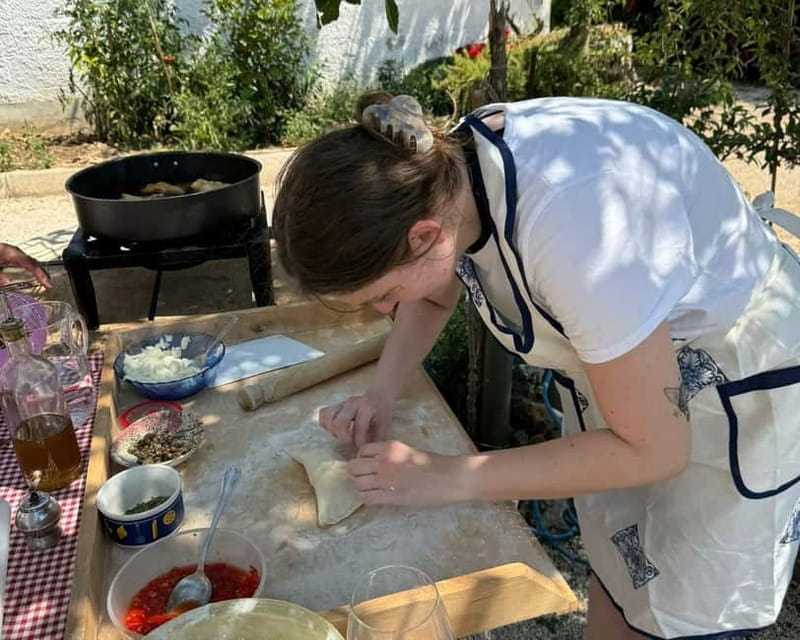
- Real masseria setting: you’re cooking on a countryside farm, not in a staged space
- Pick your specialty: orecchiette, panzerotti, or focaccia so the class matches what you want to learn
- Farm-to-table sides: dairy and garden items show up alongside your main dish
- Family-style long table: you eat together, rustic style, right after cooking
- Small group or private option: max 8, or private tours by request
Why This Masseria Cooking Class Feels Like Family Table Time
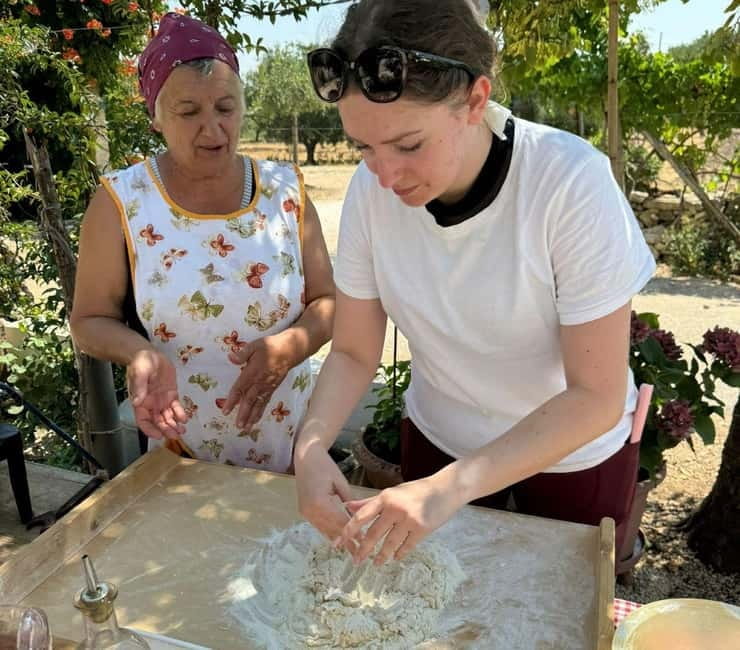
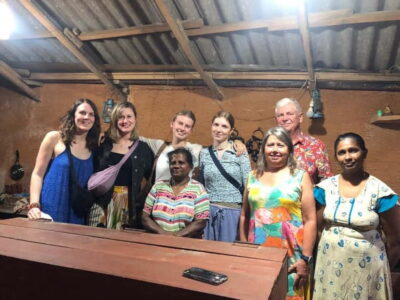
The first thing that matters here is the tone. This isn’t a performance where someone explains cooking while you snack. It’s a hands-on class in a real Apulian masseria where the hosts guide you like you’re joining their day. That shift changes everything: you don’t just learn recipes, you pick up the rhythm of Southern Italian home cooking.
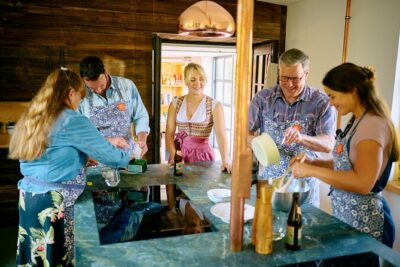
I especially like that the group stays small. With up to 8 people, the instructor can correct technique and make sure you’re actually shaping dough, filling pastries, or building the focaccia—not just waiting for your turn. And because it’s family-style, you end up sharing the table and the food like it’s one household meal.
The best “payoff moment” is the end: you sit down with the other participants and eat what you made, plus seasonal specialties. In practice, that means you’re not learning recipes in theory. You’re learning what tastes right with local ingredients, at the speed and style locals expect.
Pick Your Dish: Orecchiette, Panzerotti, or Bari-Style Focaccia
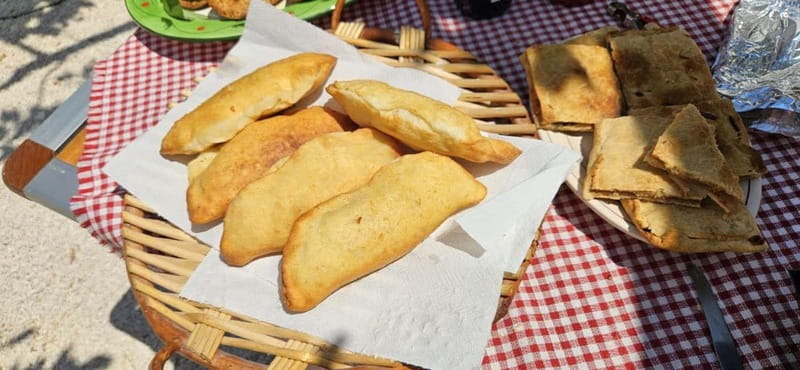
This class is designed around choice. You select one main project, and the whole session builds toward that dish.
Orecchiette-style fresh pasta (hand-shaped)
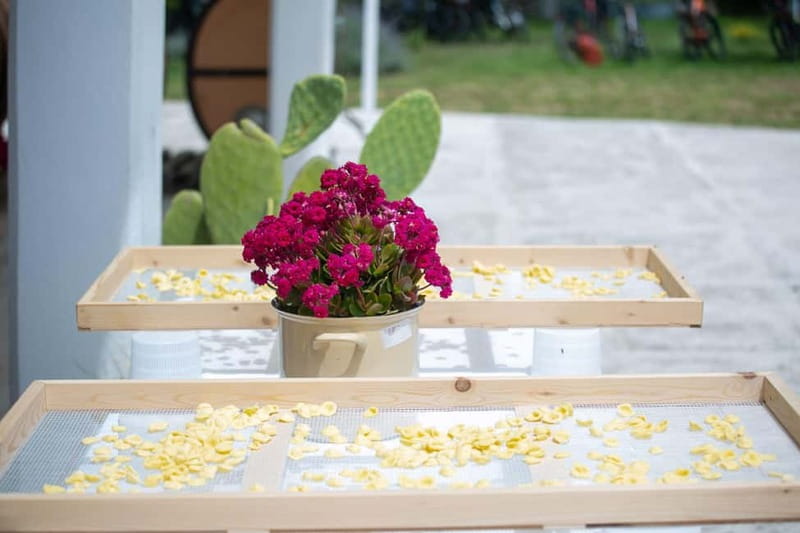
If you choose the fresh pasta option, you’ll work on hand-shaped orecchiette using old family techniques. This matters because orecchiette isn’t just pasta—it’s shape with purpose. The little “cup” holds sauce well, and the handwork is part of the character. Expect to spend time getting the form right, not just rolling dough.
Panzerotti (folded, filled, fried)
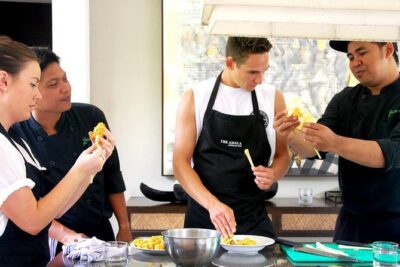
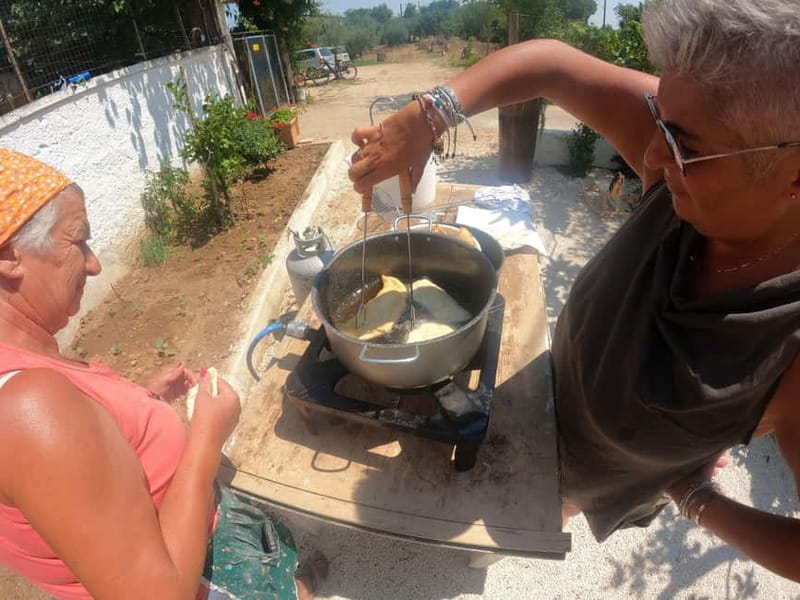
For panzerotti, you’ll fold and fill dough, then fry until golden. Fried pastry is where small technique differences show up fast—how much filling you add, how well you seal, and how long you fry. This is a good option if you want a practical skill you can actually replicate later when you’re craving a Puglia comfort food night at home.
Bari-style focaccia (topped and baked)
With focaccia, you build a Bari-style version—topped and baked to perfection. Focaccia is forgiving in a forgiving way, but it still needs attention: the topping matters, and so does getting the bake right. If you’re the type of traveler who wants something you can slice for tomorrow’s lunch, this choice often hits the mark.
Whatever you pick, the meal isn’t only your main dish. You’ll also eat seasonal specialties that come from dairy and the garden, with rustic bread on the side. That combination is a big part of why this class feels worth your time.
What the Masseria Adds: Olive Trees, Vineyards, and Real Ingredients
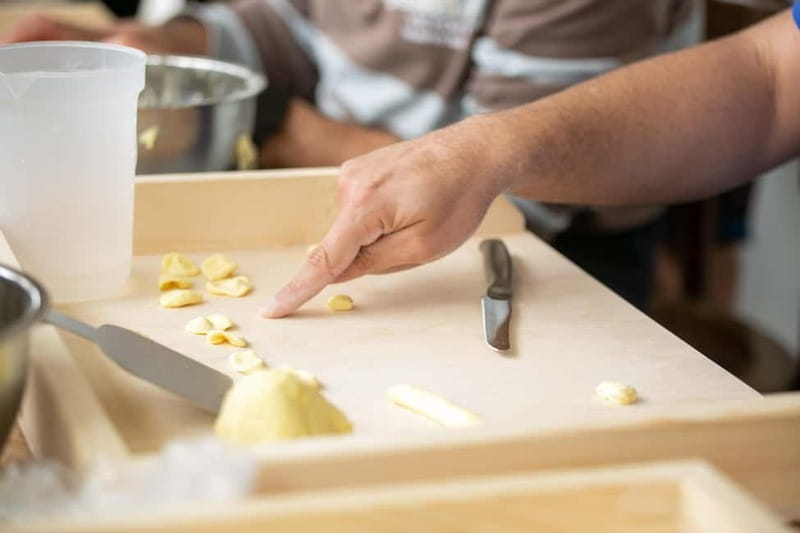
The setting is not decorative. Being in a masseria—surrounded by olive trees and vineyards—means the food philosophy is part of the day. You’re not handed ingredients from nowhere. You’re in a place where products are grown and produced locally, and the hosts explain what’s in front of you.
A standout detail from how the day is described by past participants is the farm rhythm: picking ingredients directly from the hosts’ orto (garden) and then using them in your food. That changes the meal. Even if you’ve taken cooking classes elsewhere, you can feel the difference when you go from garden to cutting board within the same experience.
Another ingredient-focused moment is the way local dairy shows up in the accompaniments. People often talk about mozzarella as a highlight here, plus other seasonal specialties tied to what the farm and kitchen are working with at the time.
And yes, wine is part of it. You get a glass included, and the hosts’ own production is part of the experience. It’s not a slap-on upgrade; it’s woven into the family table vibe.
Inside the Class: Hands-On Steps and English-Speaking Guidance
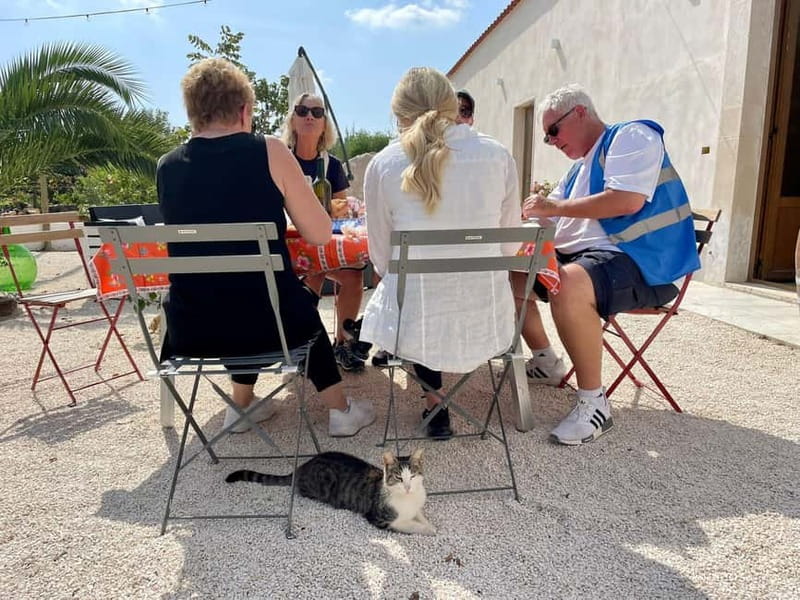
The session runs about 3 to 3.5 hours. That’s long enough to do real work and short enough that you’re not stuck sweating through a half-day. You start at the headquarters in Gioia del Colle, then you’re directed to the partner masseria for the cooking portion.
Once you’re there, the class style is guided and practical. You’ll have all ingredients and equipment, so you don’t need to bring anything technical. The instructor speaks English and Italian, which is a big plus if your Italian is limited but you still want to understand the why behind the how.
A small-group format makes the teaching more personal. With only up to 8 participants, the host can check your folding, shaping, and timing. That’s where the class becomes more than “do this step.” You learn the small adjustments that prevent a dish from going sideways.
From the family atmosphere to the pace, this is the kind of class that works well for couples and families. One of the consistent themes around the hosts is how welcoming they are, and that includes making kids comfortable when families attend.
The Cooking Time: Skills You Can Take Home
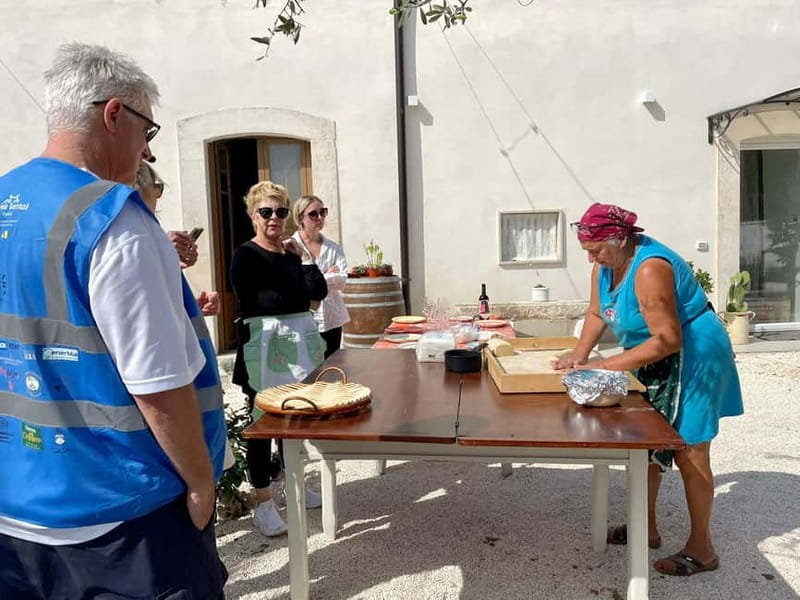
The goal isn’t to turn you into a professional pasta maker. It’s to give you repeatable skills and a clearer sense of how Apulian cooking is built.
You learn technique, not just ingredients
- With orecchiette, technique is shape and texture: handwork that gives the pasta its identity.
- With panzerotti, technique is filling and sealing: the kind of detail that affects whether the filling stays put.
- With focaccia, technique is building and baking: topping choices plus oven timing.
You’ll understand what matters locally
Because the meal includes seasonal specialties from the dairy and garden, you learn how locals “complete” the dish. It’s not just pasta or fried dough; it’s the sides that make it taste like a full Apulian meal. Rustic bread shows up too, which sounds basic until you realize it’s part of how you stretch and enjoy the whole table experience.
You get a real shareable result
You’re eating what you made. That changes the learning curve. You’ll pay more attention while cooking because the result is right there at the end—hot food, local flavors, and a table full of conversation.
Your Meal After the Dough: Wine, Mozzarella, and Seasonal Sides
When you finish cooking, you don’t line up and leave. You sit down at a rustic long table for the tasting. It’s family-style, which means the meal feels communal rather than formal.
Here’s what’s included in the food part:
- Everything you cook (your main dish)
- Seasonal specialties that accompany it
- Rustic bread and water
- A glass of wine
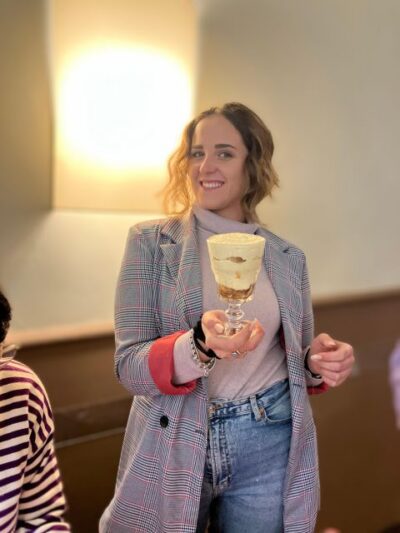
And the “seasonal specialties” piece is where the masseria approach shines. Based on how the hosts’ table has been described, it can include local mozzarella and other farm or garden items, plus a sweet finish that people associate with the owner’s kitchen—like lemon cake offered at the end of the meal.
This matters for value. At $106 per person, you’re not just paying for an instruction session. You’re paying for a full meal experience: the cooking time, the included wine, and the local sides that round it out.
If you’re trying to understand what “Puglia flavors” means beyond brochures, this meal is a real shortcut.
Small Group Size and Private Options: How That Changes the Experience
Group size isn’t a small detail here—it’s a core feature. With a max of 8 participants, the day feels like you’re joining a family table with visitors, not attending a crowded workshop.
Past participants have specifically noted that the hosts prefer these intimate classes, and that private options can be arranged on request. That means if you’re celebrating something, traveling with kids, or you want extra attention, you can ask about a private setup and potentially get a calmer pace.
Also, the class language is supported. You’ll have English or Italian instruction, so you can follow along without guessing.
Price and Value at $106: What You’re Really Paying For
Let’s talk numbers. At $106 per person for about 3 to 3.5 hours, this is not a bargain-bin activity. But it stacks up well when you look at what’s included.
You get:
- The cooking class with a local host
- All ingredients and equipment
- A glass of wine
- Seasonal specialties to accompany your dish
- Rustic bread and water
- A full meal (what you cooked plus accompaniments)
That’s a lot for one session. The value improves further if you care about eating the real product after cooking—because you’re not just learning technique, you’re tasting local ingredients in a structured meal.
Two costs to keep in mind:
- Transfers are not included (but can be added).
- Alcoholic drinks beyond the included wine glass would be an upgrade, not part of the base price.
If you’re already planning to eat well in Puglia, this class often functions like a guided food experience plus dinner you didn’t have to plan.
Practical Tips Before You Go (Bring This, Avoid That)
The experience is simple, but you do need to plan for farm life.
Bring:
- Biodegradable sunscreen
- Biodegradable insect repellent
Not allowed:
- Alcohol and drugs
Those rules are worth reading closely. The class includes a glass of wine, but you shouldn’t arrive planning to bring extra alcohol.
Comfort tip: you’ll likely be dealing with warm kitchen conditions and handling food, so wear something you can move in and that you don’t mind getting a little flour-dusted.
And if you’re sensitive to the outdoors, bring protection early. It’s easier than trying to react once the class is underway.
Who Should Book This Cooking Class in Gioia del Colle
This is a great match if you:
- Want a hands-on class in a real masseria setting
- Prefer small groups and personal attention
- Like the idea of eating what you cook right afterward
- Want Puglia flavors that go beyond pasta alone
It’s also a solid choice for couples. Many people choose it as a highlight day because it has both work (cooking) and payoff (the shared meal).
Families can work well too, especially since the hosts are known for making the experience welcoming for kids.
If you only want a quick snack lesson or you dislike communal meals, you might feel it’s more “day spent cooking and eating” than “short activity.” But if you like food as a full experience, you’ll likely feel at home at that long table.
FAQ
What dish options can I choose?
You can choose fresh pasta (orecchiette), panzerotti, or focaccia.
How long is the cooking class?
The class lasts about 3 to 3.5 hours.
What is the group size?
The class is designed for small groups of up to 8 participants.
Is a meal included?
Yes. You’ll eat what you cook plus seasonal specialties, with rustic bread and water.
Is wine included?
Yes, you get a glass of wine. Alcoholic drinks beyond that would be an upgrade.
Where do we meet?
You meet at the headquarters in Gioia del Colle. You’ll spot the sign on the door, then you’ll be directed to the partner masseria.
Do you offer transfers for train arrivals?
Transfers are available as an add-on, and an optional round-trip transfer from Gioia del Colle station can be arranged.
What languages does the instructor speak?
The instructor speaks English and Italian.
What should I bring?
Bring biodegradable sunscreen and biodegradable insect repellent.
What is the cancellation policy?
You can cancel up to 24 hours in advance for a full refund.
Should You Book This Gioia del Colle Masseria Cooking Class?
If you want Puglia through food you actually make—and then eat at a long rustic table—this is an easy yes. The combination of a real masseria setting, small-group teaching, and a complete meal (including the wine glass) is where the value lands.
Book it if you’re open to getting your hands messy and you want to go home with more than a recipe card. You’ll leave with technique, plus a clearer sense of how Apulian cooking fits into farm life and family meals. If that sounds like your kind of travel day, reserve your spot.