REVIEW · SEMINYAK
Balinese Cooking Class in Seminyak
Book on Viator →Operated by The Amala Bali · Bookable on Viator
Cooking in Bali tastes like a story. This Balinese cooking class in Seminyak is built around real technique, not just watching, and you get round-trip private transfer within Seminyak plus the option to add a Jimbaran fish market morning. I also like that the class is small (max 10) with active participation at the cutting board. The main trade-off: the menu is fixed for everyone, so you can’t customize the dishes.
Timing is also friendly. You choose a morning or afternoon session, then you finish by eating what you cooked—either lunch or dinner—so you’re not stuck “just learning.” One more consideration: the fish market add-on needs a minimum of 2 people per booking (solo bookings may pay extra).
Set at The Amala Boutique Retreat in Seminyak, the vibe feels calm and focused, and the chef-led format is clear and practical. In the classroom, you’ll cook dishes like lawar salad, steamed fish in banana leaf, and dadar gulung coconut pancake—or the vegetarian menu with pepes tahu and bubur injin black rice pudding.
In This Review
- Key highlights you should notice
- Seminyak logistics: how the pickup makes the class painless
- Menu choices: what you’ll cook in Menu 1, Menu 2, or vegetarian
- Menu 1 (meat/fish options)
- Menu 2 (another classic combo)
- Vegetarian menu
- The trade-off: the menu is set
- Morning vs afternoon timing: what happens in each session
- Morning option with Jimbaran fish market
- Afternoon session
- Jimbaran market add-on: worth it, and what to watch
- The cooking portion: how a 3-course class stays manageable
- The meal at the end: what you actually eat (and why it matters)
- Price and value: what $66.67 buys you in Seminyak
- Who this class suits best in Bali
- Should you book the Balinese Cooking Class in Seminyak?
- FAQ
- How long is the Balinese cooking class?
- Is pickup available in Seminyak?
- Does the class include the meal?
- What menus are available?
- Is there an option to visit the Jimbaran fish market?
- Where do you meet and where does the tour end?
- What age is required to join?
Key highlights you should notice
- Small-group class (max 10) makes it easier to get hands-on help
- Hotel pickup/drop-off within Seminyak removes a lot of hassle
- 3-course meals with a set menu for the whole class, including vegetarian options
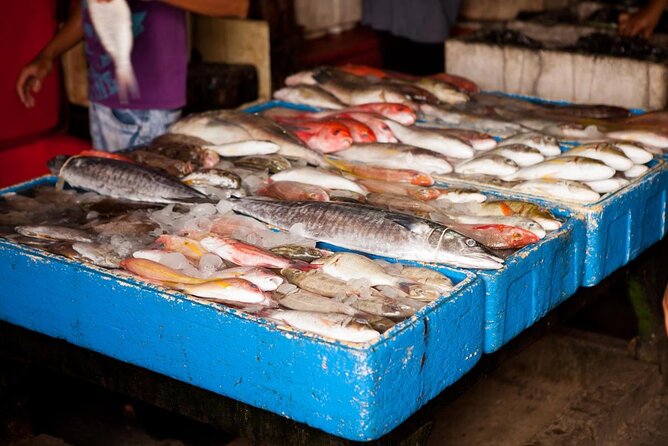
- Optional Jimbaran fish market morning adds context before cooking
- You keep the apron + get a certificate at the end
Seminyak logistics: how the pickup makes the class painless
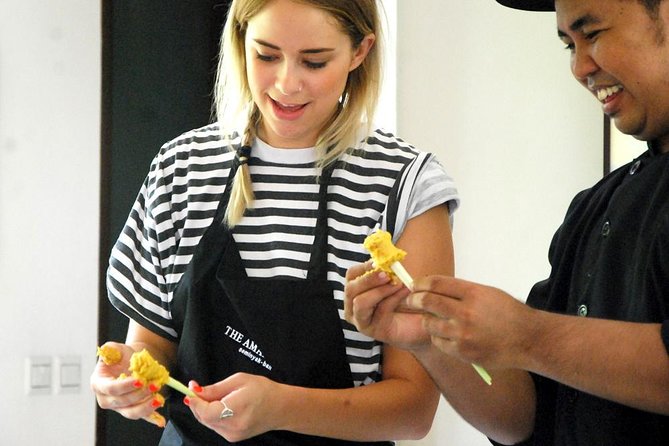
This is one of those Bali activities that works well even when your day is already full. The class offers round-trip private transfer within Seminyak, so you’re not negotiating rides to a tucked-away location. The meeting point is at The Amala Boutique Retreat (Jl. Kunti I No.108, Seminyak). You start and end back there, which helps you plan the rest of your trip without guessing transport timing.
The schedule is also built around realistic meal times. Morning sessions are aimed at finishing around early afternoon so you can eat lunch. Afternoon sessions are designed to end around early evening for dinner. If you hate rushing, this helps. If you’re the type who plans around hunger, this also helps.
One practical caution: pickup is specifically within Seminyak. If you’re staying farther away (say outside the Seminyak zone), you may need extra transport arrangements, and that can change the real “value” of the class. Before you book, make sure you’re in the pickup area or you’re comfortable sorting the ride.
Finally, the class is minimum age 12 and runs for about 3 hours. That matters if you’re traveling with teens—this is a solid, structured family option, as long as everyone can handle a bit of cooking heat and sharp knives.
You can also read our reviews of more tours and experiences in Seminyak.
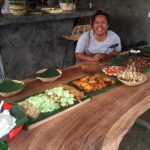
Menu choices: what you’ll cook in Menu 1, Menu 2, or vegetarian
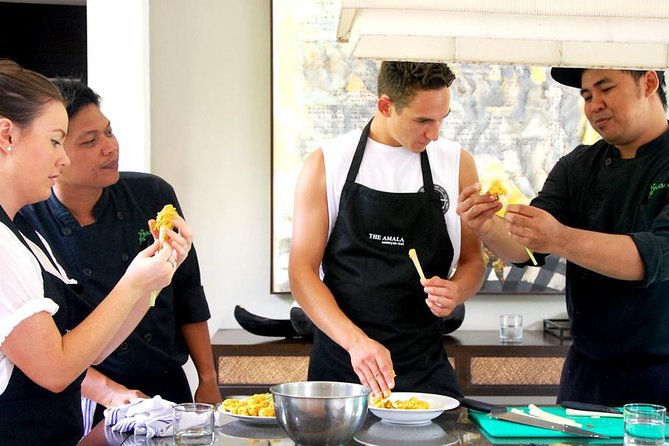
The class is designed so everyone makes the same dishes from a chosen menu. You’ll pick between Menu 1, Menu 2, or the vegetarian menu, and that menu stays the same for the whole group.
Menu 1 (meat/fish options)
You’ll cook:
- Lawar salad: green bean, fresh coconut, and chicken salad
- Tum ikan: steamed fish in banana leaf
- Dadar gulung: coconut pancake with palm sugar
This menu is a good match if you like a mix of textures: a fresh salad-style dish, a fragrant banana-leaf fish, and a sweet pancake finish.
Menu 2 (another classic combo)
You’ll cook:
- Jukut gedang mekuaH: young papaya soup with seafood
- Sate lilit ayam: chicken satay on lemongrass stick, plus steamed rice
- Godoh biu: Balinese fried banana
If you want variety beyond the usual grilled-meat stereotype, this menu tends to feel more diverse. The papaya soup adds something lighter and tangier, and the lemongrass satay brings that smoky-aromatic hit.
Vegetarian menu
You’ll cook:
- Gado-gado: vegetable salad with peanut dressing
- Pepes tahu: steamed bean curd in banana leaf
- Bubur injin: Balinese black rice pudding
What I like here is that it doesn’t feel like a sad afterthought. Banana leaf shows up again (peppery, herbal aromas cling well), and bubur injin gives you a true local sweet end rather than just fruit or cake.
The trade-off: the menu is set
Because everyone follows the same menu, you can’t swap items. If you’re picky or traveling with food preferences, pick the menu that matches your tastes before you arrive. The class still includes guidance so you understand each dish, but you’re not customizing à la carte.
Morning vs afternoon timing: what happens in each session
You get two options: a morning session (with an optional market add-on) or an afternoon session (no market included in the basic flow).
Morning option with Jimbaran fish market
- 9:30 AM: you can visit Jimbaran fresh fish market with the chef
You’ll have the chance to purchase ingredients and spices for your cooking class.
- 11:00 AM: meet the chef, get an intro to ingredients and equipment
- 11:30 AM: start the first prep under the chef’s supervision
- 1:00 PM: finish cooking, then eat your meal
For this morning option, the market part is where the cooking starts to make sense. You’re not just learning how to cut and cook—you’re learning what fresh looks like and why the dish is built the way it is.
Afternoon session
- 4:00 PM: meet the chef and get your ingredients/equipment intro
- 4:30 PM: start prep
- 6:00 PM: finish and enjoy your meal
Afternoon is great if you want a slower start, a beach time window, or you’re pairing this with another activity. It also works well if you don’t want to deal with morning logistics.
Jimbaran market add-on: worth it, and what to watch
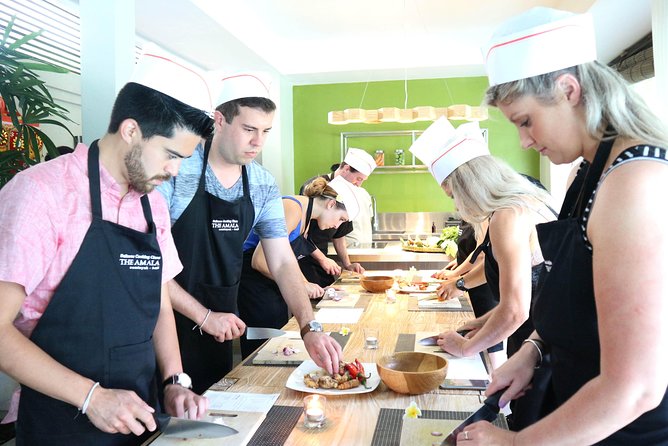
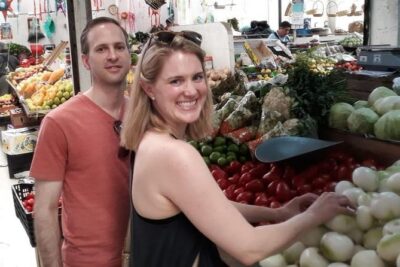
The optional fish market visit is one of the most talked-about parts of this experience because it connects ingredients to the final dishes. The chef accompanies you, and you can buy fresh fish and other ingredients/spices for the class.
Here’s what to keep in mind:
- It requires a minimum of 2 persons per booking.
- If you’re booking just 1 person, there’s an extra charge of Rp100,000 net noted for the market tour.
Also, because it’s optional, you should decide early. If you truly want the market experience as a centerpiece, choose the morning session that includes that option. If you’re short on time, or you’d rather spend the morning doing something else, the afternoon class still stands on its own—you’ll still cook a full 3-course meal and learn the dish-building steps.
A small but meaningful insight from the experience style: the chef doesn’t just point at items. They explain what to look for and how the ingredients translate into the food you’ll make later. That’s the difference between a quick market stop and a market that helps you cook better.
The cooking portion: how a 3-course class stays manageable
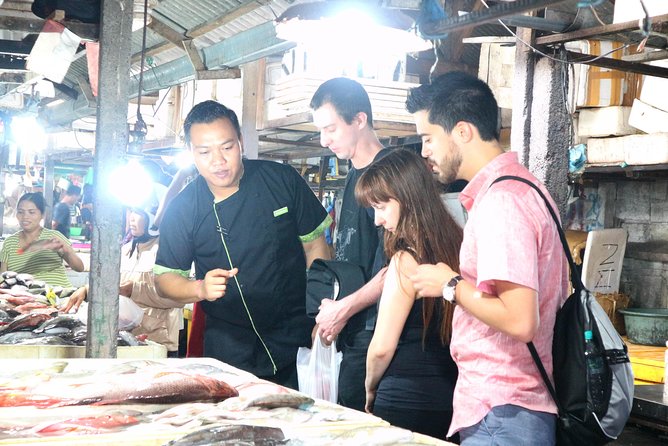
The class is about 3 hours, and it doesn’t try to overwhelm you. You start with an intro to ingredients and equipment, then you move into supervised prep, then you cook and eat.
At the start, you’ll meet the chef and get set up with what you’ll need. You’ll learn how the day’s ingredients work together—especially how Balinese flavor relies on blends of aromatics and fresh produce. Then you get hands-on time, with chances to cut, prepare, and participate.
What I like about this format is that it’s not framed like a cooking demo. The teaching style aims for you to actually do the work. One of the class’s standouts is that it’s led by chefs such as Chef Putu, and the instruction tends to be approachable, with staff support so you’re not standing around waiting.
Still, a realistic note: some cooking classes feel like chopping marathons. In this one, prep tasks (like ingredient chopping) are part of the process. If you prefer lots of stirring only, you might find that the class leans practical—hands on early, then cooking, then eating. That’s not a flaw for most people, but it’s worth knowing.
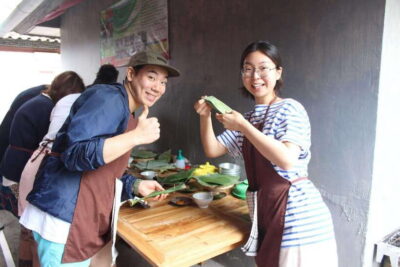
After you finish, you receive a certificate from the chef and keep your class apron as a souvenir. Small touch, big win. It gives the experience a finish line and something physical to remind you of the recipes you practiced.
The meal at the end: what you actually eat (and why it matters)
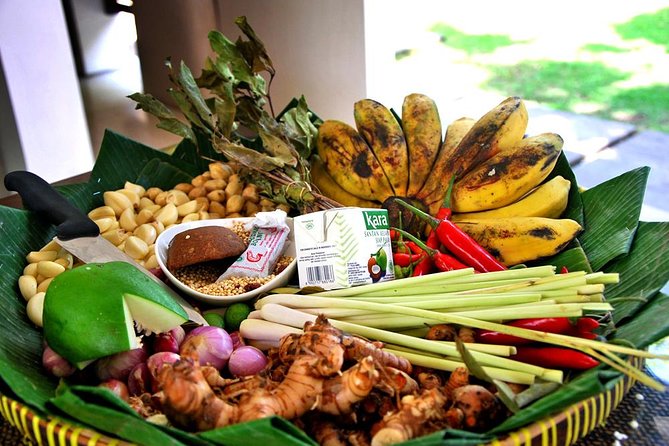
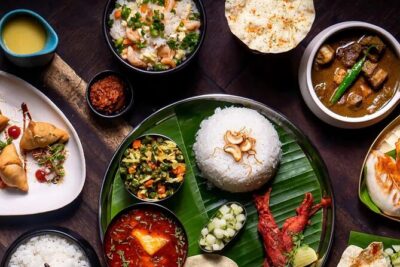
The payoff is straightforward: you finish cooking and then you eat what you made—either for lunch or dinner depending on your session. That matters more than people think. In many cooking classes, the meal is just a snack. Here it’s positioned as the main point.
From the menus, you’ll likely end up with:
- something fresh and herb-forward (like lawar or gado-gado),
- something fragrant and cooked in banana leaf (tum ikan or pepes tahu),
- plus a sweet ending (dadar gulung or bubur injin),
- or a more comforting savory-sweet combination like papaya soup with seafood and satay.
There’s also real satisfaction in eating right after cooking. You get the aroma at peak freshness and you can tell which ingredient decisions made the difference.
A balanced warning: a small number of experiences note the meal can end up cold by the time everyone is seated. That can happen when groups run a little behind or when everyone waits to eat together. It’s not enough to dismiss the class, but it is a reason to arrive on time and settle in when your session concludes.
Price and value: what $66.67 buys you in Seminyak
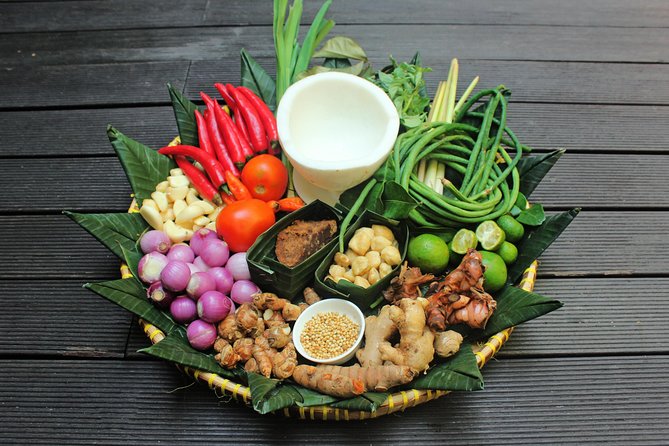
At about $66.67 per person, this isn’t the cheapest cooking class in Bali—but it also isn’t in the “premium only” category. The value is strongest if you care about two things: transportation that’s already solved and a chef-led structure that teaches you real steps.
What you’re getting for the money:
- about 3 hours of instruction and cooking,
- round-trip private transfer within Seminyak,
- a full 3-course meal (with vegetarian menu available),
- a small group size (max 10),
- plus extras like a certificate and keeping the apron.
The one value swing is the market add-on. If you want the Jimbaran market visit, you may need to consider the minimum group size rule and the possible Rp100,000 net extra for single bookings. If you’re traveling with a friend or partner, it’s usually easier to make the market option work.
So my practical advice: if the market visit sounds like your favorite part of Bali (fresh ingredients, local sourcing, and seeing what goes into the dish), prioritize the morning session and plan your booking party size accordingly. If your goal is mainly hands-on cooking and enjoying a sit-down meal, the base cooking class still delivers.
Who this class suits best in Bali
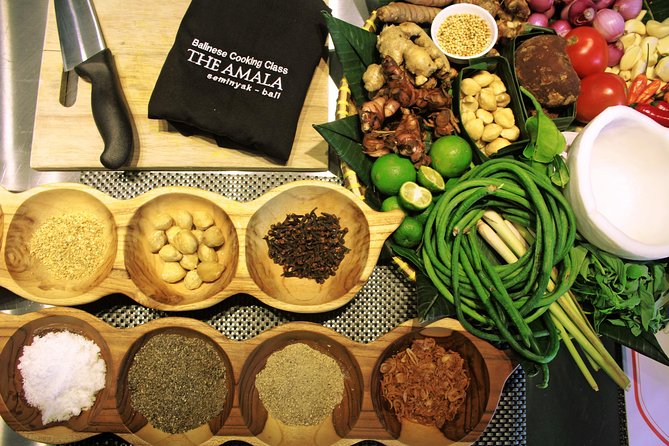
This experience fits best if you want something active, social, and local-skill focused. It’s ideal for:
- couples and small groups who want a shared activity with a meal at the end,
- visitors who like guided cooking but also want breathing room and support,
- vegetarians who want a full menu, not a token substitute,
- anyone staying in or near Seminyak, thanks to pickup within the area.
It may be less ideal if:
- you’re outside Seminyak and aren’t ready to sort extra transport,
- you want to choose individual dishes à la carte (the menu is set),
- you’re booking alone and really want the market add-on (minimums and the Rp100,000 extra can apply).
One more note from the way the chefs are described: teachers like Chef Putu and staff such as Manik and Evi are mentioned with praise for making the cooking process easy to follow and fun. If you like learning through explanation and small corrections, you’re in the right place.
Should you book the Balinese Cooking Class in Seminyak?
Yes, if you want a calm, chef-led way to learn real Balinese cooking and then eat it right away. The class earns its popularity through a mix of hands-on participation, a proper 3-course meal, and the option of a Jimbaran market morning that actually connects ingredients to the dishes you’ll make.
I’d skip or think twice if you:
- don’t want a fixed set menu,
- are far outside Seminyak and expect pickup to cover everything,
- are booking solo and insist on the market visit without extra charges.
If you’re in Seminyak and you want a meaningful cultural-food activity that doesn’t eat your whole day, this is a strong choice. Pick the menu that matches your tastes, consider the market add-on thoughtfully, and you’ll leave with both recipes you can recreate and a very local story you can tell.
FAQ
How long is the Balinese cooking class?
The class lasts about 3 hours.
Is pickup available in Seminyak?
Yes. Round-trip private transfer is included within the Seminyak area.
Does the class include the meal?
Yes. After you cook, you enjoy your 3-course meal as lunch or dinner (depending on the session).
What menus are available?
You choose one of three set menus: Menu 1, Menu 2, or a vegetarian menu.
Is there an option to visit the Jimbaran fish market?
Yes, there is an optional morning market visit with the chef. It has a minimum of 2 persons per booking, and an extra Rp100,000 net applies if you book for 1 person.
Where do you meet and where does the tour end?
You meet at The Amala Boutique Retreat in Seminyak and the experience ends back at the same meeting point.
What age is required to join?
The minimum age is 12 years.