REVIEW · KANDY
Kandy cooking class with village family
Book on GetYourGuide →Operated by AGS Tours · Bookable on GetYourGuide
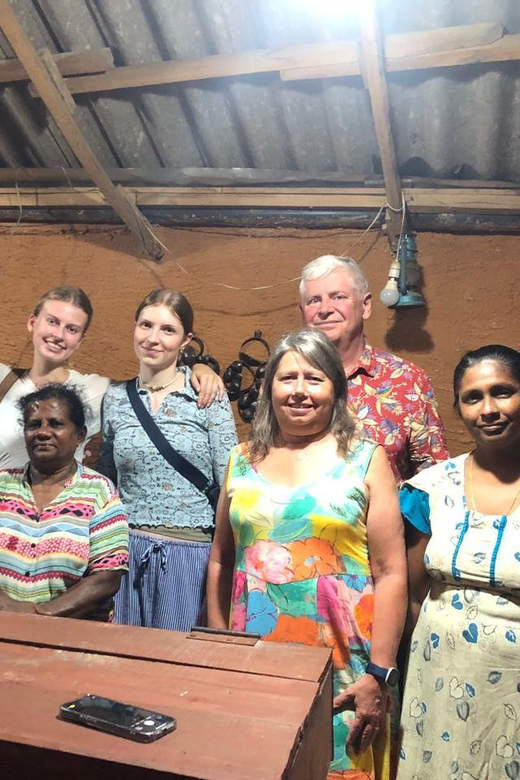
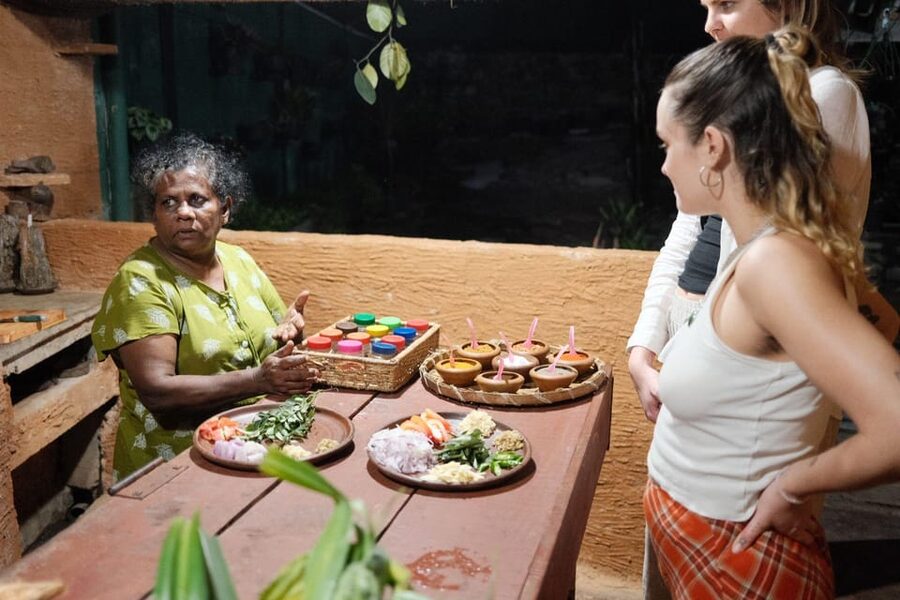
Cooking in a Kandy village feels personal. I love the hands-on cooking part, where you cook the dishes A to Z instead of just watching, and I love learning how each spice and ingredient fits into traditional Sri Lankan flavors. You’ll be picked up from your hotel, then driven out of the city to a local house in a village setting where meals aren’t made in a concrete, cookie-cutter facility.
One thing to plan for: return transport isn’t fully covered. You’ll have transport from Kandy to the cooking place, but the ride back is extra or you’ll arrange it yourself, so budget a little time and money.
In This Review
- Key Things To Know Before You Go
- The Village Setting Outside Kandy Makes the Food Taste Different
- Pickup and Timing: How the Class Fits Your Day
- What You Actually Cook: A Clear, Traditional Lineup
- Inside the Kitchen: How the Teaching Works
- Menu Rotation by Day: Why That’s a Good Thing
- The Coconut Sambol and Papadam Combo
- The Vegetable Section: Learn the Sri Lankan Approach
- Fish or Chicken Curry: What to Watch While You Cook
- Dessert: The Traditional Sweet Finisher
- Photos of Your Recipes: A Practical Follow-Up
- Price and Value: Is $23 Worth It?
- Who This Cooking Class Is Perfect For
- Who Might Want to Skip It
- Should You Book This Kandy Village Cooking Class?
- FAQ
- Where is the cooking class located?
- How long is the Kandy cooking class?
- What time options are available?
- What food is included in the class?
- Can the class do vegan food?
- Is pickup included from Kandy?
- Is transportation back to Kandy included?
- Is the class suitable for wheelchair users?
- What is the cancellation policy?
Key Things To Know Before You Go
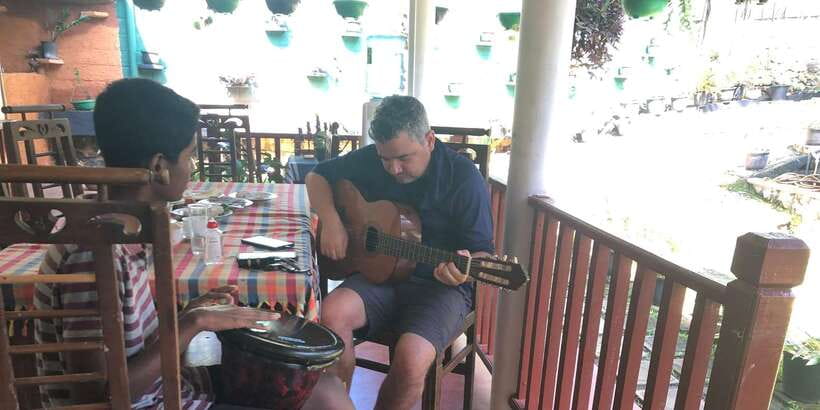
- Real village house, not a city venue: You’re about 6.5 km outside Kandy and fully inside the village experience.
- You cook the menu, not just sample it: The chef explains, then you do the cooking step-by-step.
- Traditional menu rotation by day: Each day has different dishes based on Sri Lankan culinary traditions.
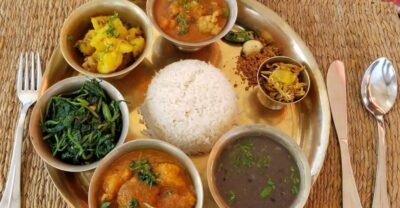
- A set lineup with big variety: rice, 7 vegetables, coconut sambol, papadam, a traditional sweet, plus fish or chicken curry.
- Vegan-friendly if needed: The class does vegan options, with flexibility for egg, chicken, or fish if you prefer.
The Village Setting Outside Kandy Makes the Food Taste Different
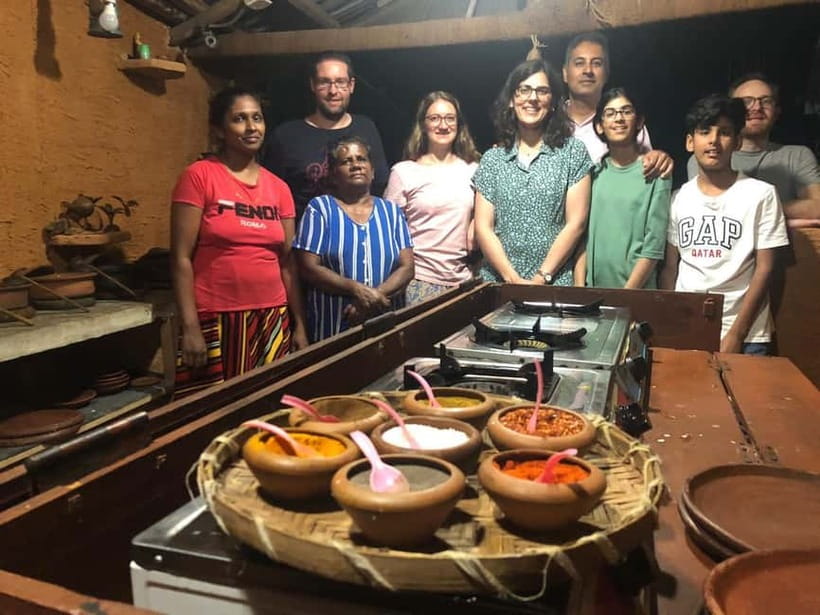
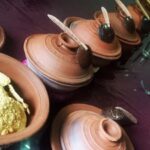
This class is in Mahanuvara, with the cooking location set in quiet residential village areas just outside Kandy. The big difference is that you are not in the city and you’re not in a modern, concrete building. It’s a lived-in home setup, which changes the whole tone of the experience.
That matters because traditional Sri Lankan cooking is not just about recipes. It’s about habits: how people handle spices, how vegetables are prepared, and how coconut-based condiments come together. When you cook in that kind of setting, you’re more likely to notice the small choices that make the food taste the way it does back home.
You can also read our reviews of more tours and experiences in Kandy.

Pickup and Timing: How the Class Fits Your Day
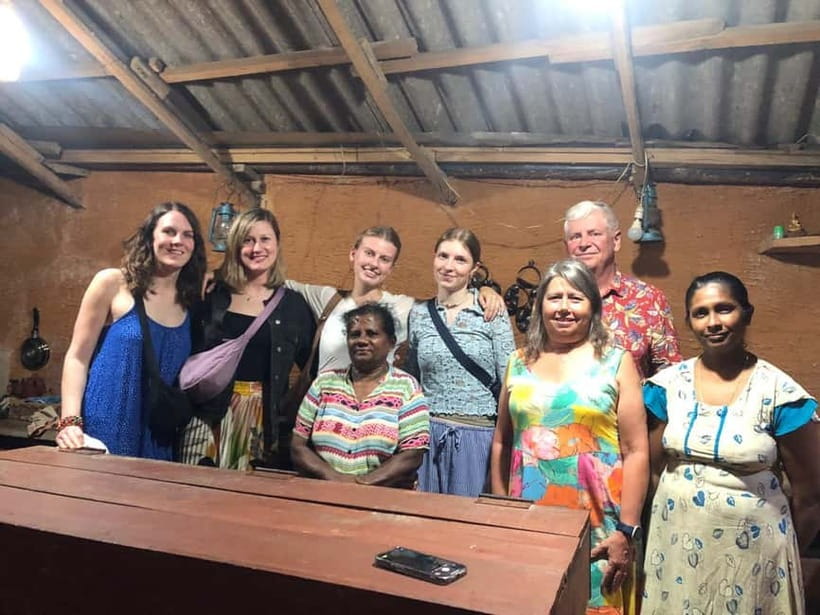
You’ll get pickup from your hotel in Kandy and around 3 km beyond the city. Then you ride out to the cooking house in the village. The class runs about 3.5 hours, and you can pick one of the three daily options:
- Lunch class: 9:00am to 12:30pm
- Midday class: 1:00pm to 4:30pm
- Dinner class: 5:00pm to 8:30pm
Menu timing can be a big deal in Kandy. If you’re trying to balance the rest of your day (temple visits, tea-time stops, or a lake walk), choose the slot that matches your energy level. The dinner session can be especially nice if you like a slower evening rhythm, but any time works if you’re okay with a hands-on activity that takes a few hours.
What You Actually Cook: A Clear, Traditional Lineup
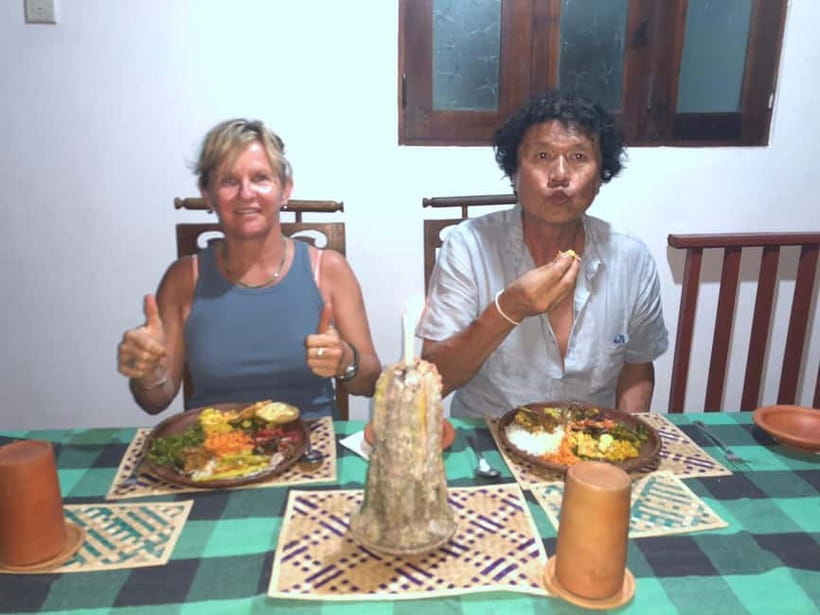
This isn’t a one-dish class. The meal is built around a full Sri Lankan spread. The included food typically includes:
- rice
- 7 vegetables
- coconut sambol
- papadam
- fish or chicken curry
- 1 Sri Lankan traditional sweet (dessert)
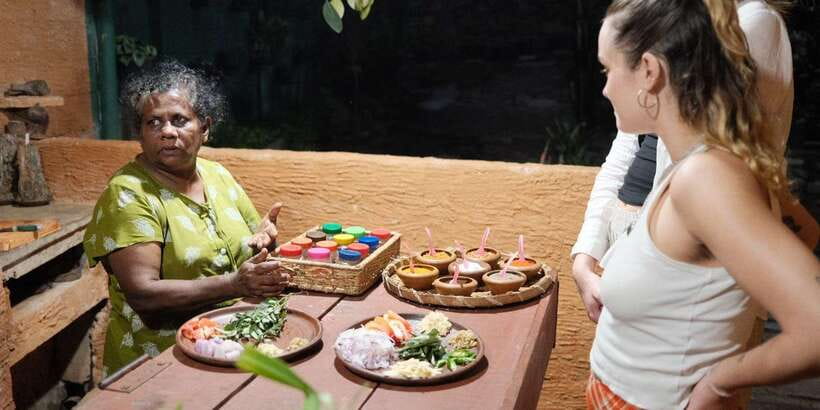
You also learn how to cook with the spices—so you’re not only making the dishes, you’re practicing the flavor logic behind them. The chef explains what to do, then you do it.
The course also supports dietary needs. They can do vegan foods. If you want flexibility, they can include egg, chicken, or fish depending on what you choose. That’s useful if you’re traveling with a mixed group and don’t want anyone to feel left out.
Inside the Kitchen: How the Teaching Works
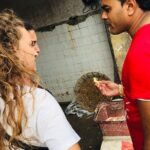
The instructor is English-speaking, and the class is structured as real cooking lessons rather than a demonstration. In practice, that means you’ll be active: chopping, mixing, cooking, tasting, and adjusting.
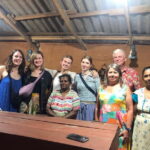
One of the most praised parts of this experience is how clearly the host explains things. People describe the guidance as practical and easy to follow—exactly what you want when you’re dealing with unfamiliar spice blends and cooking methods. The kitchen setup is also described as nice and comfortable, and the overall vibe feels warm and welcoming, like you’ve been invited to cook with family.
I’d treat this as a skills lesson, not just a meal. If you pay attention to the order of steps—when aromatics go in, when curry thickens, how sambol is balanced—you’ll have a much easier time recreating the food at home.
Menu Rotation by Day: Why That’s a Good Thing
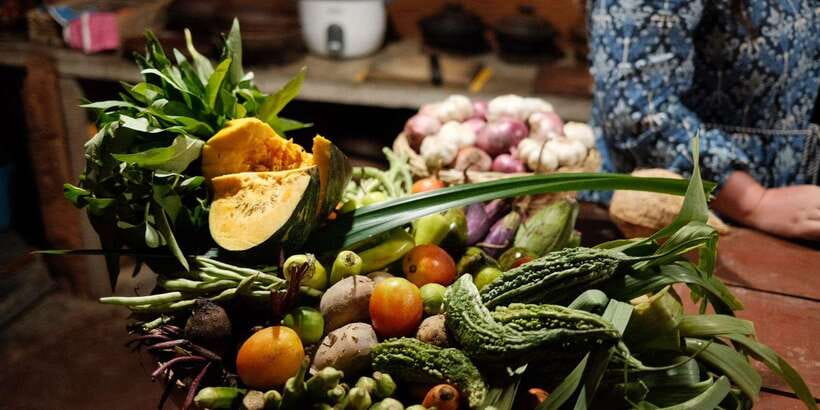
The menus change by day of the week. That means you’re not guaranteed the exact same set of dishes as someone who went another day, but the upside is that you’ll be learning a broader picture of Sri Lankan eating culture.
If you’re in Kandy for more than a day, it also gives you the option to pick a session that matches your interests. Even if you only do one class, the day-specific menu keeps things from feeling repetitive.
The Coconut Sambol and Papadam Combo
Two parts of Sri Lankan cuisine show up for a reason here: coconut sambol and papadam. Coconut sambol is one of those condiments that can completely change how a meal tastes. It brings texture and brightness, and it helps balance the heat and richness of the curry dishes.
Papadam adds crunch. It’s small, but it’s a key “Sri Lanka plate” detail that turns the meal from a collection of curries into a real, balanced spread.
If you’ve never cooked with sambol before, pay attention to how it’s assembled. These condiments are often about proportion—more coconut vs. more chili, more lime vs. more salt, and how you mix so the flavors stay bright instead of flat.
The Vegetable Section: Learn the Sri Lankan Approach
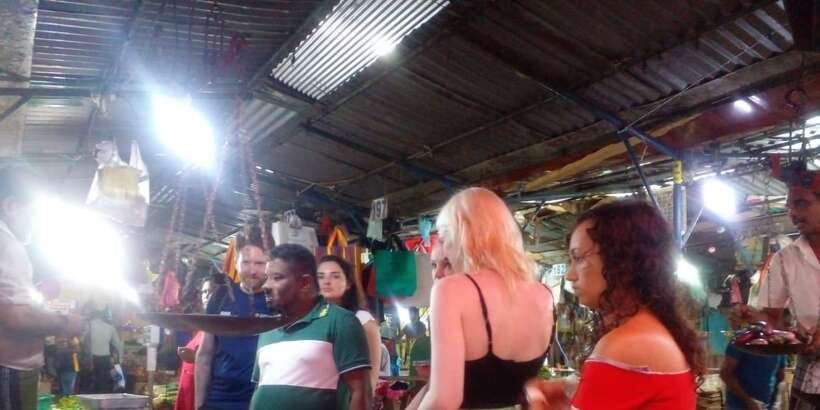
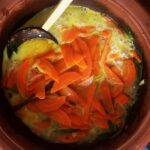
A big part of the menu is 7 vegetables. This is great for learning because it shows how Sri Lankan vegetable cooking isn’t just one style. You’ll see different preparation methods and how spices are used across vegetables, not only in curries.
Even if you mainly care about curry, don’t rush through the vegetable items. This is where you’ll pick up practical techniques that transfer easily back home—spice handling, softening vegetables properly, and getting the seasoning right.
Fish or Chicken Curry: What to Watch While You Cook
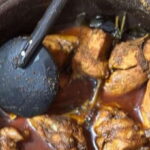
You’ll cook a fish or chicken curry as part of the included menu. The key learning moment is understanding how the curry is built with spices, and how the texture changes as it cooks.
Taste as you go. If you can adjust salt, acidity, and heat during the cooking process, you’ll understand why Sri Lankan curry doesn’t taste the same from one kitchen to another. That’s also the difference between memorizing a recipe and actually learning how to cook.
Dessert: The Traditional Sweet Finisher
The class includes 1 Sri Lankan traditional sweet. The main value here is not only eating it, but understanding how sweets fit into a meal. Sri Lankan desserts are often less about heavy frosting and more about local ingredients and balanced sweetness.
Use the sweet as a clue for how ingredients are chosen and treated. When you get the chance to re-cook later, these finishing flavors help you recreate the full meal feeling.
Photos of Your Recipes: A Practical Follow-Up
After the class, you can be sent photos of the recipes you cooked. This is one of those simple touches that makes the course more useful later.
For home cooking, photos beat memory. They help you remember the ingredient order and what your finished dishes should look like—especially for items like sambol, where texture matters.
Price and Value: Is $23 Worth It?
At $23 per person, this class is priced in a range that feels quite reasonable for what you get: a 3.5-hour hands-on cooking lesson, hotel pickup in Kandy (and about 3 km around), a full meal spread, and an English-speaking instructor.
The best value comes from the fact that you’re not only eating traditional Sri Lankan dishes—you’re making them. That’s different from a standard food tour, because you take skills home, not just photos.
The main cost consideration is the return trip. Transport from Kandy to the cooking house is included, but the return journey costs extra unless you arrange it yourself. So if you’re budgeting tightly, plan for that added ride back.
Who This Cooking Class Is Perfect For
I think this works best for travelers who want more than a taste. You’ll get the most value if you like cooking, want to learn spice methods, and enjoy sitting down for a real meal you helped prepare.
It’s also a good choice for couples and small groups who want a quieter, more personal setting than the typical Kandy tourist route. Since it’s a private group, you won’t be squeezed into a big crowd.
Who Might Want to Skip It
If you dislike hands-on activities, you might find the cooking workload stressful. Also, the experience is not suitable for wheelchair users based on the information provided.
And if you hate logistics, remember the return transport detail. You’ll need to plan your ride back from the village.
Should You Book This Kandy Village Cooking Class?
Yes—if you want a true Sri Lankan cooking experience in a home setting outside Kandy. The value is strongest for the practical reason: you cook the traditional dishes yourself, you learn how the spices work, and you leave with recipe photos you can use later.
I’d consider skipping it only if return transport hassles would ruin your day, or if you’re looking for a mostly passive activity. If you’re excited to cook and learn, this is one of the most memorable ways to connect with local food culture while you’re in the Kandy area.
FAQ
Where is the cooking class located?
The class takes place in Mahanuvara, in a village setting about 6.5 km away from Kandy. You are picked up from Kandy and taken to the cooking house in quiet residential village areas.
How long is the Kandy cooking class?
The lesson lasts about 3.5 hours, and it can vary. It’s typically a 3 to 4 hour experience.
What time options are available?
There are three class times: lunch 9:00am–12:30pm, midday 1:00pm–4:30pm, and dinner 5:00pm–8:30pm. Starting times depend on availability.
What food is included in the class?
Included items include rice, 7 vegetables, coconut sambol, papadam, fish or chicken curry, and 1 Sri Lankan traditional sweet (dessert).
Can the class do vegan food?
Yes. Vegan foods are available. They can also include egg, chicken, or fish if you want those options.
Is pickup included from Kandy?
Yes. Pickup is included from your hotel in Kandy and around 3 km outside Kandy.
Is transportation back to Kandy included?
Transport from Kandy to the cooking place is included, but you have to pay extra for the return journey unless you arrange it yourself.
Is the class suitable for wheelchair users?
No, it is not suitable for wheelchair users.
What is the cancellation policy?
Free cancellation is available up to 24 hours in advance for a full refund.