REVIEW · GQEBERHA
GQ: City Walking Tour & African Cuisine Cooking Class
Book on GetYourGuide →Operated by RAWSON TOURING PTY LTD · Bookable on GetYourGuide
History tastes better after cooking. This Gqeberha (Port Elizabeth) city walking tour plus African cuisine cooking class is a great combo: you get local stories and key sights by foot, then you roll up your sleeves and make a real meal you sit down to share. I especially liked how the walk connects you to places like the Campanile Memorial and Donkin Reserve, and how the kitchen time isn’t a demo—it’s hands-on.
One heads-up: the cooking portion is the whole point of the combined option, so if you’re short on time or very food-focused, double-check you’ve booked the city tour plus cooking class. The experience is rated highly overall, but there has been at least one unhappy case where the cooking part felt missing.
In This Review
- Key things I’d note before you go
- Gqeberha on Foot: getting your bearings fast
- Campanile Memorial and Donkin Reserve: the best view-to-story pairing
- Victorian streets, cobblestones, and street art you can talk about
- Markets, drinks, and a quick arts-and-crafts stop
- The hands-on cooking class: from sadza to stews
- Eating together: why the communal meal is more than a finale
- Price and timing: is it worth $56 for you?
- Small-group comfort: what up to 10 people changes
- Who should choose the walk-only option?
- Who should choose the combined cooking class?
- A possible snag to plan around
- Quick practical tips so you enjoy every part
- Should you book this city walk and cooking class?
- FAQ
- What options are available for the experience
- How long is the tour
- Is pickup included and where does it pick up from
- Is there a live guide and what language is it in
- What food is included in the cooking class
- Can I cancel and get a refund
Key things I’d note before you go
- Small group size (up to 10) keeps the guide’s attention on your group.
- Two options in one company lets you do the walk only, or the walk plus the kitchen class.
- You cook identifiable dishes like sadza, chakalaka, chicken stew, and sugar beans (with vegan/vegetarian options).
- You eat what you make with your hosts, not a separate restaurant meal.
- Local guide moments matter—for many people, the best memories are the friendly greetings and quick photo help along the route (some guides, like Rowson, are noted for this).
- Pickup is flexible from Port Elizabeth or Addo, which saves you hunting for a meeting point.
Gqeberha on Foot: getting your bearings fast

You start in Port Elizabeth area, with pickup options around Port Elizabeth or Addo, so you don’t have to navigate on your own. Once you’re together, you’re led on a walking route through Gqeberha’s main sights, with a live English-speaking guide who keeps things practical and understandable.
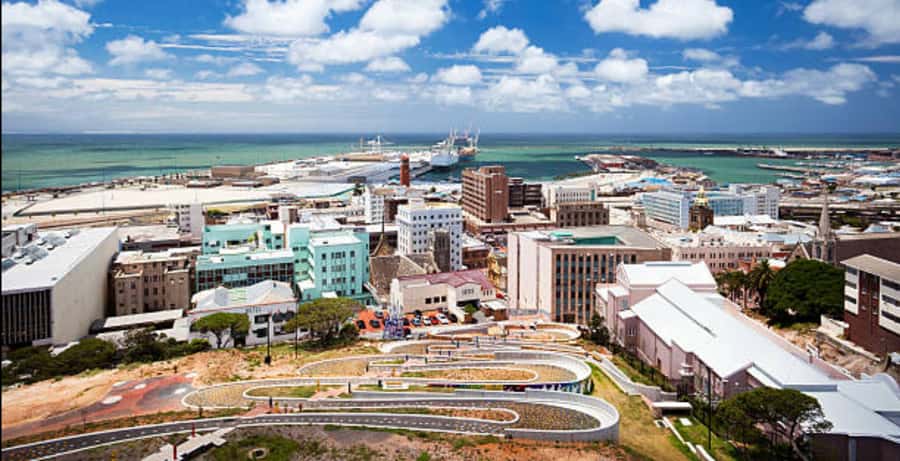
I like this format because it gives you orientation in a place that can feel big when you’re driving. You move at a steady walking pace, and you’re hearing why these spots matter—Victorian-era details, coastal views, and the layers of people and change that shaped the city.
And even if you’re only doing the walk-only option, you still get a strong “why this place is called Friendly” context as you go. That matters more than ticking off landmarks because you’ll know what you’re looking at when you pass it later.
Campanile Memorial and Donkin Reserve: the best view-to-story pairing
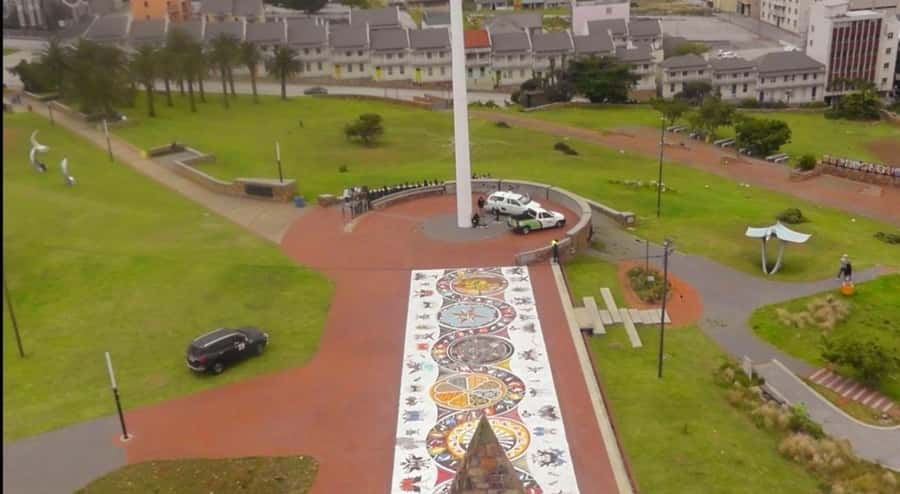
Two stops do a lot of heavy lifting on this tour: the Campanile Memorial area and Donkin Reserve.
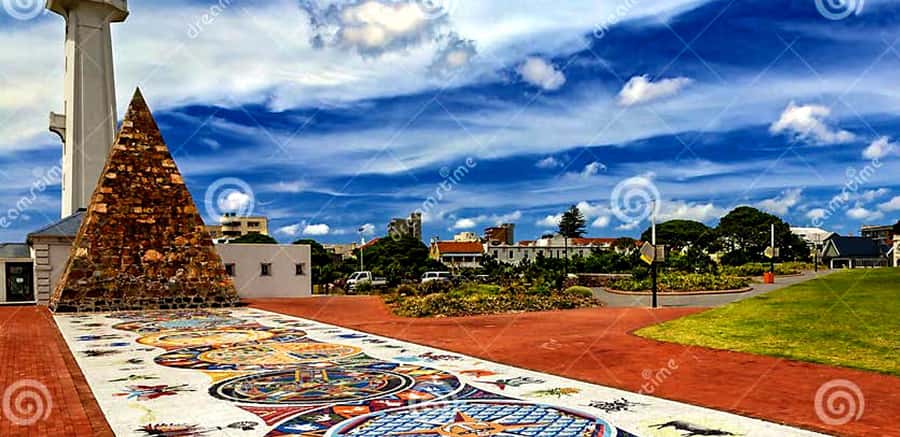
At the Campanile Memorial, you’re in view mode—expect panoramic looks out as you connect the city to its coastal setting. It’s the kind of photo moment that also helps you understand distances and directions, especially if you’re continuing your trip afterward.
Then you shift into Donkin Reserve, which you’ll experience through mosaics and local history. The mosaics aren’t just decoration here; they’re part of how the city remembers itself, and your guide’s explanations help you read the space instead of just glancing at it.
If you like cities where you can learn while walking (rather than riding from stop to stop), these two anchor points are worth showing up for.
Victorian streets, cobblestones, and street art you can talk about
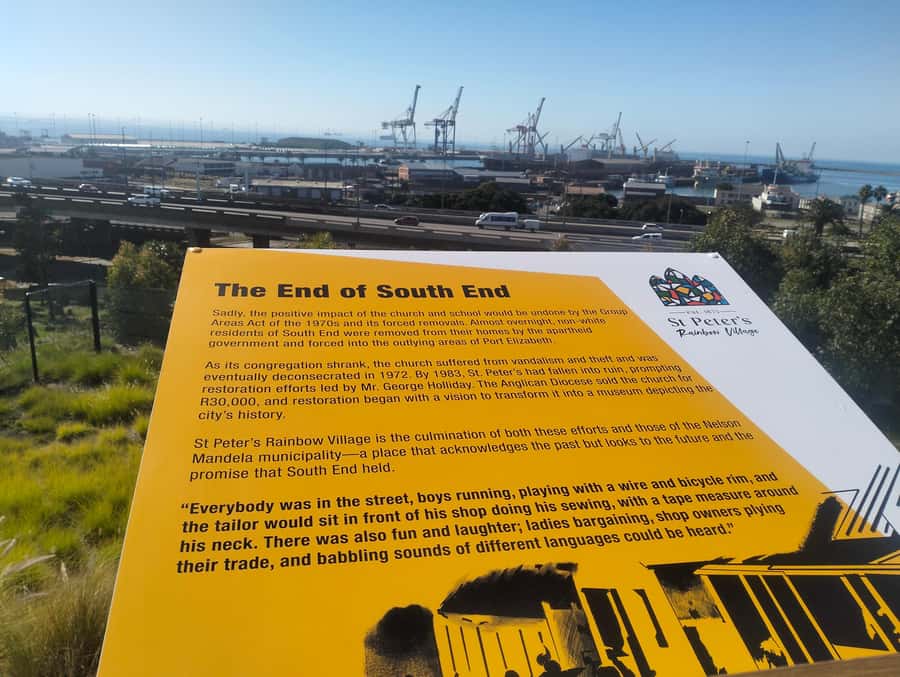
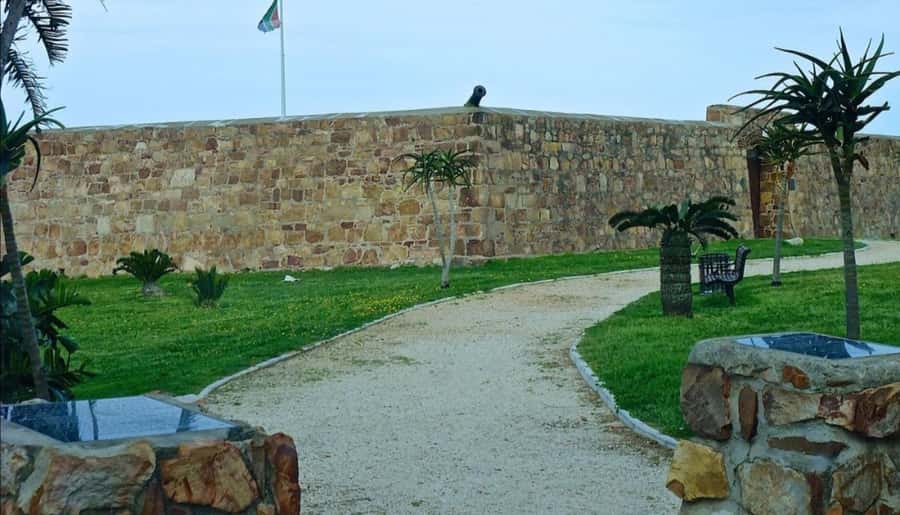
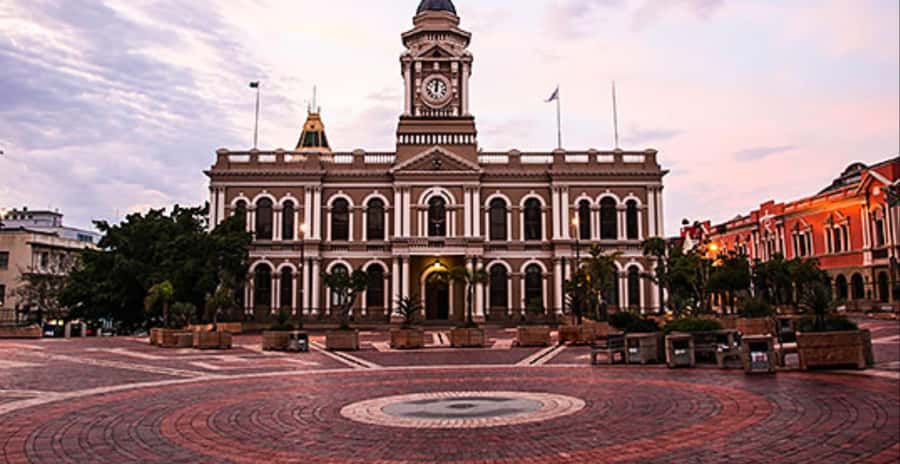
Gqeberha’s charm doesn’t come only from big monuments. You’ll also spend time on historic streets with Victorian architecture, plus cobblestone alleyways that feel more human-scaled than main roads.
One part I’d plan for is the contrast: older buildings and planning meet more modern expression. You’ll see bold street art and you’ll get help putting that into context—how the city’s creative energy sits alongside its older identity.
This is also a good option if you want more than the shiny highlights. Guides like Rowson are specifically noted for company and for snapping photos when you want them, so the walking part tends to feel social, not like you’re being herded past a checklist.
Markets, drinks, and a quick arts-and-crafts stop

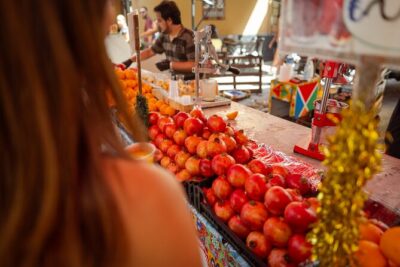
During the combined experience, there’s a beer component and time that includes lunch and wine tasting, plus a short visit to an arts and crafts market. Even though that market stop is brief, it’s the sort of add-on that helps you shop with a little confidence—what you’re seeing ties back to the city’s everyday life and local creativity.
If you’re the type who likes to taste as you go, this pacing helps. You get walking and sightseeing first, then you transition into food—so you’re not just staring at displays, you’re collecting flavors and context.
One practical note: with lunch and tasting in the mix, you’ll want to arrive with a normal appetite. Don’t treat this like a strict diet day, because the best part is eating what you’re part of making next.
The hands-on cooking class: from sadza to stews
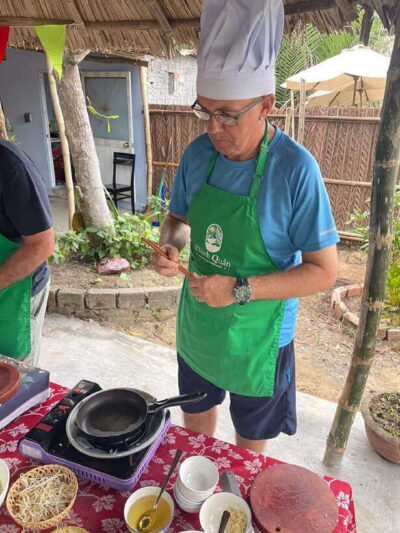
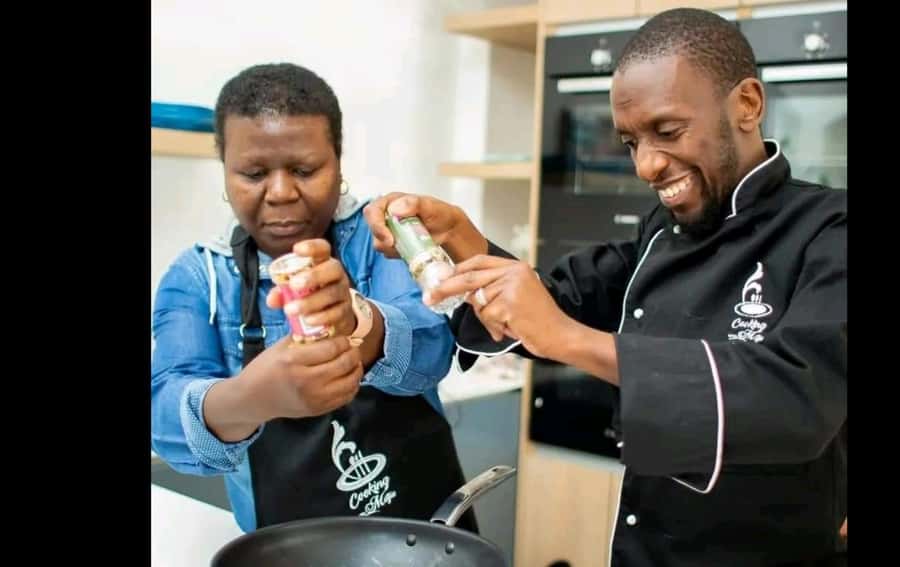
This is the heart of the combined option. After the walk, you head into a kitchen setup where you’re welcomed with traditional drinks and starter snacks, then you learn about ingredients and how African recipes have been passed down.
What I like most is that you’re not watching from the sidelines. You roll up your sleeves and participate step by step, which makes the dishes feel personal instead of mysterious.
You’ll work on a menu that includes sadza (a ground maize staple), plus hearty mains like beef bones with greens, tender chicken stew, chakalaka, and sugar beans. The class also includes vegan and vegetarian options, so you’re not stuck with a token alternative if you don’t eat meat.
Even if you’ve never cooked these before, the structure matters. Step-by-step technique plus a shared cooking process means you’ll likely be able to recreate at least one or two components when you get home.
Eating together: why the communal meal is more than a finale
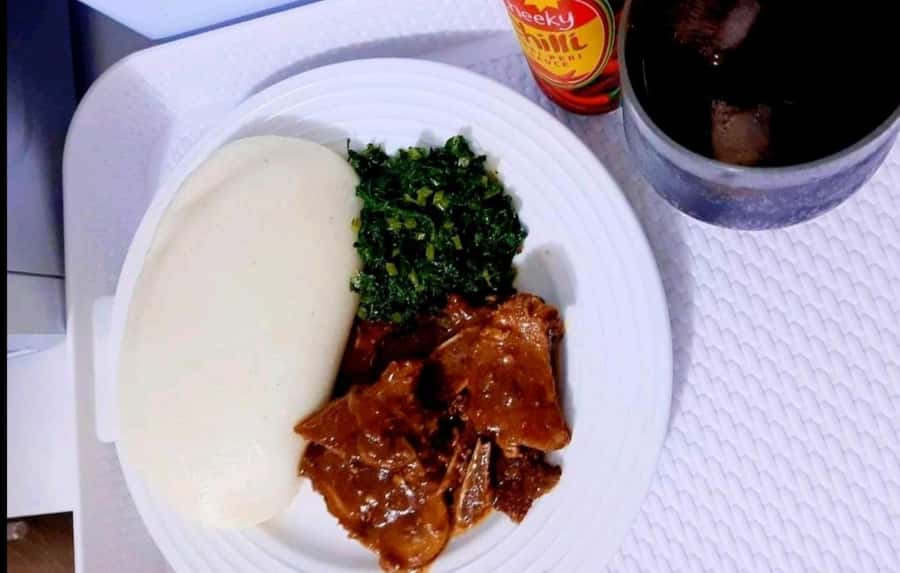
Once cooking is done, you don’t just get a plate and run. You gather communally to enjoy the meal you cooked, which is the point—learning how dishes come together is one thing, but eating them together tells you how they’re meant to be shared.
This is also where the cultural tone becomes clear. You’re experiencing food as hospitality, not just a meal deal. And when it’s finished, you get an African hot beverage, which is a nice wrap-up after a couple hours of walking and active cooking.
If you care about value, this is where it shows. At $56 per person, you’re paying for city guidance plus a full meal experience that includes starters and a hot drink, not just a taste of something random.
Price and timing: is it worth $56 for you?
$56 per person is a fair price for a combo day that blends a local city walk with an actual cooking session and the meal you prepare. The math gets better when you consider what’s included: pickup and guide, then ingredients, cooking instruction, shared lunch-style eating, and a hot beverage.
Timing is also your decision point. You can do the city walking tour only for about 2 hours, or choose the combined city tour plus cooking class option, which runs up to roughly 210 minutes (about 3.5 hours total). That means the combined option is better if you like hands-on activities and want to go deeper than “where to take photos.”
If you’re short on time, skip the kitchen part and just enjoy the walk. But if you want a story you can eat later, the cooking class is the memorable piece.
Small-group comfort: what up to 10 people changes
This runs with a small group limited to 10 participants, which makes a difference. With fewer people, it’s easier for the guide to manage the walking pace and help with questions, and it’s easier in the kitchen when space and tools are shared.
It’s also easier if you’re solo. When you’re not fighting for attention in a crowd, you’re more likely to actually talk with your guide during the walk and ask about ingredients during the cooking portion.
If you’re traveling as a couple, this size also helps. You’ll get personal guidance without feeling like you’re trapped in a private bubble.
Who should choose the walk-only option?
The city tour alone works best if you’re mostly focused on orientation and sights. You’ll still learn about the city’s identity as you walk through historic areas, viewpoints, and key places around Gqeberha.
It also makes sense if you’re already hungry—but not for cooking. Choose walk-only if you’d rather pick your dinner afterward from a place you choose, instead of committing to a fixed meal schedule.
Who should choose the combined cooking class?
Pick the combined option if you want a hands-on cultural experience. The cooking part isn’t just a flavor sampler; it’s structured participation—sadza, stews, chakalaka, and beans—plus eating what you made.
It also fits families and friends who like shared tasks. When everyone chops, stirs, and tastes along the way, the experience is naturally social, even in a small group.
One more practical thought: this experience is listed as not suitable for pregnant women, so plan accordingly if that’s relevant for you.
A possible snag to plan around
Because one review specifically complained that the entire cooking segment seemed to be missing, I’d treat this as a “check your booking carefully” situation. When you book, make sure you’re selecting the combined option that includes the cooking class.
On the day, if anything feels off—like the schedule running tight or people being told the kitchen part is shorter than expected—ask your guide early so you can adjust your expectations in time. It’s better to confirm than to guess.
Quick practical tips so you enjoy every part
- Wear comfortable walking shoes. You’re out on foot for a couple hours before the kitchen portion.
- If you’re doing the combined option, arrive with a normal appetite and plan to eat what you cook.
- Bring a watch/phone for timing, since you’ll want to move smoothly from walking to cooking.
- If you want photos, ask your guide when you’re at viewpoints; photo help is part of the friendly guide experience for many people.
Should you book this city walk and cooking class?
Book it if you want Gqeberha context you can feel and a meal you helped make. The combination of Campanile views, Donkin Reserve mosaics, local walking stories, and a hands-on cooking session with dishes like sadza and chakalaka is the kind of memory you keep longer than a photo.
Skip it if you only want quick sights and don’t care about cooking. In that case, the walk-only option will likely give you the sightseeing value without the extra time in the kitchen.
And if you do book the combined option, do yourself a favor: confirm your option at pickup so you get the full class experience you’re paying for.
FAQ
What options are available for the experience
You can choose either a normal city walking tour or a city tour plus an African cuisine cooking class.
How long is the tour
The city walking tour is about 2 hours, and the combined city tour plus cooking class can run up to about 210 minutes.
Is pickup included and where does it pick up from
Pickup is included. You can be picked up from around Port Elizabeth, with two pickup location options listed: Port Elizabeth and Addo.
Is there a live guide and what language is it in
Yes, there is a live tour guide, and the tour is conducted in English.
What food is included in the cooking class
The cooking class includes learning to prepare dishes such as sadza, beef bones with greens, chicken stew, chakalaka, and sugar beans. Vegan and vegetarian options are available, and you eat the meal you cook.
Can I cancel and get a refund
Yes. You can cancel up to 24 hours in advance for a full refund.