REVIEW · TOKYO
Tokyo: Tsukiji Market Walking Tour & Sushi Cooking Class
Book on GetYourGuide →Operated by ABC Cooking Travel · Bookable on GetYourGuide
Tsukiji is chaos you can eat. This 3-hour small-group combo pairs a guided outer-market walk with a hands-on sushi class at one of Japan’s largest cooking schools, with guides like Aki and instructors like Akiko bringing it to life. I love how you practice temari and maki rolling instead of just watching, and I love that lunch is what you make yourself. The trade-off is time: you get about 70 minutes in the outer market, so you will want to move with purpose.
You start at Tsukiji Honganji Temple, right by the main gate, where your guide holds a sign with your name. From there, you get help navigating the stalls and learning what matters about seafood in Japanese cooking, then you switch gears to the studio for technique and taste.
In This Review
- Key things to know before you go
- The Tsukiji Outer Market focus: what you get and what you skip
- From Tsukiji Honganji Temple to the stalls: a guided market walk that keeps you moving
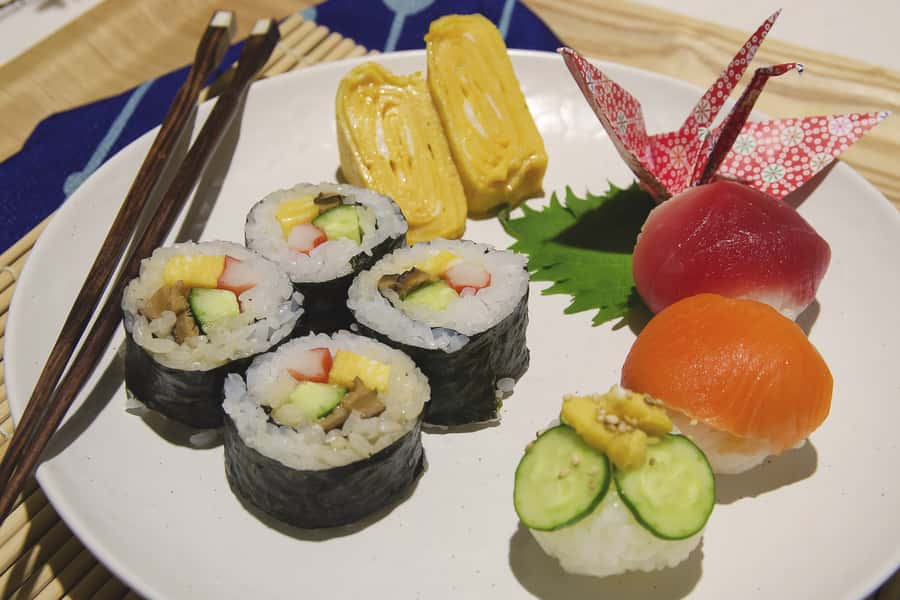
- The cooking school segment: what you make and why these dishes work
- The lunch payoff: you eat what you cooked
- Price and value: what $96 buys in 3 hours
- Practical logistics that can make or break your day
- Who this tour is perfect for
- Who should reconsider
- Final verdict: should you book this Tsukiji market and sushi class combo?
- FAQ
- Where do I meet the guide?
- Is the tuna auction included?
- Do we visit the inner wholesale fish market?
- How long is the outer market portion?
- How long is the entire experience?
- How big is the group?
- What dishes will we cook?
- What’s included in the price?
- What should I wear or bring?
- Is cancellation allowed if the weather is bad?
- Is the tour suitable for wheelchair users and young children?
Key things to know before you go
- Small group pace (max 6): you get more direct attention during the cooking class than you would in a bigger tour
- Outer market only: there’s no inner wholesale fish market or tuna auction stop
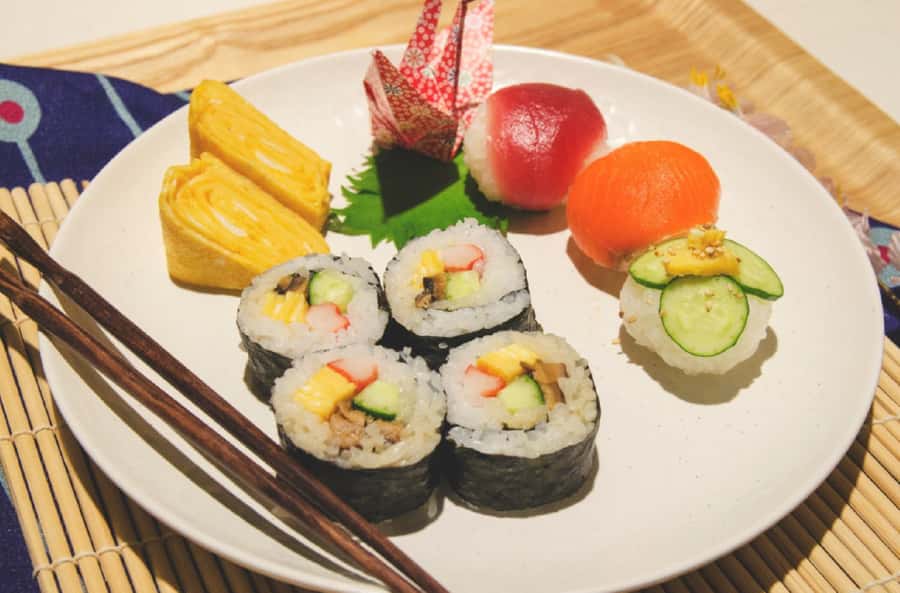
- Hands-on washoku skills: temari sushi, maki sushi, tamago yaki, and miso soup
- Lunch included: you sit down and eat what you prepared
- Tech support for learning: you receive a digital recipe and digital certificate
- Weather matters: the experience requires good weather, with refund or reschedule if canceled
The Tsukiji Outer Market focus: what you get and what you skip
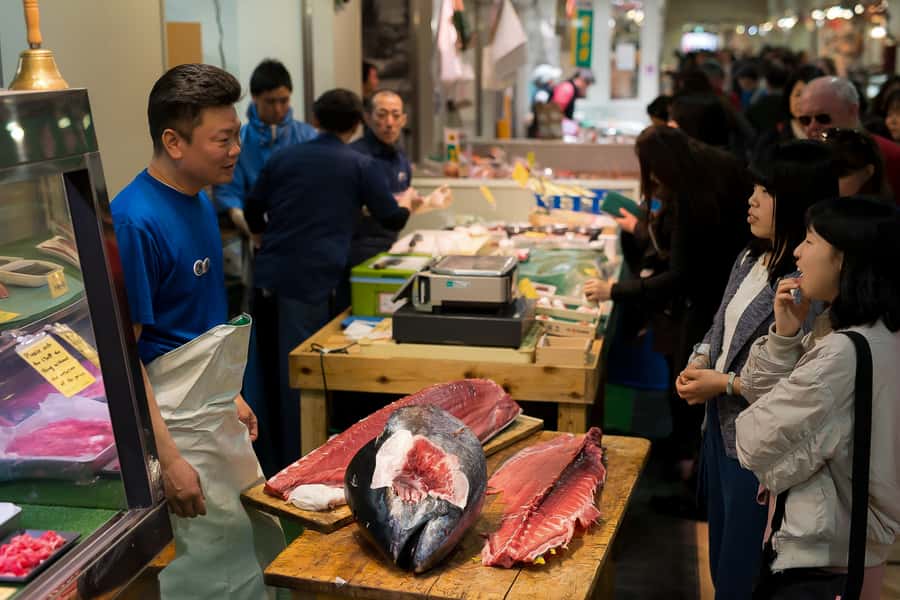
Tsukiji can feel like two different worlds depending on which part you visit. This experience targets the outer area, the public-facing market zone where you can walk among food counters, snack stops, and seafood sellers without needing insider access.
That choice is part of the value. You get the sights and the smell of the real working market environment, plus an easy structure: your guide points out what to look for and what to ask about, so you do not spend the whole time trying to decode every sign and stall layout. And you avoid the uncertainty that comes with trying to plan around limited-access areas.
What you do not get is just as important. This tour does not include the tuna auction and does not include the inner wholesale fish market. If you came to Tokyo specifically for the auction-style drama, you’ll need a different plan. Here, the goal is to connect seafood to Japanese home-style cooking, then turn that understanding into a meal.
You can also read our reviews of more tours and experiences in Tokyo.
From Tsukiji Honganji Temple to the stalls: a guided market walk that keeps you moving
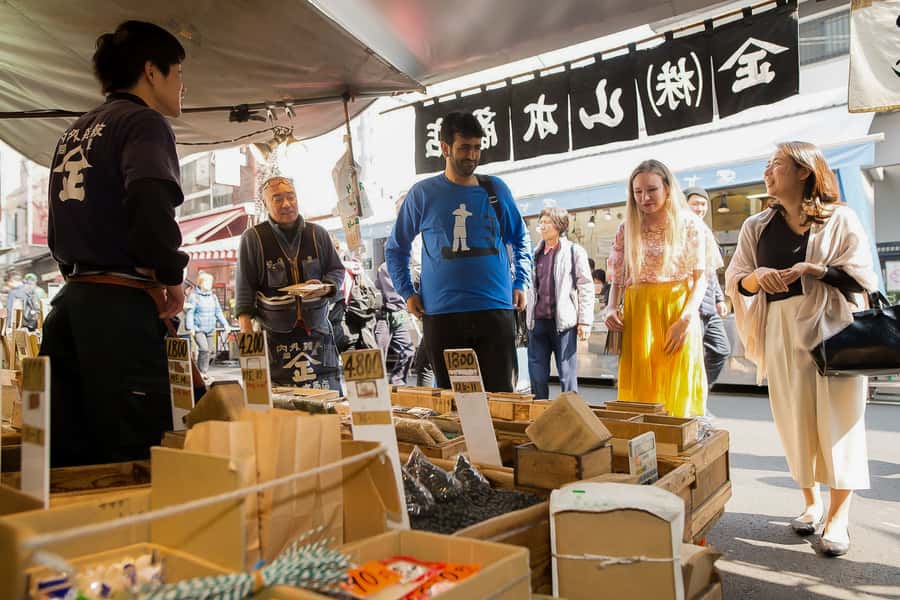
You meet at 3-15-1 Tsukiji, in front of the main gate of Tsukiji Hongwanji Temple, and your guide is holding a sign with your name. This is a smart start point because it’s a clear landmark in an area where directions can get confusing quickly.
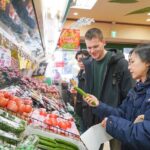
The walking portion is built around staying oriented while the market does its thing. The outer market can be busy, narrow, and crowded. Your guide helps you keep your bearings fast, and you also get the fun part: learning what different fish and seafood products are used for in Japanese cuisine, not just what’s for sale.
Timing matters here. You’ll spend around 70 minutes at the outer shopping market. That is usually long enough to sample the atmosphere, see what’s around, and do a bit of tasting or quick browsing if you want to. It is not long enough to be a full-on shopper who wants to compare brands, check labels, and buy big.
That explains a theme you’ll likely feel on the day. If you want maximum time for market wandering, this itinerary may leave you wanting more. But if you want a guided path that connects directly to your cooking class, the time box keeps the whole morning tight and worth the money.
The cooking school segment: what you make and why these dishes work
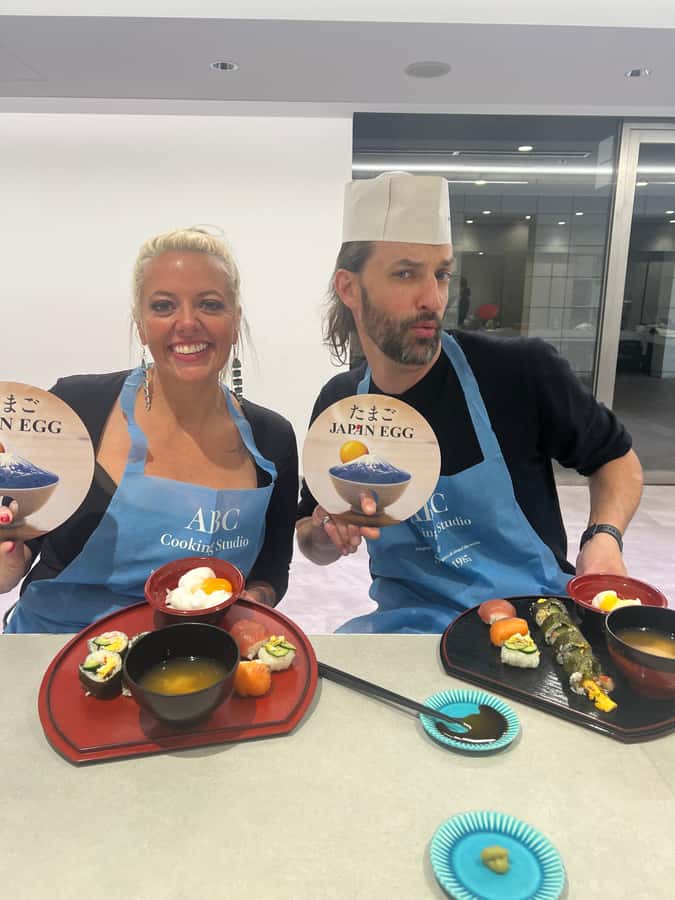
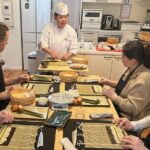
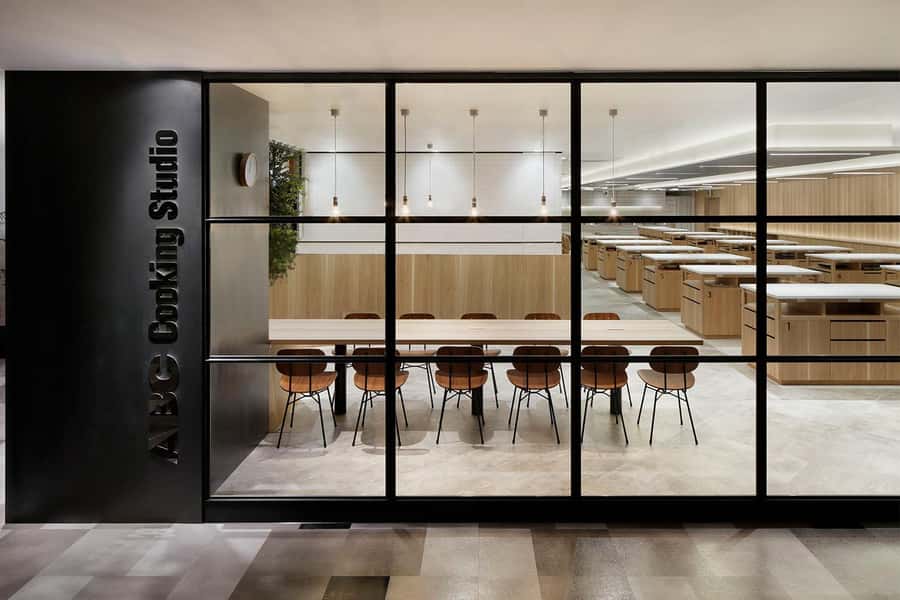
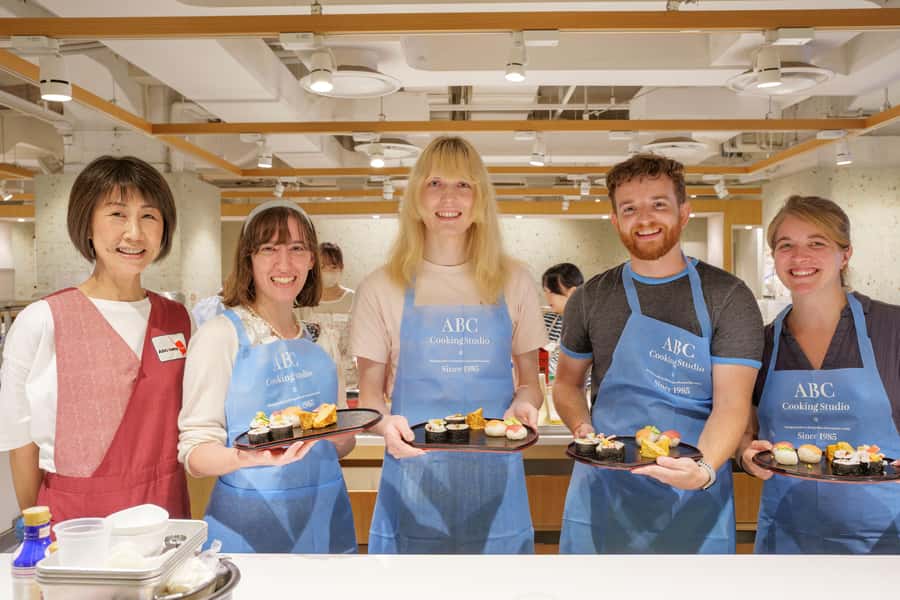
After the market, you head to the cooking school for the main event. The class is taught in English by a professional instructor, and the group stays small (up to 6), which matters a lot for hands-on instruction.
Here’s what you learn to make:
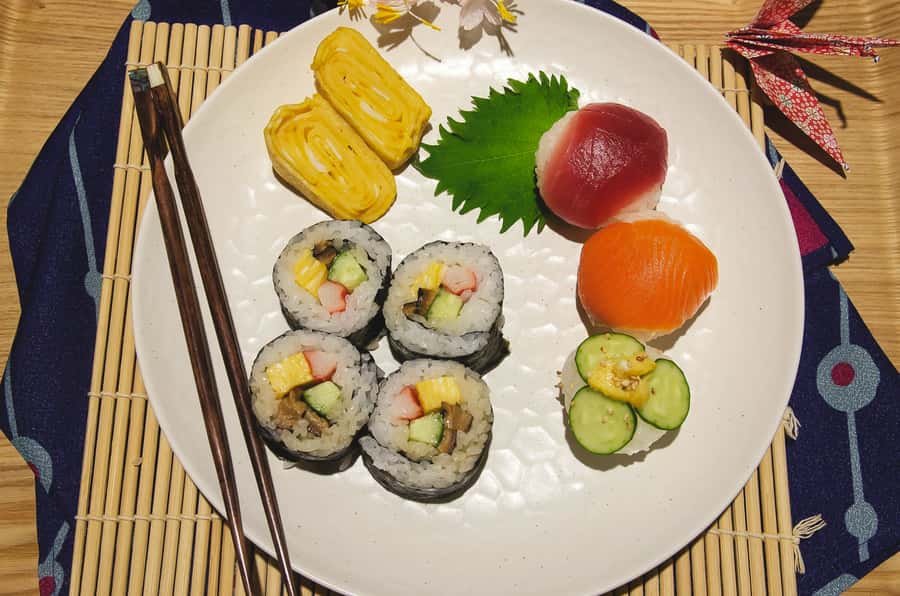
- Temari sushi (ball-shaped sushi)
- Maki sushi (rolled sushi)
- Tamago yaki (Japanese egg roll)
- Miso soup
These are not random menu items. They’re a set of core Japanese basics that teach different cooking skills.
Tamago yaki teaches you the discipline of texture. Egg cooks quickly and needs careful heat control to avoid over-done edges. It’s also a dish that feels fancy but is very teachable with step-by-step technique.
Miso soup is the foundation dish that most people think they already know. This class gives you the structure for building flavor and timing the soup so it lands right, not flat.
Then you get to the sushi. Rolling maki teaches you how to handle rice and toppings without making a mess. Temari sushi adds a different skill: shaping and portioning so the final bites look clean and eat well. Both styles train you for the most common sushi questions people ask later: How much rice? What goes where? How do I keep it tidy?
In the classroom, instructors named in past experiences include Megumi, Yukari, Hiroko, Miwa, Hitomi, and Hatsuko. Across those names, the common thread is patience and clear technique. You will feel guided rather than thrown into a stress test.
One note on what you taste and cook: ingredients can differ from what you see in promo photos, and contents can change by season and availability. That’s normal in cooking classes and it usually means you still learn the method, even if the exact fish or topping varies.
The lunch payoff: you eat what you cooked
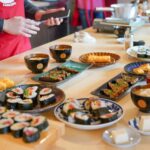
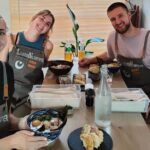
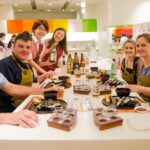
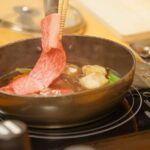
Lunch is included, and it’s not a token bite. You sit down to savor the dishes you prepared: sushi (temari and maki), tamago yaki, and miso soup.
This is one of the most practical advantages of the format. You get the full loop:
1) see seafood choices at the market
2) learn technique in the studio
3) taste the result right away
It also reduces food uncertainty. You don’t have to wonder if the sushi you make will taste good, because you eat it as a complete meal. And if something surprises you in flavor or texture, you can ask about it while the lesson is still fresh.
Price and value: what $96 buys in 3 hours
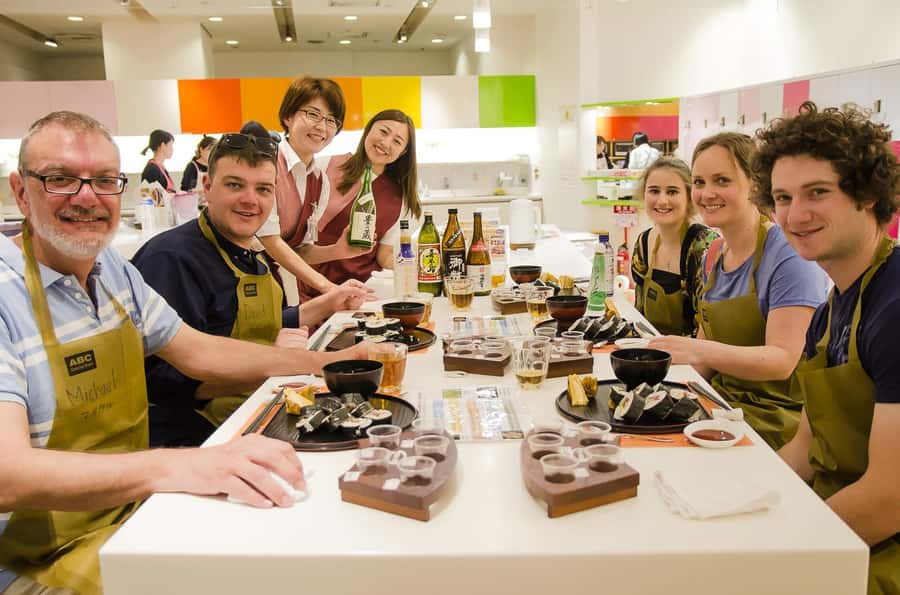
$96 per person for three hours might sound steep if you think of it as only a market walk plus a class. But value comes from what’s included and what you leave with.
Included items worth real money in Tokyo:
- Market walking tour plus guide
- Lunch made from your own dishes
- Apron use
- Drinking water at the studio
- Digital recipe
- Digital certificate
You also avoid extra costs that would crop up if you planned it yourself. If you try to build this day alone, you’ll spend time figuring out where to go in the market and how to translate it into a class schedule. A structured combo saves that mental overhead.
Still, there’s a pricing reality check. This is a short visit to Tsukiji, and the class has a fixed timeframe. One concern that can affect satisfaction is whether you expect the cooking to feel slow and ultra relaxed. Some people find the class a little rushed. That doesn’t mean it’s low quality; it means you should show up ready to work and follow instructions quickly.
If your goal is to learn core skills and eat a solid lunch, the price is easier to justify. If your goal is an extended market shopping spree, you may feel the clock more strongly.



Practical logistics that can make or break your day

A few details are worth planning around because they affect comfort and focus.
What to bring
- Comfortable shoes (you’ll be walking)
- Comfortable clothes
Not allowed
- Pets
- Baby strollers
- Luggage or large bags
So pack light. If you’re traveling with a big suitcase, plan on leaving it at your hotel or using a coin locker before you start. You want your hands free and your pace steady.
Transfer and pacing
The day includes a move from the market to the cooking school. The exact mode can vary, but you should expect some short ride and a change of environment. That’s normal for a half-day combo and it’s part of why the tour stays tight at three hours.
Weather
This experience requires good weather. If it’s canceled due to poor weather, you’ll get a full refund or you can request a reschedule.
Health and comfort
It’s not recommended for travelers with back, heart problems, pregnant travelers, or other serious medical conditions. If any of that applies, it’s worth choosing a lower-intensity plan.
Group size
Small group, limited to 6 participants. That helps you get attention, especially during rolling and shaping sushi.
Who this tour is perfect for
This is a strong fit if you want Tokyo food culture with a clear payoff. You like the idea of learning technique and leaving with a digital recipe you can actually use later, not just photos.
It’s especially good if:
- you’re interested in Japanese seafood cooking and want context while you walk
- you want sushi skills beyond the basics
- you prefer small-group interaction over big tours
- you’d rather spend money on hands-on learning than only buying snacks at the market
It also works well for families that include kids old enough to participate. The minimum age is 9 years, and there’s a height requirement of 4 ft 3 in (130 cm). If you’re traveling with older kids who enjoy cooking, this can be a fun hands-on day.
Who should reconsider
Skip this format if you want:
- the inner wholesale market experience or the tuna auction (this one does not include them)
- a long, freeform market shopping session
- a fully accessible setup (wheelchair users are not suitable for this activity)
Also rethink it if you want the class to be slow and deeply unhurried. The schedule is designed for efficiency, and that can feel a bit rushed for people expecting a leisurely pace.
Final verdict: should you book this Tsukiji market and sushi class combo?
Book it if you want the smartest version of Tsukiji for most people: outer market context plus real cooking practice, ending with lunch you made yourself. The combination of market guidance and hands-on washoku skills is where the tour shines.
Consider another option if your top priority is time for independent shopping in Tsukiji, or if you came specifically for auction access and inner-market scenes. For everyone else who wants an efficient, tasty day, this is a great use of a half morning in Tokyo.
FAQ
Where do I meet the guide?
Meet in front of the main gate of Tsukiji Hongwanji Temple. Your guide will be holding a sign with your name.
Is the tuna auction included?
No. This tour does not include a tuna auction visit.
Do we visit the inner wholesale fish market?
No. There is no tour of the inner wholesale fish market.
How long is the outer market portion?
You may spend around 70 minutes at the outer shopping market.
How long is the entire experience?
The duration is 3 hours.
How big is the group?
It’s limited to 6 participants.
What dishes will we cook?
You prepare Temari sushi, Maki sushi, Tamago yaki, and Miso soup.
What’s included in the price?
Included are the market walking tour, tour guide, lunch (your creation), apron use, drinking water at the cooking studio, digital recipe, and a digital certificate.
What should I wear or bring?
Wear comfortable shoes and comfortable clothes. Apron use is provided.
Is cancellation allowed if the weather is bad?
The experience requires good weather. If it’s canceled due to poor weather, you’ll receive a full refund or you can request a reschedule.
Is the tour suitable for wheelchair users and young children?
No. It’s not suitable for wheelchair users, and the minimum age is 9 years. There’s also a height requirement of 4 ft 3 in (130 cm).