REVIEW · HANOI
Hanoi Cooking Class: Pho/Bun Cha/Nem + Free Egg/ Salt Coffee
Book on GetYourGuide →Operated by Rose Kitchen Hanoi · Bookable on GetYourGuide
Your hands will learn Hanoi faster than any tour. This hands-on class is run in a hidden garden villa with a local culture storyteller, plus you pick one iconic dish and finish with a free cup of Vietnamese coffee.
I love the way the teaching mixes technique and meaning, so you’re not just chopping and frying—you’re learning why each herb and step matters. I also love the clear choice: you cook one dish from six options (vegetarian options available for all), then you get a take-home recipe card to repeat the results later.
The main drawback to consider is simple: since you cook just one dish, it’s not the “make a whole menu” experience. If you want variety in cooking time, plan around that.
In This Review
- Key highlights at a glance
- A $20 Hanoi meal you can actually recreate
- Getting there fast: Alley 75 and the yellow Bia Hoi sign
- Inside the class: A/C comfort, tools ready, and a butler nearby
- Pick your dish: six Hanoi icons, with vegetarian options for all
- Banh Xeo (South) – crispy sizzling pancake
- Nem Ran (Hanoi) – deep-fried spring rolls
- Goi Cuon – fresh spring rolls with herbs and dipping sauce
- Bun Cha – BBQ grilled pork noodles
- Cha Ca La Vong – grilled fish with dill
- Phở Bò or Phở Gà – famous beef or chicken noodle soup
- The culture storyteller part: why the ingredients aren’t random
- Your meal: breakfast, lunch, or dinner built around what you made
- Hanoi coffee after class: egg, coconut, salt, or cafe nâu/đen
- The recipe card: the part that makes the class worth repeating
- Who this cooking class fits best (and who should rethink it)
- Final call: should you book this Rose Kitchen Hanoi class?
- FAQ
- What dishes can I choose to cook?
- What kind of coffee is included, and do I choose it?
- Is the class taught in English?
- Where do I meet the guide?
- Does the price include anything besides cooking?
- Is it hands-on?
- How long does it last?
Key highlights at a glance
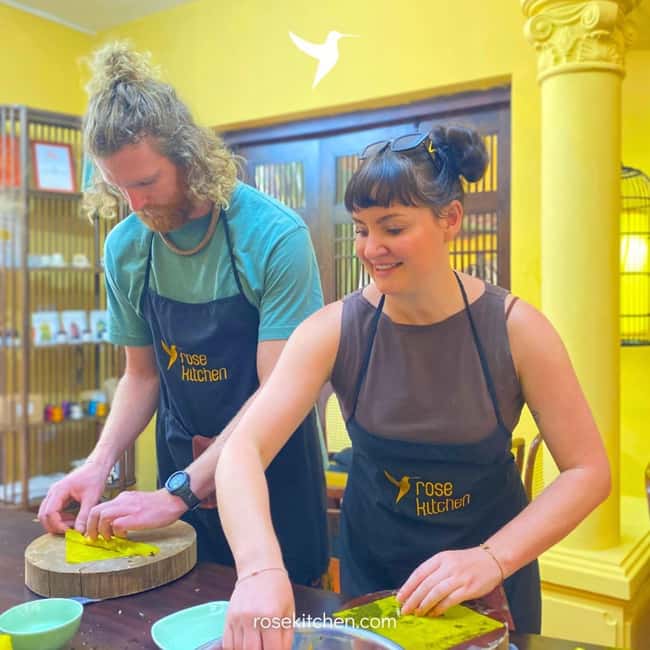
- Hidden garden villa setting with air-conditioned comfort and a welcome herbal drink
- Cook ONE dish you choose from six classics, with vegetarian options for all
- English-speaking cultural storytellers who explain the “why” behind the food
- Free coffee upgrade after class: egg, coconut, salt, or cafe nâu/đen
- Real support on the spot, including a dedicated butler, unlimited mineral water, and all tools provided
A $20 Hanoi meal you can actually recreate
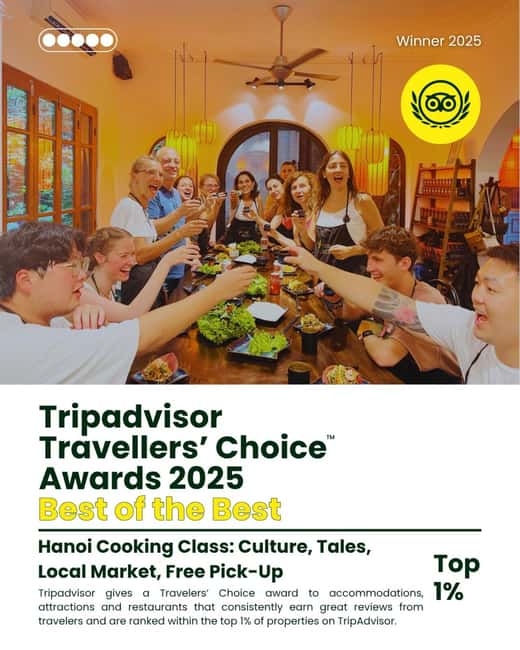
For about $20 per person, this class gives you more than a taste of Vietnamese food. You’ll cook an iconic dish step-by-step, sit down for a full meal (breakfast, lunch, or dinner depending on your time slot), and finish with a complimentary Hanoi-style coffee. Add in the recipe card to take home, plus water and tools supplied, and the value starts to make sense fast.
What makes it especially appealing is the format. Instead of bouncing around markets, you slow down and learn one dish properly. And because the lesson is guided by a local culture storyteller, the day isn’t only about technique. You also get the story behind the dish—how it fits into daily life and regional identity—so the food sticks in your head.
One more practical plus: the class is built for convenience. They provide a place to store luggage for free, and the session includes unlimited mineral water throughout. That’s the kind of detail that keeps the whole experience from turning into logistical stress.
The result is a meal that feels like a real local activity, not a rushed performance.
You can also read our reviews of more tours and experiences in Hanoi.
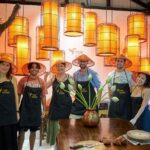
Getting there fast: Alley 75 and the yellow Bia Hoi sign
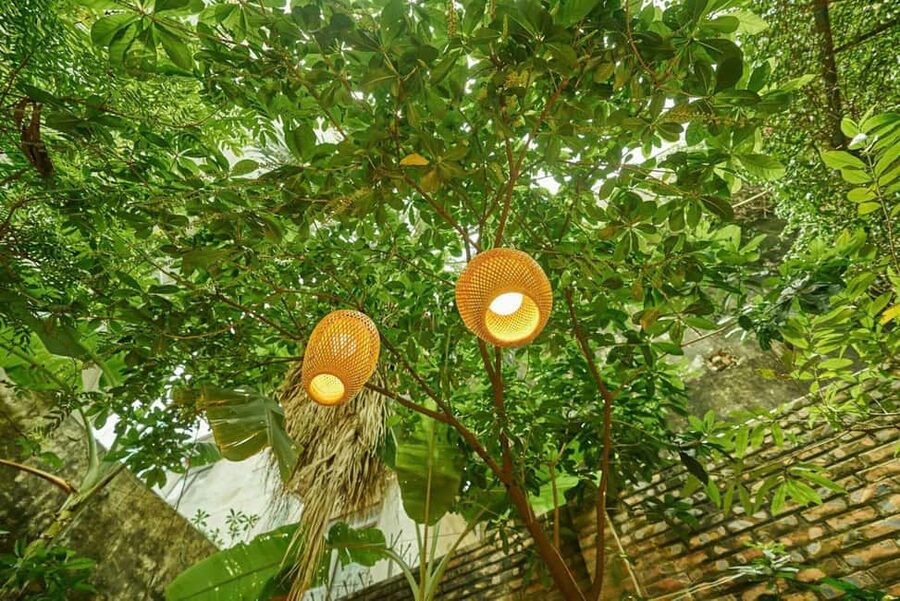
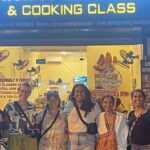
The meeting point is in a tight area near Hoang Hoa Tham Street, and your best move is to take a taxi or Grab. Head to Alley 75, Lane 173, Hoang Hoa Tham Street. When you arrive, look for the large yellow sign that says Bia Hoi Mau Dich.
Don’t worry about finding the kitchen complex. Your culture storyteller meets you at the sign and escorts you to the class, which is just a short walk away. At the end, the activity returns you back to the same meeting point, which makes planning your next stop easier.
If you’re the type who likes to plan tightly, I’d give yourself extra buffer time. The area is described as a crossroads location, and it’s easy to miss a sign when traffic and rain are involved. You’ll feel calmer if you arrive a bit early and get your bearings before you look for the yellow sign.
Inside the class: A/C comfort, tools ready, and a butler nearby
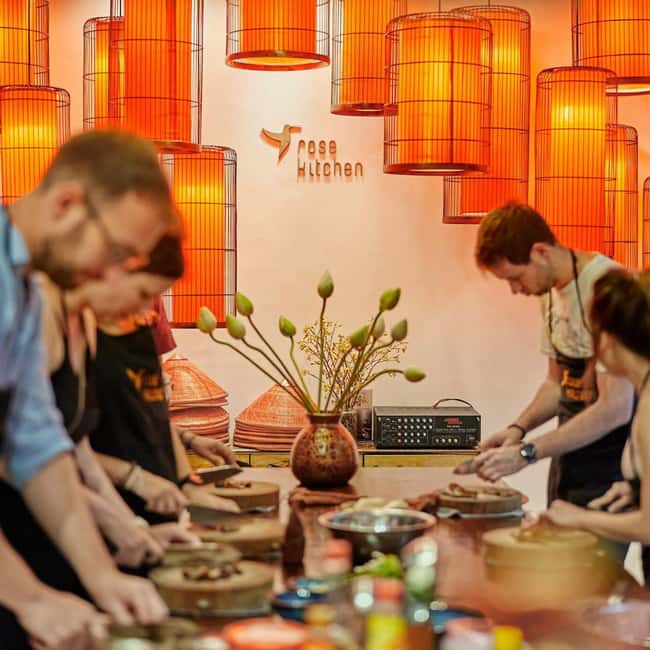
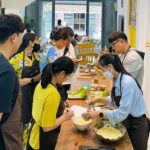
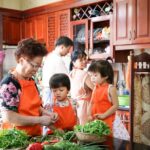
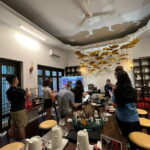
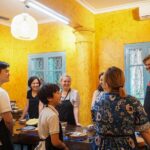
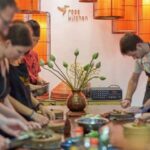
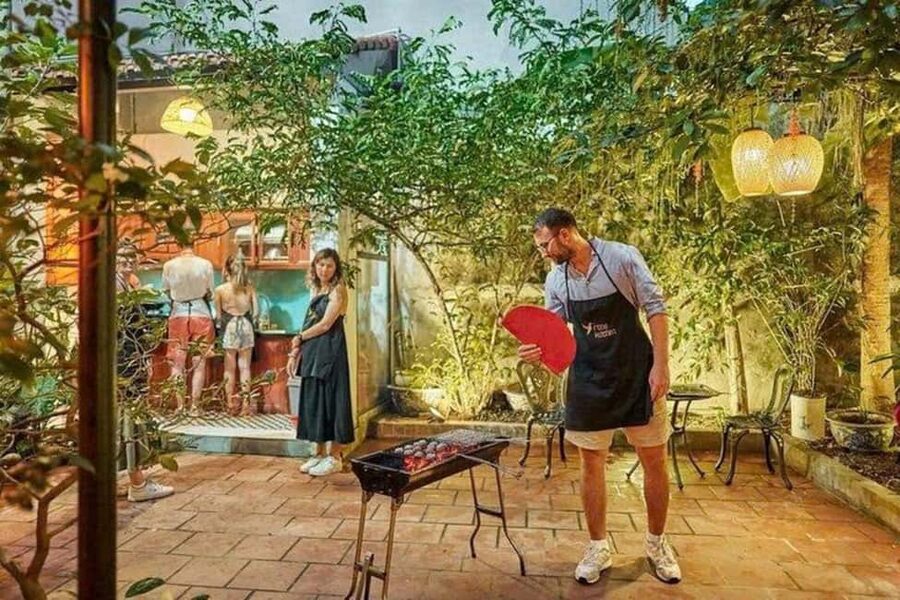
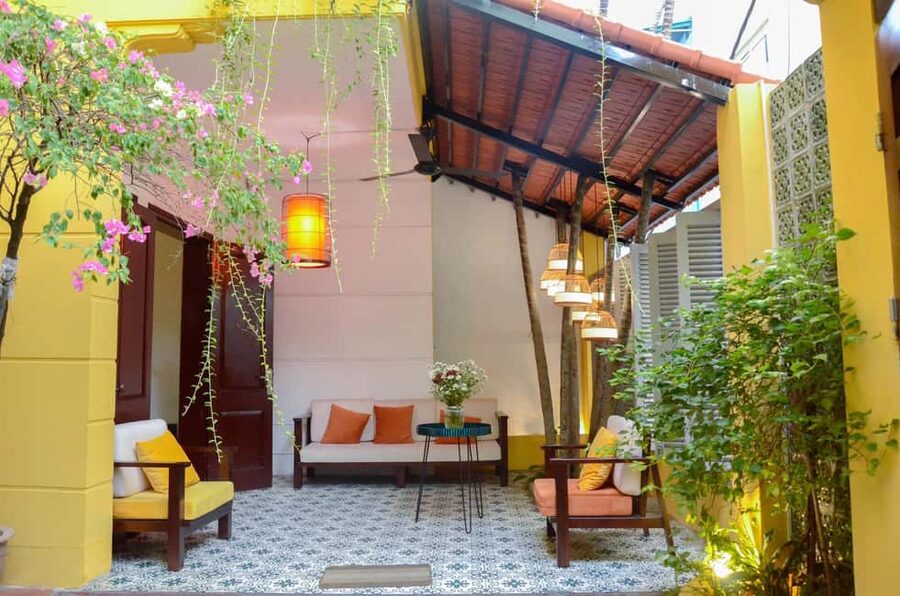
The cooking happens in a hidden local villa setting with air-conditioned comfort, which matters in Hanoi. You’re not cooking in a hot, chaotic space where everything feels improvised. The workshop setup is organized, and cooking and brewing tools are fully provided—so you don’t need to bring gear.
Right when you arrive, you’ll get a complimentary herbal welcome drink. It’s a nice “begin the experience” touch, and it signals that you’re not just here for food trivia. You’re stepping into a home-style lesson environment, run in English by storytellers who explain what you’re doing as you do it.
Then there’s the support system. You get personalized assistance from a dedicated butler during your experience. In practical terms, that usually means you’re less likely to get stuck when your questions pop up (which they will, especially if you’re learning proper folding, seasoning, or timing for the dish you chose).
You also get unlimited mineral water throughout the session. That sounds minor until you’re actually cooking. When you’re chopping herbs and handling hot surfaces, hydration and a clean drink supply matter more than you’d think.
Pick your dish: six Hanoi icons, with vegetarian options for all
Here’s the core choice: you cook one dish from this list. Vegetarian options are available for all dishes, so you’re not boxed into a single “default” veg meal.
Banh Xeo (South) – crispy sizzling pancake
Banh Xeo is described as a crispy, sizzling pancake of the South. You’ll learn how the dish gets its signature texture and how the toppings and herbs work together. It’s a great option if you like that mix of crunch plus fresh herbs.

Nem Ran (Hanoi) – deep-fried spring rolls
For a classic northern-style snack, Nem Ran are Hanoi-style deep-fried spring rolls. Expect to focus on the assembly step and the handling of fried items so the texture stays right. This is a good pick if you enjoy savory, crispy food.
Goi Cuon – fresh spring rolls with herbs and dipping sauce
If you want something lighter and herb-forward, Goi Cuon are fresh spring rolls with herbs and dipping sauce. This is a strong vegetarian-friendly choice in practice because fresh herbs and dipping sauces can carry a lot of flavor even without meat.
Bun Cha – BBQ grilled pork noodles
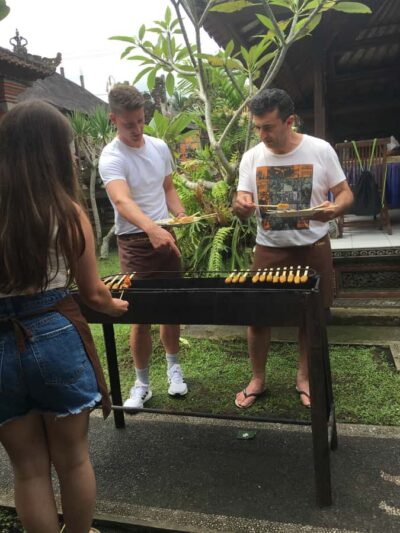
Bun Cha brings the Hanoi comfort zone: grilled pork served with noodles. You’ll likely spend time on seasoning and building the balance of flavors that makes this dish so repeatable. Choose this if you like smoky, grilled flavors and want a dish that feels like a full meal, not just a snack.
Cha Ca La Vong – grilled fish with dill
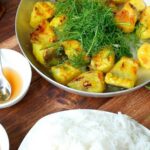
Cha Ca La Vong is Vietnamese grilled fish with dill. Dill is the standout here, and it shapes the whole aroma profile. This is a great option if you enjoy fragrant herbs and a dish that tastes clearly “specific,” not generic.
Phở Bò or Phở Gà – famous beef or chicken noodle soup
For the most globally recognized Vietnamese dish on the list, you can choose Phở Bò (beef) or Phở Gà (chicken). This option tends to feel comforting and satisfying, and it’s ideal if you want a dish that reads like Vietnam to most first-time visitors.
Practical tip for your choice: pick the dish that matches how hungry you’ll be. This class includes a full meal based on the dish you cook, so it pays to select something you actually want to eat afterward, not just something that sounds fun in theory.
The culture storyteller part: why the ingredients aren’t random
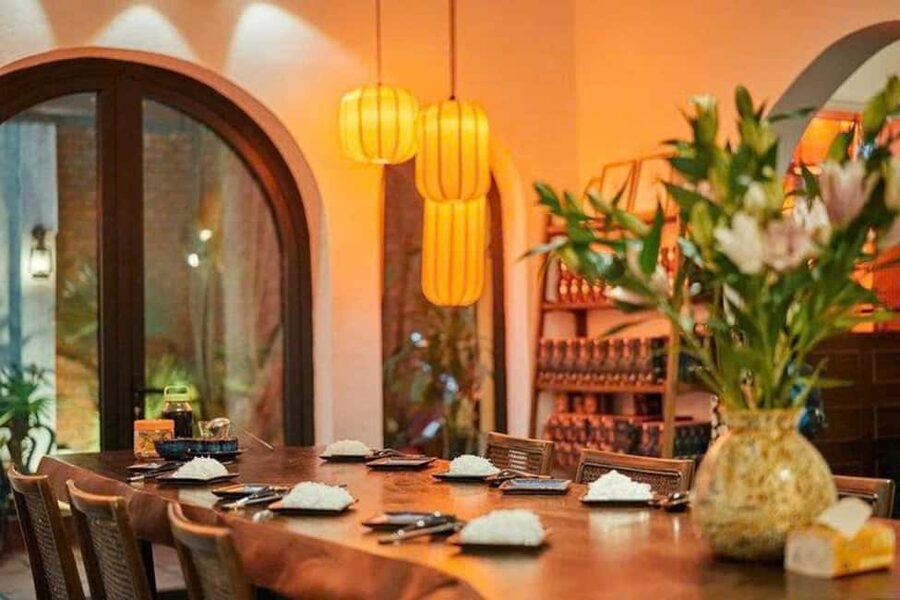
Every dish comes with a cultural explanation, led by a local English-speaking storyteller. The goal isn’t only to teach you how to cook. It’s to show you why the dish looks and tastes the way it does in Vietnam.
I like that this changes how you pay attention. When you hear the backstory and regional context, you stop treating herbs, spices, and cooking methods as a checklist. You start thinking in flavors and functions—what each element contributes and why it’s used.
In the kind of instruction you’ll get here, you’ll often hear names tied to specific dishes and cooking traditions. For example, the cooking team at Rose Kitchen Hanoi includes chefs and storytellers such as Aroma and Simon, and their style is described as friendly and warm while still guiding you through the steps. That mix matters: it’s easier to learn when the teaching feels human, not like a lecture.
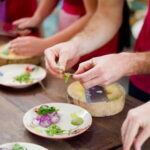
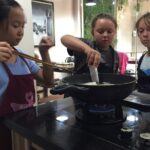
One thing to keep in mind: the session is step-by-step and interactive. That means you should be ready to work with your hands. If you’re hoping for a sit-and-watch demo, this isn’t that.
Your meal: breakfast, lunch, or dinner built around what you made
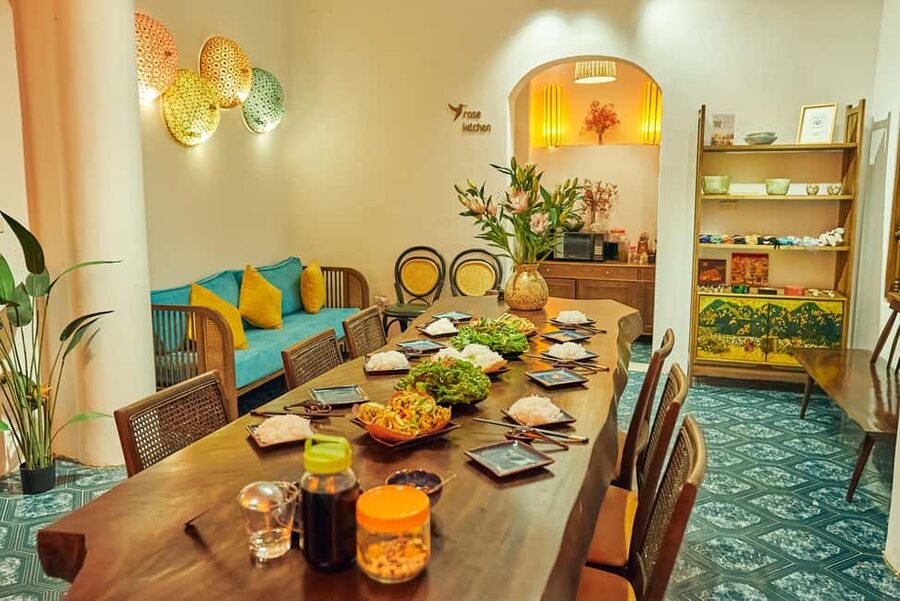
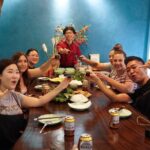
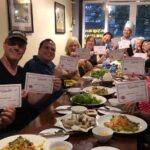
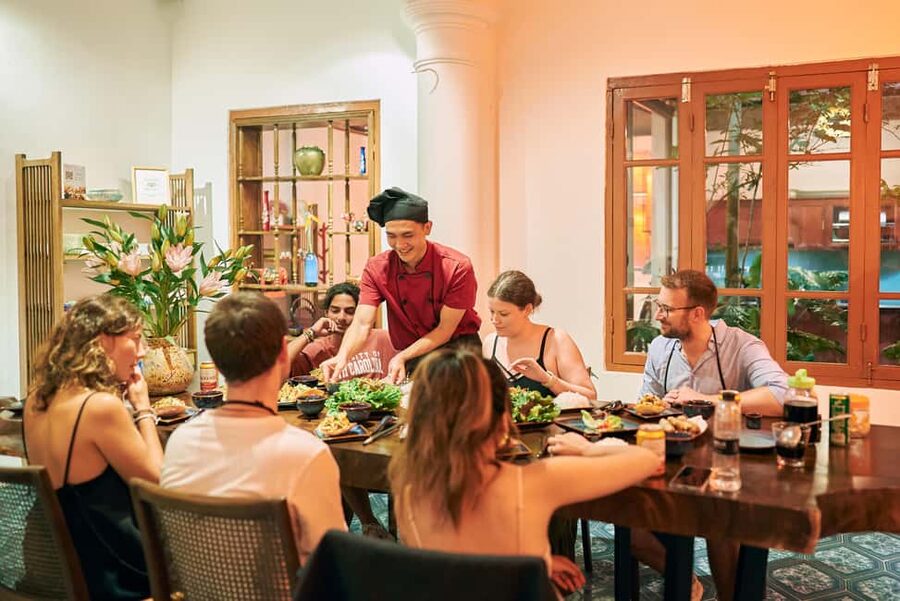
After the cooking portion, you’ll eat a full meal. The format depends on your time slot, so it can be breakfast, lunch, or dinner. Either way, you’re eating what you cooked, which is a big difference from classes where you only taste a small plate.
This is also where the value shows up. You’re not paying just for the skills practice. You’re getting a real sit-down meal that matches what you spent time making. And because the class includes unlimited mineral water, you’re not scrambling for drinks while you eat.
You’ll also take away that “I know how this is built” feeling, which helps when you compare Vietnamese dishes later in Hanoi or when you order one back home.
Hanoi coffee after class: egg, coconut, salt, or cafe nâu/đen
Finish the experience with a complimentary cup of Vietnamese coffee. You pick one option from the list:
- Egg Coffee: creamy and dreamy, described as a Hanoi original
- Coconut Coffee: silky, tropical, sweet
- Salt Coffee: a modern Hue twist with bold surprises
- Cafe Nâu / Đen: classic drip coffee, strong and honest
I like how the coffee choices give the lesson a satisfying finish. Cooking puts you in savory mode; coffee brings you back to Hanoi’s everyday rhythm. And because you choose the style, it doesn’t feel like you’re being funnelled into one flavor.
If you’re coffee-sensitive, choose carefully. Salt coffee and egg coffee can both feel rich, so if you prefer lighter tastes, the coconut or classic drip might suit you better. You can also use this moment to slow down. You just cooked for a while, and the coffee gives you a reset before you head back out.
The recipe card: the part that makes the class worth repeating
The best souvenir here isn’t a fridge magnet. It’s the recipe card you take home. That matters because Vietnamese cooking isn’t just “mix random sauce.” If you want to recreate your dish later, you need ingredient guidance and a reference point for steps.
Since you only cook one dish, the recipe card also becomes focused. You’re not trying to remember ten things from one day. You’ll be able to re-run the dish you chose, which helps you build real confidence in your cooking.
I also recommend you do the simplest thing when you get home: take a quick photo of the recipe card and the tools list (if shown) while the lesson memory is fresh. Then cook it again within a couple of weeks. That’s when your Vietnamese flavors will still feel sharp in your head.
Who this cooking class fits best (and who should rethink it)
This experience is a great match if you want hands-on learning in English, you care about the meaning behind food, and you like the idea of cooking one iconic dish properly. It’s also a solid choice if you’re trying to stretch travel value. For $20, you get cooking instruction, a full meal, complimentary drinks, unlimited water, and all tools included.
It’s also ideal if you enjoy guided cultural context. The storytellers aren’t only explaining ingredients; they’re connecting dishes to why they show up the way they do.
Who might consider a different option:
- If you want to cook multiple dishes in one sitting, you’ll need to know this is structured around one choice.
- If you dislike getting hands-on in a kitchen setting, this won’t feel relaxing.
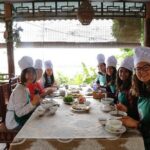
If you’re traveling with a group, the setup can work well because you follow steps together and support is provided on-site. The key is choosing the dish that everyone genuinely wants to eat afterward.
Final call: should you book this Rose Kitchen Hanoi class?
Yes, I’d book it if you want a practical Hanoi food experience with real teaching and a clear payoff. The biggest reason is the balance: you cook, you eat, and you leave with a recipe. For $20, that’s strong value, especially because the class includes an A/C villa setting, unlimited mineral water, a welcome herbal drink, and a free coffee choice.
Make your decision based on one detail: pick the dish you’re most excited to taste at the end of the class. When your choice matches your appetite, the whole day feels like it clicks.
If you like planning with flexibility, you can reserve and pay later. And if your timing changes, cancellation up to 24 hours in advance is listed as fully refundable. (In other words: you don’t have to lock yourself into a perfect schedule today.)
FAQ
What dishes can I choose to cook?
You can choose one dish from Banh Xeo, Nem Ran, Goi Cuon, Bun Cha, Cha Ca La Vong, or Phở Bò/Phở Gà. Vegetarian options are available for all dishes.
What kind of coffee is included, and do I choose it?
Yes. After the class you can pick one complimentary coffee: Egg Coffee, Coconut Coffee, Salt Coffee, or Cafe Nâu/Đen.
Is the class taught in English?
Yes. The cultural storytellers guiding the class are fluent in English.
Where do I meet the guide?
Meet at Alley 75, Lane 173, Hoang Hoa Tham Street. Look for the large yellow sign that says Bia Hoi Mau Dich, then your guide will escort you to the class a short walk away.
Does the price include anything besides cooking?
Yes. The included items list a herbal welcome drink, unlimited mineral water, air-conditioned comfort, step-by-step guidance, tools, a full meal (breakfast, lunch, or dinner depending on your time slot), complimentary Hanoi coffee, free luggage storage, and a recipe card.
Is it hands-on?
Yes. It’s fully interactive and step-by-step, so you should expect to cook during the workshop.
How long does it last?
The length of the session isn’t stated in the details provided, but it runs as a single class experience with a meal afterward and coffee at the end.