REVIEW · HUE
Home Cooking Class in Hue City
Book on Viator →Operated by DN Tour · Bookable on Viator
Your dinner starts at someone’s table.
This Hue home cooking class is a real-family setup, not a showroom, and the focus stays on Hue’s flavors and the stories behind them. I like that you cook iconic regional dishes like bun bo Hue and nem lui, and I also like the culture talk built into the meal. One drawback to keep in mind: there’s no hotel pickup, so you’ll want to get yourself to the start point.
You’ll get guidance from an English-speaking local chef (one host you may meet is Rosa) and a small group size that keeps things personal—max 10 travelers. The class structure is practical: you prepare some dishes, and your hosts prepare others, then you all eat together. If you’re hoping for a big “see the sights” day, this is more about food and conversation than roaming.
In This Review
- Key points to know before you go
- From W-Factory to a Hue Kitchen You Can Smell
- A note on the tempo
- The “Local Chef” Factor: English Help Without Losing the Real Thing
- What You Cook: Bun Bo Hue, Bánh Khoai, and Nem Lui
- Bun Bo Hue: why Hue noodles hit different
- Bánh Khoai: the pancake that’s more than batter
- Nem Lui: lemongrass skewers with technique
- The Meal Format: What the Host Preps vs. What You Cook
- A Day Built Around Conversation, Not Scripted Tourism
- Timing and Group Size: Why 4 Hours Feels Just Right
- Price and Value: Is $39 Good for Hue Home Cooking?
- When This Class Is a Perfect Fit (and When It Isn’t)
- Weather and Flexibility: A Practical Booking Thought
- Should You Book This Hue Home Cooking Class?
- FAQ
- Where does the experience start and end?
- How long is the cooking class?
- What dishes will I learn to cook?
- Is it a small group?
- What’s included in the price, and what’s not?
- What happens if weather is poor?
Key points to know before you go
- Home-family setting: Cook in the actual home of local family members.
- Signature Hue dishes: You’ll learn dishes such as bun bo Hue, banh khoai, and nem lui.
- 5-dish meal included: You’ll eat a meal made from a mix of host-prepped and guest-prepped items.
- English-speaking support: An English-speaking lady acts as the local chef/guide.
- Small group (max 10): Plenty of time to ask questions while you cook.
- No drinks + no pickup: Bring your own plan for beverages and reach the meeting point yourself.
From W-Factory to a Hue Kitchen You Can Smell
Hue cooking classes work best when they feel close up. This one starts at W-Factory, at 10 Võ Văn Kiệt, Thủy Xuân, Huế. From there, the day shifts to a local home where the kitchen is the center of gravity. You’ll likely spend the bulk of the 4 hours learning steps, using the ingredients, and getting hands-on with the dishes that make Hue famous.
The vibe is practical, friendly, and grounded. This is the kind of experience where you notice the small things—how people prep ingredients, how they time things so multiple dishes stay hot, and how they talk about food as part of everyday life, not a performance.
And yes, you will likely eat very well. The class includes a meal with 5 local dishes, and two of them are the ones you help prepare on the day.
You can also read our reviews of more tours and experiences in Hue.
A note on the tempo
With a 4-hour format, you shouldn’t expect long stand-alone lectures. Instead, you’ll learn by doing: mixing, shaping, skewering, and cooking in the order that makes sense for a home kitchen.
The “Local Chef” Factor: English Help Without Losing the Real Thing
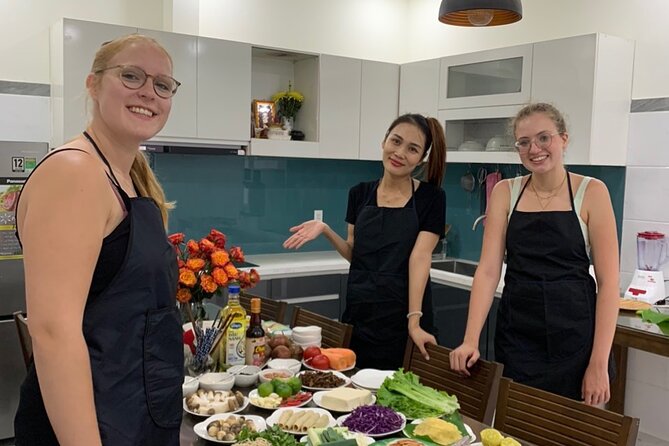
A big part of why this class feels approachable is the English-speaking lady who acts as the local chef for the experience. That matters more than you might think. Cooking isn’t like reading a recipe—it’s heat, timing, and small technique details. Having a clear language link helps you avoid the usual frustration of guessing what your hands are supposed to do.
Also, because the teaching comes from a family setting, you get explanations tied to local customs: how ingredients show up at home, how certain dishes relate to region and tradition, and why food carries social weight in Vietnamese family life.
From the reviews, one host you might meet is Rosa, and she’s described as welcoming and organized. A standout detail: she may serve homemade green tea, made from leaves collected in the morning by her mother. That kind of start sets the tone—food here is personal, not packaged.
What You Cook: Bun Bo Hue, Bánh Khoai, and Nem Lui
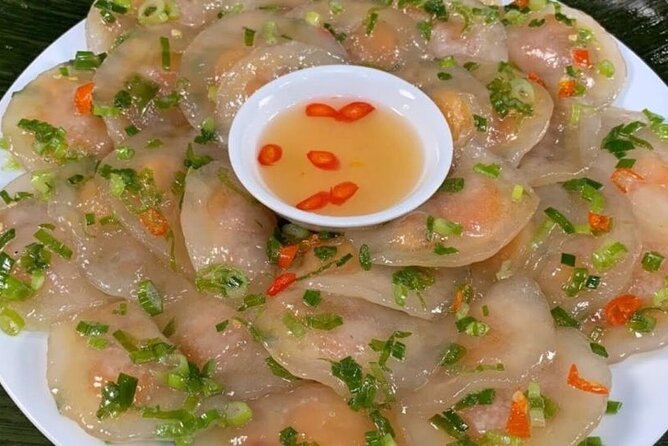
This is a Hue cuisine-focused class with a clear set of dishes. The experience highlights iconic items such as bun bo Hue (spicy beef noodle soup), bánh khoai (Hue-style pancakes), and nem lui (lemongrass skewers). You won’t just hear about these dishes—you learn how to prepare them, using the ingredients provided.
Bun Bo Hue: why Hue noodles hit different
Bun bo Hue is the kind of dish people remember because it’s both comforting and bold. In a class like this, the learning value is in the process: how the flavors build, how you manage spicy elements, and how the soup pairs with noodles and toppings.
Even if you don’t get every detail of the broth recipe, you do gain technique knowledge—how the dish is put together in a Hue way. That’s the difference between eating a bowl and understanding what makes it “Hue.”
Practical tip: when the cooking starts, watch the order. For noodle soups and spicy dishes, timing affects texture and flavor balance.
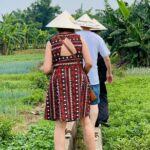
Bánh Khoai: the pancake that’s more than batter
Bánh khoai in Hue is known for its distinctive style. The pancake element means you’ll probably work with batter and cooking heat, and you’ll see how the texture changes as it cooks. Pancakes are unforgiving if the heat is wrong, so this is a good class if you want technique, not just taste.
I like this dish because it teaches you the logic behind the cooking—heat control and consistency. And since home kitchens cook with real constraints, you’ll understand what’s realistic to recreate later.
Nem Lui: lemongrass skewers with technique
Nem lui (lemongrass skewers) is all about handling aromatics and getting the skewers right. In a hands-on setting, you learn how the ingredients come together and how the grilling or pan-cooking process affects the final taste.
You’ll also pick up a useful skill: how families simplify cooking steps while still keeping the dish flavorful. This is where home cooking classes can beat restaurant lessons. Restaurants are about finishing. Homes are about making.
The Meal Format: What the Host Preps vs. What You Cook
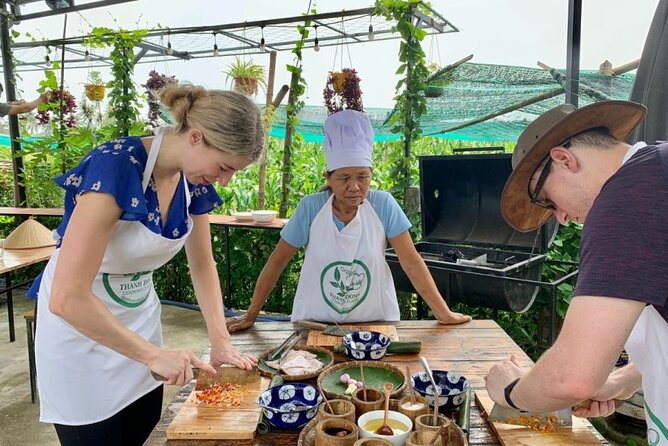
This class includes a meal of 5 local dishes. Importantly, it’s not a one-size-fits-all buffet where everything is already done. The structure is split:
- The host prepares some dishes before the class
- You prepare two dishes during the cooking session
- Then you sit down and eat as a group
That balance is smart for a short, 4-hour experience. It means you get hands-on time without sacrificing quality or risking that everything runs late. For you, it also lowers stress. You’re participating, but you’re not carrying the entire meal on your shoulders.
Also, because the hosts are doing part of the cooking, you can see how family cooks handle shortcuts that still taste right. That’s a big part of learning Vietnamese home cooking: knowing what to replicate and what to adjust.
A Day Built Around Conversation, Not Scripted Tourism
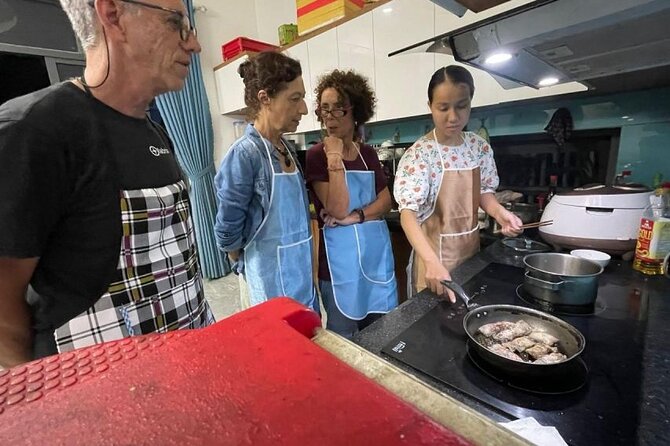
One of the most praised aspects of this experience is the human side. The class is hosted by local families, and the conversation is part of the value. You’ll often talk with your hosts about local customs, family traditions, and the role of food in Vietnamese culture.
That’s not just polite small talk. It helps you interpret what you’re eating. If you learn why a dish matters, it sticks in your memory. You’re not just collecting flavors; you’re understanding the social meaning behind them.
And because it’s a small group (max 10), the conversation doesn’t turn into background noise. It stays focused enough that you can actually ask questions.
If you enjoy travel that feels real—where you learn how people live—you’ll likely love that part.
Timing and Group Size: Why 4 Hours Feels Just Right
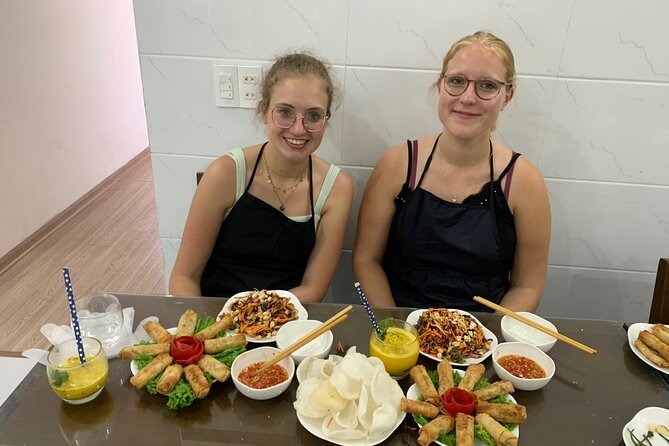
At around 4 hours, this class fits well between sightseeing days. You’ll probably spend the first stretch meeting the chef, getting oriented, and starting the cooking. Then you cook, learn technique as you go, and finish with the shared meal.
The max group size of 10 is a big deal. In many “cook with a class” experiences, the group is so large that you cook in shifts and feel rushed. Here, the size helps the host and English-speaking chef manage instructions more closely, and it makes it easier for you to get your questions answered.
For pacing, this matters because dishes like bun bo Hue, bánh khoai, and nem lui each have their own rhythm. If your group is too big, you don’t learn the process. With fewer people, you’re more likely to participate fully.
Price and Value: Is $39 Good for Hue Home Cooking?
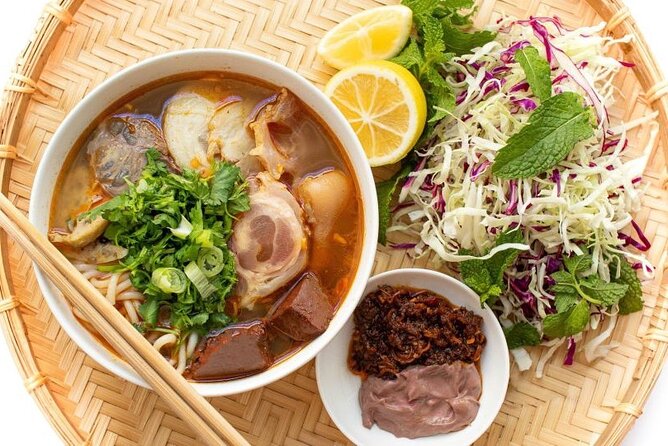
$39 per person for a 4-hour home cooking class in Hue can be excellent value—mainly because you’re not only paying for instruction. You’re paying for ingredients, guided cooking support in English, and a full meal with 5 local dishes.
Here’s why that price makes sense in real terms:
- Ingredient cost is included, so you’re not doing an add-on shopping run.
- You’re eating multiple dishes, not just tasting small bites.
- You cook two dishes yourself, not just watch.
- You get an English-speaking local chef, which reduces the usual learning barrier.
- The group size stays small (max 10), which improves the overall experience quality.
One practical consideration: drinks are not included. If you want a beverage, plan for that. Also, because there’s no hotel pickup, you’ll need to factor in your own transport to the meeting point.
When This Class Is a Perfect Fit (and When It Isn’t)
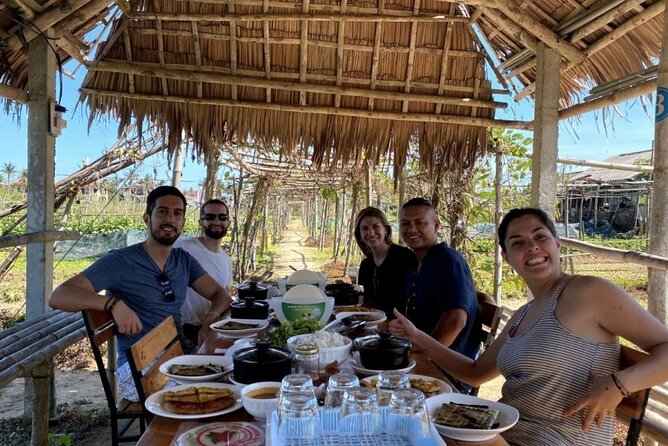
This is a great fit if:
- You like hands-on activities that connect to daily life.
- You want Hue cuisine with local guidance and a family setting.
- You’re comfortable eating what you cook and chatting with hosts.
- You want a half-day plan that doesn’t require much logistics.
It might not be ideal if:
- You’re looking for a full-day, high-mileage sightseeing tour.
- You need hotel pickup or very simple step-by-step movement support.
- You want drinks included in the price (you’ll need to plan for beverages separately).
Weather and Flexibility: A Practical Booking Thought
The experience requires good weather, so it may be adjusted if conditions aren’t right. The good news is that the cancellation policy is free up to 24 hours before the start time, with a full refund if you cancel early enough. If weather forces a change, you should expect an alternate date or a refund.
That flexibility matters in Hue, where plans can get disrupted. If you book with enough time, you can stay confident.
Should You Book This Hue Home Cooking Class?
I’d book this if you want the real Hue angle: food made in a home kitchen, taught in English, and followed by a proper meal that includes five local dishes. The combination of a welcoming family setup, hands-on cooking for two dishes, and signature Hue items like bun bo Hue and nem lui makes it feel like more than a class. It’s a short cultural exchange you can eat.
Skip it only if you hate the idea of traveling to a meeting point on your own or you’re not into cooking-based activities.
If you want a Hue memory that’s not just a photo, this is the kind of experience that sticks.
FAQ
Where does the experience start and end?
It starts at W-Factory, 10 Võ Văn Kiệt, Thủy Xuân, Huế, Thành phố Huế 53000, Vietnam and ends back at the same meeting point.
How long is the cooking class?
The experience lasts about 4 hours.
What dishes will I learn to cook?
The class focuses on iconic Hue dishes, including bun bo Hue, bánh khoai (Hue-style pancakes), and nem lui (lemongrass skewers).
Is it a small group?
Yes. The maximum group size is 10 travelers.
What’s included in the price, and what’s not?
Included: an English-speaking local chef, the ingredients for the cooking class, and a meal with 5 local dishes (some host-prepared and 2 dishes prepared by you). Not included: hotel pickup/drop-off and drinks.
What happens if weather is poor?
The experience requires good weather. If it’s canceled due to poor weather, you’ll be offered a different date or a full refund.