REVIEW · ROME
Rome: Fettuccine and Tiramisu Cooking Class with Wine
Book on GetYourGuide →Operated by Eat and Walk Italy · Bookable on GetYourGuide
Pasta dough meets Rome energy. This 3-hour class in the heart of Rome is a hands-on way to learn fettuccine and tiramisù from a local, with an English-speaking chef guiding every step and wine plus limoncello or coffee at the table. I like that you pick your pasta sauce (Tomato and Basil, Amatriciana, or Cacio e Pepe), and then actually eat what you make. One consideration: the class can feel a bit fast-paced, so don’t book it if you want a slow, meandering cooking day.
You meet your chef inside Restaurant Gusto, get to work right away, and end back at the starting point. You’ll be trading stories with your group while your tiramisù rests, and you should come away with a clearer sense of how Roman-leaning Italian comfort food is put together, not just how it tastes.
If you like practical food experiences over museum-style sightseeing, this is an easy yes for Rome.
In This Review
- Key highlights you can bank on
- Entering Rome through pasta and tiramisù
- Restaurant Gusto: your first step into the kitchen flow
- Making fettuccine: flour, patience, and shaping the classic
- Choosing your sauce (and why it matters)
- Tiramisù: you mix it, you wait, then you actually taste
- Wine, limoncello, and the pace of a Roman meal
- What you’ll learn that sticks after Rome
- Price and value: is $67.40 worth it?
- Who this class fits best (and who should rethink it)
- Should you book Rome fettuccine and tiramisù?
- FAQ
- How long is the cooking class?
- Where do I meet the chef?
- What dishes will I make?
- Can I choose my fettuccine sauce?
- Will there be wine or drinks?
- Is the class taught in English?
- Are pets allowed, and is it suitable for young children?
Key highlights you can bank on
- Restaurant Gusto meeting point in central Rome, so you start in the right setting.
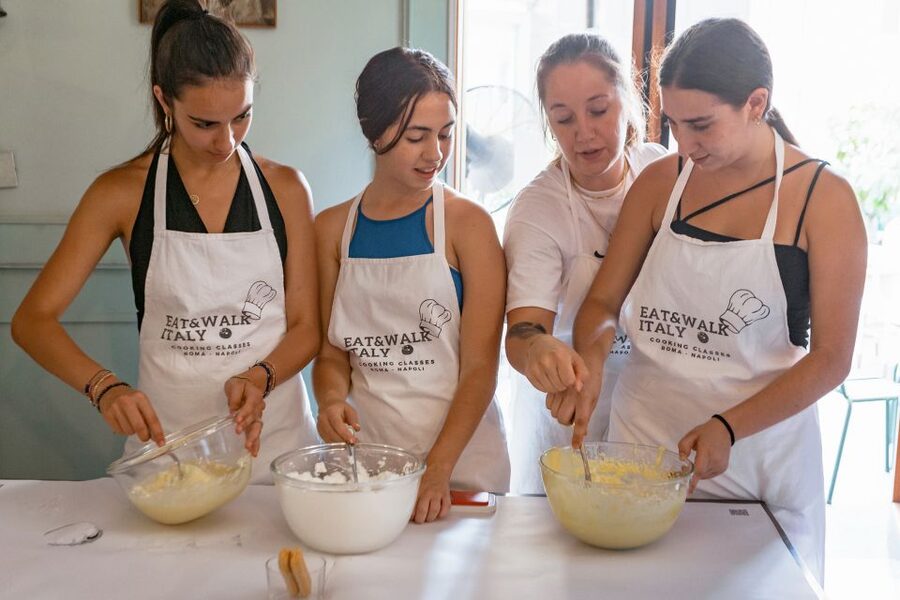
- Fettuccine from scratch, then a hands-on lesson on shaping the pasta.
- Sauce choice for your fettuccine: Tomato and Basil, Amatriciana, or Cacio e Pepe.
- Tiramisù you make yourself, with the important rest time built in.
- Wine + limoncello or coffee paired with your meal, plus water on the side.
- English instruction and steady chef guidance, so beginners aren’t left behind.
Entering Rome through pasta and tiramisù
Rome has a way of feeding your imagination. This cooking class gives you a very real version of that: you learn two iconic dishes that show up everywhere on Roman menus, then you eat them in the same sitting. It’s not a lecture. It’s work at a station, flour on your hands, and a chef correcting the little things you’d never notice from a recipe alone.
The best part is how focused it is. You don’t get 12 different “Italian experiences.” You get two targets—fettuccine and tiramisù—and you build the skills step by step. And because you choose your fettuccine sauce, the meal can feel personal rather than pre-decided.
You can also read our reviews of more tours and experiences in Rome.

Restaurant Gusto: your first step into the kitchen flow
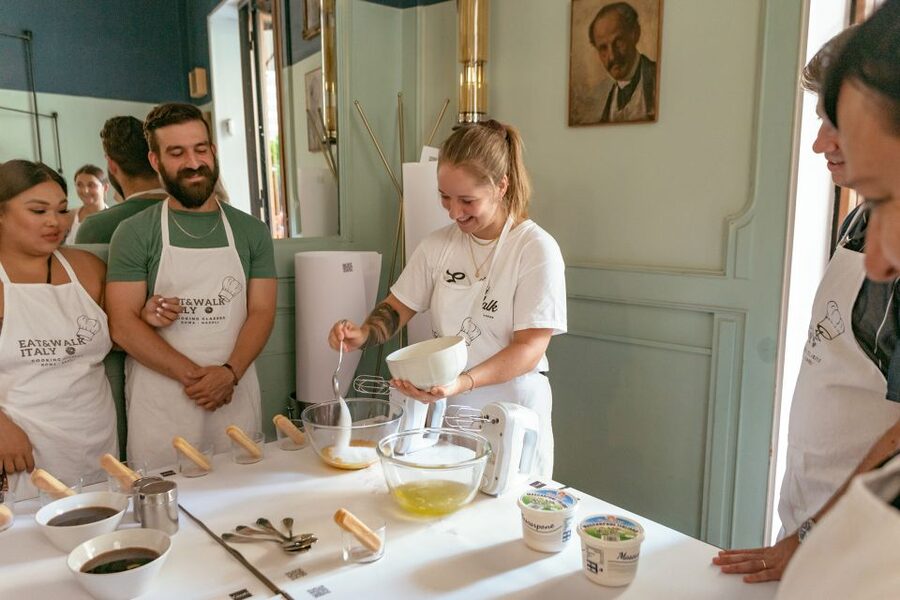
The meeting point is inside Restaurant Gusto, where you’ll meet your chef and get oriented. Expect the class to move quickly from hello to apron. That matters because fresh pasta and timing are best friends. Once you start, you’ll follow the chef’s cues for mixing, resting, shaping, and cooking so everything lands when it should.
This is also where the “you’re not doing this alone” part kicks in. Several classes run with English instruction and a supportive tone, which is exactly what you want when you’re holding something sticky and fragile and trying not to panic. If you’re a first-timer, you’ll appreciate the step-by-step guidance and the chance to ask questions while you work.
One practical note: the kitchen setting can be busy in a good way. You’ll want to dress comfortably, plan for a little mess, and keep your phone handy but not hovering over your cutting and shaping area.
Making fettuccine: flour, patience, and shaping the classic
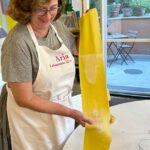
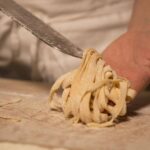
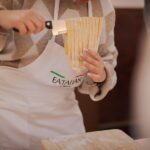
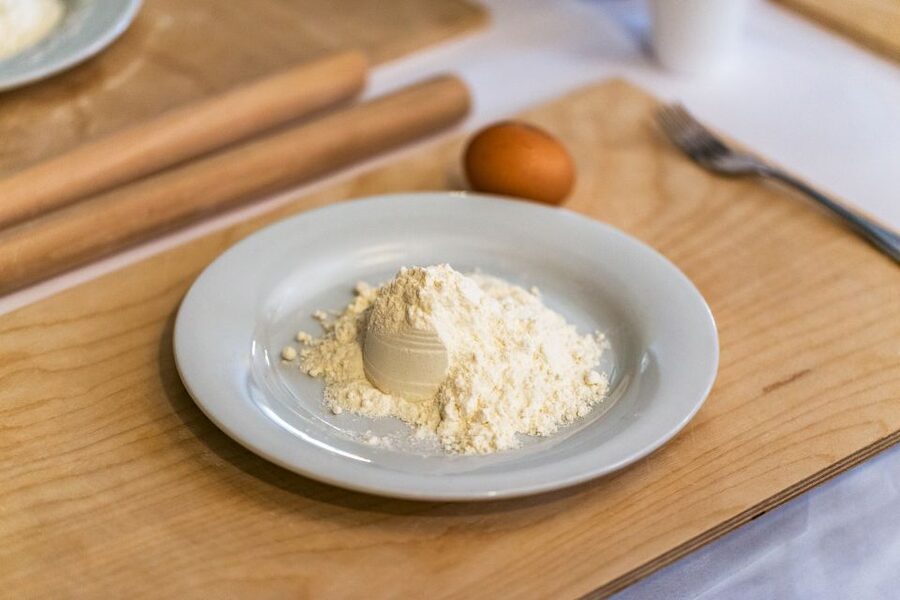
You’ll make homemade fettuccine pasta from scratch. That means working with basic ingredients and learning how they come together into dough you can roll and cut. Fettuccine is more than a “type of pasta.” It’s a texture and a shape. And your chef teaches you how to shape it properly, not just how to end up with noodles.
Choosing your sauce (and why it matters)
Before you taste, you’ll choose from three sauce paths:
- Tomato and Basil
- Amatriciana
- Cacio e Pepe
This choice is more valuable than it sounds. Tomato and Basil gives you bright, straightforward flavor. Amatriciana is richer and more savory, which pairs nicely with fresh pasta’s chew. Cacio e Pepe brings the cheese-and-pepper logic into the spotlight, and it’s the kind of simple sauce where technique makes the difference.
If you’re not sure what to pick, think about what you want your meal to feel like:
- Want lighter and fresh: Tomato and Basil
- Want bold and savory: Amatriciana
- Want classic Roman simplicity: Cacio e Pepe
Tiramisù: you mix it, you wait, then you actually taste
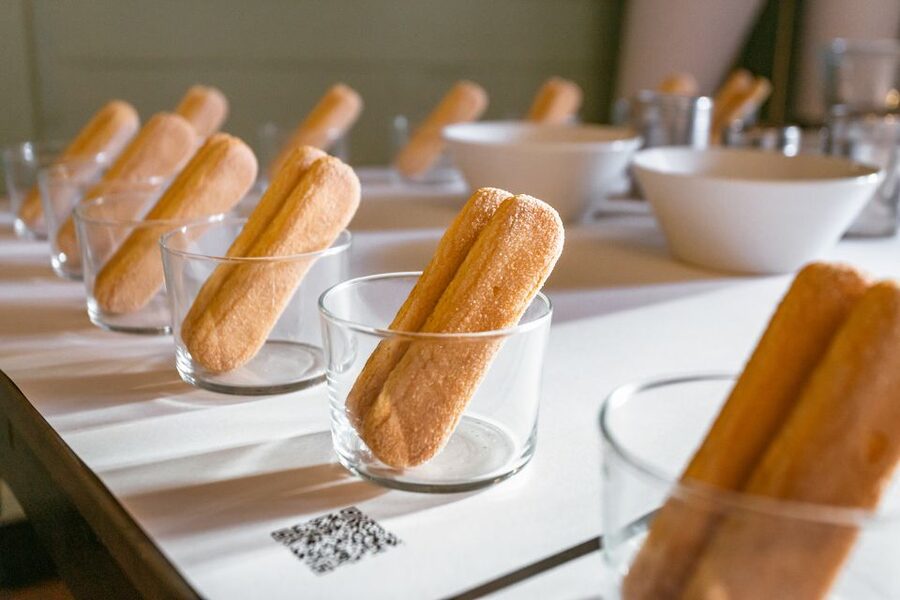
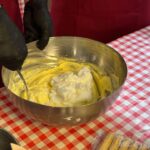
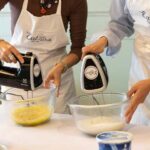
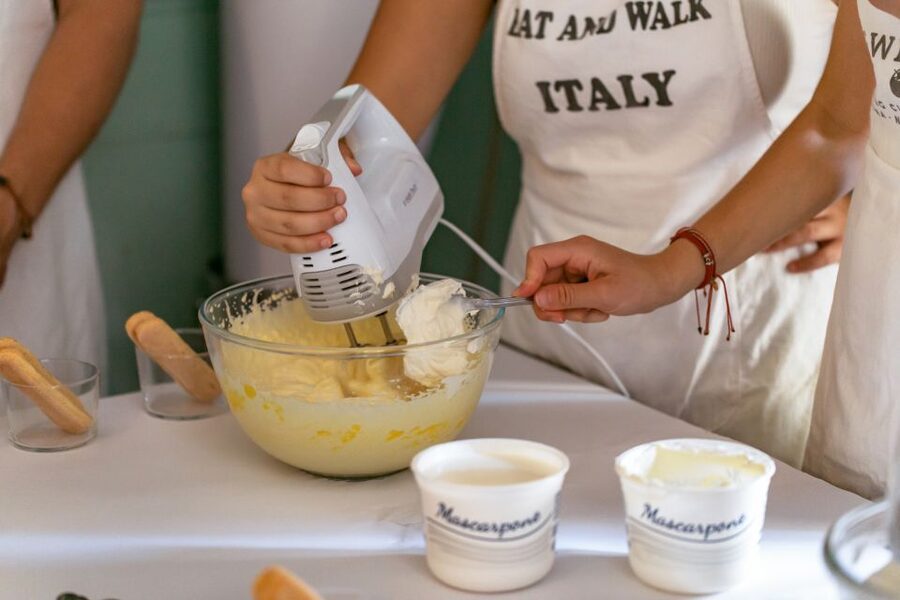
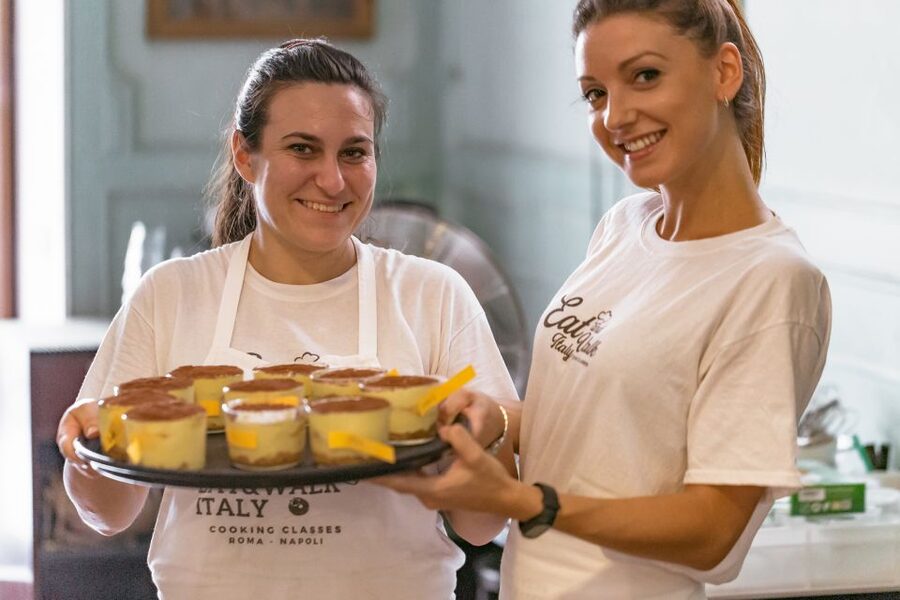
After the pasta work starts, the class shifts to tiramisù. You’ll craft it yourself, then put the tiramisù in the fridge to rest. That rest is not optional. It’s how the flavors meld and how the dessert firms up into the sliceable thing you want.
This structure is smart for beginners. You’re not stuck doing one task for hours. You get momentum from making, then you get a built-in pause while your tiramisù does its thing. During that downtime, you can chat with your group, and you’re also in a good spot to ask the chef about what you’re seeing in the kitchen.
When it’s time to taste, you’re not eating a dessert you watched someone else assemble. You get the satisfaction of recognition: this is what tiramisù is supposed to taste like, and now you understand why it works.




Wine, limoncello, and the pace of a Roman meal
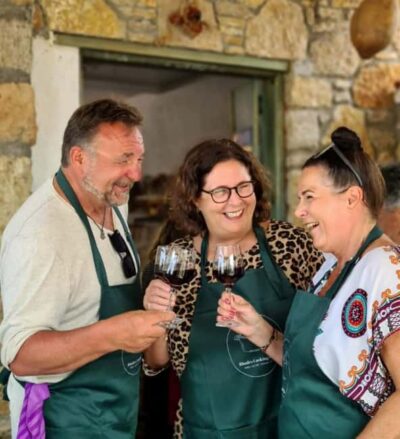
You’ll sit down to enjoy your pasta and tiramisù, paired with a glass of Italian wine or a non-alcoholic drink. You’ll also have a glass of limoncello or coffee, plus water throughout.
Pairing matters here because wine and limoncello change how you perceive the food. Wine helps the pasta feel like an actual meal, not a snack. Limoncello or coffee at the end gives you that classic Italian finish—bright and cleansing for limoncello, darker and comforting for coffee.
Timing-wise, the class is 3 hours total. That doesn’t leave room for lingering on every step forever, which is great if you like momentum. If you’re the type who reads every label slowly and wants extra practice, you might feel the pace. You can still learn a lot, but you should go in ready to follow instructions and keep moving.
What you’ll learn that sticks after Rome
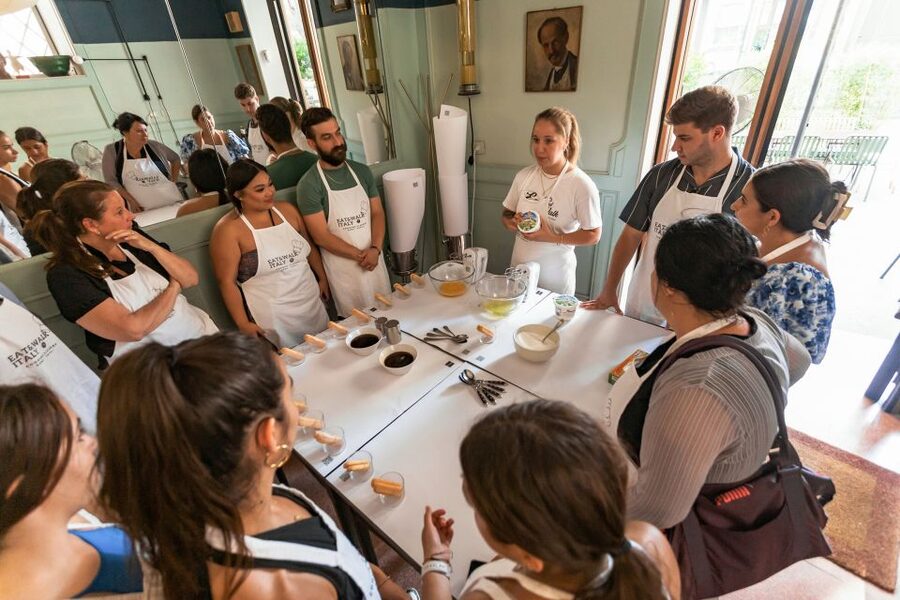
This is not just “make food, eat food.” The value is in small, repeatable skills that you can use later. Here are the big takeaways you’ll likely walk away with:
- Dough basics for pasta: how the ingredients behave when you mix and work them.
- Shaping confidence: fettuccine isn’t just “cut strips.” You’ll learn how to form it into the classic shape.
- Sauce logic: how simple ingredients create three different flavor directions.
- Tiramisù structure: why rest time matters and how the dessert firms up.
- Chef feedback in real time: you get corrections while you’re doing, not after the fact.
And there’s a social bonus. Cooking classes bring people together, and this one is built for conversation. You’ll likely meet fellow food lovers from different places, share what you’re ordering back home in your head, and trade a few kitchen tricks.
One more practical plus: you should expect recipe sharing at the end. That turns your class into a souvenir you can actually use, not just a memory.
Price and value: is $67.40 worth it?
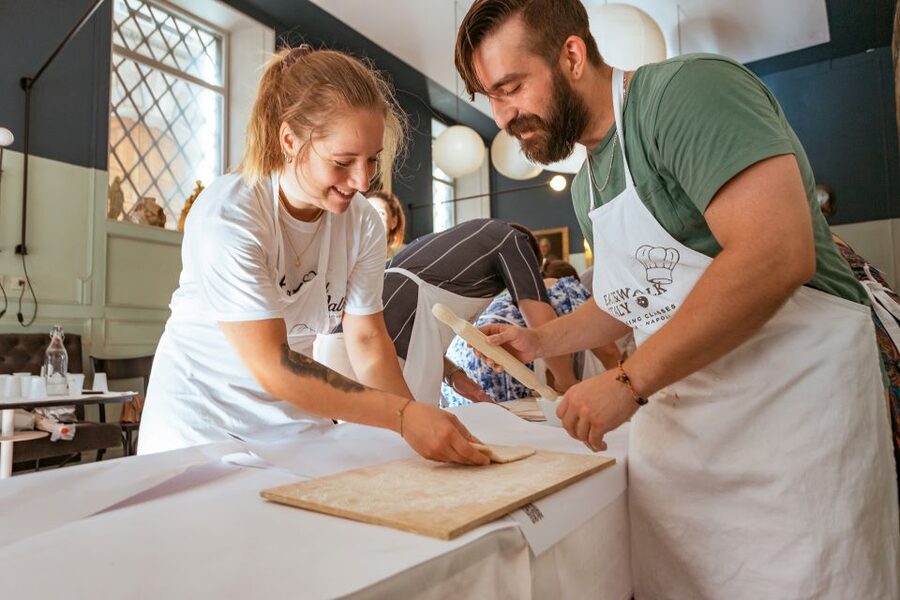
At $67.40 per person, this sits in the “worth considering” range for Rome food experiences. The value comes from the full package: instruction, ingredients, and the meal you produce, plus drinks (wine or non-alcoholic) and limoncello or coffee.
What you’re paying for isn’t only the food. It’s the chef’s time, the step-by-step guidance, and the fact that you’re making pasta and tiramisù in a real restaurant-style setting. If you tried to do this on your own in a Rome kitchen, you’d quickly run into the real costs: ingredients, tools, and the fact that you’d still need someone to show you the technique.
Is it the cheapest food activity in Rome? No. But it’s also not “one-hour tasting and done.” It’s a proper 3-hour class where you leave with both a meal and useful knowledge. For many visitors, that makes it a good deal.
Who this class fits best (and who should rethink it)
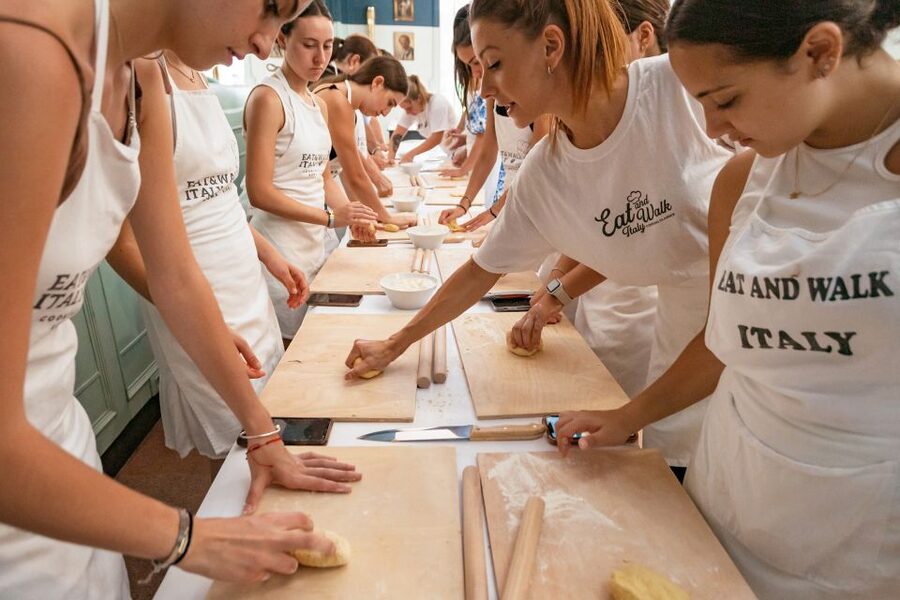
This cooking class is a great match if:
- you want a hands-on Rome activity that doesn’t require prior cooking skill
- you enjoy Italian food beyond pizza and gelato
- you like small-group energy and conversation while you work
- you want a dinner option that comes with drinks and a built-in plan
It may be less ideal if:
- you hate structured timing and quick transitions between tasks
- you’re looking for a long, unhurried workshop
- you’re traveling with very young kids (it’s not suitable for children under 4)
Pets are not allowed, so plan accordingly.
Should you book Rome fettuccine and tiramisù?
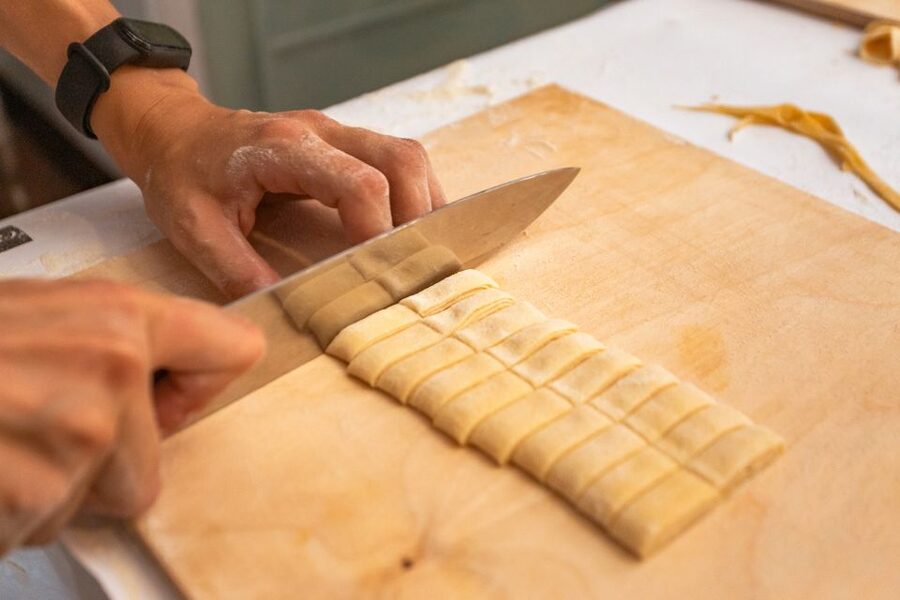
Yes, if you want a memorable, practical Rome food experience that ends with you eating exactly what you made. The combination of fettuccine from scratch, tiramisù with proper resting, sauce choice, and included wine plus limoncello or coffee makes it feel like more than a cooking demo.
Skip it only if you strongly dislike fast pacing. Otherwise, this is one of those Rome activities that turns your “I love Italian food” mood into a real skill you can repeat later.
FAQ
How long is the cooking class?
The class is 3 hours. Start times vary, so you’ll want to check availability for what’s offered during your dates.
Where do I meet the chef?
You meet your chef inside Restaurant Gusto. The activity ends back at the same meeting point.
What dishes will I make?
You’ll make homemade fettuccine and tiramisù.
Can I choose my fettuccine sauce?
Yes. Your fettuccine can be paired with one of these sauces: Tomato and Basil, Amatriciana, or Cacio e Pepe.
Will there be wine or drinks?
Yes. You’ll get a glass of wine or a non-alcoholic drink, plus limoncello or coffee, and water.
Is the class taught in English?
Yes. The instructor is English-speaking.
Are pets allowed, and is it suitable for young children?
Pets are not allowed. It’s not suitable for children under 4 years.