REVIEW · BUDAPEST
Hungarian Cooking Class with Iconic Dishes
Book on GetYourGuide →Operated by Cooking Hungary - Culinary Experiences · Bookable on GetYourGuide
Hungary tastes better when you stir it yourself. This 2.5-hour Budapest cooking class is hands-on, and you cook one iconic Hungarian dish with chef Marti while she connects the food to customs and everyday life.
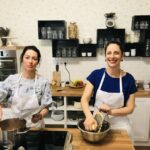
I especially like the setting: a cosy studio apartment in the center of Budapest, run with a careful, home-style touch instead of a canned performance.
One possible drawback: you only make one main dish per ticket, so you won’t get to compare all four menu options in the same session.
In This Review
- Key highlights at a glance
- Why This Budapest Hungarian Cooking Class Feels Different Than a Tour
- Meeting in Central Budapest: Király u. and the Studio-Apartment Setup
- Your Menu Choice: Goulash, Chicken Paprikash, Stuffed Cabbage, or Hortobágy Crêpe
- The four dishes you might cook
- The 2.5-Hour Cooking Flow: What You’ll Do From Start to Finish
- Cooking Tips You’ll Actually Use Again at Home
- Hungarian Bites, Drinks, and Wine: The Eating Part Isn’t an Afterthought
- Stories at the Table: Customs, History, and a Personal Jewish Thread
- Price and Value: What You’re Paying For at $102
- Who Should Book This Cooking Class (and Who Might Skip It)
- Quick booking tips before you decide
- Should You Book This Hungarian Cooking Class?
- FAQ
- How long is the Hungarian cooking class?
- How many people are in the group?
- What dishes can I choose from?
- What drinks and food are included?
- Can dietary needs be accommodated?
- Where is the meeting point?
- What are the booking and cancellation rules?
Key highlights at a glance
- Small group (up to 8), so you get time to ask questions while you cook
- One iconic dish chosen from four (goulash, chicken paprikash, stuffed cabbage, or Hortobágy crêpe)
- Chef Marti’s family-recipe approach with lots of story and context tied to the food
- Hungarian bites plus drinks during the session, including wine and homemade soft drinks
- Central Budapest studio apartment setting, quiet enough to focus on cooking
- Take-home recipes and kitchen tips, so you can repeat the dish later
Why This Budapest Hungarian Cooking Class Feels Different Than a Tour
Food tours can be fun, but they don’t teach you what matters. Here, you are not just tasting Hungarian flavors—you are learning how to build them, which turns the memory into a skill you can use later.
This class is also timed right. At 2.5 hours, you get hands-on cooking practice without the schedule stretching into a whole evening. That makes it a smart fit if you’re juggling museums, thermal baths, or a day trip from Budapest.
And the vibe is intentionally human. The experience happens in a small studio apartment setting, and the host’s tone is built around making you feel like you belong at the table.
You can also read our reviews of more tours and experiences in Budapest.



Meeting in Central Budapest: Király u. and the Studio-Apartment Setup
The experience meets at Flavors of Budapest, Király u. 77, 1077 Hungary. From there, you head to a private, cosy studio apartment in central Budapest for the cooking and eating portion.
That detail matters. Cooking in a regular restaurant can feel public and rushed. A studio apartment keeps things quieter and more conversational, so you can actually follow what your chef is doing—and then do the next step yourself.
Also, the apartment setting is stylish and calm, not chaotic. Even though it’s “in an apartment,” the setup is meant for hosting, not for turning someone’s home into a commercial kitchen circus. For you, that translates into a more relaxed experience where you can focus on learning.
Your Menu Choice: Goulash, Chicken Paprikash, Stuffed Cabbage, or Hortobágy Crêpe
You pick one dish from four classic options. That’s a simple setup, and it helps keep the class on track during the 2.5 hours.
The four dishes you might cook
- Goulash soup with beef and celery
- Chicken paprikash with small dumplings (made with dairy, egg, flour)
- Stuffed cabbage with pork plus dairy and egg
- Savoury meat crêpe – Hortobágy style (using dairy, egg, flour)
Here’s the practical part: each option gives you a different “Hungarian technique flavor.” Goulash soup leans toward stew-style seasoning and comfort-bowl cooking. Chicken paprikash teaches the sauce-and-dumpling rhythm. Stuffed cabbage brings in the assembled, portioned approach. The Hortobágy-style crêpe shifts you into a more savory, pan-based workflow.
If you’re deciding between them, think about what you’ll enjoy recreating later:
- Want the most classic one-pot comfort? Goulash soup
- Want a dish that feels special even on weekdays? Chicken paprikash
- Want a structured, hearty meal with built-in portions? Stuffed cabbage
- Want something a bit different from the usual Hungarian suspects? Hortobágy crêpe
The 2.5-Hour Cooking Flow: What You’ll Do From Start to Finish
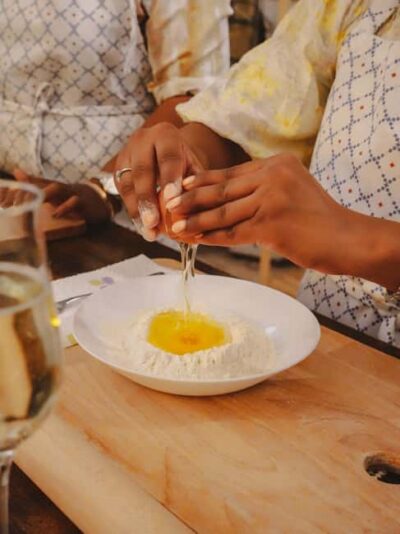
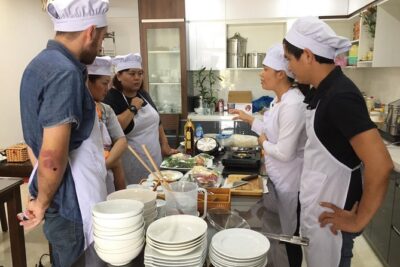
This is a hands-on class, so you should expect to cook—not just watch. The format is built around a guided session where the chef explains, then you work, and then you eat what you made.
A typical class rhythm here goes like this:
- You start with the ingredient and tool setup so you know what you’re working with
- You cook your chosen dish with step-by-step guidance
- You pause along the way for bites and drinks, so the session stays social
- At the end, you sit down and enjoy your homemade meal, plus the included “farmer’s plate” component
Why this timing works: it lets you practice technique and don’t leave you feeling lost when the dish gets moving. Hungarian home cooking is rarely about one magical step; it’s about steady pacing—seasoning, mixing, assembling, and getting the texture right.
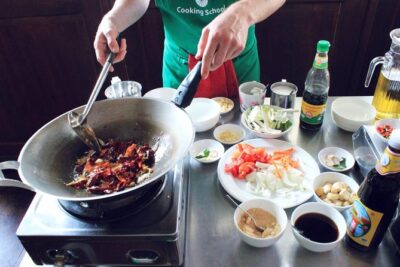
You’ll also receive all ingredients and kitchen tools. That’s a huge value point if you’re traveling, because you won’t need to hunt down a specialty shop list before class.


Cooking Tips You’ll Actually Use Again at Home
This class isn’t only about a single meal. It also gives you take-home recipes and useful kitchen tips.
That matters because your memory of Hungarian food can fade fast. A written recipe plus technique notes means you can recreate the taste instead of just chasing it. And if you’ve ever made a dish once and then struggled to repeat it, you already know why this is important.
You’ll get learning support in two ways:
- Chef guidance in the moment as you cook
- Recipe and kitchen tips to help you repeat later
Also, because the class covers more than one dish on the menu, you tend to walk away with a better sense of how Hungarian cooking thinks—comfort-food logic, but with smart structure.
Hungarian Bites, Drinks, and Wine: The Eating Part Isn’t an Afterthought
The session includes more than your main dish. You get Hungarian bites and drinks throughout.
Included beverages and drink items:
- Wine (white and/or red)
- Two types of homemade soft drinks
- Mineral water (still and/or sparkling)
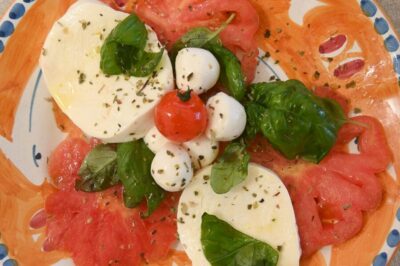
There’s also a farmer’s plate included, which adds that “Hungarian table” feeling beyond just soup or a plated entrée. The goal is simple: you should taste your way through the experience while cooking, not wait until the very end.
One reason this stands out: the drinks are part of the culture, not random add-ons. The homemade soft drinks and the wine focus give you a more complete picture of how an evening meal can flow in Hungary—food first, but with supportive drinks and conversation.
If you’re a wine person, you’ll appreciate that the host has real wine knowledge tied to her background and upbringing in a wine region.
Stories at the Table: Customs, History, and a Personal Jewish Thread
You won’t only get “what ingredients are.” You’ll hear stories about Hungarian customs, culture, and history—and the way they connect to food.
In the class experience, that story-telling is part of why people rate this so highly. The chef (Marti) has the kind of hosting style that makes the kitchen feel like a lived-in place, not a scripted classroom.
There’s also a personal Jewish thread that shows up naturally in the conversation and the cultural background shared during the evening. That’s useful for you because it adds depth without turning into textbook recitation. You get context you can carry into how you read Hungarian life outside the kitchen.
If your travel style is “I learn best when I’m eating,” this is a strong match.
Price and Value: What You’re Paying For at $102
At $102 per person for 2.5 hours, this isn’t the cheapest way to eat in Budapest. But it can be good value if you look at what’s included.
You’re getting:
- A professional chef-led, hands-on cooking session
- One full iconic dish you make yourself
- Hungarian bites during the class
- A farmer’s plate
- Wine and homemade soft drinks, plus mineral water
- All ingredients, kitchen tools and equipment
- Take-home recipes and kitchen tips
So what are you actually buying? Not just dinner. You’re buying the combination of chef time, meal materials, and instruction. If you’ve ever paid restaurant prices in a city and then left without learning anything transferable, this is the opposite.
Also, the small group cap (up to 8) matters. In larger classes, you can lose time waiting for help. Here, the limited size supports real cooking guidance and easier conversation.
Who Should Book This Cooking Class (and Who Might Skip It)
This class is a great fit if you:
- Want a hands-on Budapest activity that doubles as dinner
- Like small-group experiences where you can talk with the host
- Want to learn one Hungarian dish properly so you can cook it again
- Appreciate cultural stories that connect food to daily life
You might consider skipping if:
- You want to taste all four dishes in one night (you pick one)
- You prefer big-group, high-energy tours with lots of walking and sights
- You’re only looking for a quick meal and not for cooking instruction
In other words, choose this for the “learn it, then eat it” value—not for a pure sightseeing day.
Quick booking tips before you decide
A few practical thoughts to help you plan:
- Pick the dish that matches what you’ll enjoy eating again later. That’s the one you’ll be working on.
- If you have dietary needs, you should tell the organizer ahead of time. The class can handle vegetarian requests and gluten-free or lactose-free needs, plus nut allergies upon request.
- If you’re traveling with friends, this style is ideal for a small shared evening rather than a solo stop.
Should You Book This Hungarian Cooking Class?
If you want a Budapest experience that’s practical, personal, and tied to authentic Hungarian comfort food, I’d book it. The strongest reasons are the hands-on cooking, the small group size, and the way the host connects cooking to stories and table-style hospitality.
The main trade-off is simple: you only cook one dish per booking. If that fits your expectations, you’ll likely feel like the money went into real instruction and a memorable meal, not just a plate you could have gotten anywhere.
FAQ
How long is the Hungarian cooking class?
The class lasts 2.5 hours.
How many people are in the group?
It is limited to a small group of up to 8 participants.
What dishes can I choose from?
You can choose one of: goulash soup, chicken paprikash with small dumplings, stuffed cabbage, or a savoury meat crêpe (Hortobágy style).
What drinks and food are included?
You get Hungarian bites and a farmer’s plate, plus drinks including wine, homemade soft drinks, and mineral water.
Can dietary needs be accommodated?
Yes. Vegetarian options are available if you let the organizer know in advance, and gluten-free, lactose-free, and nut allergy needs can be requested.
Where is the meeting point?
The meeting point is Flavors of Budapest, Király u. 77, 1077 Hungary.
What are the booking and cancellation rules?
There is free cancellation up to 24 hours in advance for a full refund, and you can reserve now and pay later.