REVIEW · ROME
Rome: Traditional Pasta, Spritz & Tiramisu Cooking Class
Book on GetYourGuide →Operated by Global Experiences · Bookable on GetYourGuide
Rome tastes better when you make it. In this hands-on class you’ll learn homemade pasta and either Roman dessert or a classic spritz, with a prosecco welcome to set the mood. I like the step-by-step teaching and the fact that you actually finish by eating what you made, not just watching. One big consideration: the menu is not suitable for vegans or gluten intolerance/coeliac, and it’s not built for lactose intolerance because dairy is used.
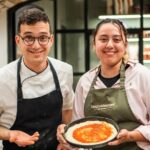
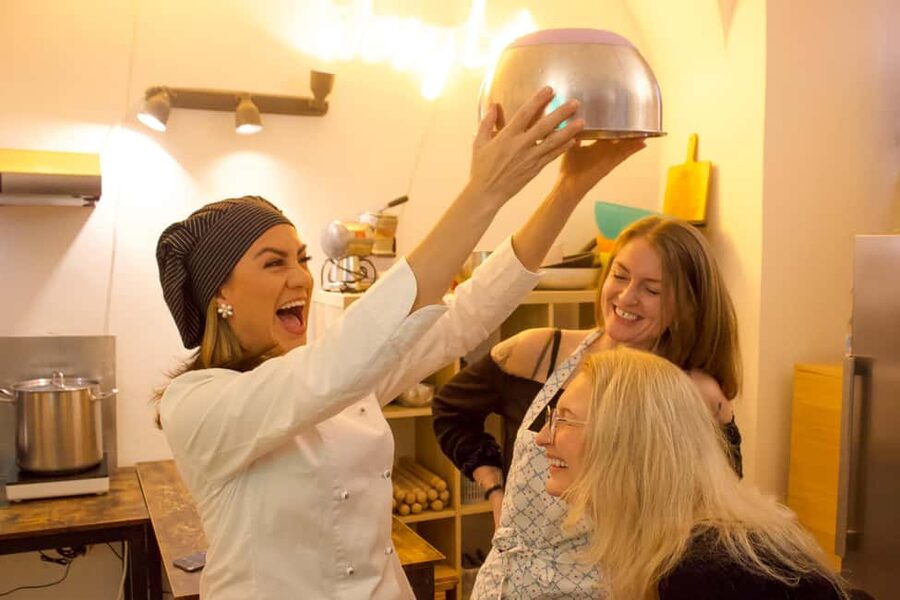
I also love the ending—wine while you sit down, then limoncello to close the loop. The best part is how the local chefs and hosts keep things fun and fast, like Angela and Jem leading lively sessions, with guides such as Polina or Ida bringing their own energy to the kitchen.
In This Review
- What You’ll Cook in Rome: Pasta, Carbonara or Cacio e Pepe, and Tiramisu or Spritz
- The Prosecco Welcome Sets a Confident, Unrushed Tone
- Rolling Fettuccine and Making Roman Sauce from Scratch
- Choosing Tiramisu or Spritz: Picking the Mood You Want
- Wines, Limoncello, and Alcohol-Free Options That Don’t Feel Like an Afterthought
- Small Group, Real Chef Feedback (and Why It Improves Your Results)
- Value in Real Terms: What $100.82 Buys You in Rome
- Dietary Limits in Plain English: Who Should Skip This Class
- Timing and What the Schedule Feels Like (2.5–3 Hours)
- Who This Rome Cooking Class Fits Best
- Should You Book This Rome Pasta, Spritz & Tiramisu Class?
- FAQ
- FAQ
- How long is the Rome cooking class?
- What do I make during the class?
- Does the class include drinks and wine?
- Can kids or non-drinkers join?
- Are there vegetarian options?
- Is it gluten-free or coeliac-friendly?
- Is it safe for lactose intolerance?
- Do I get recipes to take home?
- Do I need hotel pickup?
What You’ll Cook in Rome: Pasta, Carbonara or Cacio e Pepe, and Tiramisu or Spritz
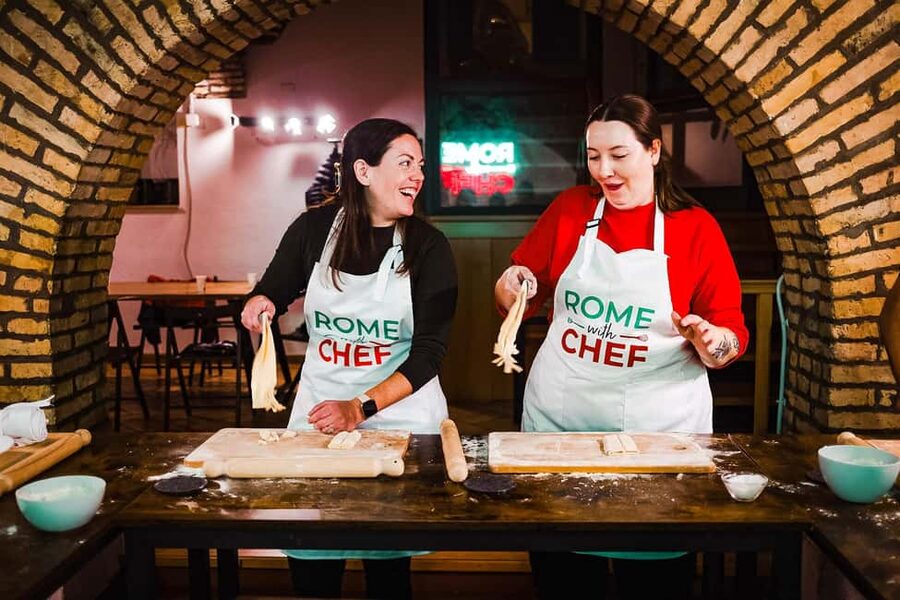
The class is built around three hits of Italian comfort food: fresh pasta, a Roman-style sauce you cook from scratch, and a finish you choose in advance.
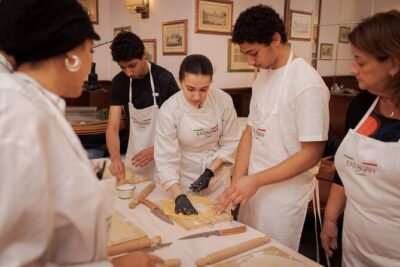
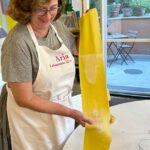
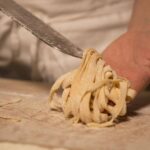
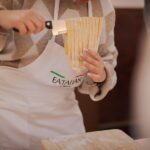
You’ll start by making dough, then rolling, shaping, and cutting it into fettuccine. After that, you’ll cook one sauce from scratch—either carbonara or cacio e pepe—so you learn how a simple set of ingredients can turn into something addictive.
Then you pick your second half:
- Tiramisu option: you’ll learn how to make a creamy tiramisu that you’ll eat after the pasta.
- Spritz option: you’ll learn how to make a classic Italian spritz to pair with the rest of the meal experience.
This setup is great because you get both technique and payoff. You leave with recipes you can recreate at home, plus the muscle memory of doing it yourself.
The Prosecco Welcome Sets a Confident, Unrushed Tone

Classes like this can go two ways: either stiff and formal, or chaotic and messy. This one usually stays in the sweet spot because it starts with a warm welcome and a glass of prosecco, so you’re relaxed before you ever touch dough.
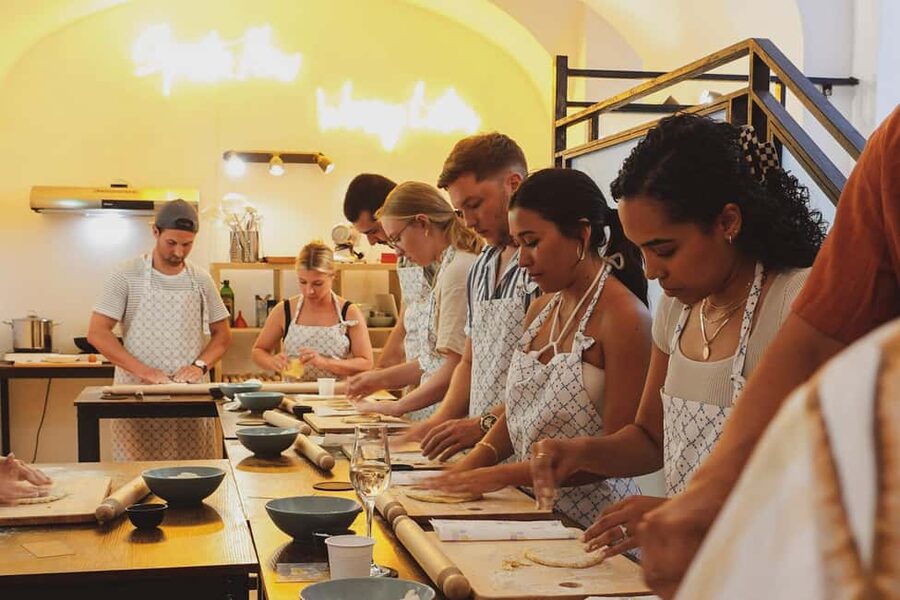
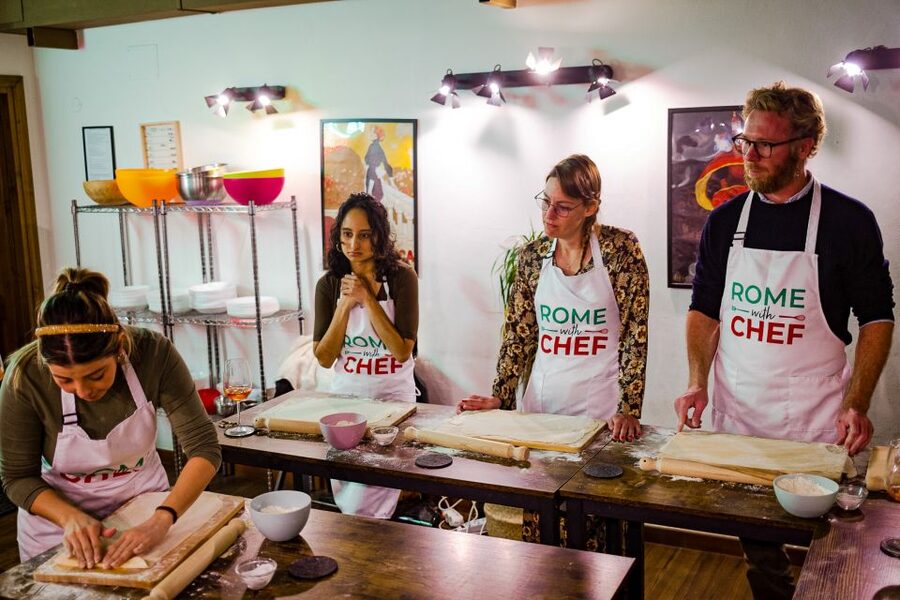
Once you meet your chef (English-speaking) and your small group, you jump into a clear sequence: first your chosen drink or dessert, then pasta, then sauce, then sitting down to eat. That flow matters more than it sounds. When the steps are organized, you actually learn what to do, instead of spending the whole time trying to catch up.
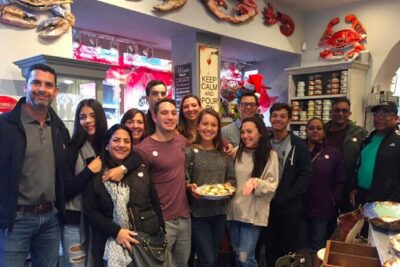
I like that it feels social without turning into a party where you forget the cooking. People trade tips, you laugh, and the kitchen stays focused on the task at hand.
You can also read our reviews of more tours and experiences in Rome.

Rolling Fettuccine and Making Roman Sauce from Scratch
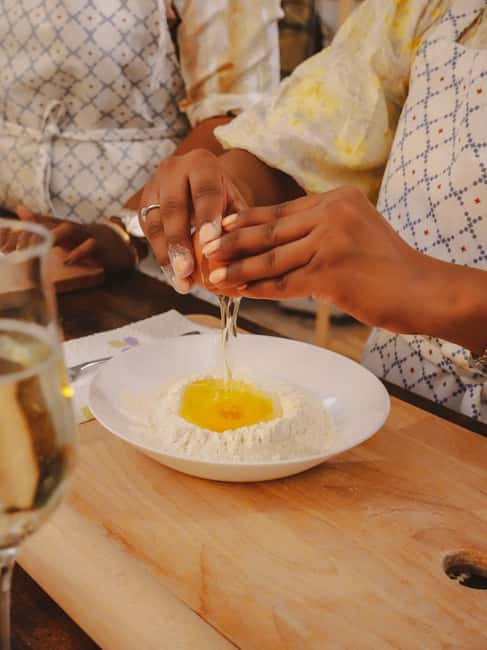
Here’s the practical magic: you don’t just mix ingredients—you build the texture and timing yourself.
First, you mix your dough and start shaping. The rolling and cutting are taught with an eye for real-world results, not perfection fantasies. Then you’re ready to cook your pasta sauce from scratch, choosing between:
- Carbonara, or
- Cacio e pepe
Both sauces teach you something useful about Roman cooking: keep it simple, work carefully, and pay attention to how ingredients come together. Even if you’ve eaten these dishes a hundred times, cooking them changes how you think about them.
You’ll also be standing in the middle of it while the kitchen fills with the smells of your food. That’s more than atmosphere. It helps you understand when the sauce is ready and what the right texture should feel like.
Choosing Tiramisu or Spritz: Picking the Mood You Want
Your choice—tiramisu or spritz—really changes the feel of the class.
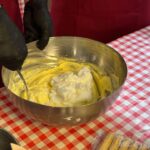
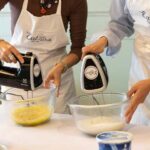
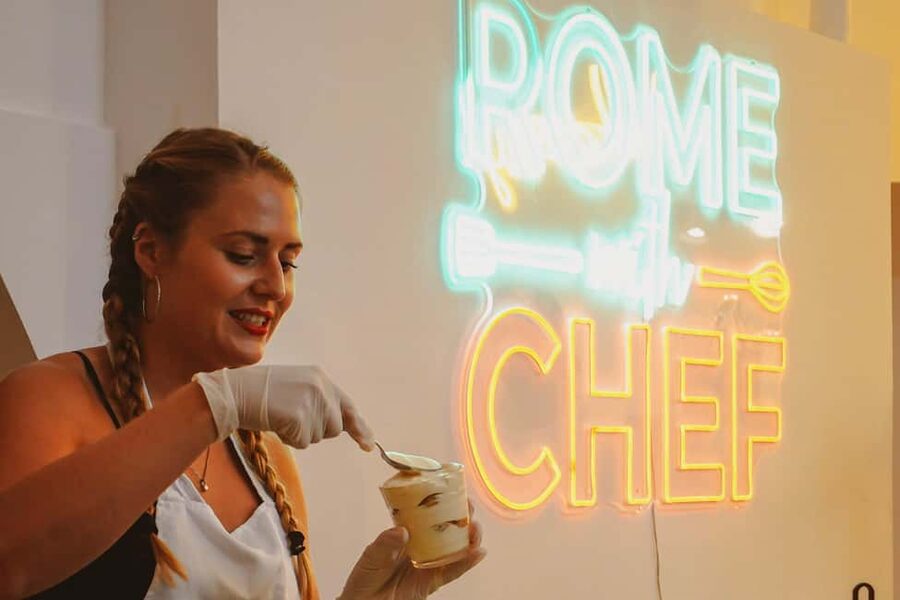
If you choose tiramisu, you’ll focus on a dessert-building process and learn how to assemble it so it tastes rich and balanced. It’s a classic for a reason, and it’s the kind of thing that impresses even people who think they can’t bake.
If you choose spritz, you’ll switch gears toward the drink-side of Italian tradition. That’s a smart move if you’d rather learn something you can use immediately on your next evening out—without needing to turn on an oven.
Either way, you’ll still end up with the same core of experience: hands-on pasta making, sauce from scratch, and a sit-down meal.
Wines, Limoncello, and Alcohol-Free Options That Don’t Feel Like an Afterthought
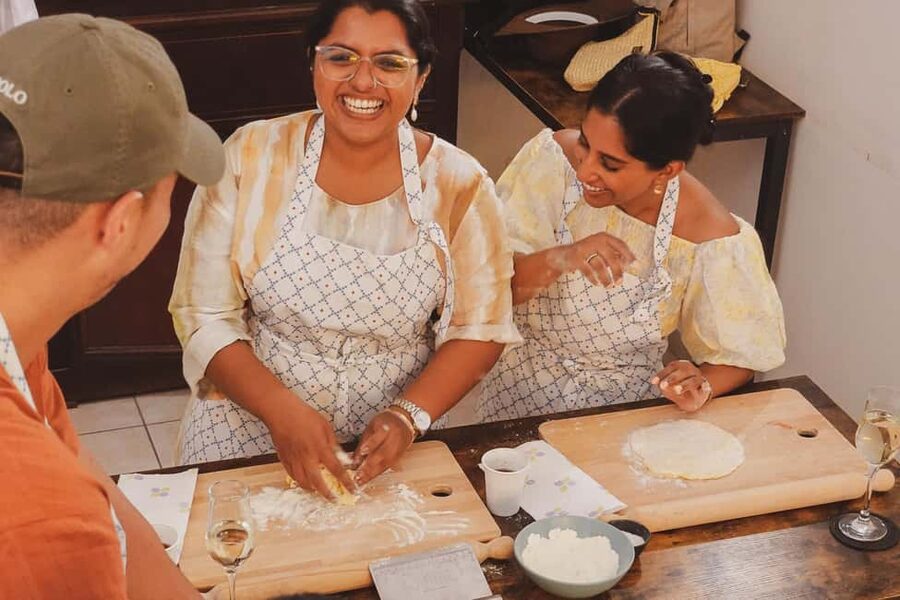
Food classes in Italy can turn into an all-drink, no-cook situation. This one keeps the pacing tied to cooking, while still giving you the real Italian rhythm of sips during the meal.
You’ll have:
- 1 glass of prosecco at the welcome
- Unlimited water and soft drinks
- 1 glass of local wine with your meal
- 1 glass of limoncello to finish
And if alcohol isn’t your thing, there are alcohol-free options available, including for non-drinkers and kids. That’s important: you shouldn’t have to sit out the fun just because you don’t drink.
In a few sessions, the energy gets extra loud in the best way—music turned up, drinks flowing, and chefs keeping the room moving—without losing the cooking lessons.
Small Group, Real Chef Feedback (and Why It Improves Your Results)
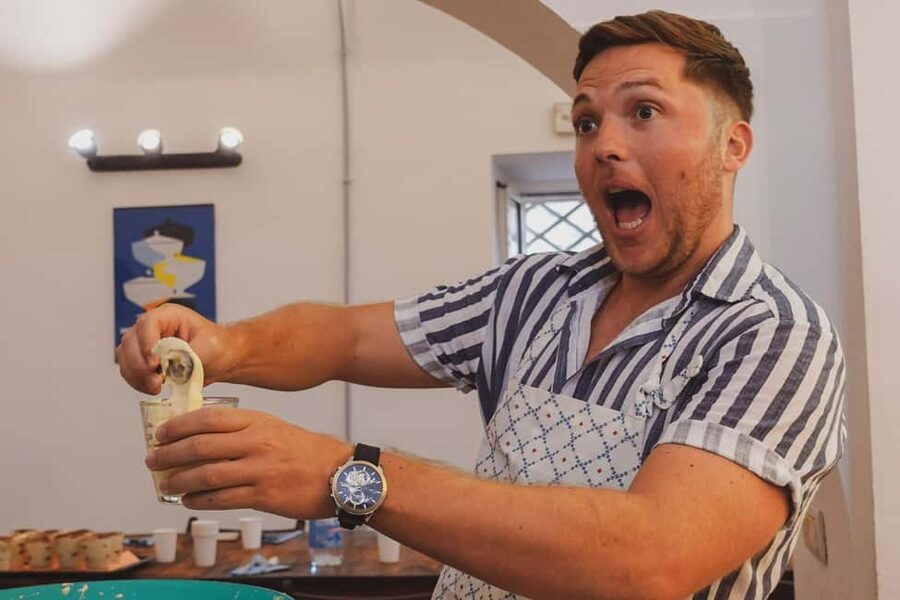
A big reason these classes earn near-universal praise is the hands-on format. You’re not stuck watching from the edges.
This is designed as a small-group experience, and the way it’s taught makes it easier for the chef to correct small mistakes—like dough texture or sauce timing—before they turn into a bland result. In at least one session, the group was so small it turned into a near-private vibe, which made it feel even more personal and fun.
You’ll see this reflected in the kind of feedback people give: lots of specific praise for the chef’s instruction, plus notes about the class being interactive and engaging. Names that come up include hosts and chefs like Angela, Jem, Polina, Ida, and Benjamin—each with their own style, but with the same underlying focus on getting you to finish with food you’re proud of.
Even better: some instructors share photos and recipes after the class through messaging like WhatsApp, so you can remember what you did and rebuild it at home with less guesswork.


Value in Real Terms: What $100.82 Buys You in Rome
At about $100.82 per person, the price can look high until you match it to what you’re actually getting.
You’re paying for:
- a local chef guiding you through homemade pasta
- a sauce you cook from scratch (carbonara or cacio e pepe)
- a dessert or drink option (tiramisu or spritz)
- multiple included drinks: prosecco, wine, and limoncello, plus soft drinks and water
- fresh ingredients used during the class
- recipes to take home in a handy ebook
For many people, the value comes down to two things: you eat a full meal you helped make, and you leave with practical recipes you’ll use again. If you’re the type who buys souvenirs but wishes you could bring home a skill, this delivers a better kind of keepsake.
If you’re on a tight budget, you may compare it to a couple of restaurant meals and decide it’s worth it only if you truly want the hands-on part. But if you want one memorable experience that teaches you something and feeds you well, it’s a strong deal.
Dietary Limits in Plain English: Who Should Skip This Class
This part matters, so I’m not going to sugarcoat it.
The class can offer vegetarian options for the pasta, but the menu has firm limits. It’s not able to accommodate:
- coeliac disease or gluten intolerance
- vegan diets
- lactose intolerance, because dairy ingredients are used
And gluten-free, vegan, or dairy-free options aren’t listed as available. So if you have one of these dietary needs, you’ll want to look for a different cooking class style that explicitly supports your restrictions.
If you’re unsure, tell them in advance. You might be able to ask what accommodations are possible, but don’t assume you can swap ingredients here.
Timing and What the Schedule Feels Like (2.5–3 Hours)
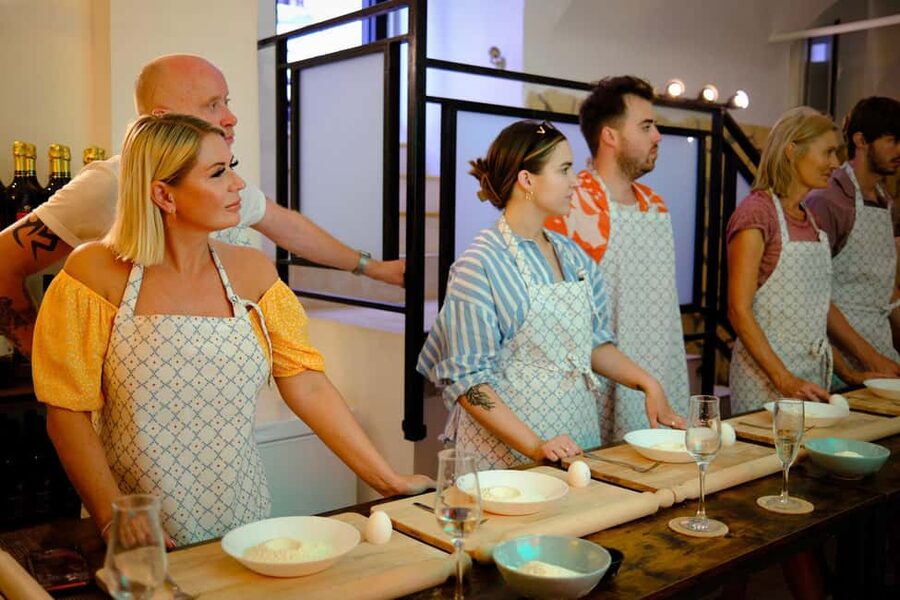
The class runs about 2.5 to 3 hours, depending on the start time you choose. That’s long enough to do real cooking, but not so long that you feel cooked yourself before the food arrives.
Expect a steady rhythm:
1) welcome drink and introductions
2) tiramisu or spritz preparation
3) dough, rolling, shaping, and cutting into fettuccine
4) choosing and making your Roman sauce
5) sit down and eat with included wine
6) finish with limoncello
This timing works well in Rome because you can slot it between sightseeing blocks. It also gives you a guaranteed indoor break when the heat or crowds make your day feel harder.
Who This Rome Cooking Class Fits Best
This class is ideal if you want a practical, social experience without needing cooking experience first.
It’s a good match for:
- couples looking for a shared activity
- solo travelers who want to meet people at the table
- small groups of friends who’d rather learn together than just eat together
- families, since the format is friendly and includes alcohol-free options for kids
If you love food but also enjoy structure, you’ll appreciate the step-by-step teaching and the clear “cook, then eat” payoff. And if you want a Roman culinary skill you can actually repeat at home, the recipes you take with you are a real bonus.
Should You Book This Rome Pasta, Spritz & Tiramisu Class?
Book it if you:
- want hands-on pasta making, not a passive tour
- like classic Italian food and want to learn carbonara or cacio e pepe properly
- are comfortable with dairy and gluten
- want an included meal experience with drinks and a chef you can ask questions to
Skip or reconsider if you:
- need gluten-free, vegan, or dairy-free accommodations
- don’t enjoy cooking activities and would rather just eat at a restaurant
My take: this is the kind of Rome experience that pays off immediately. You’ll leave with a full belly, a story you can’t buy in a shop, and recipes you can use again long after you’ve walked away from the Colosseum.
FAQ
FAQ
How long is the Rome cooking class?
The class is listed as about 2.5 to 3 hours, depending on the starting time you select.
What do I make during the class?
You’ll make homemade pasta (fettuccine), then cook a Roman-style sauce from scratch (either carbonara or cacio e pepe). You also choose between making tiramisu or making spritz.
Does the class include drinks and wine?
Yes. You’ll have a prosecco welcome, 1 glass of local wine with your meal, and 1 glass of limoncello at the end. Water and soft drinks are unlimited. Alcohol-free options are available.
Can kids or non-drinkers join?
Yes. The class notes alcohol-free options for non-drinkers and kids.
Are there vegetarian options?
Vegetarian options for the homemade pasta are available, but the class is not suitable for vegan diets.
Is it gluten-free or coeliac-friendly?
No. The class is unable to accommodate coeliac disease, gluten intolerance, and/or gluten intolerance.
Is it safe for lactose intolerance?
No. The class states it cannot accommodate lactose intolerance because dairy products are used.
Do I get recipes to take home?
Yes. You’ll receive the recipes to take home in a handy ebook.
Do I need hotel pickup?
Hotel pickup and drop-off are not included, and the meeting point can vary depending on your option booked. The activity ends back at the meeting point.