REVIEW · DUBLIN
Irish Craic & Cuisine: Cooking Class & Dinner in Central Dublin
Book on Viator →Operated by eatwith · Bookable on Viator
A Dublin kitchen is where the good stories live.
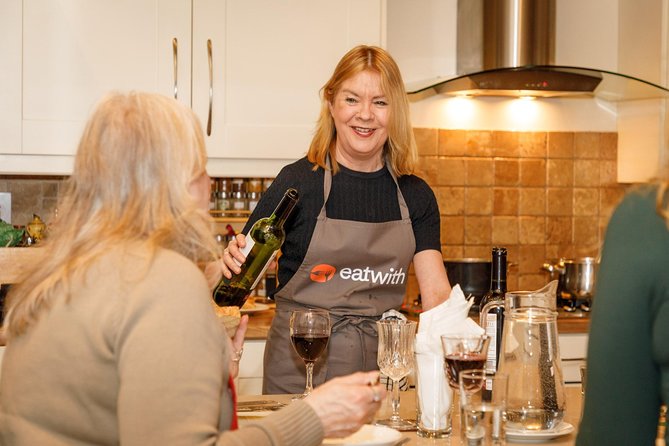
This hands-on Irish cooking class with host Ann turns dinner into a social evening: you help make soda bread, hearty soup, Beef and Guinness casserole, and colcannon, then finish with Irish coffee and city advice. It feels like spending the night with a friend who happens to be an excellent chef.
What I like most is that it’s genuinely participatory (you’re not just watching), and you go home with a recipe booklet so the meal isn’t stuck in the past. The other big plus is the small setup: a maximum group size of 8 means you actually talk, laugh, and get your questions answered.
One thing to think about: the meeting point is in the Castleknock area (part of Phoenix Park), so it’s not the same as being dropped in the middle of downtown. If you’re staying far from public transport, plan your ride so you’re not stressing before 6:00 pm.
In This Review
- Key highlights you should care about
- Where you start: Castleknock (Phoenix Park) instead of downtown
- Getting settled in Ann’s kitchen: the craic begins early
- Irish soda bread and buttery comfort: the starter you’ll actually remember
- Heart of the meal: Beef and Guinness casserole plus colcannon
- Beef and Guinness casserole
- Colcannon (potato + kale)
- Dinner time with good craic: eating what you made
- Irish coffee lesson: how the dessert moment becomes a skill
- Going home with a cookbook: your meal becomes a repeatable win
- Price and value for a 3-hour Central Dublin evening
- Who should book this cooking class (and who might not love it)
- Practical tips so your evening goes smoothly
- Should you book Irish Craic & Cuisine with Ann?
- FAQ
- How long is Irish Craic & Cuisine in Central Dublin?
- Where does the experience start?
- What do I make and eat during the evening?
- Is there a group limit?
- Is it an adult-only experience?
- What language is the class offered in?
- Do I need to tell them about food allergies or special diets?
- Do I get anything to take home?
Key highlights you should care about
- Small group, real conversation: maximum 8 people keeps it cozy and friendly
- Hands-on cooking, not a show: you help prepare each dish before dinner
- Proper Irish comfort food menu: soda bread, leek-and-potato soup, Beef and Guinness casserole, colcannon
- Irish coffee lesson after dinner: you learn the steps, not just the idea
- Host-led Dublin tips: Ann shares advice so you get more out of the rest of your stay
- You leave with recipes: a cookbook/recipe booklet for everything you cooked
Where you start: Castleknock (Phoenix Park) instead of downtown
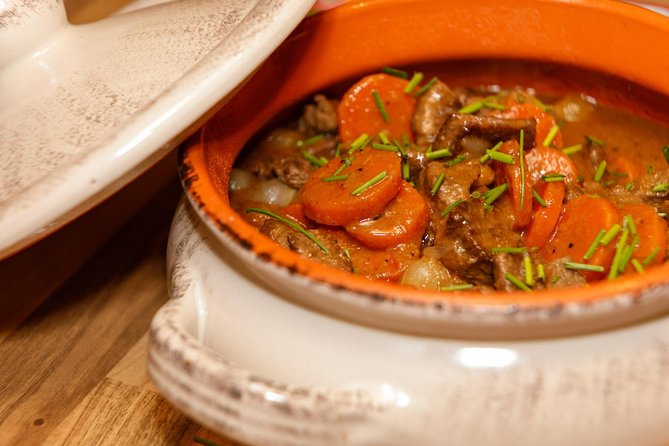
The experience meets at Kinvara Park, Castleknock, which sits in the wider Phoenix Park area. For some people, that’s a win: you get a more local-feeling neighborhood start, and you’re not fighting the densest tourist foot traffic right at 6:00 pm.
The good news is that it’s described as near public transportation. Still, you should assume you’ll need a short bus or taxi hop depending on where you’re staying. I’d budget a little extra time and arrive a touch early, because this is the kind of evening that runs on a relaxed, together rhythm once you’re there.
Also note the evening is for ages 18+. If you’re traveling with a mixed-age group, this one won’t fit everyone.
Getting settled in Ann’s kitchen: the craic begins early
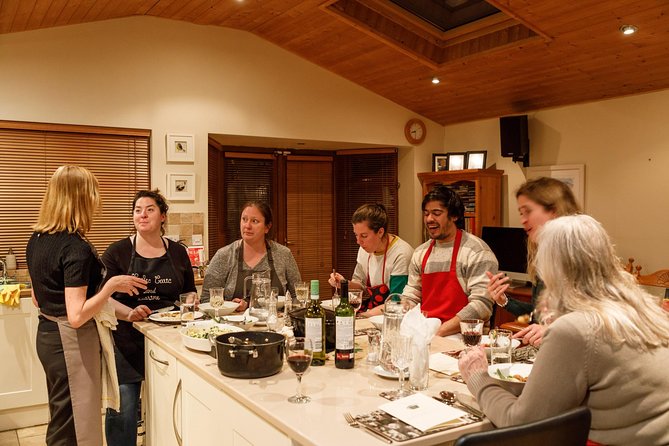
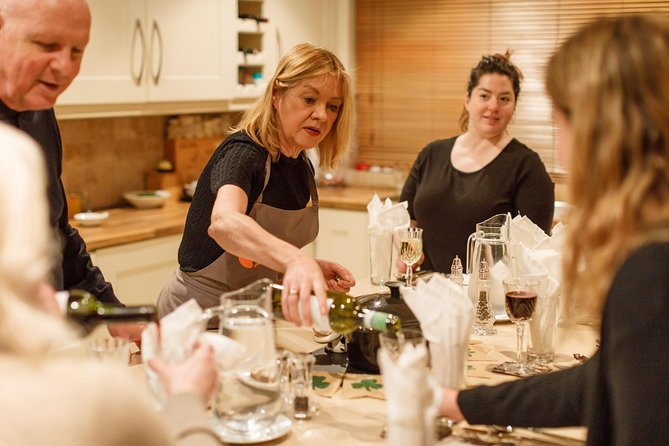
Once you arrive, Ann welcomes you into her home and sets the tone fast: this isn’t a rushed class where everyone lines up and disappears back to their hotel. It’s more like a dinner party where you’re earning your seat by helping cook.
You’ll be assigned tasks during prep, and the evening stays friendly and social. That matters because Irish food is hands-on by nature—bread dough needs attention, and casseroles and sides need timing. When the group is small, there’s enough space for you to participate without feeling like you’re in the way.
A detail I really appreciate here is the way Ann mixes cooking with storytelling and culture. Food classes can turn into boring step-by-step recitations. This one is set up so the cooking explains the place—and the place explains the cooking.
Irish soda bread and buttery comfort: the starter you’ll actually remember
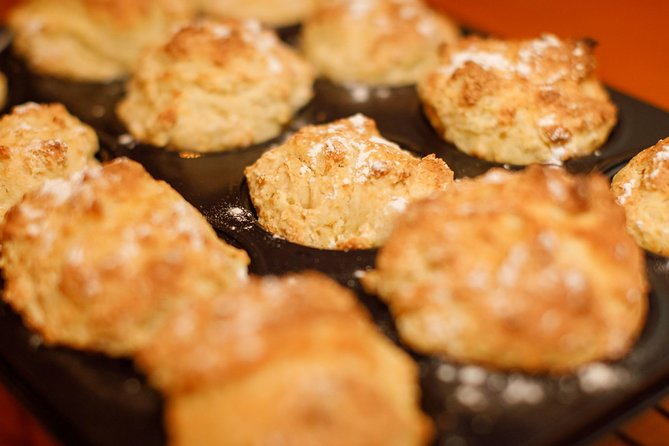
First up is traditional Irish soda bread. Soda bread is one of those meals that seems simple, but it’s easy to do poorly if you don’t understand the basics. You’ll get hands-on guidance while the dough comes together and the bread bakes.
Then you build toward dinner with homemade leek and potato soup, served with freshly made buttered soda bread. This combo is classic Irish comfort: creamy, mild, and satisfying without being fussy. And serving it with warm soda bread matters. It turns the starter into something you can taste deeply, not just snack through.
Why this works for your evening:
- It gives you a chance to jump in early while you’re still fresh.
- It sets expectations for the rest of the meal—hearty, warming, and very “stick-to-your-ribs.”
If you’re the type who likes food that feels grounded and practical (not just pretty), this is the part that tends to win people over fast.
Heart of the meal: Beef and Guinness casserole plus colcannon
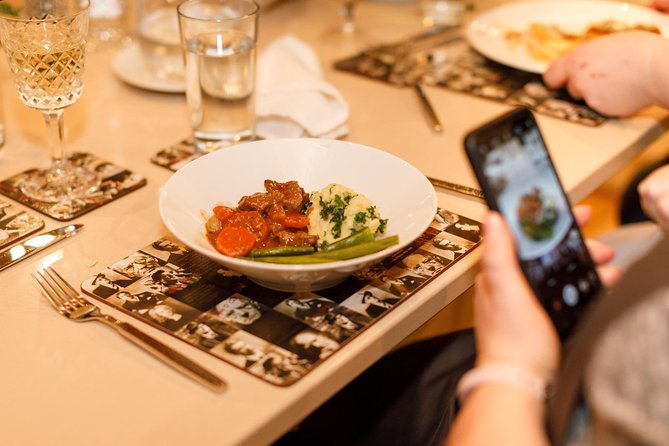
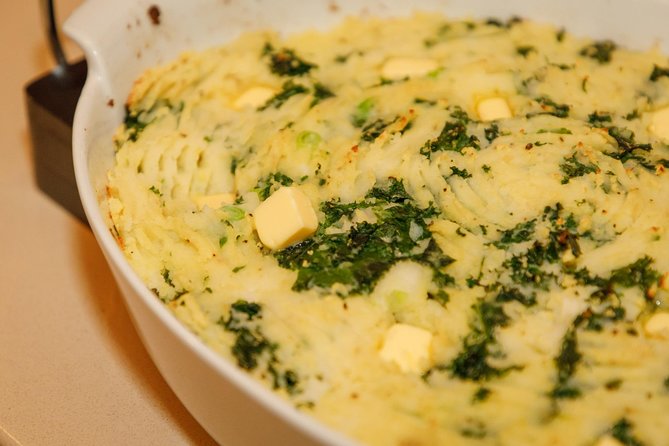
The main course is traditional Beef and Guinness casserole, paired with colcannon—potato and kale. This is the core of what many people picture when they think of Irish home cooking: slow, rich flavors and sides that feel like they’ve been part of family menus forever.
Beef and Guinness casserole
Guinness doesn’t just add dark color. It adds a malty depth that makes the beef taste richer and the sauce feel rounded. You’ll help with prep before everyone sits down, so you understand what changes taste: seasoning, browning steps, and how the casserole comes together as it simmers.
Colcannon (potato + kale)
Colcannon is one of those dishes that can be either bland or memorable depending on how it’s built. The kale gives it that earthy, slightly bitter edge, while the potato keeps it smooth and comforting. When done well, it tastes like the kind of side that steals the show because it’s familiar, but not boring.
In a small group of up to 8, you’re not stuck waiting for someone else’s pace. You’ll be able to focus on your job and still enjoy the conversation around you.
Dinner time with good craic: eating what you made
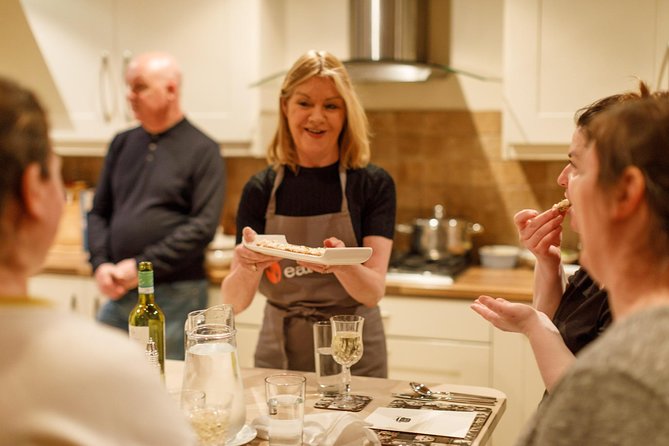
After the cooking, everyone sits down together. This is when the evening turns from workshop mode into full dinner-party mode—good craic in Ireland means fun, music, and conversation, and that’s the energy you’re aiming for.
Since the dishes are portioned from what you helped prepare, dinner feels earned. You’re not eating “around” the experience—you’re eating it. And because it’s a small group, you’re more likely to meet people you’ll actually remember.
A practical note: this is a 3-hour event, so expect steady pacing rather than long pauses. It’s designed for a complete evening—prep, cook, eat, learn the final trick—without dragging.
Irish coffee lesson: how the dessert moment becomes a skill
After dinner, Ann shows you how to make Irish coffee. This is the dessert-and-drinks finish that people talk about because it’s both tasty and learnable.
Irish coffee also makes sense in the flow of the evening: it’s warming after a hearty meal, and it lets you take away something interactive you can repeat later. If you’ve ever ordered Irish coffee and wondered what makes it taste right, this is the moment where you get the method, not just the drink.
The best part for your future self: you can recreate it at home without hunting down a special kitchen tool. It’s a “guest-friendly” skill too—bring it out when you want to make people feel you know what you’re doing.
Going home with a cookbook: your meal becomes a repeatable win
By the end of the evening, you receive a recipe booklet with what you cooked. This turns the experience from a one-night memory into a practical outcome.
Here’s why that matters: if you just eat and leave, Dublin can blur into a bunch of meals. When you leave with recipes—soda bread, soup, Beef and Guinness casserole, colcannon, and Irish coffee—you get a way to refresh the trip later. Even if you don’t cook everything, you’ll likely keep one or two favorites.
If you’re traveling with family or friends, this also makes a great takeaway. People love when you can recreate the taste you had “in Dublin,” and recipes make it believable.
Price and value for a 3-hour Central Dublin evening
At $117.42 per person for about 3 hours, this isn’t a bargain class. It’s also not trying to be.
You’re paying for several value drivers at once:
- A small group (up to 8), which usually means more hands-on attention
- A full meal built from multiple dishes, not just a snack
- Real instruction on items like soda bread and Irish coffee
- A host experience in a home kitchen, which is different from bigger commercial setups
- A recipe booklet so you actually extend the value after the evening
If you compare this to paying for dinner plus a cooking workshop ticket separately, it often feels more reasonable. And the biggest value is intangible: you get a social evening where you learn through doing, not through watching a screen.
For me, this pricing sits in the sweet spot for travelers who want more than a standard restaurant meal.
Who should book this cooking class (and who might not love it)
This suits you if:
- You like hands-on food experiences and want to cook, not just observe
- You want a small, social evening in Dublin with a real local host
- You care about classic Irish comfort food: soda bread, soup, casserole, colcannon
- You want a memorable skill to take home: Irish coffee
- You’re okay with meeting in the Castleknock/Phoenix Park area (rather than central city streets)
You might hesitate if:
- You want a fast, structured “tour” with lots of walking between stops. This is a home-based evening.
- You’re very focused on being in the absolute center of Dublin right at 6:00 pm. You’ll want to plan transport smartly.
Practical tips so your evening goes smoothly
- Arrive on time. The start time is 6:00 pm, and the evening depends on a relaxed flow.
- If you have food restrictions, tell the host ahead of time. The experience asks guests to communicate allergies and special diets.
- Plan transportation to Castleknock. Public transport is available, but distance from downtown changes your travel time.
- Go ready to participate. This works best when you’re willing to help with prep steps.
That’s it. No special tricks needed—just show up curious and hungry.
Should you book Irish Craic & Cuisine with Ann?
Yes, if your idea of a great Dublin night is a small-group, host-led dinner where you cook real Irish comfort food and finish with an Irish coffee you can actually make at home. The strongest reasons to book are the hands-on menu, the small group size, and the fact you leave with recipes, not just photos.
If you hate the idea of traveling a bit outside the center before dinner, or you need a strictly in-the-streets sightseeing plan, then look for something more downtown and more walking-based. But for most travelers chasing authentic Irish craic and cuisine, this is a very solid choice.
FAQ
How long is Irish Craic & Cuisine in Central Dublin?
It runs for about 3 hours.
Where does the experience start?
It starts at Kinvara Park, Castleknock (part of Phoenix Park), Dublin, Ireland, and it ends back at the same meeting point.
What do I make and eat during the evening?
You make traditional Irish soda bread and soup, then help prepare and enjoy Beef and Guinness casserole with colcannon. Dessert includes making Irish coffee.
Is there a group limit?
Yes. The maximum group size is 8 travelers.
Is it an adult-only experience?
Yes. It’s for ages 18+.
What language is the class offered in?
The experience is offered in English.
Do I need to tell them about food allergies or special diets?
Yes. Guests are asked to communicate any food restrictions such as allergies or special diets.
Do I get anything to take home?
You’ll go home with a cookbook/recipe booklet with the recipes from the evening.