REVIEW · SANTA CRUZ LA LAGUNA
Lake Atitlan Maya Kitchen: 3-Hour Cooking Class
Book on GetYourGuide →Operated by Los Elementos Adventure Center · Bookable on GetYourGuide
Cooking in Lake Atitlan feels like time travel. In a 3-hour Lake Atitlan Maya Kitchen class, you learn how Mayan culture and Spanish colonial influences show up in everyday flavors. It’s hands-on, personal, and you leave with food skills you can actually use at home.
I love that you cook up to three authentic dishes yourself, with guidance as you go. I also love the result: a plated 3-course lunch you get to eat right after, plus a printed recipe copy so you’re not guessing later.
One thing to consider: the class is in Santa Cruz la Laguna, and transportation isn’t included. Plan your travel time carefully if you’re coming by boat, and note it isn’t wheelchair accessible.
In This Review
- Key highlights to clock before you book
- A Lake Atitlan cooking class with real people behind it
- How the 3-hour class flows: demos, hands-on work, and your own plates
- The food story you’re really learning: Mayan roots plus Spanish techniques
- Lunch on the patio: why the meal is part of the lesson
- Who this works best for (and who might want to rethink)
- Price and value: what $70 buys you here
- Practical notes for Santa Cruz la Laguna day planning
- The people side: Alfredo, Alicia, and extra support that makes it click
- Should you book Lake Atitlan Maya Kitchen?
- FAQ
- How long is the Lake Atitlan Maya Kitchen cooking class?
- What is included in the price?
- What dishes will I cook?
- Where is the class located?
- Is transportation to and from the class included?
- What language will the instructor teach in?
- Are private classes available?
- Is the class wheelchair accessible?
- Are pets allowed, and can you smoke during the class?
- What’s the cancellation policy?
Key highlights to clock before you book
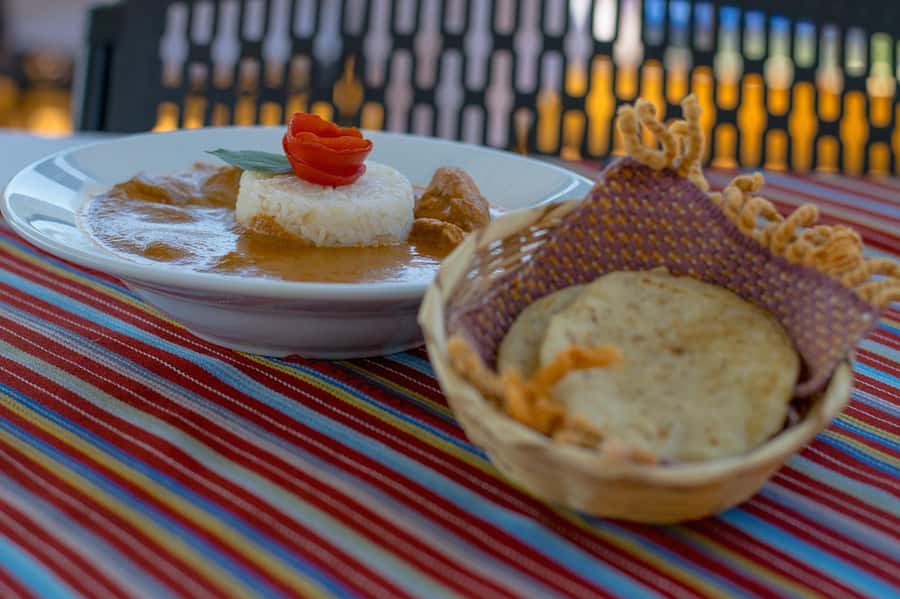
- Up to three dishes cooked with step-by-step help, not just watching
- English instruction (and sometimes Spanish support), so you can follow every step
- Printed recipes to take home, including the dishes you prepare
- 3-course lunch on the patio overlooking Lake Atitlan
- Instructors Alfredo or Alicia, graduates of the Amigos de Santa Cruz culinary program
A Lake Atitlan cooking class with real people behind it
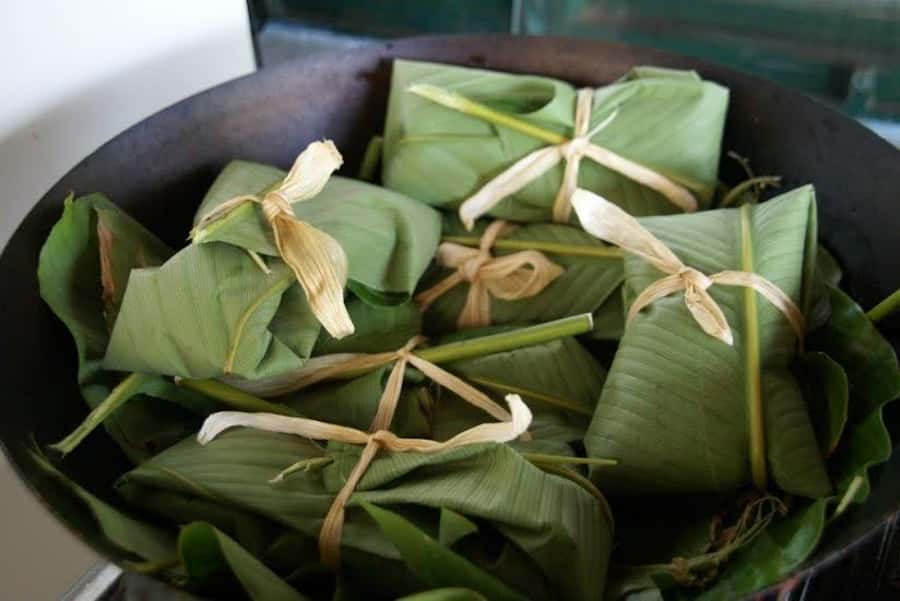
Lake Atitlan is already a special place, and this class adds a human layer. You’re not just tasting Guatemala from a distance. You’re working in a kitchen run through the community of Santa Cruz la Laguna, with Mayan cooks from Lake Atitlan sharing how their traditions show up in what ends up on the table.
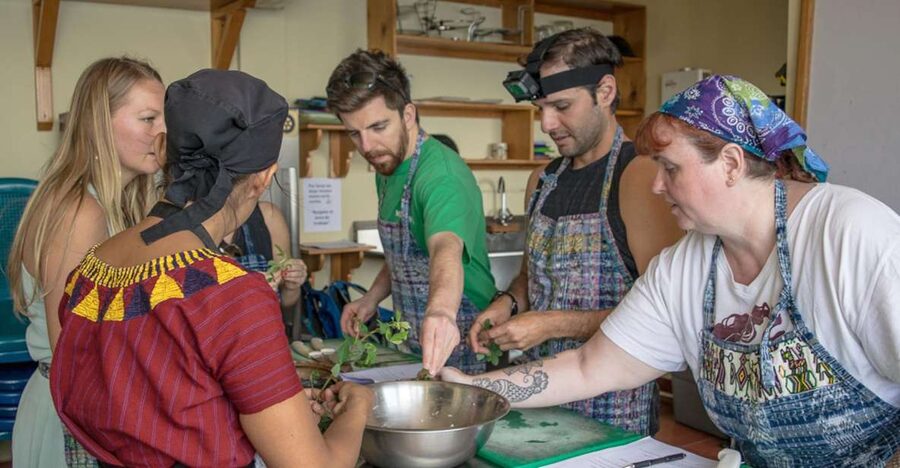
The structure is simple: you get demonstrations, you practice, and then you eat what you made. That matters because cooking classes can go two ways—either you hover around the edges, or you leave confident you can repeat the work. Here, you’re meant to be in it.
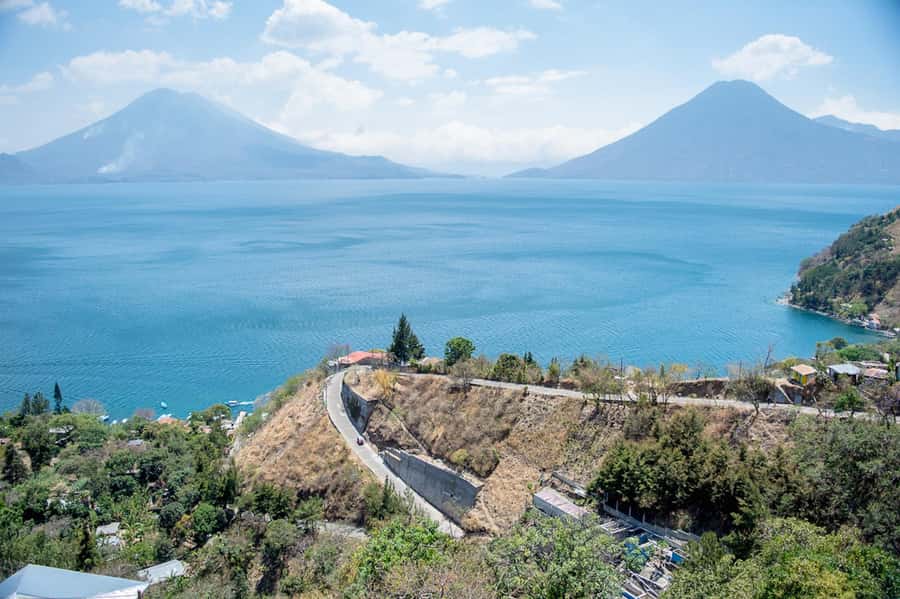
And the setting helps. After cooking, you enjoy lunch in a dining space and on the patio with views of the lake. It’s the kind of break that turns a class into a full experience.
How the 3-hour class flows: demos, hands-on work, and your own plates
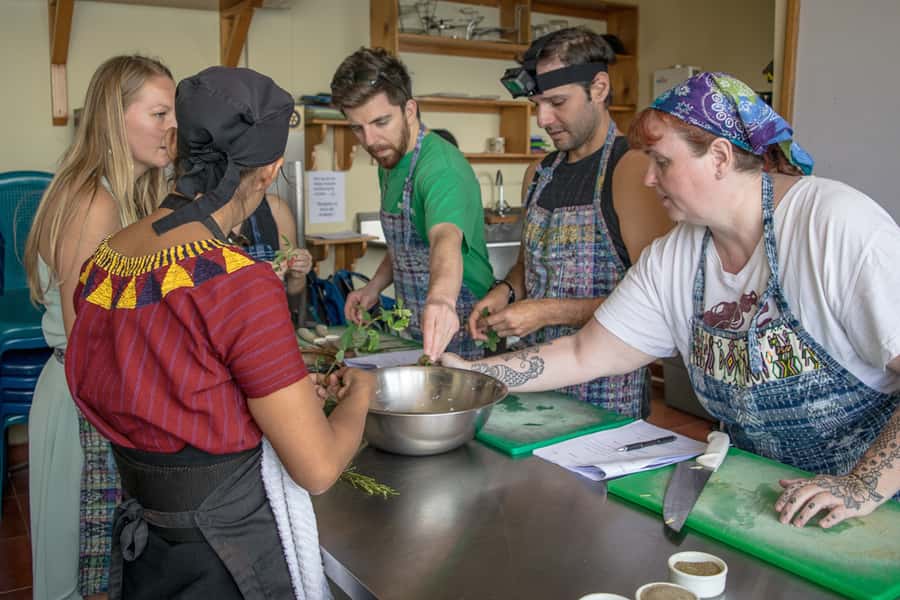
The class runs for about three hours, and it’s paced so you aren’t rushed but you also aren’t stuck waiting around. Typically, the instructor demonstrates each recipe first, then you move into hands-on cooking.
Here’s what that feels like in practice:
- You watch the technique once—how ingredients come together, how heat changes the process, and what to watch for.
- Then you cook your own portion, using the same steps.
- Between recipes, you get explanations tied to ingredients and method, so it clicks instead of feeling like memorizing.
You’ll learn to prepare traditional Guatemalan recipes connected to both Mayan culture and the period of Spanish colonial influence. That combination is useful to you, not academic. It helps you understand why certain flavors or methods exist side by side, so you can make smart choices when you cook later.
If you prefer more one-on-one attention, private classes can be arranged for individuals. For solo travelers or food-focused folks who want extra coaching, that option can be worth it.
The food story you’re really learning: Mayan roots plus Spanish techniques
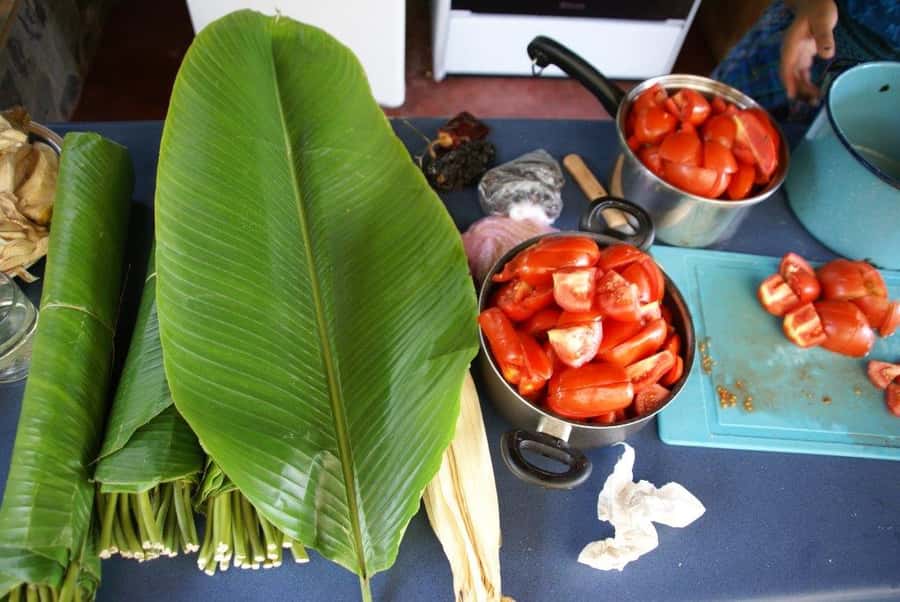
The class doesn’t treat cuisine like a set of random dishes. It frames them as a story—how Mayan culture and the Spanish colonial era shaped what people cooked and how people cooked it.
In your daily life as a home cook, what you want is context that changes your choices. This is the kind of class where you’re not only learning what’s on the plate, but also learning how tradition is carried through practical steps: what the ingredients do, how timing works, and how technique affects the final result.
Guatemala’s cooking traditions reflect many layers—local knowledge from the lake region, plus influences that arrived later and became part of the way people cook. You’ll notice that blend while you cook, because the methods and ingredients aren’t presented as separate worlds. They show up as workable combinations you can recreate.
And if you’re the type who likes to understand why a dish tastes the way it does, you’ll probably enjoy how the instructor connects ingredients to process rather than keeping it vague.
Lunch on the patio: why the meal is part of the lesson
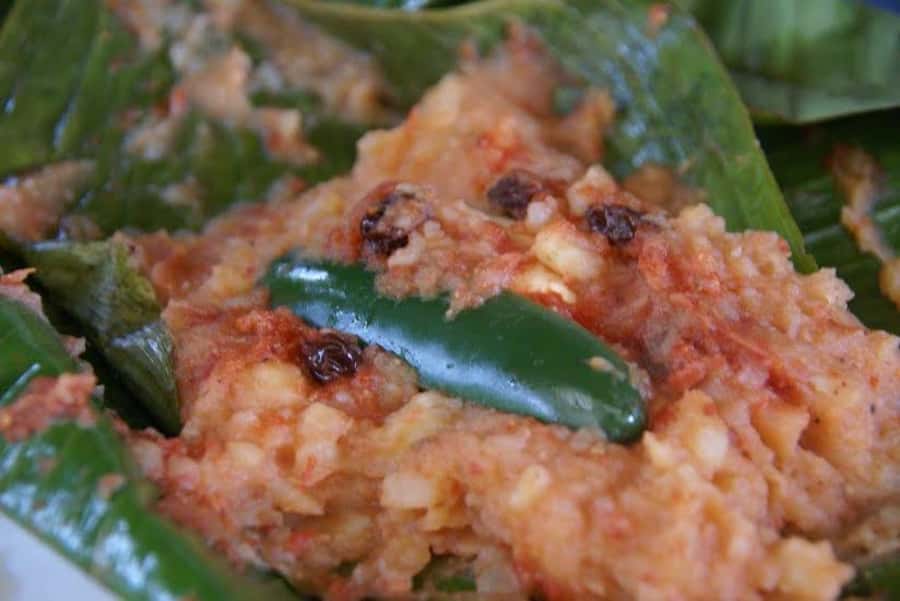
You get a plated 3-course lunch included, and it’s served after your cooking work. That’s not just a free meal. It’s part of how you learn.
When you eat right after cooking, you can compare what you intended versus what happened. You can ask yourself:
- Did the texture land the way it was described?
- Did the seasoning balance match the explanation?
- Would you adjust heat next time?
Lunch is also where the class turns social. People often end up cooking in pairs or small groups, then sitting together to eat. One of the nicest parts, based on recent experiences shared by people who took the class, is the welcoming tone—like you’re invited into a home kitchen rather than routed through a scripted tourist stop.
You also eat outdoors on the patio with views of Lake Atitlan, which makes the meal feel like a reward instead of just a stop on a schedule.
Who this works best for (and who might want to rethink)
This is a great fit if you:
- want a hands-on Lake Atitlan cooking class instead of a lecture
- care about food culture explained through the way dishes are made
- like learning in a small-group setting and eating together afterward
- want recipe printouts you can use back home
It may not be ideal if you:
- need wheelchair-friendly access (the class isn’t suitable for wheelchair users)
- prefer a strictly private, silent, low-interaction experience (the shared class format can be social by nature)
Language is another practical point. The instructors speak English (and sometimes also Spanish or mixed explanations). If you’re comfortable with basic Spanish, you may catch extra details, but English instruction is the main expectation.
Also, keep in mind the venue rules: no pets and no smoking.
Price and value: what $70 buys you here
At $70 per person, it’s not a cheap activity. But it’s also not overpriced when you look at what’s included.
For your money, you’re getting:
- guided instruction to cook up to three authentic dishes
- a plated 3-course lunch you eat right after
- a printed copy of the recipes you made
The real value is that you’re not paying just for entertainment. You’re paying for skill-building plus food you’ll actually enjoy. In a lot of classes, the portion size is small and the “teaching” is thin. Here, the emphasis is on doing, with explanations tied to ingredients and technique.
Then there’s the community side. Proceeds support the community of Santa Cruz la Laguna through the nonprofit Amigos de Santa Cruz, which runs education and economic empowerment programs. You’re also working with instructors tied to the Amigos culinary program—Alfredo or Alicia are graduates of that program—so your fee has a meaningful local impact.
So yes, you’re paying for a premium food experience, but you’re also getting a real lesson and a meal, plus supporting community programs. That combination is why the class has strong word-of-mouth energy.
Practical notes for Santa Cruz la Laguna day planning
The class is located in Santa Cruz la Laguna (Sololá Department). Transportation isn’t included, so I suggest you build extra time around getting to the area.
A couple of practical tips that can save headaches:
- Confirm your start time before you head over, especially if you’re coordinating boat travel.
- Give yourself a buffer. Boats and local timing can be unpredictable in lake towns.
- Bring whatever you need to feel comfortable in a home-style kitchen environment (for example, wear clothes you don’t mind getting splashed during cooking).
Also, since the class has a set duration and a short teaching window, late arrivals can mess with the flow. When you plan, treat it like a real appointment.
The people side: Alfredo, Alicia, and extra support that makes it click
One of the most praised parts of this experience is how welcoming the instruction feels. People describe being treated like part of the culture, not handled like a ticket number.
In terms of who runs the class, you’ll likely work with Alfredo or Alicia, both linked to Amigos de Santa Cruz’s culinary program. They’re supported by Mayan cooks from the lake region, who carry the local traditions through food.
English support matters too. While the class is built around English instruction, some sessions also include additional English help from guides such as Santiago, which can be a huge benefit if you want to understand every step. On more than one occasion, people mention that the teaching included extra recipe ideas beyond the main dishes, which can be a nice bonus if you want to expand your Guatemala at-home menu.
Should you book Lake Atitlan Maya Kitchen?
Book it if you want a hands-on cooking class that teaches you more than just how to follow instructions. This is for you if you care about Guatemala’s food culture, want to understand how Mayan traditions and Spanish colonial influences show up in real cooking, and you want a recipe sheet for after you return home.
I would skip it if you need wheelchair access, or if you strongly prefer that all parts of the experience run on your schedule with zero coordination needed. Also, because transportation isn’t included, plan your route to Santa Cruz la Laguna carefully.
If you do book, go in with the right mindset: you’re learning technique, not just collecting a meal. When you cook actively and ask questions during the demos, you’ll get the best version of this experience—then you’ll be able to recreate the flavors later, not just remember them.
FAQ
How long is the Lake Atitlan Maya Kitchen cooking class?
The class runs for 3 hours.
What is included in the price?
The price includes instruction, the chance to enjoy the dishes you prepare, and a printed copy of the recipes you cooked. A plated 3-course lunch is also included.
What dishes will I cook?
You’ll prepare up to 3 authentic Guatemalan dishes during the class.
Where is the class located?
The class is in Santa Cruz la Laguna, in the Sololá Department of Guatemala.
Is transportation to and from the class included?
No. Transportation is not included.
What language will the instructor teach in?
The class is taught in English. The instructors also may speak Spanish or a mix of both, depending on the instructor.
Are private classes available?
Yes. Private classes can be arranged for individuals.
Is the class wheelchair accessible?
No. It is not suitable for wheelchair users.
Are pets allowed, and can you smoke during the class?
Pets are not allowed, and smoking isn’t allowed.
What’s the cancellation policy?
You can cancel up to 24 hours in advance for a full refund.