REVIEW · JAIPUR
Indian Cooking Class with Local Family in Jaipur
Book on Viator →Operated by Dine N Demo (Cooking Demonstration With Local Family) · Bookable on Viator
Cooking with a Jaipur family feels like a real invitation. This Indian cooking class pairs hands-on learning with everyday home-style flavor—plus the chance to shop for ingredients at a neighborhood vegetable market. You’ll follow the kind of guidance a grandmother would use, starting from individual components and spices.
I like two things a lot here: first, you’re not just watching—you’re learning how to build dishes step by step. Second, you’re getting a full meal out of it, with dinner included and non-alcoholic drinks. One thing to consider: it’s a tight, ~3-hour session with a small cap of 10 people, so it’s best if you enjoy an active cooking pace rather than a slow, laid-back evening.
In This Review
- Key Points to Know Before You Go
- A Jaipur Cooking Class That Starts With Ingredient Choices
- Spice Tips From the Family Kitchen (Including the Grandmother Approach)
- Cooking Five Common Recipes You Can Recreate at Home
- The Dinner Experience: Eating What You Make
- Price and Value: Is $22.46 a Fair Deal?
- Logistics That Matter: Timing, Group Size, and Tickets
- Who This Jaipur Cooking Class Fits Best
- Tips to Get the Most Out of Your Evening
- Should You Book This Jaipur Cooking Class?
- FAQ
- How long is the Indian cooking class in Jaipur?
- How much does it cost?
- Is dinner included?
- Will I cook vegetarian food or non-vegetarian food?
- How many people are in the group?
- What is the meeting point?
- Is there free cancellation?
Key Points to Know Before You Go
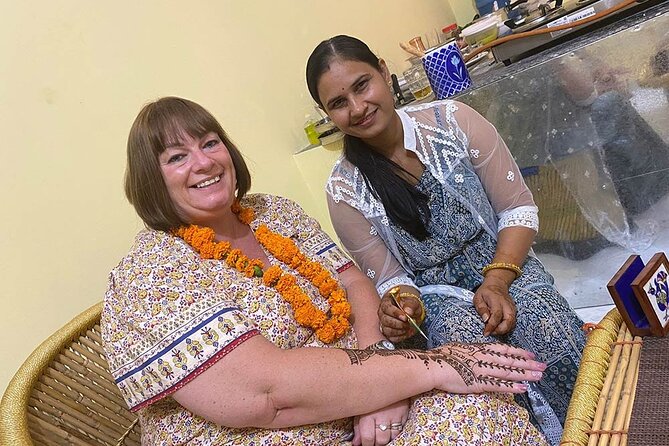
- Market shopping happens first: You can choose ingredients, including less-common ones, before you start cooking.
- Five common recipes, hands-on: Expect enough structure to actually recreate meals later.
- Family-led spice guidance: The approach is practical, with tips tied to how spices and components work together.
- Vegetarian and non-vegetarian options: You can enjoy dishes matching your preference.
- Dinner is part of the lesson: The class wraps up with a complete dinner and non-alcoholic drinks.
- Small group max of 10: Easier for questions and more personal attention.
A Jaipur Cooking Class That Starts With Ingredient Choices
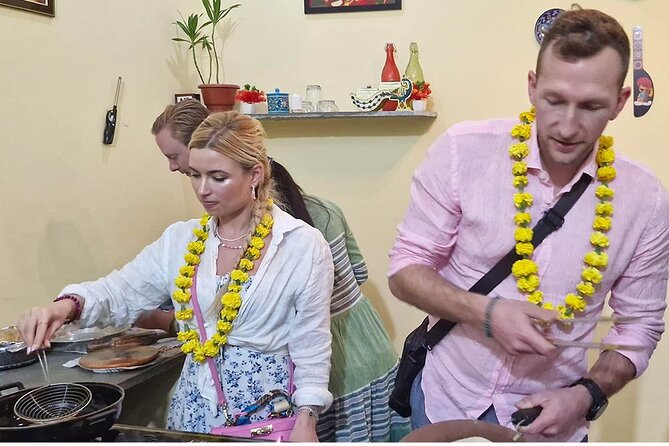
The experience begins at Dine-N-Demo (Best Cooking Class in Jaipur), at H-79, No.1, West part Yojna, Pani Pech, Sanjay Colony, Nehru Nagar, Jaipur, Rajasthan 302016, India. It’s set up like a home visit, not a big tourist show. You also have the reassurance that it’s near public transportation, which matters in Jaipur when you don’t want to burn time or energy on getting stuck.
After you arrive, you get a welcome on arrival. Then the evening turns practical: you head toward a local vegetable market and choose what you’ll use. This is one of the most useful parts of the night. When you understand what good produce looks like (and which ingredient types matter for each dish), you don’t just memorize recipes—you learn how to shop and adapt later at home.
If you like the idea of seeing how people buy food day-to-day, you’ll feel right at home here. And if you’re the kind of traveler who loves questions like what substitutions work for spices, fresh herbs, and vegetables, this format gives you a natural moment to ask.
One small note: because the class is designed around learning multiple dishes in a limited time, the pace is fairly purposeful. You won’t be sitting around. You’ll move, choose ingredients, and get cooking.
You can also read our reviews of more tours and experiences in Jaipur.

Spice Tips From the Family Kitchen (Including the Grandmother Approach)
The heart of this class is how it explains flavor. Instead of treating spices as a vague seasoning step, you work through recipes by understanding each component and spice—what it does and when it shows up. That’s the difference between a dish that tastes good once and a dish you can repeat successfully.
The guidance here is described as coming from what the host’s grandmother used to do. In practice, that tends to mean clear, tested methods: how to handle ingredients so they cook correctly, how spice combinations behave, and what tiny tweaks can change the final result. It’s the kind of teaching style that helps you stop guessing.
One of the nicest elements you get to experience through the family angle is warmth. In the feedback I’m using to guide my expectations, the hosts—Dheeraj and Supriya—stand out for being inviting and welcoming, the kind of people who make you comfortable asking why something works. That matters. Cooking classes fall flat when hosts are rushing or treating you like an audience. Here, the vibe is more like learning with family.
Also, there’s a personal, hands-on touch that shows up in the best way. One account notes that fresh spinach came from their garden, and that the evening included harvesting it. Even if the exact moment varies, you can expect the class to feel connected to real food, not just a rented demo kitchen.
Cooking Five Common Recipes You Can Recreate at Home
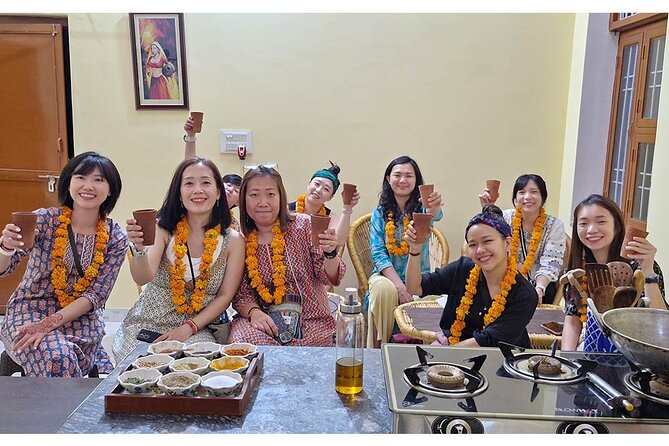
The session centers on preparing five common recipes, and you’ll do it using a structured approach rather than random chopping. Even without knowing the exact dish names ahead of time, you can plan for the core skills that make Indian cooking work: ingredient prep, spice order, and how the cooking method changes texture and flavor.
Here’s why this matters for you if you’re a home cook:
- You’ll see how the same spice can behave differently depending on how it’s used.
- You’ll learn how to break a dish into manageable steps, so it doesn’t feel like one giant mystery.
- You’ll pick up timing and technique cues that are hard to get from recipes on a screen.
The class also explicitly includes options for both vegetarian and non-vegetarian selections. That’s a practical win if you’re traveling with someone whose preferences differ from yours. It means you’re not forced into a single menu format, which can happen on some cooking tours.
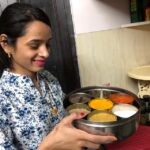
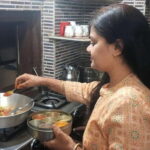
As for what you’ll actually do during the cooking portion: expect hands-on instruction throughout the process. The lesson isn’t just about tasting. It’s about getting your hands involved enough that you can remember what you felt while cooking—how something thickens, how aromas change, and what consistency you’re aiming for.
And if you’re worried about not having the technical vocabulary for Indian cooking, don’t. This type of teaching usually translates the process into clear steps. You’ll likely leave with a set of notes and mental checkpoints you can follow when you cook again later.
The Dinner Experience: Eating What You Make
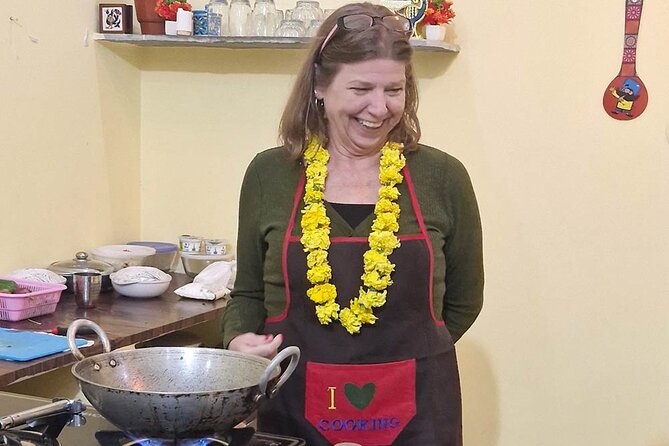
Good cooking classes end with food. This one does, and it does it as part of the full experience. You’ll enjoy a complete dinner along with non-alcoholic drinks, included in the price.
That dinner matters for two reasons. First, it’s immediate reinforcement: you taste your effort while the steps are still fresh in your head. Second, it gives you a chance to compare what’s supposed to happen. When one dish is meant to be spicier, or one should be softer, you notice that right away and can adjust next time.
This is also a nice cultural detail. Eating together in a home-like setting tends to be more relaxed than a restaurant meal. The hosts and family conversation you may get around the table helps put the recipes into context—what’s typical, what’s special, and how flavors fit into everyday life in Jaipur.
Price and Value: Is $22.46 a Fair Deal?
At $22.46 per person, this class is priced for real value—especially because dinner and non-alcoholic drinks are included. In many parts of India, you can eat inexpensively, sure. But getting instruction from a local family, plus market time and a structured cook-along for five recipes in about 3 hours, is a different kind of cost.
Here’s the value equation that makes sense for you:
- You’re paying for guided cooking, not just food.
- You’re getting a meal you didn’t have to plan or cook afterward.
- The group limit (maximum of 10) keeps attention from thinning out too much.
- The home-family format adds something you can’t easily price—comfort, conversation, and practical “how we really do it” habits.
So if you’re choosing between a generic food tour and a cooking class, this one earns its place by being active. And if you like to spend your vacation learning skills you can repeat at home, it’s one of the better ways to do that without spending big.


Logistics That Matter: Timing, Group Size, and Tickets
The class runs daily, with opening hours listed as 12:00 PM to 10:00 PM (Mon–Sun). The total duration is about 3 hours. That timing flexibility can help you fit it into your Jaipur day—either as an early evening plan or a later dinner-focused activity.
You’ll also receive a mobile ticket, which is convenient if you don’t want to deal with printed vouchers. And with a maximum of 10 travelers, you can expect a smaller room and more interaction than many larger tours.
One practical caution: the experience ends back at the meeting point. So if you’re planning other evening activities, keep a buffer in mind.
Who This Jaipur Cooking Class Fits Best
This experience is a great match if you:
- Want a hands-on Indian cooking lesson, not a passive tasting session.
- Enjoy market-style ingredient shopping and learning what to pick.
- Care about getting both vegetarian and non-vegetarian options covered in the same class.
- Prefer a small group setting where it’s easier to ask questions.
It’s also a strong pick for first-time visitors to Jaipur who want something cultural that still feels grounded in daily life. If you’re the type of traveler who likes seeing how locals actually cook, this will feel direct and friendly.
If you’re extremely time-crunched, remember the session is about 3 hours and includes multiple steps. Still doable, but you’ll want to plan around it.
Tips to Get the Most Out of Your Evening
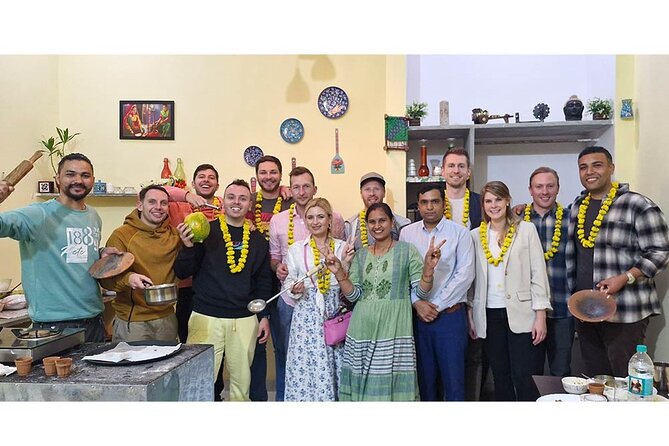
A few small things can make a noticeable difference:
- Come ready to cook. Wear comfortable clothes you don’t mind getting a little spice on.
- Pay attention to the order of steps. Indian dishes often depend on timing more than you’d expect.
- When you taste something you like, ask what made it taste that way—spice balance, ingredient quality, or cooking technique.
- Take notes on your favorites. You’ll forget details fast once you’re back in a different routine.
And if the class includes garden ingredients like fresh spinach, treat it as part of the lesson, not just a fun extra. It’s a reminder that ingredient freshness is half the flavor.
Should You Book This Jaipur Cooking Class?
I’d book it if your idea of a great Jaipur day includes cooking skill-building, market ingredient choices, and eating a full dinner you made with local guidance. The family-led approach, the hands-on structure, and the fact that you leave with practical steps for five common recipes make it feel worth the $22.46 price tag. The small-group size also helps keep the whole night personal.
Skip it only if you want a very passive experience, or if you’re hunting for a big sightseeing-heavy itinerary instead of a skill-focused food evening.
If you’re excited about learning Indian cooking from a real home kitchen in Jaipur, this one is an easy yes.
FAQ
How long is the Indian cooking class in Jaipur?
The experience lasts about 3 hours.
How much does it cost?
The price is $22.46 per person.
Is dinner included?
Yes. Dinner is included, along with non-alcoholic drinks.
Will I cook vegetarian food or non-vegetarian food?
The class includes both vegetarian and non-vegetarian selections.
How many people are in the group?
The experience has a maximum of 10 travelers.
What is the meeting point?
It starts at Dine-N-Demo (Best Cooking Class in Jaipur), H-79, No.1, West part Yojna, Pani Pech, Sanjay Colony, Nehru Nagar, Jaipur, Rajasthan 302016, India.
Is there free cancellation?
Yes. You can cancel for a full refund up to 24 hours in advance of the experience’s start time.