REVIEW · KYOTO
Kyoto Udon and Tempura Cooking Class with Professional Chefs
Book on Viator →Operated by MagicalTrip Inc. · Bookable on Viator
Kyoto smells amazing when you make noodles by hand. In this small-group cooking class, I like that you start from flour and water and learn the full udon process with Josh and Nakajima-san guiding you, step by step. The other big win for me is how you leave with practical results you can repeat: udon, onigiri, inari sushi, and tempura, plus downloadable English recipes.
The class also includes eating what you cook, paired with a mini sake tasting, so you get more than just technique. One consideration: with only about 2.5 hours, you’ll be busy the whole time, so plan to come ready to cook and taste rather than to watch from the side.
In This Review
- Key things that make this Kyoto cooking class work
- Why Kyoto udon starts with kneading flour and water
- Making Kyoto udon: knead, roll, and cut for chewy noodles
- Onigiri and inari sushi: rice shapes you can repeat at home
- Tempura frying: crisp, golden results with hands-on coaching
- Eating your work: fresh udon, sushi bites, tempura, and mini sake
- The 2.5-hour flow: how to use your time well
- English-friendly guidance and what to ask during hands-on time
- Price and value: what $85.39 buys in Kyoto
- Who should book this Kyoto udon and tempura class
- Quick checklist before you go
- Should you book this Kyoto udon and tempura cooking class?
- FAQ
- How long is the Kyoto udon and tempura cooking class?
- What time does the class start?
- Where is the meeting point?
- What dishes will I make in the class?
- Are drinks included, and is sake part of it?
- Do I need any cooking experience?
- How many people are in the group?
- Do I get recipes to make the food again later?
- Is transportation included?
Key things that make this Kyoto cooking class work
- Udon from scratch: knead, roll, and cut by hand with an udon master’s coaching
- Multiple classic dishes: udon plus rice bites (onigiri and inari sushi) and tempura
- Small group limit (max 8): easier questions, quicker feedback, less standing around
- You eat everything you make: fresh udon, sushi, and tempura, not just samples
- Recipes and photos: downloadable instructions and tour photos emailed after
Why Kyoto udon starts with kneading flour and water
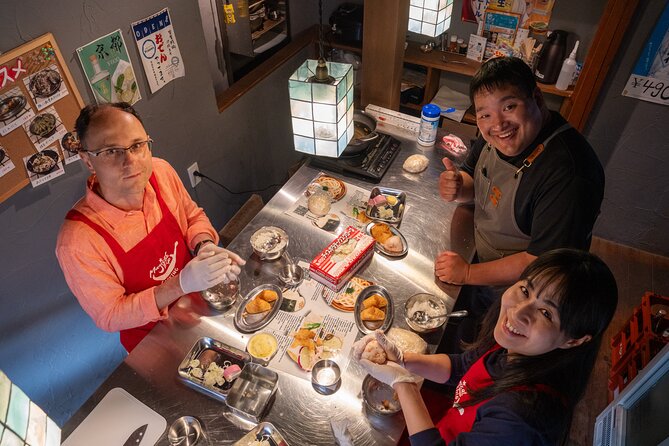
This is one of those classes where the basics actually matter. You begin with just flour and water, then build the dough with your hands until it behaves like real udon dough. That sounds simple, but it teaches you the main skill: dough consistency is everything, and you can feel the difference as you knead.
I also like the teaching style here. Even if you’re new to cooking, the steps are approachable because you’re doing the work in front of you, not memorizing a long lecture. With an udon master and an English-speaking guide, you get the “why” behind what you’re doing without losing time.
You can also read our reviews of more tours and experiences in Kyoto.
Making Kyoto udon: knead, roll, and cut for chewy noodles
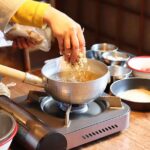
You’ll learn the full noodle routine: knead, roll, and cut chewy udon noodles by hand. The key thing is that you’re not just assembling ingredients. You’re forming a texture, and udon’s character comes from that texture.
Expect the class to move in a rhythm. You’ll work with the dough, then shift into the next step without long pauses. If you’ve ever tried cooking something hands-on, you know the first few minutes feel awkward; this class gives you enough time to get comfortable and still finish.
A nice detail for your planning: the experience includes hot and cold udon elements, so you’re not stuck with one temperature style. That variety helps you understand udon as a flexible noodle, not only as one fixed dish.
Onigiri and inari sushi: rice shapes you can repeat at home
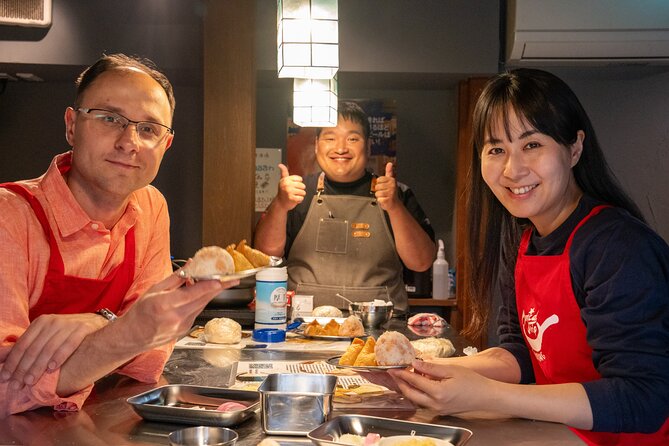
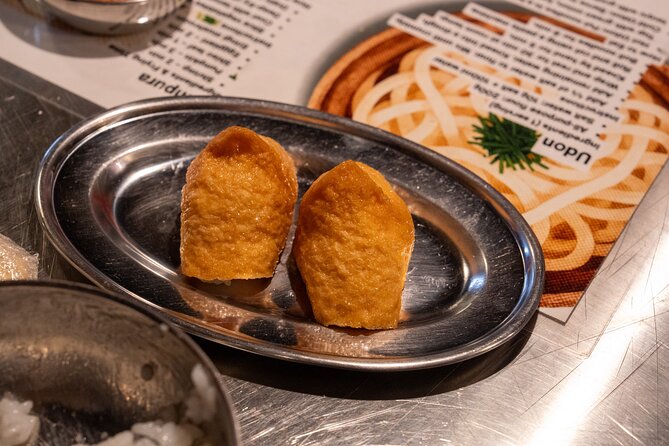
After udon practice, you pivot to classic Japanese rice dishes, specifically onigiri and inari sushi. These aren’t complicated in the same way that deep-frying can be complicated, but they do teach a different skill: shaping. In Japanese cooking, how food looks and holds together matters, and these bites show that clearly.
What makes this part valuable is the balance. Udon is stretchy and dough-driven. Onigiri and inari sushi are rice-and-structure driven. If you like variety in a lesson (and most people do), this pacing keeps the energy up and your brain engaged.
You’ll also receive easy English recipes afterward. That matters because rice dishes are hard to “rebuild” from memory if you don’t know how to recreate the ratios and steps. Having a written guide is what turns this from a one-time experience into a cooking skill you can use back home.
Tempura frying: crisp, golden results with hands-on coaching
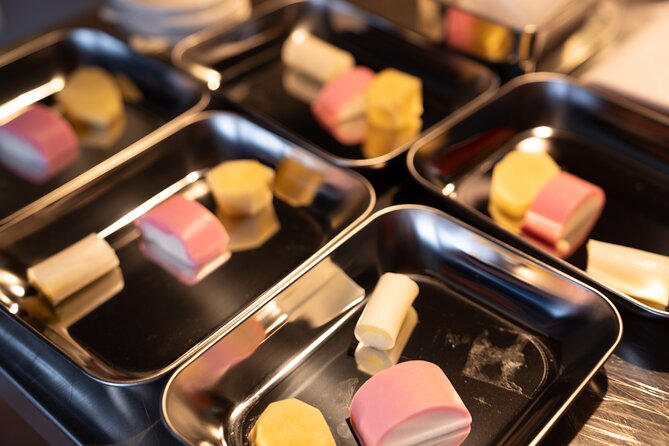
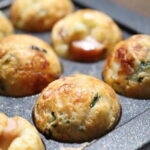
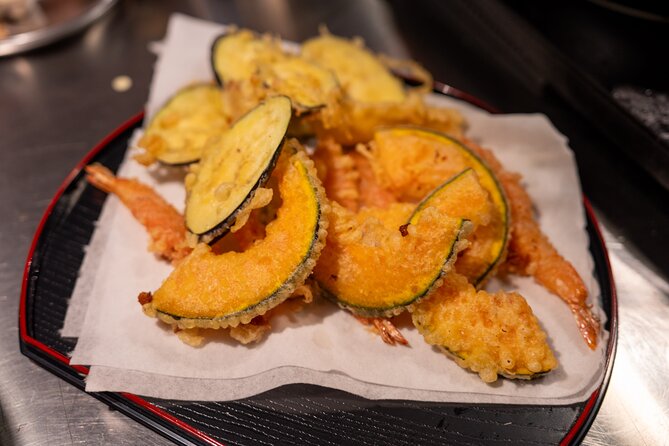
Then comes tempura, the part that makes most people nervous in advance and glad afterward. You’ll fry and learn how to make crispy, golden tempura, not just plate it. Even if you’ve fried before, tempura is its own world because batter texture and frying timing affect crispness.
In the experience, tempura includes items like shrimp and vegetables, so you get a good feel for how different pieces cook and brown. The practical takeaway for you is simple: tempura rewards attention and quick action. This class gives you that practice without sending you into a kitchen with no guidance.
A small but meaningful tip from the way the class is designed: because you’ll be making multiple dishes, you’ll want to save your appetite for the finale. Tempura is best when you eat it while it’s crisp, and the class is built so you get that payoff.
Eating your work: fresh udon, sushi bites, tempura, and mini sake
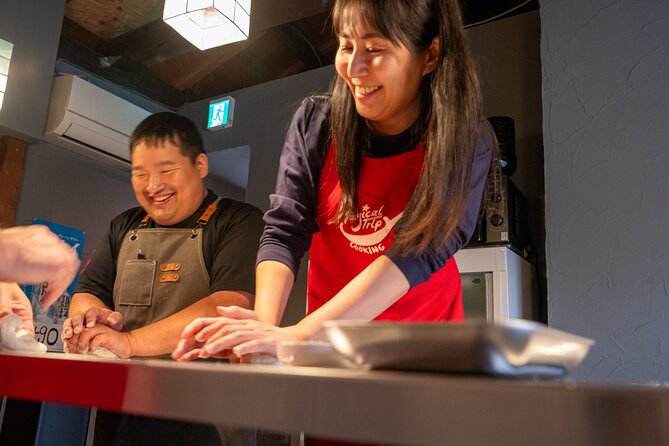
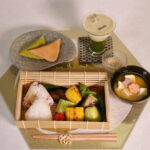
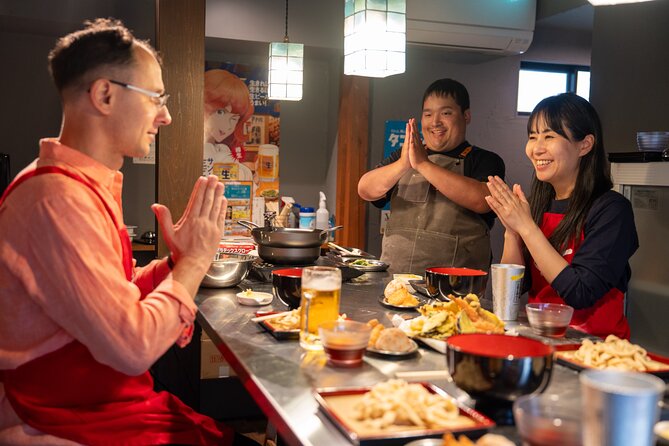
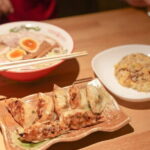
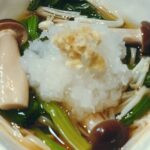
This class is built around a satisfying cycle: cook, then eat what you just made. After the cooking, you’ll enjoy everything you’ve prepared—fresh udon, the rice dishes (onigiri and inari sushi), and the tempura.
The drink pairing is part of the fun. You get two drinks, and you can choose alcoholic or non-alcoholic options. A mini sake tasting is included, which is a great “Japan moment” without turning the meal into a long drinking session.
If you remember one planning point: skip breakfast. People tend to under-plan for how much food you’ll produce and taste. When you’re kneading noodles, shaping rice, and frying tempura, you’re burning energy and time, and the portions add up. Come hungry and you’ll enjoy the whole experience more.

The 2.5-hour flow: how to use your time well
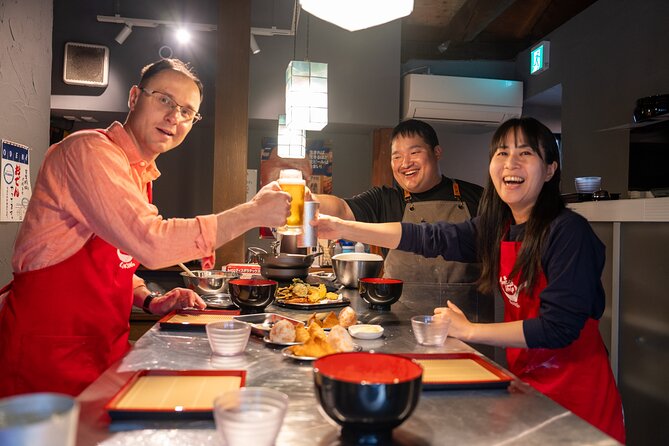
The class runs for about 2 hours 30 minutes starting at 10:00 am. The duration is a sweet spot: long enough to do real hands-on work, short enough that you’re not exhausted by the time you sit down to eat.
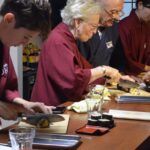
Because the group is capped at 8 travelers, you’ll likely get more direct attention. That matters most during the trickier tasks, like cutting noodles into even shapes and managing frying. Small group lessons reduce waiting, so you spend more time working and less time watching.
Also, note the meeting setup. The start point is a 7-Eleven at 599 Uraderachō in Nakagyo Ward, Kyoto. The activity ends back at the meeting point, so you’re not stranded and you can plan your next stop right away.
English-friendly guidance and what to ask during hands-on time
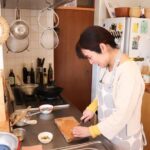
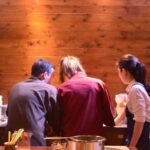
If you’re worried about language, this is the kind of class that helps you relax. The experience is guided by an English-speaking local guide alongside the udon master. That combination is useful because you’re getting the practical cooking cues in plain language.
Here’s what I’d do to get the most out of it: ask about texture while you’re working the dough, and ask about timing while tempura is frying. Those are the two areas where small adjustments matter, and you’re in the best position to correct mistakes immediately.
One more advantage: you’ll get tour photos taken by your guide, sent to you afterward by email. It’s not a substitute for taking your own pictures, but it’s a nice way to capture the messy, fun in-between moments when everyone’s hands are floury.
Price and value: what $85.39 buys in Kyoto
At $85.39 per person, this isn’t a “grab a snack and watch” kind of class. It’s priced like a hands-on meal experience with skilled instruction and multiple dishes.
Here’s the value breakdown that matters:
- You make four things from scratch: udon, onigiri, inari sushi, and tempura
- You eat the finished food as part of the experience
- You get two drinks, including a mini sake tasting
- You leave with downloadable English recipes you can actually use
- Photos are included, and instruction is provided by a udon master plus an English-speaking guide
- Group size is limited to max 8, which keeps attention and learning high
If you compare this to paying separately for a cooking workshop, a full Japanese meal, and a cultural drink moment, the math gets more believable. For a food-first traveler, this is the kind of activity where the price feels justified because you’re not just learning. You’re producing and tasting.
Who should book this Kyoto udon and tempura class
This class fits best if you want real technique, not a sightseeing detour. It’s especially good for:
- Beginners who learn fastest by doing (you start with basic dough and work forward)
- Food lovers who want variety in one sitting: noodles, rice bites, and frying
- Families and groups who want a shared activity with a clear, tasty ending
- Travelers who want instructions they can repeat later thanks to the English recipes
If you’re the type who hates kitchen mess, you might find the hands-on parts more intense than you expect. Still, the payoff is strong because the mess comes with skill-building and immediate eating.
Quick checklist before you go
The most important “prep” is simple: plan your day so you can enjoy the meal portion. With instructions, cooking, and tasting all built in, skipping breakfast is the smart move.
Also keep your timing tight. Start is 10:00 am, and the meeting point is a specific 7-Eleven in Nakagyo Ward. A mobile ticket is provided, but you’ll still want to show up on time so your team can start together.
Should you book this Kyoto udon and tempura cooking class?
I’d book it if you want a high-learn, high-eat experience with small-group attention and clear results you can recreate. The mix of udon noodles, onigiri, inari sushi, and tempura is a strong “Kyoto comfort food” spread, and the inclusion of drinks plus a mini sake tasting makes it feel complete.
Book it now if you care about technique and want something more memorable than a single dinner. If you’re only looking for light food viewing, you’ll likely prefer a simpler tasting. But if you want hands-on cooking that ends with you eating everything you made, this one is a solid yes.
FAQ
How long is the Kyoto udon and tempura cooking class?
It lasts about 2 hours 30 minutes.
What time does the class start?
The start time is 10:00 am.
Where is the meeting point?
It starts at 7-Eleven, 599 Uraderachō, Nakagyo Ward, Kyoto 604-8041, Japan.
What dishes will I make in the class?
You’ll make udon noodles, onigiri, inari sushi, and tempura.
Are drinks included, and is sake part of it?
Yes. Two drinks are included, and a mini sake tasting is part of the experience. You can choose alcoholic or non-alcoholic drinks.
Do I need any cooking experience?
No experience is needed. The class is hands-on and designed for beginners.
How many people are in the group?
The group size has a maximum of 8 travelers.
Do I get recipes to make the food again later?
Yes. You’ll receive downloadable recipes in easy English.
Is transportation included?
No. Transportation to and from the meeting point is not included.