REVIEW · LECCE
Local Market Visit and Private Cooking Class at a Cesarina’s Home in Lecce
Book on Viator →Operated by Cesarine: Cooking Class · Bookable on Viator
Food in Lecce tastes better when you make it. This private Cesarina cooking experience pairs a local market visit with hands-on lessons in a host’s home, then ends with the lunch you cooked.
I like the one-on-one feel. It’s just your party, so you can ask questions, move at your pace, and actually learn what you’re doing instead of watching from the sidelines. In particular, I love the market-to-kitchen flow and the chance to learn three classic dishes tied to Lecce and Puglia.
One thing to consider: it’s priced for a private setup, so you’ll want to be hungry and ready to spend the whole 4 hours 30 minutes without rushing. Also, while the tour finishes back at the meeting point, I’ve seen people end up sorting their own ride with a taxi charge when timing or location didn’t line up with public transport.
In This Review
- Quick hits before you book
- Why a Cesarina home cooking class makes sense in Lecce
- The market visit: what to watch for and what you’ll learn
- Cooking in a real home kitchen: pasta skills you can actually use
- Starter: seasonal and made to set the tone
- Fresh pasta: orecchiette, ravioli, or tagliatelle
- Dessert: tiramisù or zeppole
- The meal with local wines: why sitting down matters
- Timing and pacing: how the 4.5 hours really feels
- English comfort and communication with your host
- Price in context: is $227.10 per person worth it?
- What can go wrong, and how to handle it like a pro
- Market expectations can vary
- Kitchen details: watch for clean prep items
- Return logistics might fall on you
- Who this Lecce class is best for
- Should you book this Cesarina cooking class in Lecce?
- FAQ
- How long is the private cooking class in Lecce?
- What is the price per person?
- Is this a private tour or shared group?
- What will we cook during the class?
- Does the experience include wine and lunch?
- Is English available for the tour?
- Where does the experience start and end?
- Is there free cancellation?
Quick hits before you book
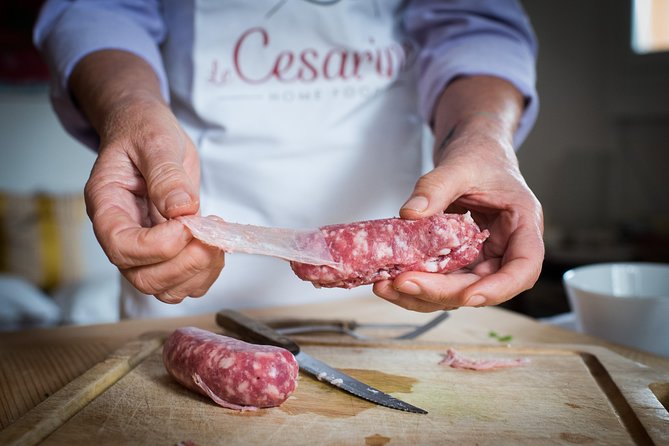
- Private, only your group: no mixing, no waiting on other schedules.
- Cook three Lecce favorites: typically seasonal starter, fresh pasta, and a classic dessert.
- Hands-on pasta time: expect orecchiette, ravioli, or tagliatelle options depending on the class flow.
- Local wines with lunch: you sit down and taste the meal you made.
- English offered: and in practice you may get extra help with translation if needed, which keeps things comfortable.
Why a Cesarina home cooking class makes sense in Lecce
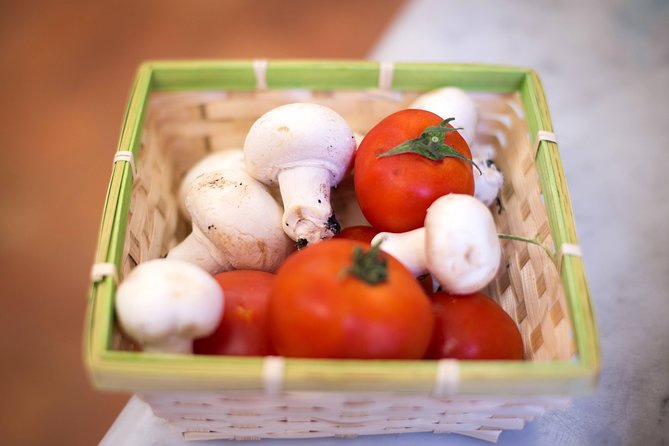
Lecce is a city where food is social. A home class fits that better than a cooking school with rows of people. At Cesarine, you’re not just learning recipes. You’re learning the local rhythm: shop, prep, cook, then eat together.
You also get something practical. Recipes are only useful if you know what to look for while cooking. In a home kitchen, that usually means guidance on dough feel, shaping choices, and how sauces and timing work with the ingredients you picked up earlier.
And yes, it’s fun in a way that’s hard to get at a restaurant. One guide experience in particular stood out for the host’s energy, plus a friend who helped translate smoothly when guests needed it. That kind of human pacing is exactly what makes these classes worth your time.
You can also read our reviews of more tours and experiences in Lecce.

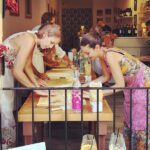
The market visit: what to watch for and what you’ll learn
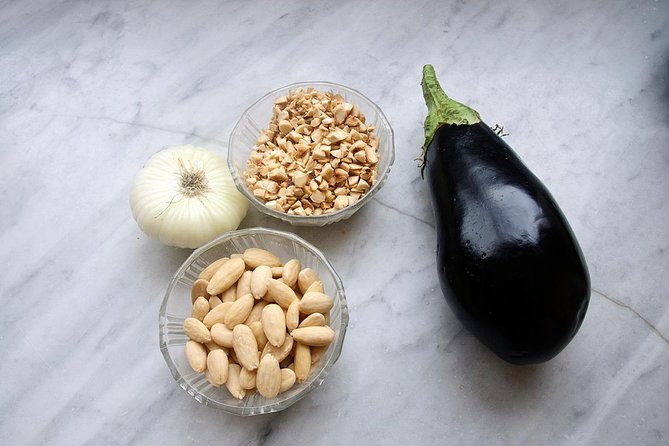
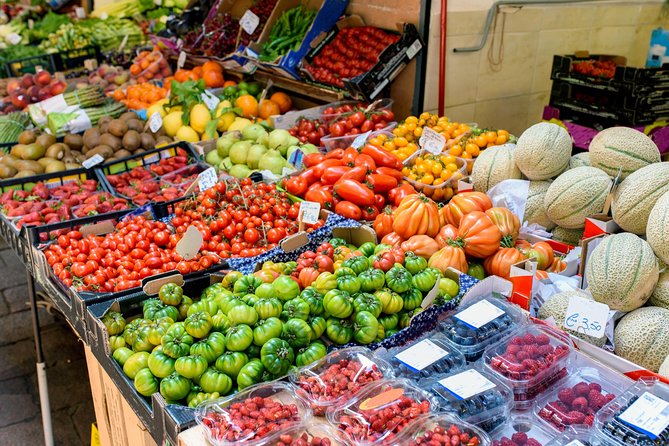
The start of the experience is your market walk with the home cook. You’ll visit local food shops and focus on regional produce you can connect directly to your dishes later. This is where the class becomes more than instructions—it becomes decision-making.
Here’s what I suggest you do while you’re there:
- Pay attention to what looks best, not what’s flashy. The goal is ingredients that perform well in classic Lecce dishes.
- Ask what’s used in season. The starter is listed as a seasonal starter, so your market choices will influence flavor.
- Notice the pasta ingredients and form options. You’ll later handle dough and shape, so learning the basics early helps.
Even with a small group, markets can feel like a lot at first. In one instance, the market visit didn’t meet expectations for how much there would be to see, even though the food and class were enjoyable overall. My advice: go in with an open mind. You’re there for practical buying cues and local food understanding, not a checklist of major sights.
Cooking in a real home kitchen: pasta skills you can actually use
After the market, you move into the host’s home for the private cooking class. This is where you learn the core of the meal. The menu structure is clear: a seasonal starter, fresh pasta (with options), and a typical dessert.
Starter: seasonal and made to set the tone
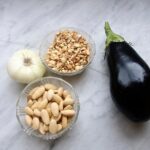
You’ll make a starter labeled as seasonal. That usually means you’ll taste the difference between generic supermarket ingredients and what shows up locally. It also helps you learn flavor balance early, before pasta steals the spotlight.
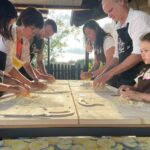
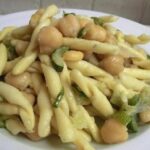
Fresh pasta: orecchiette, ravioli, or tagliatelle
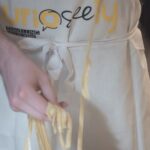
The main event is fresh pasta. The class may include orecchiette, ravioli, or tagliatelle depending on how the host structures the lesson that day.
What you’ll likely focus on:
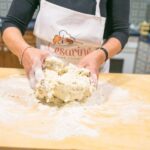
- Dough texture (how it comes together and what it should feel like)
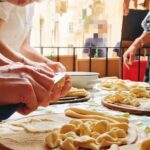
- Shaping (choosing a form you can repeat later)
- Cooking timing so the pasta stays tender, not mushy
I love this part because pasta is tactile. If you get the feel right, you can recreate it later. If you don’t, you’ll remember the problem immediately because dough mistakes are obvious.
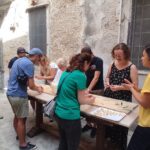
Dessert: tiramisù or zeppole
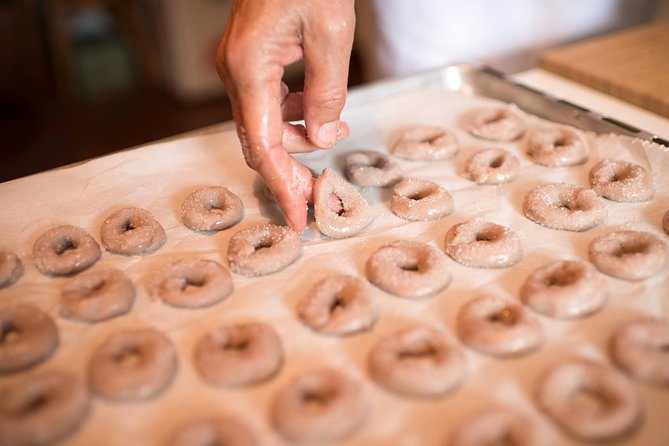
For dessert, the class offers a typical dessert, with examples including tiramisù or zeppole on typical biscuits. This gives you a solid takeaway: a classic sweet that fits Southern Italian dessert traditions without requiring advanced pastry equipment.
In at least one class experience, people praised both the pasta-making fun and the dessert step, especially ending with lunch you cooked. That’s a big deal: you don’t just finish the class with leftovers to carry around—you eat what you made.
The meal with local wines: why sitting down matters
The format ends with you sitting down to eat with your host and local wines. That’s not just a bonus. It changes how you learn.
When you eat immediately after cooking, you can connect cause and effect:
- If the sauce feels too thick, you remember the adjustment.
- If a dough step seemed tricky, the taste confirms what went right.
- If the starter needs more salt or acidity, you feel it before you move on.
Wine inclusion also makes the pacing friendlier. You’re not sprinting between steps and then stumbling through the meal. You cook, then relax, and you can ask follow-up questions while the food is fresh.
Timing and pacing: how the 4.5 hours really feels
The experience runs about 4 hours 30 minutes. In that time, you’re doing a market walk plus a full cooking workflow and then lunch.
That means you should plan your day around it:
- Eat lightly beforehand if you’re the type who gets hungry fast.
- Wear shoes you can stand in during a market stop.
- Keep your expectations realistic. You’re not touring the whole city. You’re learning and eating well.
Because it’s a private tour for your party only, the pace can be flexible. That flexibility is helpful if your group includes different comfort levels with cooking.
English comfort and communication with your host
English is listed as available, and the private setup helps a lot. You can ask questions directly without worrying that you’ll be lost in a large group session.
One class experience highlighted how having an extra helper for translation can make a big difference. You could see the same benefit here: if language support is needed, the host team tends to find a way so you still understand the steps.
My practical takeaway: if you have dietary needs or specific preferences, mention them early. Private classes tend to adapt better than fixed menus, but you still need clear communication.
Price in context: is $227.10 per person worth it?
At $227.10 per person for roughly 4.5 hours, this isn’t a budget activity. But private cooking in a home plus a market visit isn’t cheap by nature. You’re paying for three things you rarely get together in one package:
- Exclusive access to your host (your party only)
- Ingredient-based learning that starts at the market
- A full meal you cooked, paired with local wines
So the value depends on how you travel. If you like active learning and you enjoy food experiences more than sightseeing, this price starts to look fair. If you’re mainly looking for a quick taste of pasta without the cooking work, you might prefer a less involved class.
Also, consider group size. Private tours are often best when your group is small and genuinely interested in the kitchen part. Couples and food-focused friends are usually a sweet spot.
What can go wrong, and how to handle it like a pro
No activity is perfect. Here are the only concerns worth keeping in mind based on what people describe and what the format demands.
Market expectations can vary
Sometimes the market stop feels exactly right. Other times, people wish they saw more of what they expected from the market visit. The best fix is mindset: treat it as ingredient shopping plus learning cues, not a sightseeing tour.
Kitchen details: watch for clean prep items
In one experience, there was a cleanliness concern about dishes not being fully clean. That’s not the norm you should ignore. If you notice something off, say something right away. A good host will adjust fast, especially in a private setting.
Return logistics might fall on you
The activity ends back at the meeting point, and it’s near public transportation. Still, I’ve seen a case where people ended up taking a taxi back on their own. To protect yourself, plan to be flexible. If you’re coming from farther away, consider building in extra buffer time or confirming the closest stop to aim for after the class.
Who this Lecce class is best for
I’d point you toward this experience if:
- You want a hands-on lesson, not a lecture.
- You enjoy regional food and want Lecce-style pasta and sweets.
- You’re traveling as a couple or small group and want real interaction with the host.
- You like eating what you cook, with local wine, while the learning is still fresh.
You might skip it if you:
- Only want a short tasting activity.
- Prefer big-group entertainment over quiet, guided cooking.
- Are on an extreme budget and would rather spend on multiple meals around town.
Should you book this Cesarina cooking class in Lecce?
If your idea of a great day in Lecce includes market ingredients, learning fresh pasta basics, and then eating the results with local wines, this is a strong pick. The private setup is the main reason: you get your own pacing and attention.
Book it if you’re the kind of person who asks why something works, not just what to do. And do one simple thing before you go: come with an appetite and a couple of questions ready. You’ll get more out of the class fast.
If you’re worried about language barriers, good news: English is offered, and there’s often practical support so you can follow along.
FAQ
How long is the private cooking class in Lecce?
The experience is about 4 hours 30 minutes.
What is the price per person?
The price is $227.10 per person.
Is this a private tour or shared group?
It’s private. Only your group participates.
What will we cook during the class?
You’ll learn to make 3 dishes typical of the Lecce region: a seasonal starter, fresh pasta (orecchiette, ravioli, or tagliatelle), and a typical dessert (examples include tiramisù or zeppole on typical biscuits).
Does the experience include wine and lunch?
Yes. You sit down to eat the meal you cooked, accompanied by local wines.
Is English available for the tour?
English is offered.
Where does the experience start and end?
It starts in Lecce, and it ends back at the meeting point.
Is there free cancellation?
Yes. You can cancel up to 24 hours in advance for a full refund.