REVIEW · ACCRA
Local Ghanaian Cooking Class in Accra to help support wellness community center
Book on Viator →Operated by Pat and Maggie · Bookable on Viator
Cooking in Accra with a purpose. This small-group class starts with a walk around the local market and ends with you making Ghanaian favorites like fufu and banku. What makes it more interesting than a typical food lesson is that your ticket supports the Wellness Community Center, which runs fitness, nutrition education, after-school lectures, health screenings, and arts and dance programs.
I also love how the class goes beyond just cooking. You sip local spirits such as Emergency, Hatso, and Uwuba, then learn to pound and stir while you prepare the soup or stew you choose. Hosts such as Pat and Maggie (and sometimes Ms. Gifty or Auntie Irene) keep the vibe warm and chatty in a small group. One possible drawback: if you’re expecting total hands-on participation for every single ingredient step, some prep may already be done before you start cooking.
In This Review
- Key things I’d watch for
- Entering the Global Wellness Mission meeting point
- Market shopping in Accra: more than ingredients
- How the class supports the Wellness Community Center
- The food lesson: fufu, banku, jiji, and rice balls
- Sip and learn: Emergency, Hatso, and Uwuba
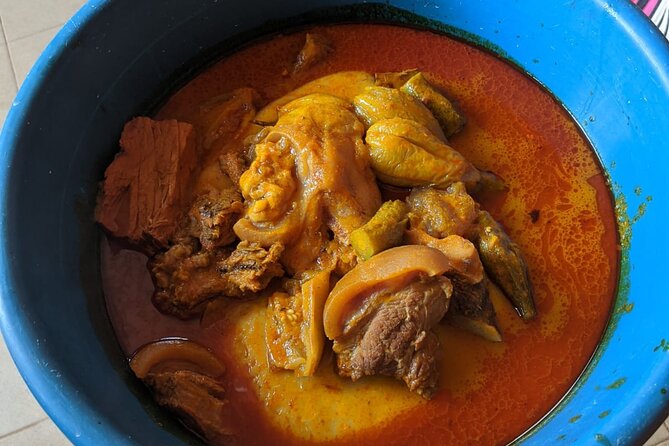
- Lunch: what you make actually becomes your meal
- Who’s cooking with you: Pat and Maggie, plus familiar host names
- Price and value: $45 that includes lunch and local spirits
- Timing, transportation, and group size details that affect your day
- What to ask for up front: dietary requests
- Logistics you should plan for (so nothing interrupts your fun)
- Who this class is best for
- Should you book this Ghana cooking class in Accra?
- FAQ
- FAQ
- How long is the cooking class in Accra?
- Where do I meet for the class?
- What’s included in the $45 price?
- Are dietary requests possible?
- What spirits might be served?
- Is there a limit on group size?
- Can I cancel for a refund?
Key things I’d watch for
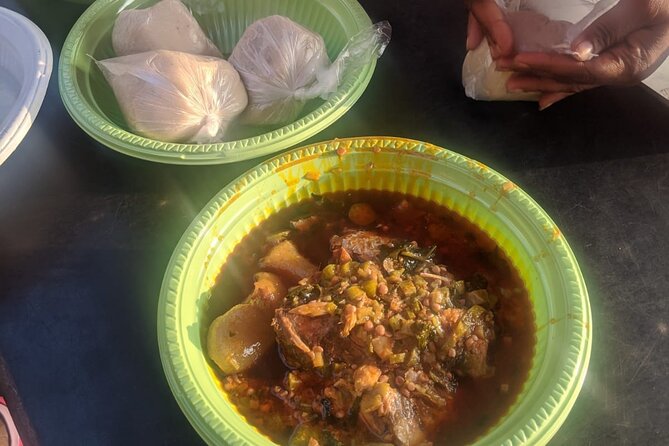
- Market walk to buy your own ingredients before you cook
- Choose your soup or stew style (okra soup, ground nut soup, light soup, plain soup, and more)
- Sip local spirits like Emergency, Hatso, and Uwuba, made from akpeteshie soaked with bark or tree leaf
- Small group attention with a max size of 20 people
- Lunch and local spirits included in the $45 price
- Your payment supports community wellness programs tied to the center
Entering the Global Wellness Mission meeting point
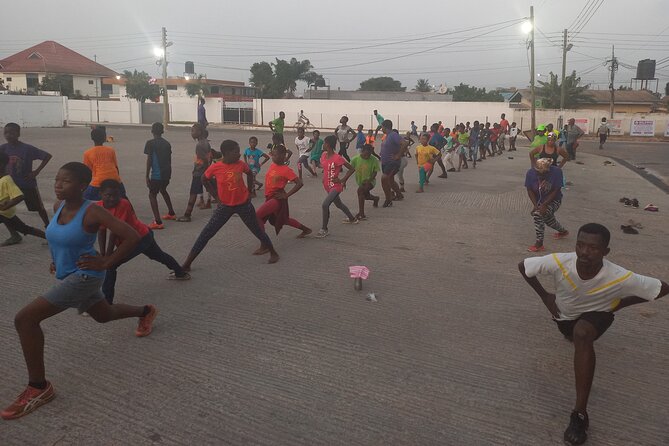
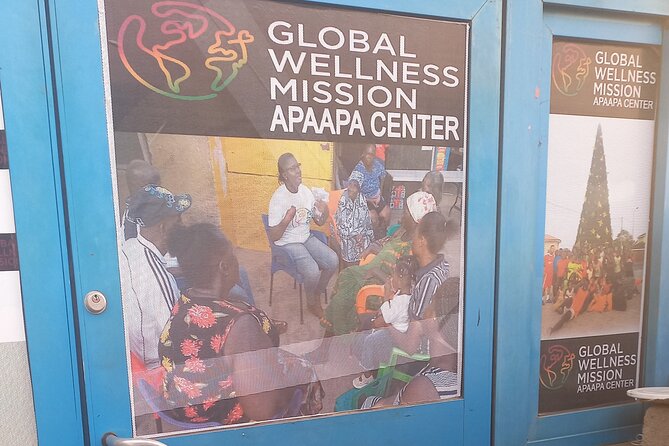
The day begins at Global Wellness Mission (CM7, Third Oloti St, Accra). That matters because this isn’t a drop-in, sit-and-watch setup. You’re starting from a place that’s connected to the wellness effort, and it frames the whole morning as something you’re doing with the community, not just in front of it.
The experience runs in the morning window—Monday through Saturday, with opening hours listed from 8:00 AM to 12:00 PM. You’ll get a mobile ticket, and confirmation comes at booking, which helps you stay calm about timing.
You’ll also come right back to the same meeting point at the end. That’s a small but real convenience in a city where getting around can eat up energy.
You can also read our reviews of more tours and experiences in Accra.

Market shopping in Accra: more than ingredients
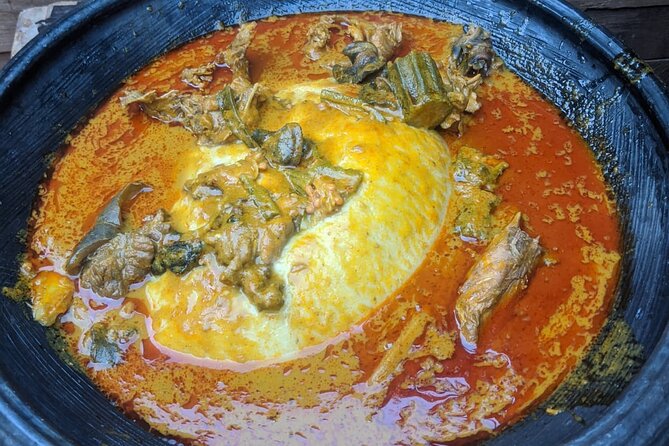
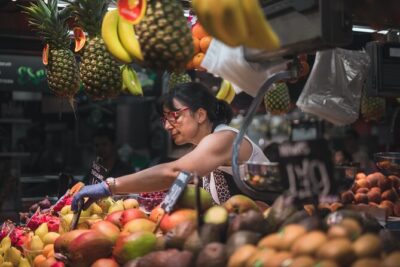
After meeting your host, you ride by car to the local market to buy what you need. I like this part because it’s where you get your bearings fast: you see ingredients in their everyday setting, and you’re not relying on a pre-made list that turns the class into a cooking demo.
You’re collecting the inputs for the dishes you’ll make later. That means your lunch isn’t just something you ordered—it’s something you helped assemble from the market to the pot.
A practical note: markets can be loud and busy, and you’ll be on your feet during the ingredient hunt. If you’re not used to that kind of pacing, wear comfortable shoes and plan to move steadily rather than trying to rush for photos.
How the class supports the Wellness Community Center
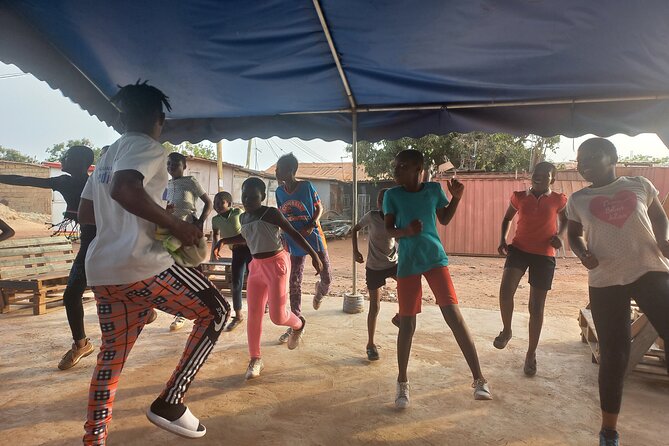
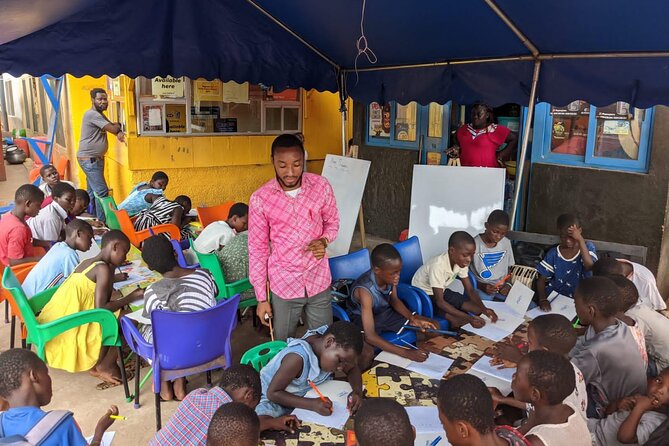
Here’s the heart of it: by booking, you’re supporting the Wellness Community Center. The center runs physical activity programs, nutrition education, after-school lectures for kids, health screenings, and art and dance programs.
In a place where many visitors want authentic experiences but also want their money to matter, this model is simple. You pay for a cooking class, and that fee also feeds directly into real community programming.
It also changes your mindset. When you’re learning food from scratch, you’re not just collecting recipes. You’re participating in a local effort with a specific purpose.
The food lesson: fufu, banku, jiji, and rice balls
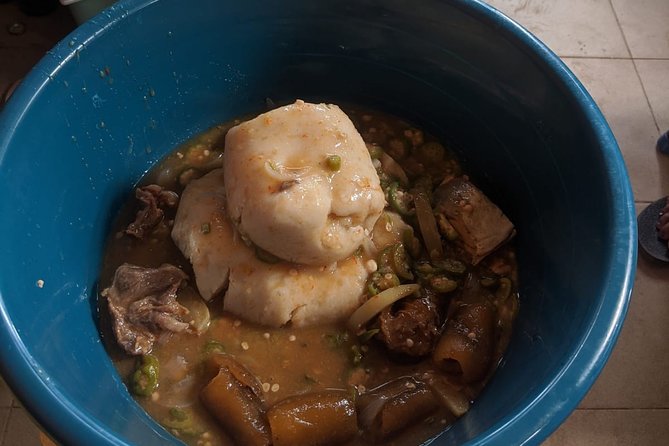
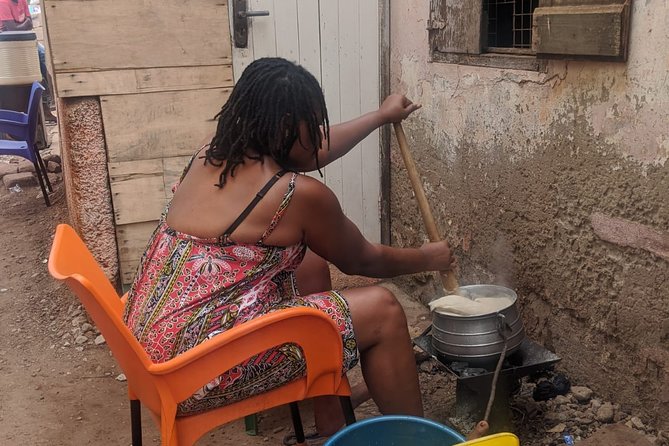
Back from the market, the main cooking work starts. You’ll learn how to pound and prepare traditional dishes such as fufu, banku, jiji, or rice balls. The exact mix can vary, but the format stays consistent: you’ll be doing the key hands-on steps that shape these foods, not just stirring a pot and calling it a day.
Then you choose the stew or soup you want to make. Options include:
- Okra soup
- Ground nut soup
- Palm-nut soap
- Light soup
- Plain soup
What I like about having stew or soup choices is that it gives you control over your final plate. If you’re more curious about thick, nut-based flavors, you can lean that way. If you want something simpler, there’s a plain option. You’re not stuck with one “tour menu” no matter what you’re in the mood for.
One more thing to set expectations: one session can feel very hands-on, while another might include more behind-the-scenes prep before you begin. If you’re the type who wants to do every single chopping and measuring step, be ready for the fact that some ingredient prep may already be finished when you arrive. Focus on the cooking skills and the final textures—that’s where the class is strongest.
Sip and learn: Emergency, Hatso, and Uwuba
Before you get deep into cooking, you’ll sip locally made spirits. The ones mentioned are Emergency, Hatso, and Uwuba. These are made from akpeteshie and soaked with local bark or tree leaf.
This part can be surprisingly educational—not because you’re studying from a book, but because it shows you how local drinks fit into social meals. You’re not just tasting. You’re learning that the cooking experience can include the culture around sharing food and conversation.
Two practical considerations:
- You’ll want to go slow. Even if you’re comfortable with alcohol, tasting multiple options can sneak up on you.
- Non-alcoholic drinks aren’t listed as included. Soda/pop and beer/soda aren’t part of the package, so if you’re not drinking alcohol, plan accordingly.
Lunch: what you make actually becomes your meal
The class is built so that what you cook becomes your lunch. That sounds obvious, but it’s worth calling out because not all “cooking classes” end with you truly eating what you worked on.
You’ll finish with the foods you’ve made and good conversation. The vibe is social, with warmth from the hosts and a lot of back-and-forth while you eat.
In one well-reviewed experience, the dishes went beyond the core list and included items like jollof rice, fried fish, and chicken. If you’re a jollof rice person, this is the kind of class that might land you a standout version. Even if your exact menu differs, the overall style tends to center on comfort foods you’ll recognize and want to replicate later.
Who’s cooking with you: Pat and Maggie, plus familiar host names
The experience provider is Pat and Maggie. In past sessions, guests have also cooked with warm host figures like Ms. Gifty and Auntie Irene.
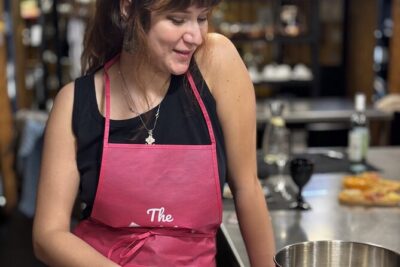
That matters because a cooking class lives or dies by the teacher’s patience. The best part of this experience is that hosts are friendly and talk while they show you what to do. You’re not just following directions—you’re getting the chance to ask questions and understand decisions in the moment.
For you, that means you’ll likely leave with clearer “how to” understanding, not just a plate full of food. And for the community side, it means the warmth feels personal rather than staged.
Price and value: $45 that includes lunch and local spirits
At $45.00 per person for a roughly half-day experience, you’re paying for more than a cooking lesson. Lunch is included, and local spirits are included as well.
That changes the math. If you were doing the market ingredients and meal anyway, you’d still be paying for food. Here, the instruction and the community support are layered on top.
So for value, I see three big components:
- Hands-on cooking and skill learning (pounding and making stew/soup)
- A full meal from what you make
- A donation effect that funds wellness programming
If you’re someone who likes experiences that give you both a skill and a story, the price feels fair.
If you only want a light snack and a quick taste, you may not feel the same value. This is set up as a full morning activity, not a quick sampler.
Timing, transportation, and group size details that affect your day
You’ll ride by car from the meeting point to the market. That’s a plus if you’d rather not figure out local routes right away. It also keeps the day flowing, so you’re not spending energy negotiating transit.
The tour can have a maximum of 20 travelers. A smaller cap like that usually means you’re not lost in a crowd. You still won’t be doing everything alone, but it’s the kind of class where you can get questions answered while you cook.
Duration is listed as about 6 hours. In reality, the cooking portion can feel shorter depending on the flow of the morning. So if you’re planning your next activity, don’t schedule something that requires perfect punctuality the second you return. Build in a buffer.
What to ask for up front: dietary requests
Dietary requests can be accommodated upon request. If you have any restrictions—religious, allergy-based, or simply preferences—send that info at booking rather than hoping it works out on the day.
Also think about how dietary needs intersect with a class that includes spirits. If you don’t drink, it’s smart to clarify how you’d prefer to handle the tastings. The listing doesn’t describe non-alcohol swaps, but the hosts can at least tell you what’s possible.
Logistics you should plan for (so nothing interrupts your fun)
Here’s the practical stuff that keeps the experience smooth:
- Start point: Global Wellness Mission, CM7, Third Oloti St, Accra
- End: back at the same meeting point
- Mobile ticket: yes
- Service animals: allowed
- Near public transportation: yes
- Free cancellation: yes, as long as you cancel at least 24 hours before the start time
Bring comfortable shoes for market time and cooking work. Also bring a way to protect yourself from sun and sweat, since mornings in Accra can feel warm and active.
If you want extra drinks beyond what’s included, remember soda/pop and beer/soda aren’t included. You might need to pay separately if you want those.
Who this class is best for
This is a great fit if you:
- Want a hands-on food experience tied to a specific community project
- Like learning with a small group and talking with your hosts
- Enjoy Ghanaian comfort foods and want to cook your own version
- Are open to tasting local spirits as part of the meal culture
It’s also a good option if you’re traveling with a partner or small group and want something interactive without the stress of a big tour.
If you’re the type who expects a super-structured, step-by-step “you cut, you measure, you plate” class with no pre-work, you may feel a little let down. That’s the main mismatch point. Still, even when prep is handled in advance, you can usually focus on what matters most: the cooking and the final textures.
Should you book this Ghana cooking class in Accra?
I’d book it if you want a morning that’s practical, social, and meaningful. The value is strong because lunch and local spirits are included, and your ticket supports wellness programming that goes beyond food.
I’d think twice if you want a strictly hands-on, every-step cooking workshop with no prepped ingredients. Also, if alcohol is a deal-breaker for you, confirm how tastings are handled so you don’t feel stuck.
One more smart move: double-check your confirmation details. A no-show issue has appeared for at least one booking in the past, and that’s rare but painful. The best protection is staying organized—save the confirmation, keep your contact info handy, and show up a little early.
If you want food you can actually make later, conversation you’ll enjoy during the meal, and a reason your money supports something real, this class is a solid choice.
FAQ
FAQ
How long is the cooking class in Accra?
It’s listed as about 6 hours.
Where do I meet for the class?
The meeting point is Global Wellness Mission, CM7, Third Oloti St, Accra, Ghana. The tour ends back at the same meeting point.
What’s included in the $45 price?
Lunch is included, along with alcoholic beverages (local spirits).
Are dietary requests possible?
Yes. Dietary requests can be accommodated upon request.
What spirits might be served?
Local spirits mentioned include Emergency, Hatso, and Uwuba, made from akpeteshie soaked with local bark or tree leaf.
Is there a limit on group size?
Yes. The experience has a maximum of 20 travelers.
Can I cancel for a refund?
Yes. You can cancel up to 24 hours in advance for a full refund. If you cancel less than 24 hours before the start time, it isn’t refunded.