REVIEW · ACCRA
Home Cooking Class by Auntie K
Book on Viator →Operated by Osu Cooking Class by KK · Bookable on Viator
A home kitchen in Accra feels like a shortcut to Ghana. This private cooking class with Auntie K pairs real ingredients, real technique, and a sit-down meal with friendly conversation.
I love how much of this is hands-on (pestle-and-mortar work, charcoal cooking, chopping and stirring at your pace). I also like the option to shop for ingredients at a local market, so you see the food supply chain before you cook. One thing to consider: a small number of guests felt it leaned more toward demonstration than nonstop hands-on, so if you want to cook every step, plan to clarify your role early.
In This Review
- Key Points Worth Knowing
- Meeting at CLUB 69 and How the 5-Hour Rhythm Works
- Market Stop (Optional): Where Your Ingredients Get Their Start
- Your Cooking Station: Charcoal Heat, Pestle-and-Mortar Skills
- What You’ll Cook: Jollof Rice, Kelewele, Soup, and More
- Learning the Real Texture: Why fufu and banku Take Time
- The Lunch Break: Eat What You Made, Not a Replacement Meal
- Price and Value: Getting More Than a Recipe Copy
- Private by Design: Why the Home Setting Changes Everything
- Weather and Comfort Notes for a Charcoal, Home-Kitchen Day
- Who Should Book This Cooking Class in Accra
- Should You Book Home Cooking Class by Auntie K?
- FAQ
- Where does the cooking class start in Accra?
- How long is the Home Cooking Class by Auntie K?
- Is this tour private?
- What dishes might you cook?
- Can you visit a market during the class?
- What’s included in the price?
- Is air-conditioned transportation included?
- Can the class accommodate dietary restrictions or lower spice?
- What happens if the weather is bad?
- How does free cancellation work?
- Are service animals allowed and is it near public transportation?
Key Points Worth Knowing
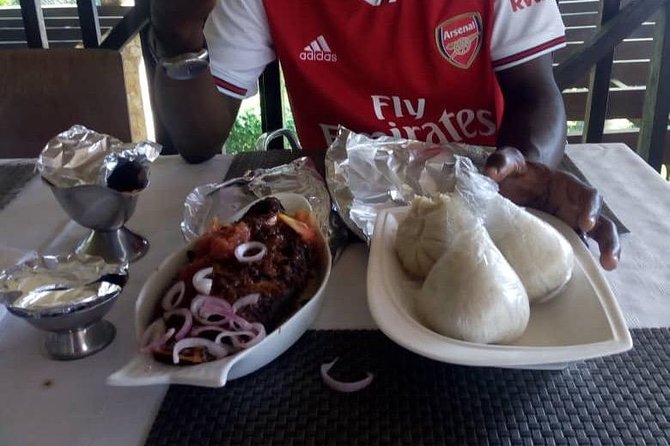
- Private class in a home setting means your group stays together and the pace can be adjusted.
- Optional market visit lets you pick ingredients on the day, not from a shopping list.
- No blender, lots of pestle-and-mortar work—great if you want technique you can repeat at home.
- Charcoal cooking stand adds flavor and a traditional feel (and it also means you’ll want good weather).
- Spice and dietary needs can be adjusted, including requests for lower spice levels.
- Some classes run longer than expected if you’re learning fufu/banku steps or if prep time is limited.
Meeting at CLUB 69 and How the 5-Hour Rhythm Works
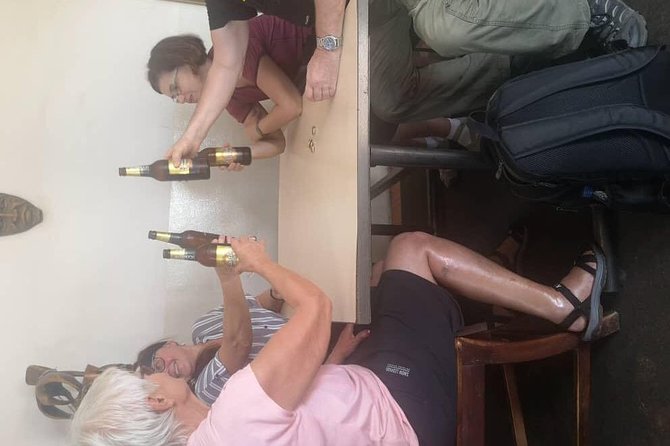
This class starts at CLUB 69, Osu la crescent (La Crescent), Accra. From there, you’re headed to Auntie K’s home kitchen, where the day runs on food time, not hotel schedule time.
The booking says about 5 hours, but the class itself typically falls between 3 and 6 hours, depending on the number of people. That matters because you’re not just “watching recipes.” You’re learning how ingredients behave—how spices bloom, how sauces thicken, and how starches like fufu/banku need patience. If you’re the type who hates feeling rushed, give yourself breathing room.
One practical note: an air-conditioned vehicle isn’t included. In practice, that means you should plan on using a taxi or other local transport to get to the meeting point and then between stops if you do the optional market run.
Market Stop (Optional): Where Your Ingredients Get Their Start

One of the smartest parts of this experience is the optional trip to buy foodstuffs at a local market. You’re not just purchasing items—you’re seeing what’s fresh, what’s in season, and what looks best that day. In many Ghanaian home kitchens, that’s half the flavor story.
If you choose the market option, expect time spent selecting produce, spices, and other staples, then carrying it back to cook. People who like learning the “why” behind cooking tend to enjoy this piece, because it connects the cooking to the ingredients you’ll actually recognize later.
The tradeoff is simple: the market stop uses time. If you’re watching your schedule tightly, you can still do the class, but you may want to decide in advance whether you truly want the market walk.
Your Cooking Station: Charcoal Heat, Pestle-and-Mortar Skills
This is not a microwave lesson. The technique is old-school, and that’s exactly why it’s worth your attention.
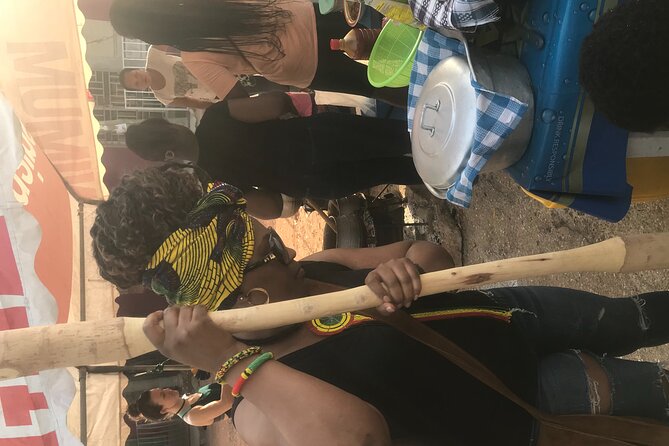
A repeated highlight is the pestle and mortar. Instead of blending everything smooth, you grind and crush veggies and spices the Ghanaian way. One guest specifically noted that learning to do this by hand felt amazing because it changes how the flavors come together. You’re not only following a recipe—you’re understanding texture and intensity.
Another major detail: cooking often happens over a charcoal cooking stand. That gives food a deeper, smokier foundation. It also creates a more “live” kitchen environment, where the heat is managed close to the pot and you feel the rhythm of cooking outdoors or in a yard setup. You can expect the pace to be active, not sit-and-sterile-demo.
About participation: the class is private, so you can usually steer your involvement. Some guests found the session very hands-on, while a few felt more watching than cooking. If you want to do the prep—chopping, stirring, grinding—ask early how much hands-on work they expect from your group.
What You’ll Cook: Jollof Rice, Kelewele, Soup, and More
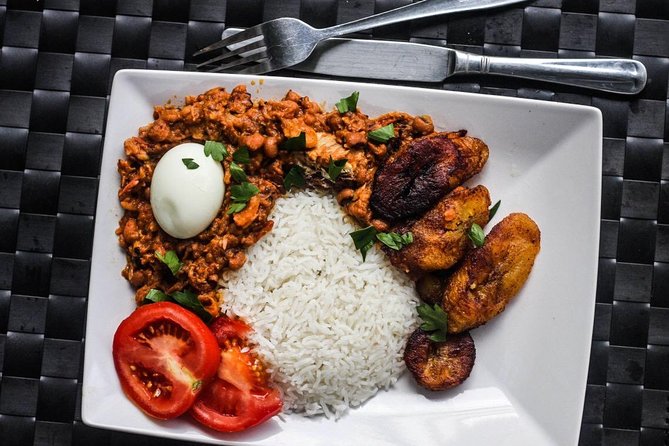
The menu in this class rotates, but the core Ghanaian favorites show up again and again. From the descriptions and guest reports, you should plan for dishes like:
- Jollof rice: The flagship. Expect spice, tomatoes, and steady cooking time until it hits that familiar Ghanaian balance.
- Kelewele (spicy plantains): Fried plantains with spice. Guests repeatedly call out how good it is, and you’ll learn the seasoning approach rather than just eating the result.
- Soup options: Soup can include versions like goat soup with fufu, and other stew-style dishes. The important part is how the base is built, seasoned, and cooked.
- Fufu and/or banku: Several guests mention fufu and banku, including comments that making it is hard work. If your interest is in technique, this is the part to pay attention to, because the texture process matters.
- Grilled chicken and grilled fish: Expect grilling and seasoning, with charcoal flavor showing up again.
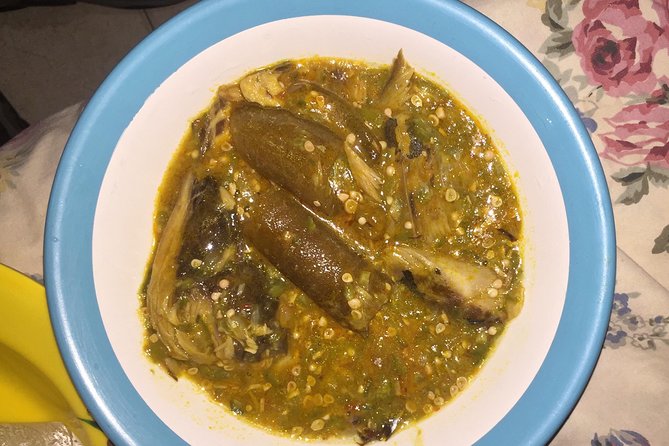
- Vegetables and stews: One guest mentioned sauteed veggies and okra and fish stew, which fits Ghanaian home-cooking comfort well.
- Dessert: The overview includes dessert, though the exact type isn’t listed in the data you provided.
What I like about this menu mix is that it covers Ghanaian comfort food in a few different categories: rice dish, fried street-food style (kelewele), soup/stew, and a starch pairing (fufu/banku). That means you don’t leave with only one recipe type—you leave with a broader toolkit you can adapt later.
If you have dietary needs, pay attention here: multiple guests say Auntie K adjusted the menu for restrictions, and at least one person specifically called out low spice levels. That’s a big deal in a home kitchen, because spice isn’t an afterthought. If you want mild flavors, tell them upfront.
Learning the Real Texture: Why fufu and banku Take Time
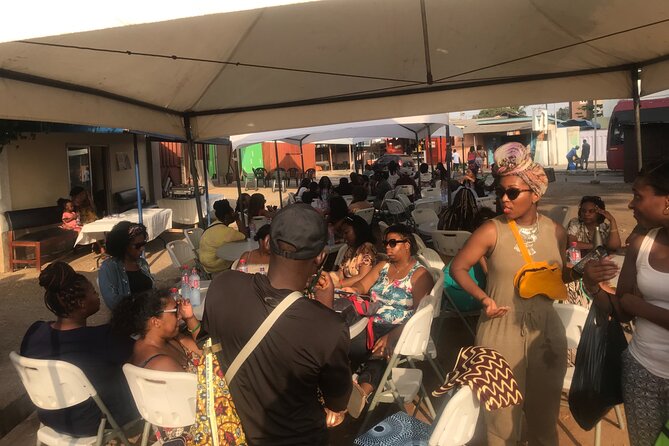
Even if you don’t cook starches often at home, it helps to know why this matters. Fufu and banku aren’t just “another side.” They require timing, stirring, and a feel for texture.
One guest described making fufu as hard work, and that matches the general reality of these doughy starch steps. In a class where you’re already grinding spices and watching soups simmer, the starch step is often what stretches the day toward the 6-hour end.
So here’s the practical advice: don’t schedule back-to-back activities right after. Leave yourself time to cool down, digest, and take it all in.
Also, if you’re more interested in eating than mastering starch technique, you can still enjoy the class. Just be clear with your host about where you want to focus—grinding, cooking, or learning the process step-by-step.
The Lunch Break: Eat What You Made, Not a Replacement Meal
A simple but meaningful promise here: lunch is included, and it’s the food you made.
After cooking, you sit down to the results—rice, soup/stew, grilled items, and sides—paired with conversation. In this kind of class, that’s when the learning clicks. You’ve handled the ingredients with your hands; now you taste what your choices created.
Guests also mention that there’s plenty of food. One person specifically advised bringing an empty stomach. That tracks with the teaching style: they want you to leave full, not hungry enough to start googling recipes later.
If you’re coming with a group, the private setup helps. You’re not squeezed into a rushed, factory-style lunch line. It’s a home meal with room for questions.
Price and Value: Getting More Than a Recipe Copy
At $89 per person, you’re paying for a real home cooking experience, not a take-home packet.
Here’s the value angle that matters: you’re getting multiple skill types in one day—ingredient selection (optional market), seasoning technique, starch pairing knowledge, and cooking method practice over charcoal. Many cooking classes focus on one dish. This one has a spread: rice, fried plantains, soup/stew, grilling, and often fufu/banku steps.
Also, you’re paying for the fact that it’s private, which usually means your questions get answered in plain language and your pace isn’t forced to match strangers.
Two quick price checks for your decision:
- If you want the market stop and you care about spice and technique, the cost feels more reasonable because you’re buying time with a skilled cook plus hands-on instruction.
- If you’re only interested in a quick demo of one dish, $89 might feel high compared to a lighter experience. In that case, confirm what dishes you’ll make and how hands-on it will be for your group.
Private by Design: Why the Home Setting Changes Everything
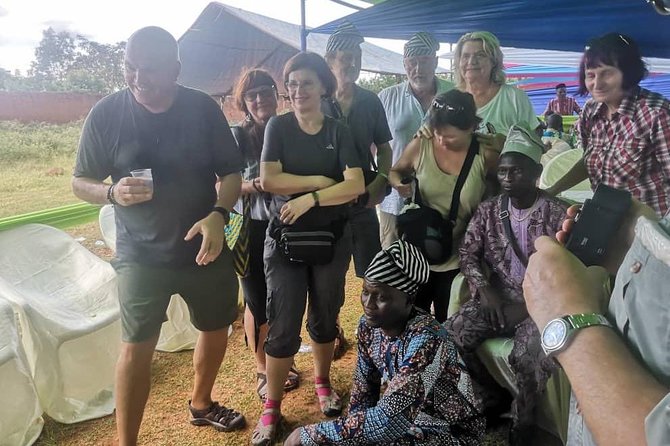
The class is private, meaning only your group participates. That’s not just comfort—it changes how learning happens.
In a private home setup, Auntie K can tailor the day more easily. Guests mention adjustments for dietary restrictions and lower spice levels. That kind of customization is harder in a large group class where everyone has to receive the same plate and the same spice level.
Another home advantage is the warm tone. Multiple guests used family-style language about feeling welcomed and talking with Auntie K and her assistants. You’ll likely feel more like a guest in a kitchen than a customer in a classroom.
One caution, based on the details you provided: a couple of lower ratings mentioned the cooking area as a front yard setting with people coming in and out. That can still be a normal part of home life, but if you’re expecting total privacy and quiet instruction, it’s worth asking what the cooking space is like on your date.
Weather and Comfort Notes for a Charcoal, Home-Kitchen Day
This experience requires good weather. That’s important because the cooking setup includes charcoal, and at least some cooking happens outdoors or in a yard-style space.
If weather isn’t good, you should expect either a date change or a refund. And regardless of the forecast, plan to dress for Accra conditions. You’ll likely be active—grinding, stirring, standing near heat, and waiting for dishes to finish.
Also remember: there’s no mention of air-conditioned transport included. So sweat management is on you. Bring water, wear breathable clothes, and don’t plan to look fresh for dinner reservations right afterward unless you’re lucky.
Who Should Book This Cooking Class in Accra
This is a good fit if you want one of two things:
1) Hands-on Ghanaian cooking skills you can repeat at home, especially spice grinding and charcoal-style cooking.
2) A personal way to understand Ghana through food, not just through dining.
It also works well for:
- Couples or small groups who want a calmer setting and real interaction.
- Solo travelers who like learning in a friendly, welcoming environment.
- People who care about spice control and dietary adjustments.
It may be less ideal if:
- You want a very structured, classroom-style lesson with guaranteed step-by-step time for every dish.
- You need absolute quiet and zero foot traffic around the cooking space.
- You’re tight on time and can’t handle the class running closer to 6 hours.
Should You Book Home Cooking Class by Auntie K?
I’d book it if your goal is practical Ghanaian cooking—jollof rice, kelewele, and soup—with real technique like pestle-and-mortar grinding and charcoal heat. The combination of private attention, lunch included, and spice/diet tailoring is strong value at $89.
Before you commit, do two things:
- Decide if you want the optional market stop. If you love ingredient selection, pick it. If you’re on a schedule, you can skip it and still get the core cooking.
- If you’re the hands-on type, message ahead about your role in prep and cooking. That small clarification can protect you from disappointment.
If you want more than a meal—if you want skills—this is the kind of Accra day that sticks.
FAQ
Where does the cooking class start in Accra?
It starts at CLUB 69, Osu la crescent, La Crescent, Accra, Ghana. The activity ends back at the meeting point.
How long is the Home Cooking Class by Auntie K?
The duration is listed as about 5 hours. The class typically takes 3–6 hours, depending on the number of people.
Is this tour private?
Yes. It’s a private tour/activity, so only your group participates.
What dishes might you cook?
The experience includes traditional dishes such as jollof rice, soup, and dessert. Based on class descriptions and dish examples shared by guests, you may also make items like kelewele (spicy plantains) and meals that include fufu or banku, plus grilled items.
Can you visit a market during the class?
The market stop is optional. You may go to a local market to buy the foodstuffs for your class.
What’s included in the price?
The included items list shows lunch and the homemade cooking class.
Is air-conditioned transportation included?
No. The tour notes that an air-conditioned vehicle is not included.
Can the class accommodate dietary restrictions or lower spice?
The information you provided says dietary needs can be accommodated, and guests also mention adjustments for low spice levels.
What happens if the weather is bad?
This experience requires good weather. If it’s canceled due to poor weather, you’ll be offered a different date or a full refund.
How does free cancellation work?
You can cancel for a full refund up to 24 hours before the experience’s start time. Canceling less than 24 hours before won’t be refunded.
Are service animals allowed and is it near public transportation?
Yes. Service animals are allowed, and the activity is near public transportation.