REVIEW · FLORENCE
MaMa Florence- Hands-On Gluten Free Italian Cooking Class
Book on Viator →Operated by MaMa Florence Cooking School · Bookable on Viator
Gluten-free pasta, made the real way. This MaMa Florence class turns a 3.5-hour evening into a practical lesson in gluten-free Italian cooking, starting with dough you make from scratch and ending with the meal on your plate. It’s designed for people who want Italian food to fit real life, not just follow a menu workaround.
I especially love that you’re taught the full system, not just a recipe. You learn how to pick natural gluten-free ingredients and how to avoid cross-contamination in a controlled setup. And the teaching is in English, with experienced chefs and a warm, hands-on vibe; in one session, the host Luisa was flexible and helped get the class back on track when timing went sideways.
One thing to consider: even with strict procedures, the company notes they can’t guarantee a 100% risk-free environment for people with severe celiac. If that describes you, you’ll want to think carefully about what “risk” means for your health plan before you book.
In This Review
- Key Highlights You’ll Actually Care About
- Entering The AC Kitchen On Viale Francesco Petrarca
- The Skill Focus: Making Gluten-Free Pasta From Scratch
- The Four-Course Tuscan Menu You Build With the Chef
- Starter: Chick-Pea Flour Torta With Roasted Tomatoes and Eggplant
- Main: Gluten-Free Pasta
- Main: Chicken Cacciatora
- Dessert: Yogurt Mousse With Fruit Coulisse
- Wine Pairing and Tuscan Taste Lessons
- Gluten-Free Safety: What’s Strict, What’s Not
- Meeting the Chef and Making Friends in a Small Group
- Arranging Food Needs: What You Must Email Ahead
- Price and Value: Is $227.58 Worth It?
- When to Book (and When to Skip)
- FAQ
- FAQ
- How long is the MaMa Florence gluten-free cooking class?
- Where does the class meet in Florence?
- Is the class taught in English?
- What will I learn in this cooking class?
- Is the menu completely gluten-free?
- Can the class guarantee no cross-contamination for celiac?
- What dishes are included in the 4-course menu?
- Is wine included?
- How big is the group?
- What if I have allergies or special dietary needs besides gluten?
- Can I cancel for a full refund?
- Should You Book This Gluten-Free Cooking Class?
Key Highlights You’ll Actually Care About
- Real, hands-on gluten-free pasta skills you can repeat at home
- 4-course Tuscan menu built around gluten-free versions of classic Italian dishes
- English-speaking chef instruction plus a small-group feel (max 18 people)
- Wine education and pairing tied to Tuscan wine origins
- Dedicated gluten-free equipment and sanitation practices, with a clear disclaimer about limits
- Safe-environment rules you can understand, including ingredient storage and surface cleaning
Entering The AC Kitchen On Viale Francesco Petrarca
Your evening begins at Mama Florence Cooking Classes & Events, on Viale Francesco Petrarca, 12 in Florence. It’s a straightforward location that’s near public transportation, which matters because you’ll likely be wandering Florence earlier in the day and don’t want a complicated last-mile plan.
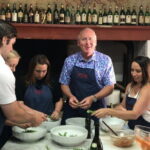
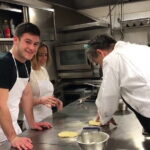
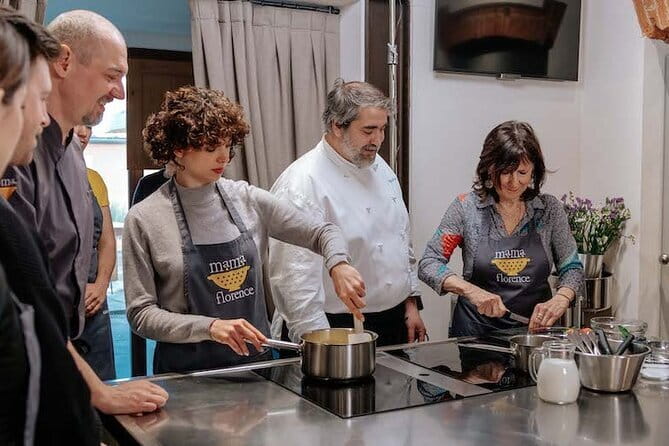
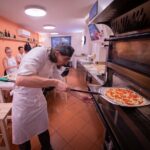
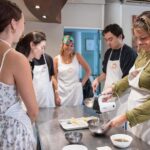
Inside, you’re cooking in a spacious Gullo Design kitchen. That may sound like a design detail, but it actually affects how the class feels. More space means less crowding, better visibility while you’re working, and calmer kitchen flow when you’re learning new techniques—especially when gluten-free prep requires extra care.
You’ll also be in an intentionally small group. With a maximum of 18 travelers, the class has room to keep the pace practical, not rushed. In a setting like this, that small size is a big quality signal: it’s easier for the chef to check your dough, show you how to handle it, and help you avoid common mistakes.
You can also read our reviews of more tours and experiences in Florence.
The Skill Focus: Making Gluten-Free Pasta From Scratch
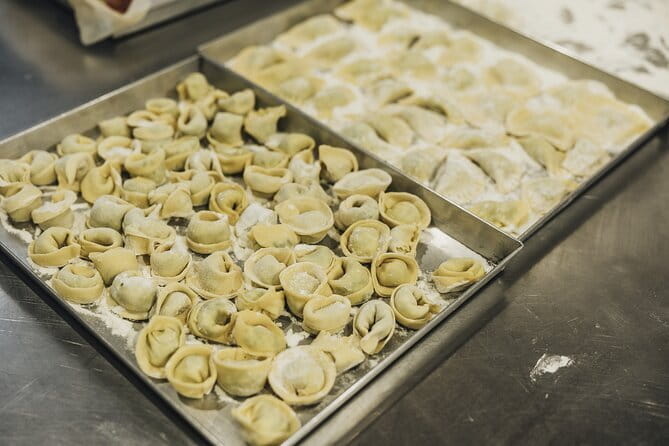
The headline skill here is gluten-free pasta from scratch, and that’s exactly where a lot of cooking classes either shine or fall apart. This one doesn’t treat gluten-free like a minor substitution. It teaches you the method and the logic behind it—how to work with natural gluten-free ingredients and still end up with pasta you can recognize as Italian.
You’ll get guided help on ingredient choices, with an emphasis on avoiding mixes. That’s important because many people buy gluten-free pantry substitutes that behave nothing like flour you’d use in a normal pasta class. The chef’s goal is to help you understand what you’re doing and why, so the result isn’t just luck.
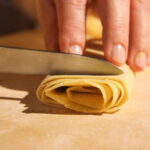
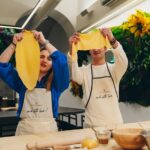
Then comes the part you can feel in your hands: pasta dough. Gluten-free pasta can be more delicate in texture and handling, so you’re not just “watching and copying.” You’re learning how to shape it and manage it as it cooks. When you finish, you’ll taste what you made, so the lesson lands with a real payoff.
One practical bonus: if you’ve ever had gluten-free food that tastes like it was built by committee, this class is aimed at making it taste like food. The cooking approach is clearly Tuscan in style, and that matters because Tuscan cooking is often about simplicity plus technique—olive oil, vegetables, meat braises, and dairy-forward desserts—rather than complicated sauces.
The Four-Course Tuscan Menu You Build With the Chef
This class is structured around creating a full 4-course Tuscan meal. That’s more than a nice dinner plan. It forces you to learn how one gluten-free kitchen system supports multiple dishes, which is what you’ll want when you cook at home.
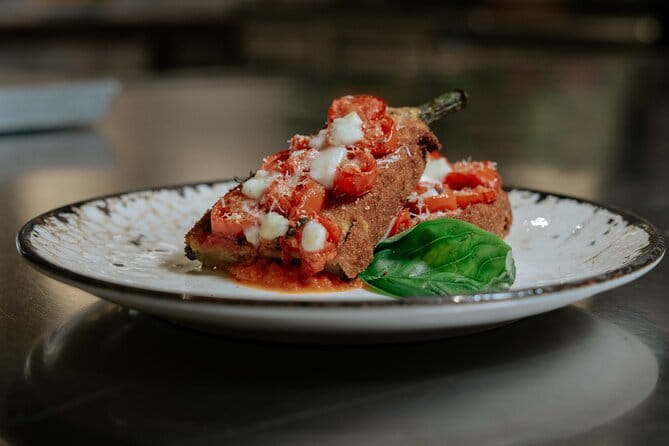
Starter: Chick-Pea Flour Torta With Roasted Tomatoes and Eggplant
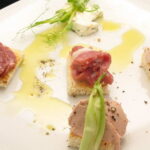
Your first course is a chick-pea flour torta with roasted tomatoes and eggplant puree. Chickpea flour is a classic Mediterranean ingredient, and I like that this starter doesn’t rely on delicate gluten-free dough alone. It gives you a break from pasta handling while still teaching you how gluten-free can be naturally Italian-feeling.
Expect a starter that’s hearty, with a savory roasted element. It also helps you understand that gluten-free Italian cooking isn’t only about replacing wheat-based starches. It’s also about using ingredients that are gluten-free by nature.
Main: Gluten-Free Pasta
This is the course that anchors the night: the fresh gluten-free pasta you made. Whether the class focuses on a simpler pasta shape or a more involved version, the key is the same: you’ll leave knowing the texture and cooking expectations for pasta made in this system.
I also like that you’re not left guessing. When you make it and then eat it, you immediately understand the success markers: doneness, sauce grip, and how the pasta behaves on the plate.
Main: Chicken Cacciatora
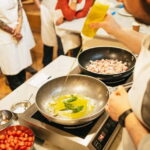
Next comes chicken cacciatora, which is comfort food with an Italian spine. It’s a dish where you can really taste technique: how the sauce builds, how the chicken braises, and how the flavors come together in a way that still feels hearty even in a gluten-free meal.
If you’ve had “restricted diet” food that turns bland fast, this course is the antidote. The sauce should taste like Tuscan home cooking, not like a substitute.
Dessert: Yogurt Mousse With Fruit Coulisse
You finish with a yogurt mousse and a fruit coulisse. This dessert choice is smart for gluten-free dining because it leans on dairy and fruit rather than flour-based baking. The result should feel creamy and lighter than a heavy cake situation, but still clearly dessert.
And if you’ve got a sweet tooth, this ending is practical too. It shows you that gluten-free doesn’t have to mean “no-bake, no joy.” You get a real final course designed to fit the same kitchen rules as the rest of the menu.
Wine Pairing and Tuscan Taste Lessons
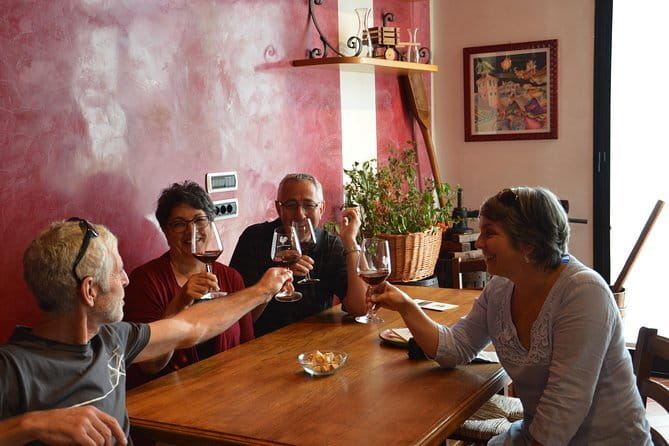
After the cooking work, the class includes a wine-paired meal and wine education. That means you’ll learn a bit about Tuscan wine origins and how pairings work with what you’re eating.
This part matters more than people expect. When you eat Italian food in Florence, it’s easy to assume wine pairing is just a nice extra. Here, the pairing is tied to the menu choices: savory starter, the pasta course, a braised main, then a dairy-forward dessert. Wine education gives you a framework you can use later when you order at restaurants.
Also, the pairing setup is paired with the class rules. If you’re under 18, the class notes that alcohol is not allowed for you. So don’t plan on a glass of wine as part of your dinner experience if you fall into that category.
Gluten-Free Safety: What’s Strict, What’s Not
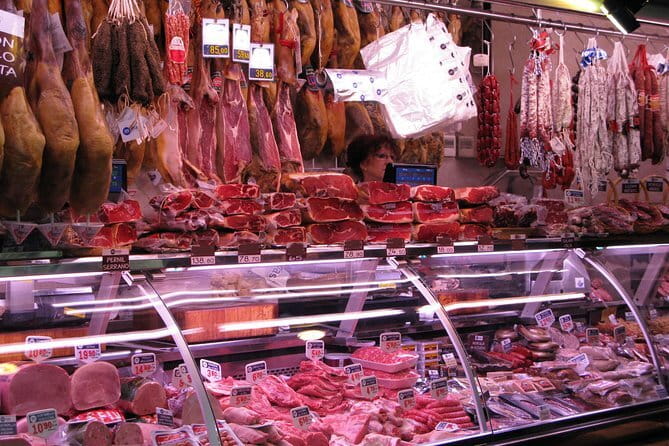
Gluten-free cooking here is handled with seriousness. The class describes a safe gluten-free environment with multiple layers:
- Dedicated, separate utensils used for gluten-free classes, never used to touch flour
- GF-only ingredients, stored separately
- Surfaces and pots sanitized before each class
- No flour or gluten products used during these specific classes
That said, the operator also gives you a clear reality check: they cannot guarantee 100% risk-free cross-contamination in the environment. They specifically advise that if you’re severely celiac, you need to evaluate that risk when booking.
Here’s how I’d make that decision in real terms. Ask yourself what “risk-free” means medically for you. If your requirement is absolute zero, you may need to choose a different style of experience. If your sensitivity is serious but allows for controlled risk, then the described process may fit.
One more practical point: the class uses separate tools, but that doesn’t erase the broader food environment. If cross-contact is a deal-breaker, you should plan your expectations tightly and consider your medical guidance.
Meeting the Chef and Making Friends in a Small Group
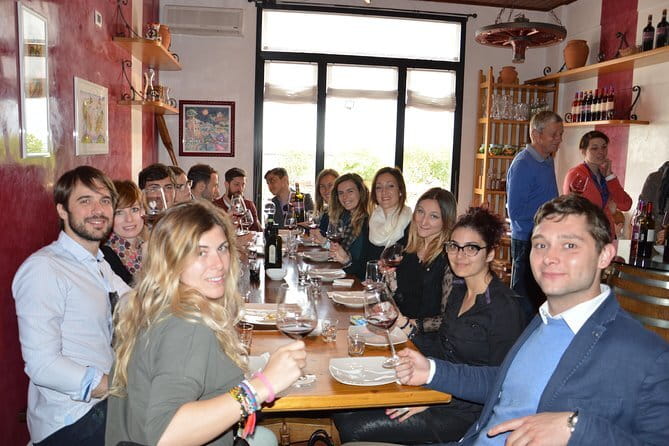
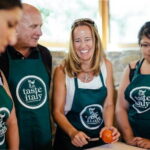
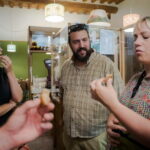
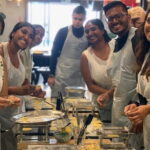
A big part of why cooking classes work in Florence is the social angle. You’ll be working side-by-side with others while you learn technique, and that naturally turns into conversation about ingredients, cooking habits, and what you’ve been eating around town.
The class is offered in English, which matters if you’re not fluent. The kitchen becomes a classroom with real dialogue instead of silent copying. With a maximum of 18 travelers, there’s enough space for you to ask questions without feeling like you’re interrupting a rush.
There’s also a personal warmth to the way the class is hosted. In one account involving the chef-host Luisa, the team dealt with a late arrival issue by getting people inside and helping coordinate a rescheduled experience. The important takeaway for you: the staff seems focused on making sure the evening still works out, not just following a strict script.
Arranging Food Needs: What You Must Email Ahead
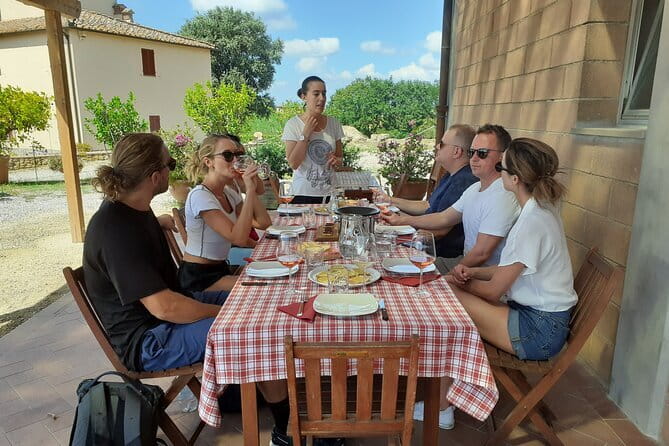
If you’re gluten-free, the class is built for that purpose. But if you have other needs—like allergies or dietary restrictions beyond gluten—you need to handle communication carefully.
The class notes that no special food requirement can be accommodated without giving notice, and it’s essential that you email ahead of booking with any allergies. If you show up without notice, they may have to turn you down, and if that happens, you aren’t entitled to a refund.
That policy is not meant to be harsh. It’s a practical safety issue: ingredient substitutions in gluten-free cooking aren’t plug-and-play. You don’t want last-minute changes in a kitchen that’s relying on strict cross-contact controls.
So if you have a sensitive allergy, do the boring part early. Send the email. Get confirmation. Then go enjoy the class.
Price and Value: Is $227.58 Worth It?
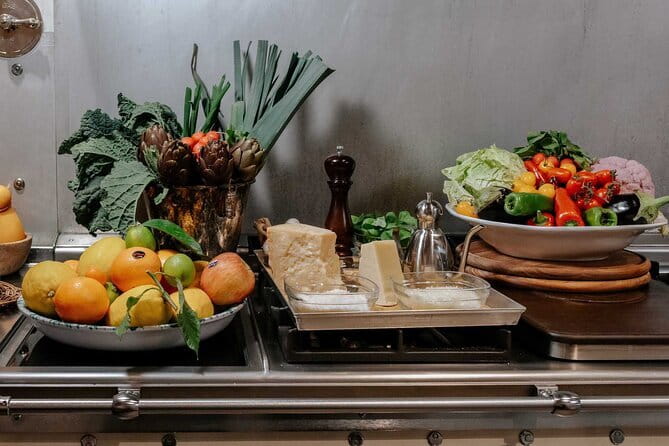
At $227.58 per person, you’re paying for a lot more than a recipe sheet. You’re paying for:
- A hands-on lesson where you make gluten-free pasta from scratch
- A full 4-course meal you eat right after cooking
- A wine-paired meal plus wine education
- English instruction from experienced culinary professionals
- A small group setup (max 18), which usually means more attention and less waiting
In Florence, you can find cheaper cooking experiences. But gluten-free, done properly, tends to cost more because it requires separate ingredient systems, sanitation procedures, and extra care. What you want is value measured in outcome: can you walk away with skills that work, food that tastes like real Italian cooking, and a sense of confidence about what you’re eating?
This class aims for that kind of value. If you truly care about gluten-free cooking methods and want to learn a repeatable skill, the price starts to make sense. If you’re gluten-free just because you’re traveling and don’t want to cook, then you might compare it to a regular Italian cooking class or a great restaurant meal with wine.
When to Book (and When to Skip)
Book this class if you want a practical, skill-based night in Florence. I think it’s especially good for:
- People who want gluten-free pasta technique, not just gluten-free eating
- Anyone who wants a Tuscan-style menu experience built from scratch
- Travelers who enjoy wine pairing and a little structure in the evening
- Small-group learners who like asking questions face-to-face
Think twice if:
- You have severe celiac and need a standard that must be truly risk-free
- You have dietary restrictions beyond gluten and you aren’t willing to email ahead
- You’re looking for a quick tasting only, because this is about making, not just eating
Also, consider timing. The experience is typically booked about 84 days in advance on average, which suggests demand. If you want a specific week in Florence, don’t wait until the last minute.
FAQ
FAQ
How long is the MaMa Florence gluten-free cooking class?
It lasts about 3 hours 30 minutes.
Where does the class meet in Florence?
The meeting point is Mama Florence Cooking Classes & Events, Viale Francesco Petrarca, 12, 50124 Firenze FI, Italy.
Is the class taught in English?
Yes. The experience is offered in English.
What will I learn in this cooking class?
You’ll learn how to craft gluten-free pasta from scratch and how to build a full gluten-free Tuscan menu.
Is the menu completely gluten-free?
Yes. The class uses exclusively gluten-free ingredients and specific procedures to keep gluten away from the cooking process.
Can the class guarantee no cross-contamination for celiac?
They use dedicated utensils and sanitize surfaces, but they state they cannot guarantee 100% risk-free cross contamination. People with severe celiac should evaluate the risk when booking.
What dishes are included in the 4-course menu?
A sample menu includes:
- Chick-pea flour torta with roasted tomatoes and eggplant puree
- Gluten-free pasta
- Chicken cacciatora
- Yogurt mousse with fruit coulisse
Is wine included?
The meal is wine-paired, and there is wine education. Alcohol is not allowed for those under 18.
How big is the group?
The class has a maximum of 18 travelers.
What if I have allergies or special dietary needs besides gluten?
They say no special food requirement can be accommodated without notice. You must email ahead of booking with your allergies, and arriving without notice could mean you’re turned down with no refund.
Can I cancel for a full refund?
Yes. You can cancel up to 24 hours in advance for a full refund. If you cancel less than 24 hours before, the amount paid is not refunded.
Should You Book This Gluten-Free Cooking Class?
If you want a Florence evening that gives you a real skill, this is the kind of class worth paying for. The hands-on gluten-free pasta lesson plus a full 4-course Tuscan menu is a practical combo, and the added wine education makes it feel like a complete cultural meal rather than a half-hour demo.
I’d book it if gluten-free cooking is important to you and you’re ready to follow the safety rules (including emailing ahead for any other dietary needs). If you have severe celiac and need the highest possible certainty, you should weigh the class’s clear limits on cross-contamination and decide based on your own medical needs.
You Might Also Enjoy
More Tour Reviews in Florence
- Cooking Class and Lunch at a Tuscan Farmhouse with Local Market Tour from Florence
★ 5.0 · 4,831 reviews