REVIEW · MATERA
Matera Cooking Class
Book on Viator →Operated by Matera Cooking Class · Bookable on Viator
Pasta starts on an olive tree farm. This Matera cooking class takes you out of the Sassi and onto Agriturismo L’Assiolo, where extra virgin olive oil and fruit-from-the-tree tasting set the mood early, hosted by Silvia and Greg.
I love the hands-on teaching. You’ll work in the kitchen on fresh pasta and a typical sauce, then put your skills into a Matera-style antipasto.
One consideration: this is a real farm day plus cooking time, so if you want a quick, low-effort stop for photos, this may feel like work.
In This Review
- Quick hits from this Matera Cooking Class
- Getting out of the Sassi: why this class feels so different
- Price and what makes it good value for 4 hours
- Meeting at 10:00 in Matera, then heading out for the farm day
- The Agriturismo L’Assiolo farm tour: where olive oil really begins
- Silvia’s kitchen lessons: fresh pasta, sauce, and Matera antipasto
- Fresh pasta techniques that translate beyond the class
- A typical pasta sauce that follows the philosophy of simplicity
- Traditional antipasto: more than one bite
- Lunch on the farmhouse table: tasting your work with wine and coffee
- The real win: your practical Matera food intel
- Who this Matera cooking class suits best
- Should you book this Matera Cooking Class?
- FAQ
- How long is the Matera cooking class?
- What time does it start?
- Where do I meet for the class?
- Is the class offered in English?
- What will I cook during the class?
- How large is the group?
- Does the experience include lunch?
- Can I cancel for a full refund?
Quick hits from this Matera Cooking Class
- Agriturismo L’Assiolo farm tour first, so you understand the food before you cook it
- Extra virgin olive oil, liquid gold, plus the chance to taste fruit straight from a tree
- Silvia’s kitchen instruction focused on fresh pasta techniques and simple, traditional methods
- Small group size (max 6) so you get real attention while you cook
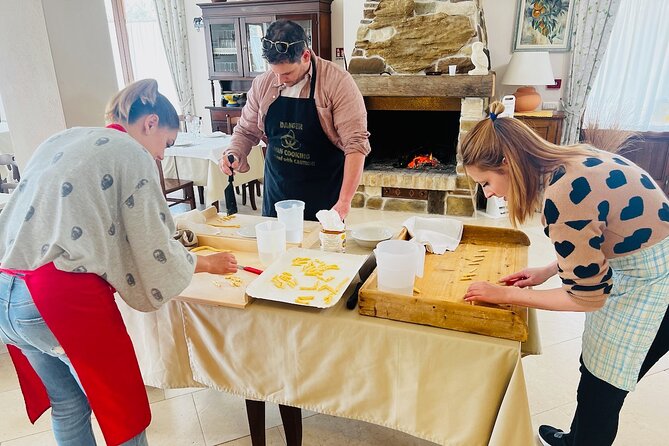
- Country-style lunch with wine and coffee, where you taste what you made
- Leave with local eating tips, including restaurants, bars, and cafés Greg recommends
Getting out of the Sassi: why this class feels so different
Matera is famous for the Sassi, but the best meals in Italy usually start somewhere quieter. This experience does exactly that. You move from the stone-world of Matera to the working countryside just outside town, where food has a starting point you can actually see.
What makes it appealing is the order of operations. You don’t just get a cooking demo and then sit down. You begin with the farm, then go to the kitchen, and only then enjoy the meal you helped create.
And because the group is small, the vibe stays relaxed. You’re not herded through steps. You get time to ask questions, fix mistakes, and laugh while your hands learn a new rhythm.
You can also read our reviews of more tours and experiences in Matera.
Price and what makes it good value for 4 hours
At $168.95 per person, this isn’t a bargain-bin activity. But it also isn’t just a ticket to a show. You’re paying for several things that add up fast in southern Italy: a farm visit, hands-on cooking instruction, ingredients turned into lunch, and time with hosts who share how they do things.
This is also a max-6 class. In a small group, the teaching quality usually rises because nobody is standing around waiting their turn. Add the meal (country-style lunch) and the fact that you’re learning multiple components—pasta, sauce, and antipasto—and the price starts to make more sense.
If you’re the type who wants a memory, this gives you more than a photo. If you’re the type who wants a skill, this gives you a process you can repeat at home.
Meeting at 10:00 in Matera, then heading out for the farm day
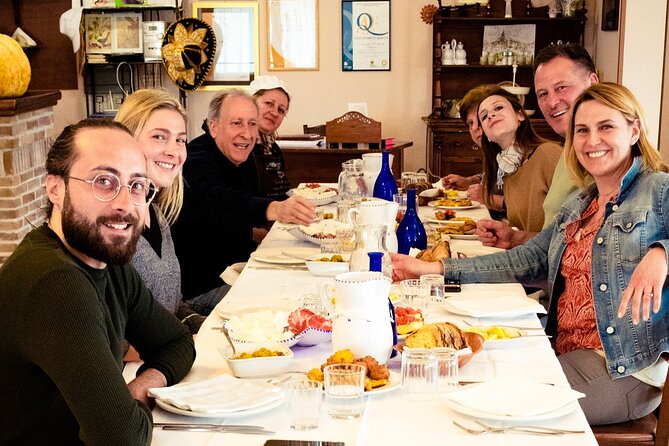
The class starts at 10:00 am. You meet at Piazza Giacomo Matteotti, 20, 75100 Matera MT, Italy, and the activity ends back at the meeting point.
That “back where you started” detail matters more than you might think. Matera’s streets can be tricky to navigate, and a scheduled start reduces guesswork. You can also plan your afternoon around a clear end time, since the experience runs about 4 hours.
You’ll receive a mobile ticket, and the meeting area is noted as near public transportation. Service animals are allowed, too, which is good to know if you travel with one.
Wear practical shoes. The cooking part is indoors, but the farm part means you’ll likely be walking on uneven ground and moving around more than you would on a city tour.
The Agriturismo L’Assiolo farm tour: where olive oil really begins
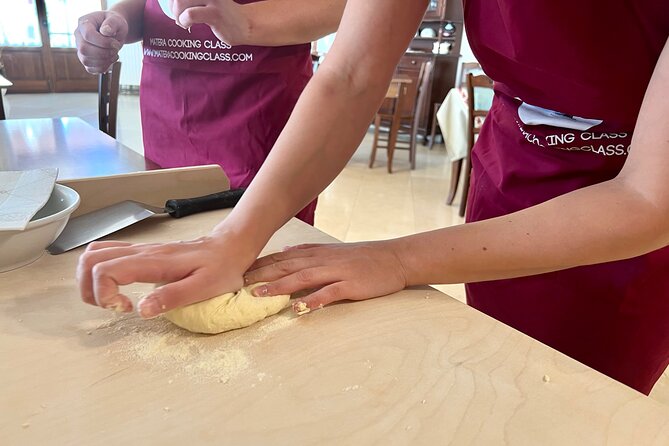
The farm tour is not filler. It’s the foundation for everything you eat afterward.
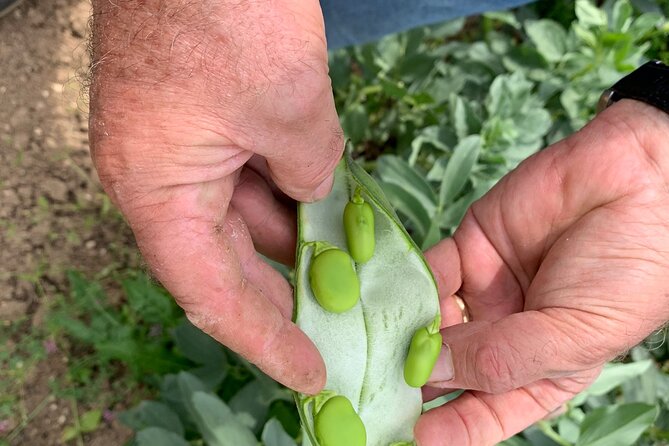
You’ll meet your hosts at their organic olive and orange farm, and you’ll get a quick walk-through of how the food system works here. You’ll hear about extra virgin olive oil, often described as liquid gold, and how it’s produced from their own trees.
This is also where you get a simple, very Italian kind of lesson: taste what the land makes. You’ll have the chance to eat fruit straight from a tree, the kind of detail that turns a meal into a story you actually understand.
One subtle bonus: olive oil isn’t just a condiment in this class. It’s part of the culture of flavor. Once you’ve seen the trees and learned how the oil comes from them, the cooking instructions about sauce and finishing make more sense.
So even if you’re not an olive oil nerd, you’ll leave with better instincts. You’ll know why texture and timing matter, and why keeping ingredients simple is a strength, not a limitation.
Silvia’s kitchen lessons: fresh pasta, sauce, and Matera antipasto
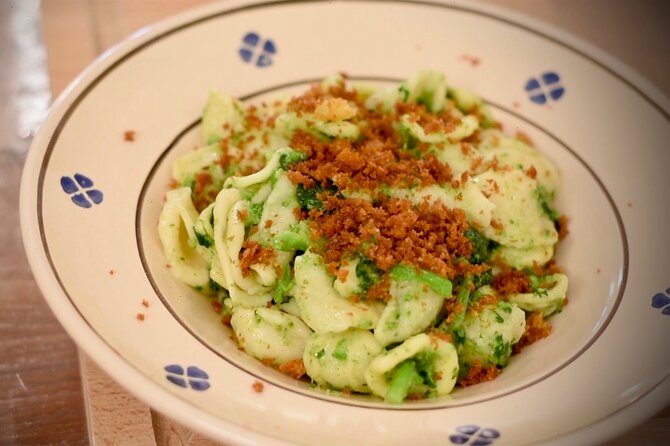
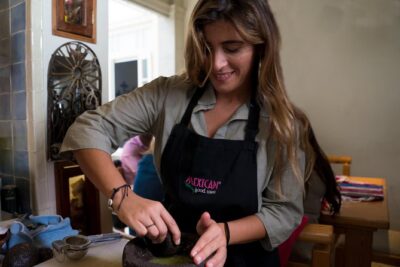
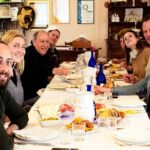
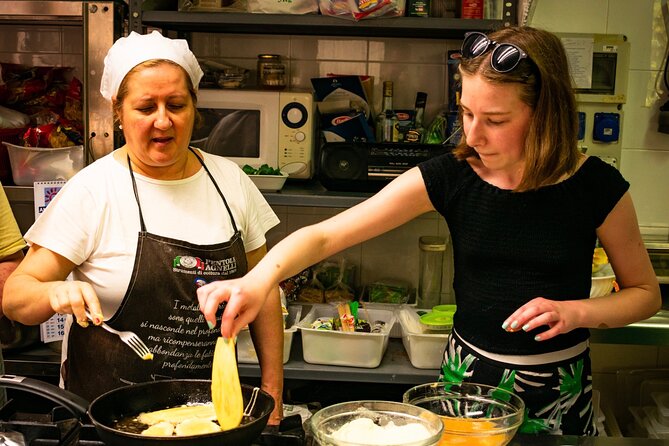
Once you’re in the kitchen, Silvia leads the cooking. The class centers on traditional Matera farmhouse cooking, and the goal is clear: you learn by doing.
Fresh pasta techniques that translate beyond the class
You’ll learn the authentic way to make fresh pasta. The value here isn’t just that it tastes good. Fresh pasta is forgiving when you understand a few key cues—how the dough feels, how you shape it, and what “right” looks like during the process.
Because the group is small, you get the kind of help that matters. If your dough is too dry or too sticky, you can adjust in real time rather than hoping it turns out later.
A typical pasta sauce that follows the philosophy of simplicity
You’ll also learn a typical pasta sauce. In classes like this, you’re usually taught two things at once: a recipe and a way of thinking. The focus is simplicity—using ingredients the way they’re meant to be used, and not trying to overpower them.
If you’ve ever made sauce at home and wondered why yours doesn’t taste like the restaurant version, this is where the answer starts. You’re learning a local approach rather than copying a random internet formula.
Traditional antipasto: more than one bite
Finally, you’ll tackle traditional antipasto. This matters because antipasto is where Mediterranean flavor diversity shows up fast—salty, tangy, fresh, maybe a bit of smoky or herb-driven depending on what you’re making.
Even though the menu lists traditional antipasto more than once, the main point for you is this: you won’t just learn one dish. You’ll learn how a Matera table builds variety, portion by portion.
Lunch on the farmhouse table: tasting your work with wine and coffee
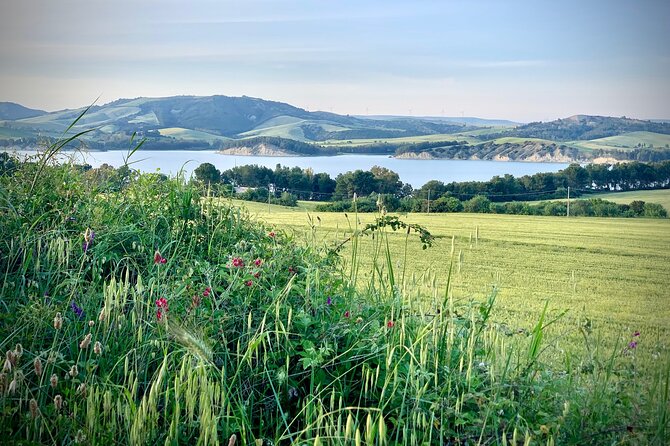
After cooking comes the part most people really care about: eating.
This is a country-style lunch to taste the dishes you made together. Expect a spread that feels like a real meal rather than a plated performance. And you’ll likely get the rhythm right away: small dishes, shared plates, then the main pasta you worked toward.
Wine and coffee are part of the lunch experience as well. That combo is typical of the way long family meals run in southern Italy—pause, taste again, then settle into the conversation.
What I like about this structure is the payoff. Cooking classes often leave you tired and underfed. Here, you get a meal that respects the effort you put in. You sit down and enjoy, not just “sample.”
And since you’ve already toured the farm, you can connect your lunch to the story behind it. That makes the flavors feel more grounded, not random.
The real win: your practical Matera food intel
One of the most useful things you can get from a good local host is the map you didn’t know you needed. Greg and Silvia share local guidance that goes beyond what you’d read online.
You’ll come away with a list of restaurants, bars, and cafés they consider best in Matera. This matters because Matera can be full of places that look great from the outside, but don’t always deliver the kind of honest meal you want after spending time cooking.
Think of it as a shortcut. Instead of spending your evening hunting, you can use their recommendations and get to food faster.
Who this Matera cooking class suits best
This class is a strong fit if you want three things:
- Hands-on cooking with real instruction
- A farm-to-table context that goes beyond the obvious
- A relaxed small-group experience with local hosts
It’s also a great choice for couples and small groups who want a shared activity that doesn’t feel like a chore. You’ll be working together, tasting together, and talking together, not just following a script.
You might want to skip it if you’re only interested in Sassi views and prefer low time in kitchens. This is not a “just watch” class, and it’s not designed to be silent and quick.
If you love food culture, but you also want a skill you can bring home, you’ll probably rate this highly.
Should you book this Matera Cooking Class?
Book it if you want your Matera trip to include more than stone streets and viewpoints. The farm tour adds meaning, and the small-group cooking time with Silvia turns it into a real skill-building session.
You should also consider booking if you enjoy Italian habits: tasting ingredients where they come from, cooking with simplicity, and ending the day with a solid meal that matches the work you did.
If you’re looking for a minimal-effort experience, or you don’t like being hands-on, then pass. But if you want a day that connects food, place, and people, this is a very sensible use of your time in Matera.
FAQ
How long is the Matera cooking class?
It runs for about 4 hours.
What time does it start?
It starts at 10:00 am.
Where do I meet for the class?
You meet at Piazza Giacomo Matteotti, 20, 75100 Matera MT, Italy.
Is the class offered in English?
Yes, it is offered in English.
What will I cook during the class?
You’ll learn to make fresh pasta and a typical pasta sauce, plus traditional antipasto.
How large is the group?
The group size is capped at a maximum of 6 travelers.
Does the experience include lunch?
Yes, you’ll enjoy a country-style lunch to taste the dishes you made together.
Can I cancel for a full refund?
Yes. Free cancellation is available up to 24 hours before the experience start time for a full refund.