REVIEW · MATERA
Matera: Pasta Cooking Class Old Farmer Style in Sassi Cellar
Book on GetYourGuide →Operated by Omega13 · Bookable on GetYourGuide
That Sassi cave smells like old stone and good food. You’ll learn fresh pasta the old farmer way, then eat what you make in a restored cave set in Matera’s famous rock district.
I especially loved the small group feel (max 8), because it means you get time with the chefs instead of watching from the sidelines. I also liked how the hosts, like Lorenzo and Chef Cosmo, connect cooking to Matera life with stories, not just recipes.
One thing to consider: it’s not suitable for gluten intolerance, so if that affects you, you’ll need a different plan.
In This Review
- Key highlights at a glance
- Why Matera Caves Make a Pasta Class Feel Real
- Finding Recinto Santa Maria and Your Cave Entrance
- The 20-Minute Sassi Tour: Getting Oriented Fast
- Cooking in a Former Wine Cellar: What You’ll Do With Your Hands
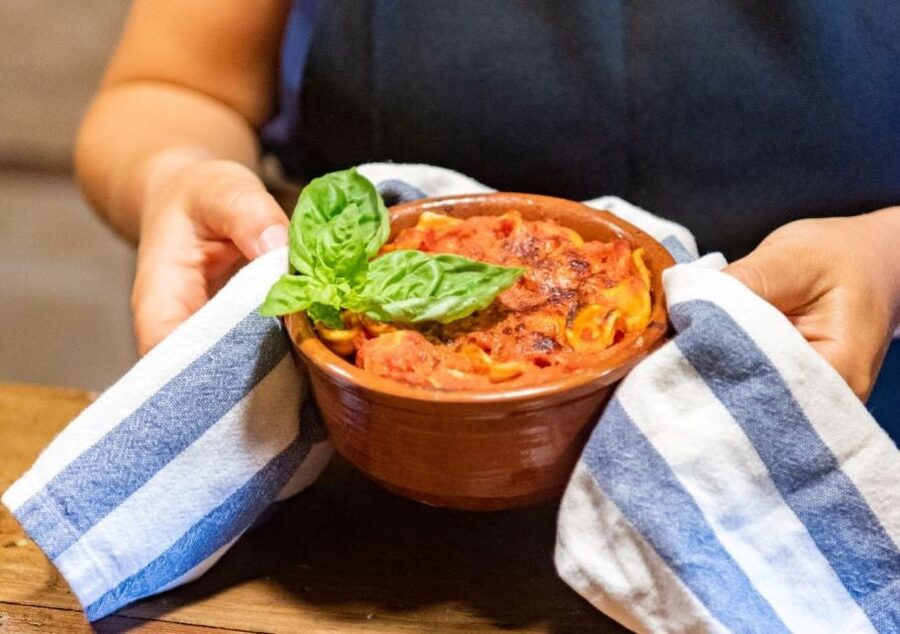
- Bruschetta and Strascinate al Tegamino: The Meal You Make
- The Farmer-Lunch Break: Photos, Stories, and Food Tasting
- Price and Value: Is $80.55 Worth It?
- What Group Size Really Changes (and Why It’s Not a Small Detail)
- Language Options: English, Italian, Spanish
- Who Should Book This Matera Pasta Class
- Who Should Skip It
- Should You Book This Pasta Workshop in Matera?
- FAQ
- How long is the Matera pasta cooking class?
- What does it cost per person?
- How big is the group?
- What languages are offered?
- What dishes will I learn to make?
- Where do I meet for the class?
- Is it suitable for gluten intolerance?
Key highlights at a glance
- Meet in the Sassi at Recinto Santa Maria (look for the arch and big green door)
- A short guided cave tour (about 20 minutes) to set the scene
- Fresh pasta workshop with hands-on kneading and shaping
- You’ll learn Bruschetta and Strascinate al tegamino as part of the meal
- Farmer-style lunch + tasting in the same cave setting
- English/Italian/Spanish support from the instructors
Why Matera Caves Make a Pasta Class Feel Real
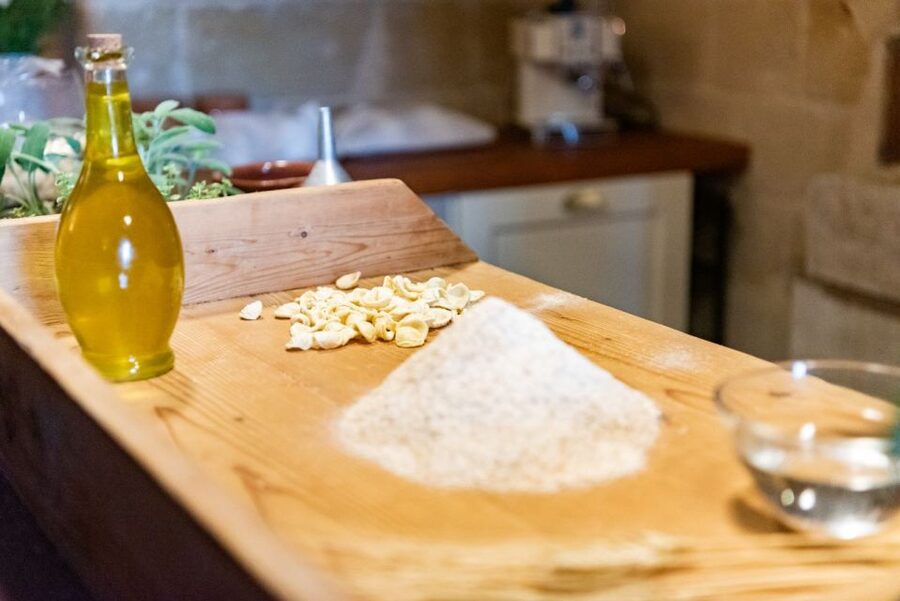
Matera’s Sassi are not a backdrop. They’re the point. This class puts you inside a cave space that was used like a home kitchen, and it changes how you experience food. The stone walls cool the room. The cooking sounds are right there with you. You’re not just making dinner; you’re stepping into how families used to live and eat.
What I liked most is the way the experience blends three things that don’t always mix well in tours: local history, practical cooking, and a proper meal. The hosts—Lorenzo and Chef Cosmo come up again and again in people’s accounts—explain the culture around the dishes as they cook. You leave knowing more than technique. You understand why certain ingredients and shapes mattered in this region.
You can also read our reviews of more tours and experiences in Matera.
Finding Recinto Santa Maria and Your Cave Entrance
The whole experience starts at Recinto Santa Maria, 8. You’ll meet at the cave where it happens—look for an arch and a big green door. If you’re navigating on your phone, search Cava Marlò. That should get you close enough to locate the right entrance.
This matters because Matera can feel like a maze. You don’t want to waste your class time hunting for the right door while the group is already inside. I’d arrive a few minutes early and double-check you’ve got the correct landmark, then just follow the group once you see it.
Also note the ending: the activity finishes back at the meeting point. So you’re not left scrambling for transport right after you eat. You can take your time walking back through the Sassi afterward.
The 20-Minute Sassi Tour: Getting Oriented Fast
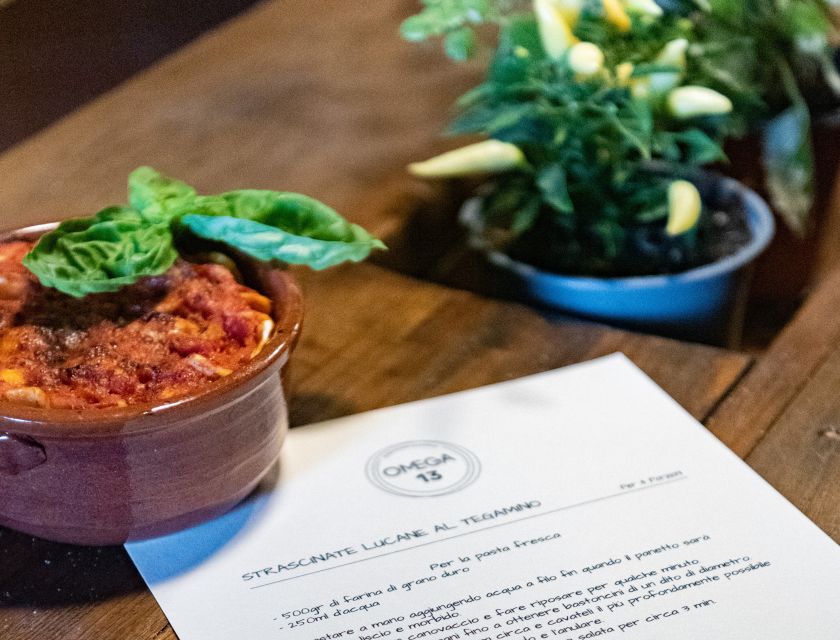
Before you start rolling dough, you get a short guided stretch—about 20 minutes—at a Sassi di Matera location. This stop isn’t long. It’s meant to do one job: help you understand where you are and why the caves shaped daily life.
You’ll also get a tour of a traditional ex-wine cellar as part of the overall experience. Think of it as context. When you learn pasta in a cave that once served another role, it suddenly makes sense that locals cooked with what they had, where they had it.
From a practical standpoint, this short orientation helps you relax. You’re not trying to translate the whole city at once while your hands are floury later on.
Cooking in a Former Wine Cellar: What You’ll Do With Your Hands
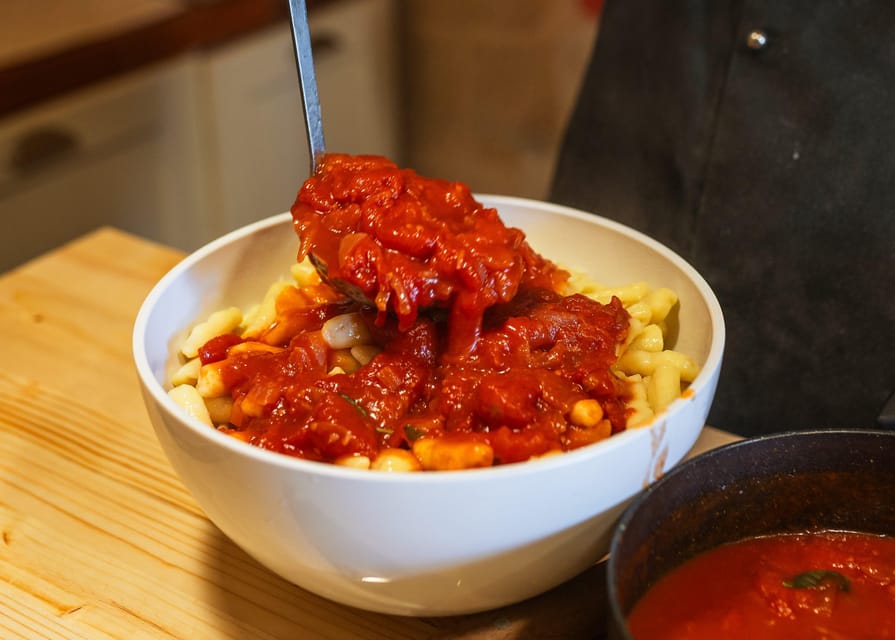
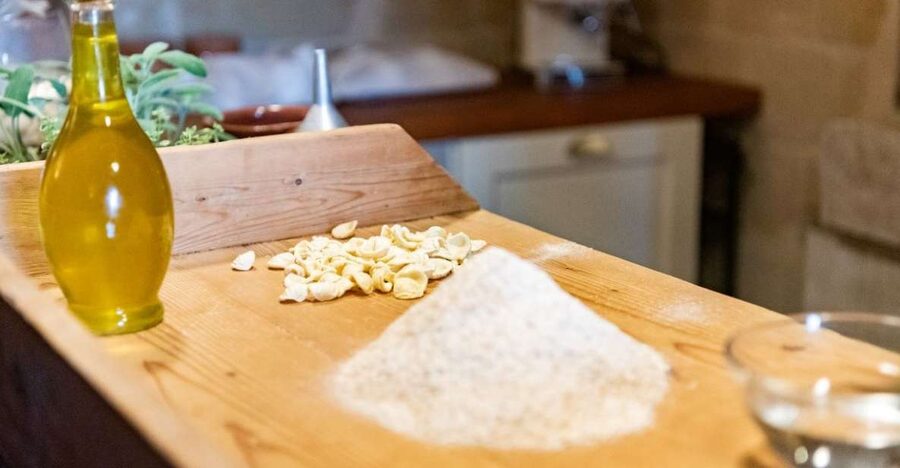
Now comes the part most people come for: the pasta workshop. You’ll work in the Sassi cooking space, guided by the chefs/instructors. Expect real hands-on time—kneading dough, shaping pasta, and learning how to make the dishes you’ll eat.
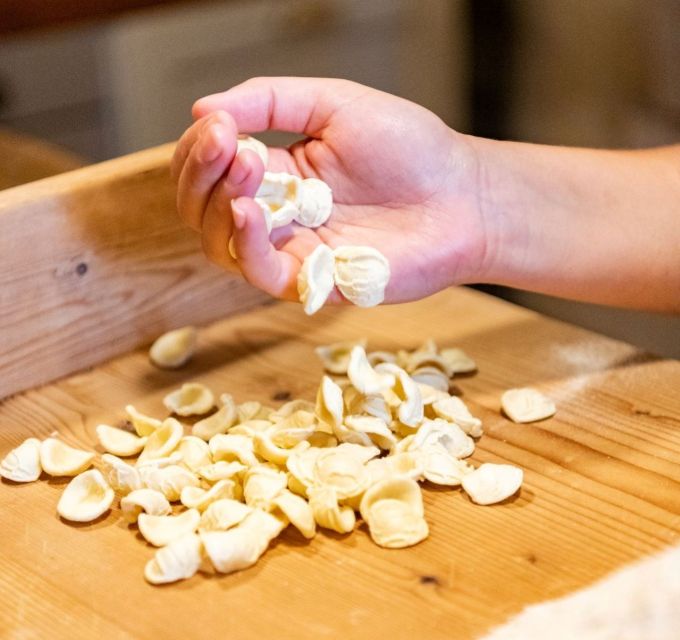
The experience is built around fresh pasta, not a shortcut meal kit. People highlight how much they enjoyed the kneading and the shaping step. That’s the skill that makes homemade pasta feel satisfying rather than fiddly. It’s also the step you can actually repeat later.
Chef guidance is key here because every kitchen has its own rhythm. With a small group—limited to 8—you’re more likely to get corrections when your dough texture is off or when your shape needs adjusting.
One more detail that matters: the setting stays cool compared to outside summer heat. A cave is a natural environment for dough. Your hands might still get warm, but you’re not wrestling the dough while your kitchen sweats.
Bruschetta and Strascinate al Tegamino: The Meal You Make
This class teaches specific dishes from the region. According to the experience highlights, you’ll learn Bruschetta and Strascinate al tegamino.
Bruschetta usually means simple ingredients done well. In this kind of class, it’s not about fancy plating. It’s about the basics: bread, tomatoes, and the kinds of flavors that fit Southern Italian table life. You’re likely to get a sense of ingredient balance and how to build flavor without overcomplicating it.
Then there’s Strascinate al tegamino, a pasta dish tied to Matera’s food culture. People repeatedly mention learning how to shape pasta and producing those pasta pieces during the workshop. That’s your takeaway: the class gives you the mechanics of making the pasta, not just the final plate.
You’ll also get to taste what you make. That’s underrated value. A lot of cooking classes teach you technique but don’t fully let you appreciate the final results in the same setting. Here, the cave lunch experience keeps the pacing human—cook, pause, eat, talk.
The Farmer-Lunch Break: Photos, Stories, and Food Tasting
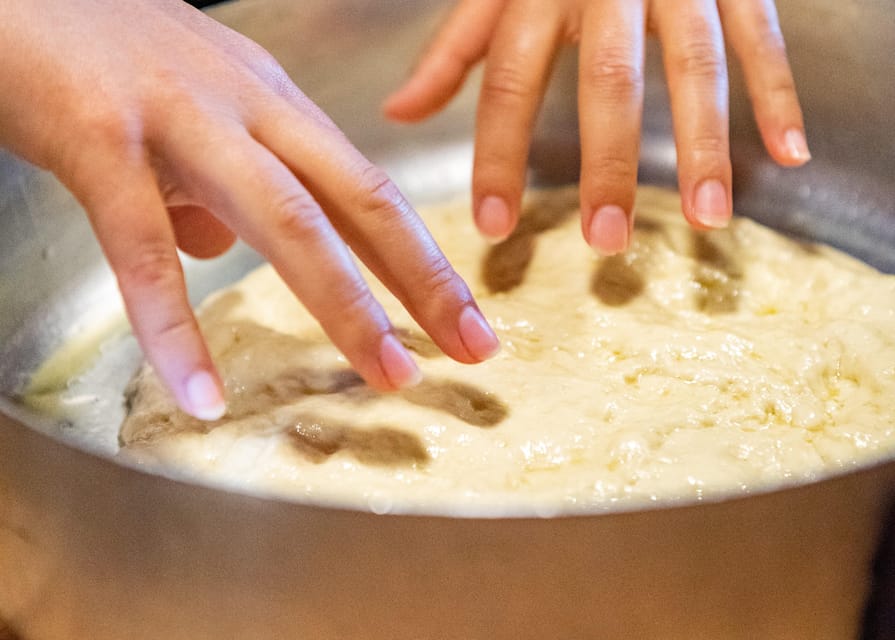
Between the cooking and the eating, you’ll have a break time with a photo stop (around 10 minutes). It’s short, but it gives you a breather. In a cave setting, that break also helps your brain switch from cooking mode to eating mode.
After that, you’ll spend about an hour on food tasting—regional food served as part of the overall experience. This is where the workshop clicks. You’re not just learning the steps; you’re getting the full flavor payoff that those steps create.
You’ll be in a cave environment during this part too, which adds a feeling that’s hard to fake. Food in caves doesn’t feel like restaurant food. It feels like family food that happens to be taught to you.
If you like tours that include more than one “course moment” (rather than a quick sample and you’re out the door), this format works well. The long tasting stretch makes it more like a real lunch with conversation.
Price and Value: Is $80.55 Worth It?
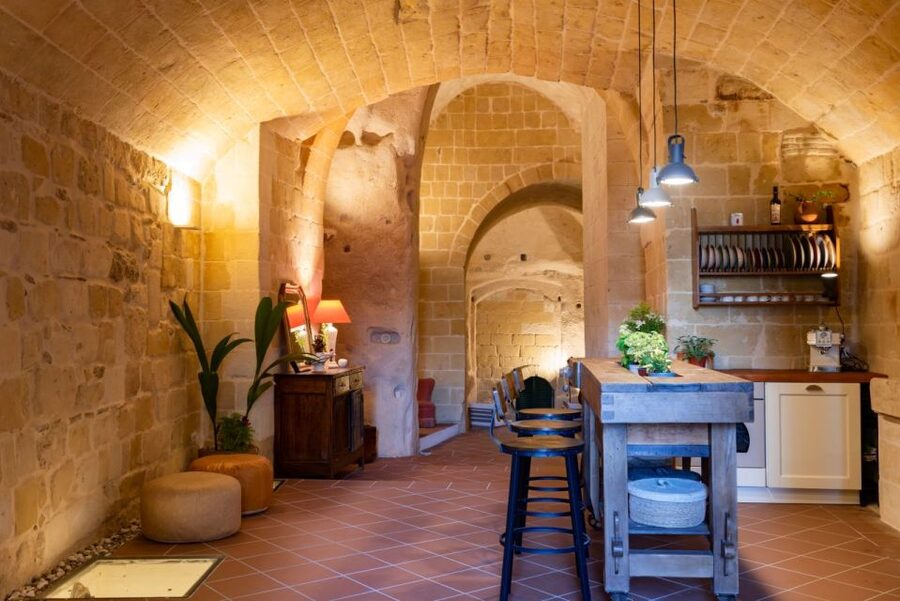
$80.55 for about 3 hours is not the cheapest thing you can book in Matera. But when you look at what’s included, the price starts to make sense.
Here’s what you’re getting in the package:
- A guided tour component (including a traditional ex-wine cellar tour and local anecdotes)
- Time in the Sassi Hypogeum area as part of the experience
- The fresh pasta cooking class
- Ancient farmer recipes tied to how dishes were made
- Food tasting of regional dishes
- A small group setup (limited to 8)
This matters because most “cheap” food experiences in popular cities end up being one activity with one meal sample. This one folds history + hands-on cooking + an actual tasting meal into a single block. For the time, it’s closer to paying for a morning/early afternoon with locals than paying for a quick cooking demo.
Also: $80.55 feels more reasonable when you consider you’re learning how to cook something you can recreate later—fresh pasta—plus you get recipes and techniques you can adapt at home.
What Group Size Really Changes (and Why It’s Not a Small Detail)
Small group is one of those phrases that can mean nothing. Here it doesn’t.
When the group is capped at 8, you’re more likely to:
- hear instructions clearly over the noise of cooking
- get hands-on guidance while you knead and shape
- ask questions without the host rushing you
- stay engaged, because your turn to work comes faster
People also describe the hosts as warm and entertaining, with a “like going to someone’s house” vibe. That’s not just personality—it’s how the class stays enjoyable rather than stressful. In cooking, patience is part of the ingredient list.
Language Options: English, Italian, Spanish
The instructor support includes English, Italian, and Spanish. That’s a big deal in a place like Matera, where you might still hear plenty of local language in and around the Sassi.
If you’re relying on English for explanations, you’ll generally be fine. The experience is designed for multi-language groups, and the cooking steps are visual as well. So even if you miss one phrase, you can usually catch up through the action.
Who Should Book This Matera Pasta Class
This works best if you:
- want an authentic-feeling food experience inside the Sassi (not just a museum stop)
- like hands-on cooking with direct guidance
- enjoy regional dishes and want the cultural context for why they’re made this way
- prefer small groups so you’re not stuck watching
It’s also a good choice if you’re spending a short time in Matera and want your afternoon to include both a local story and a skill you’ll remember.
Who Should Skip It
The clearest mismatch is food needs: it’s not suitable for gluten intolerance.
If you have gluten restrictions, don’t assume a workaround will be easy here. Use the information provided and look for an alternative class that explicitly supports your dietary needs.
Should You Book This Pasta Workshop in Matera?
Yes, if you want more than a tasting and you like learning while you eat. The biggest reason to book is the combination: fresh pasta skills plus a farmer-style lunch in an actual Sassi cave setting, guided by local hosts like Lorenzo and Chef Cosmo.
Skip it only if gluten intolerance affects you, or if you prefer purely restaurant-style dining with zero cooking involved. Otherwise, this is the kind of experience you’ll talk about because you’ll leave with food knowledge you can actually use.
FAQ
How long is the Matera pasta cooking class?
It lasts about 3 hours. Starting times vary, so you’ll want to check availability.
What does it cost per person?
The price is $80.55 per person.
How big is the group?
It’s a small group limited to 8 participants.
What languages are offered?
The instructor offers English, Italian, and Spanish.
What dishes will I learn to make?
You’ll learn Bruschetta and Strascinate al tegamino, along with a fresh pasta workshop.
Where do I meet for the class?
Meet at Recinto Santa Maria, 8. Look for an arch and a big green door (you can also search Cava Marlò on maps).
Is it suitable for gluten intolerance?
No. It’s not suitable for people with gluten intolerance.