REVIEW · NHA TRANG
Nha Trang Cooking Class (visiting local market & countryside)
Book on Viator →Operated by Vietnam Real Travel · Bookable on Viator
A market-first cooking day in Nha Trang. You start with real local food stops, like a coconut story and a pho noodle workshop, then finish at Viet Garden with a guided cooking lesson and lunch. It’s the kind of outing that turns Vietnamese cuisine from something you order into something you understand.
I love that you learn by seeing ingredients get made and handled before you cook with them. You also get hands-on guidance while Dat teaches you how to put three classic dishes together, then you eat what you make.
One thing to watch: the schedule can feel time-tight in the countryside, and if your start time is delayed or unclear (cruise ship tender timing has caused confusion for some), cooking time can feel rushed and less hands-on than you expected.
In This Review
- Key highlights
- How the day feels: market, countryside, then Chef Dat’s kitchen
- Nha Trang stops that make the cooking lesson click
- Coconut place: the palm tree as a whole-food system
- The noodle factory for pho noodles: watch rice turn into a staple
- Market time: shopping like you’re cooking at home
- Garden and local home moments that go beyond the stove
- Vegetable and herb garden: learn what cooks with what
- Coffee tasting: a small break with a cultural anchor
- At Viet Garden with Chef Dat: making 3 Vietnamese dishes
- Are you actually cooking, or mostly watching?
- Vegetarian options: possible with notice
- The teaching style: Dat’s focus on culture, not just recipes
- What you eat and drink: lunch included, plus local beer
- Private vs small-group reality: pickup convenience and attention level
- Price and value: what $66.67 really includes
- Getting there: meeting point, pickup, and timing sanity checks
- Who should book this cooking class (and who might skip it)
- Should you book this Nha Trang Cooking Class?
- FAQ
- How long is the Nha Trang cooking class experience?
- Is hotel pickup and drop-off included?
- What’s included in the cooking class?
- How many dishes will I cook?
- Do you visit a market and a noodle factory?
- Is there coffee tasting?
- What dietary options are available?
- Should you book this Nha Trang Cooking Class?
Key highlights
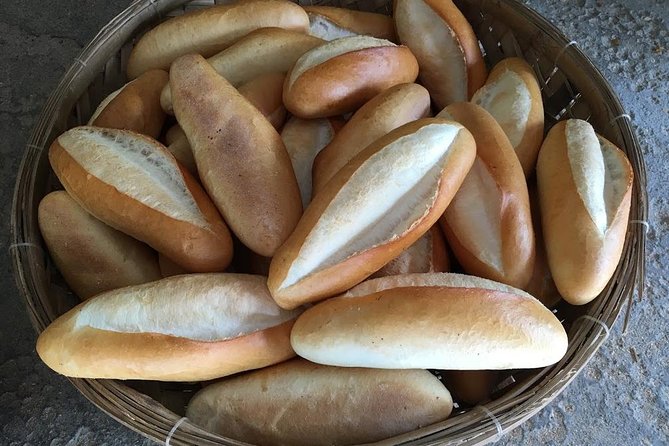
- Hotel pickup plus countryside routing so you’re not figuring out rides all day
- Market shopping for your exact ingredients, not generic tourist baskets
- Coconut processing and coconut juice tasting as a real food-to-products lesson
- Pho noodle factory visit to understand how rice noodles are made
- Coffee tasting in a local setting
- Cook 3 Vietnamese dishes at Viet Garden and eat lunch on-site
How the day feels: market, countryside, then Chef Dat’s kitchen
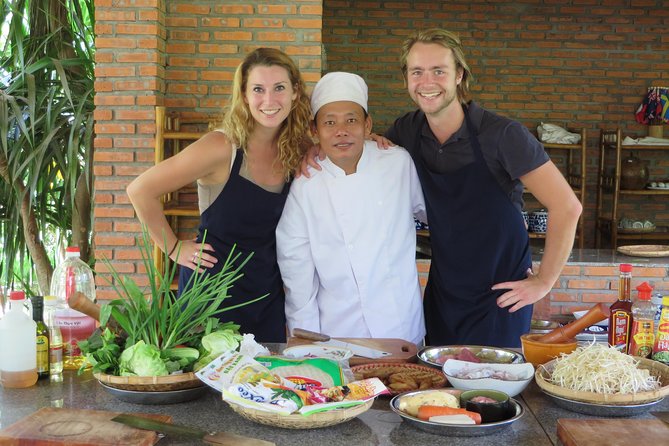
This is a 6-hour circuit that starts in town and gradually moves outward into the everyday food world around Nha Trang. You’ll visit a market for shopping, then see noodle production and local gardening, before you reach Chef Dat’s cooking place, Viet Garden, for the actual lesson.
The big win is the pacing. You get to ask better questions at the stove because you’ve already handled the ingredients at the source. And because this is private, your instructor has more room to steer you through techniques instead of talking over a large group.
Nha Trang stops that make the cooking lesson click
The itinerary follows a smart logic: find ingredients, understand them, then cook with them. You’re taken from your hotel (pickup is offered) into the heartland of Nha Trang for a sequence of food-related visits.
Here’s what that usually looks like in practice: coconut processing first, then a noodle factory stop, then market browsing and ingredient selection. After that, you head into the garden and local family-style coffee time, and only then you get to the kitchen for your dishes.
Coconut place: the palm tree as a whole-food system
At the coconut stop, you don’t just drink coconut juice and move on. You learn how coconuts are processed into different products, which is a clever way to understand Vietnamese cooking flavors that rely on every part of the coconut.
If you like food that tastes like it has a backstory, this is for you. Coconut shows up in drinks, desserts, and savory dishes, and the processing lesson helps you see why the texture and aroma vary from product to product.
Practical note: bring your curiosity and small questions. If you’re the type who likes to learn what something is made from (and why it matters), you’ll get a lot out of this stop.
The noodle factory for pho noodles: watch rice turn into a staple
One of the most memorable parts of this day is seeing how rice noodles are made by local producers. Vietnamese meals run on noodles, and pho is the poster child, but this stop makes the whole system feel tangible instead of mysterious.
You’ll see how the noodle process works before you ever taste noodles in a bowl. That’s valuable because noodle texture is a huge part of Vietnamese flavor: thickness, chew, and how noodles hold broth all come down to production and handling.
Market time: shopping like you’re cooking at home
The market visit is where you get to practice thinking like a cook. You’re shopping ingredients for the dishes you’ll make later, so you’ll start recognizing herbs, vegetables, and pantry items as cooking components—not just things to photograph.
This is also one of the easiest places to get your money’s worth in a cooking class. When you can point to what goes into your dish, you remember the flavors later when you cook again.
Tips that help: go slow, ask what something tastes like before you buy, and take quick notes on what you choose. Even if you don’t buy everything for the same dish at home, you’ll learn what ingredient families work together.
Garden and local home moments that go beyond the stove
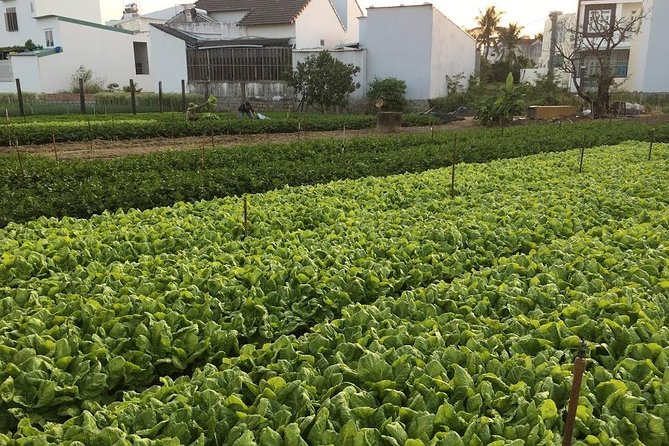
After the market and production stops, the day keeps widening your perspective with a vegetable and herb garden visit plus coffee tasting.
Vegetable and herb garden: learn what cooks with what
Vietnamese cooking leans heavily on fresh herbs. In many classes, herbs get chopped quickly and forgotten. In this one, you actually see the garden side of the ingredients, which helps you understand why herbs are chosen and used in specific ways.
If you’re planning meals in Vietnam (or trying to recreate them later), this is the part that helps you get the herb combinations right. It’s also useful if you’re picky about freshness, because you’ll learn what “fresh” means in local terms.
Coffee tasting: a small break with a cultural anchor
Coffee tasting is part of the experience, and it adds a calm pause between busy food stops and the cooking lesson. One nice detail from the day’s reports is that it can happen in a local home setting, which gives the coffee moment more meaning than a random café stop.
If you’re traveling to Nha Trang mainly for food, this pacing matters. You’re not stuffed with constant shopping. You’re given breathing space to absorb what you just learned.
At Viet Garden with Chef Dat: making 3 Vietnamese dishes
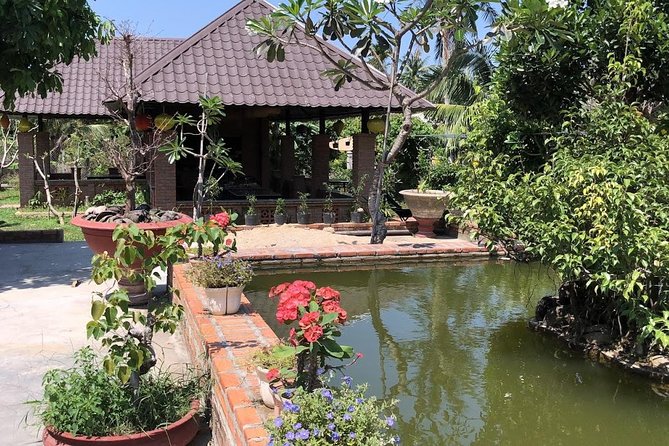
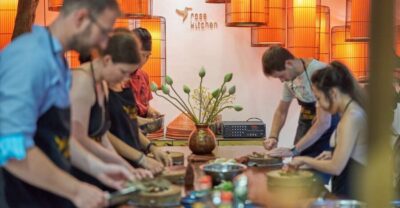
The cooking portion happens at Chef Dat’s place, Viet Garden. You learn to cook 03 authentic Vietnamese dishes and then eat what you make. Lunch is included, and the day also includes local beer or water.
The best way to think about this lesson: it’s not just a demonstration. You’re guided through techniques, ingredient use, and how flavors balance on the plate. And because the tour is built around the earlier ingredient stops, you understand what each ingredient is doing.
Are you actually cooking, or mostly watching?
From the experience details, you’ll be learning and preparing dishes. Still, the hands-on feel can vary based on group flow and timing.
One point to keep in mind: a review noted that in a different context, some participants monopolized prep tasks and cooking felt rushed. So if hands-on time is your top priority, arrive with the mindset of asking where you should help, and don’t be shy about requesting a chance to do the key steps.
Vegetarian options: possible with notice
If you’re vegetarian, this tour can work. One report specifically mentioned the chef being great for vegetarians, which suggests the class can adapt when you communicate needs. When booking, flag dietary preferences early so the team can plan your dishes.
The teaching style: Dat’s focus on culture, not just recipes
Dat is the name you’ll hear most in this experience, and his teaching approach shows up repeatedly: he explains local history and culture alongside cooking. You’ll get more than a list of ingredients—you’ll get meaning.
That cultural framing matters because Vietnamese dishes often rely on regional ingredient logic and everyday routines. When you learn why something is used, you’re more likely to remember how to cook it well.
What you eat and drink: lunch included, plus local beer
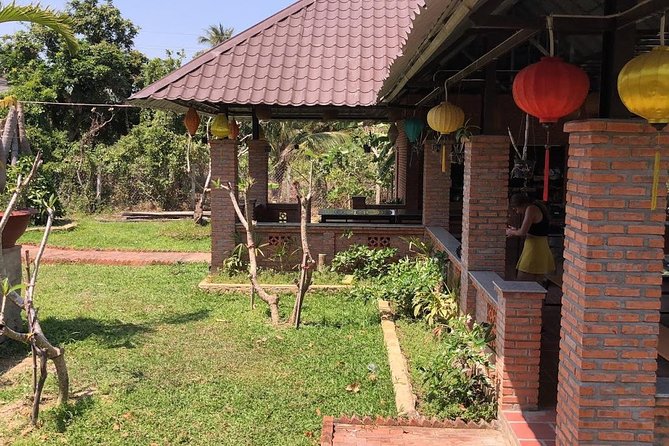
You’ll eat the dishes you cook at the end of the class portion. Lunch is included, and you’ll have local beer or water as part of the meal.
For many cooking classes, lunch is basically an afterthought. Here, lunch is the payoff of the whole day. You’ve already seen the ingredients, and now you get to taste how your choices and techniques translate into a finished plate.
Private vs small-group reality: pickup convenience and attention level
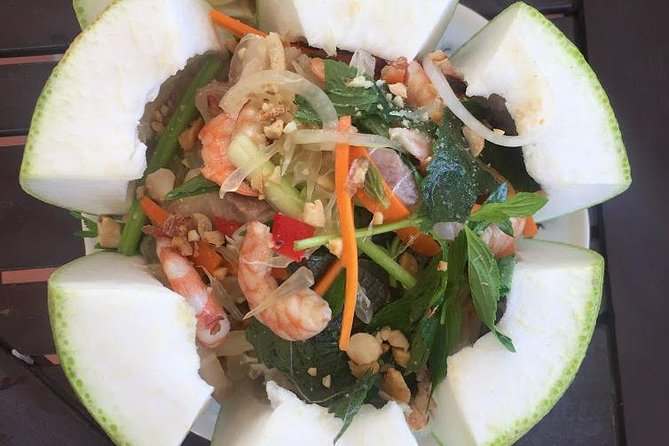
This experience is described as private, and many reports highlight excellent care from Dat from hotel pickup through drop-off. Still, the operator can run in different formats depending on where you’re starting from and how groups line up during the day.
Also, there’s a limit of up to 20 travelers. That number isn’t huge, but it’s also not just a two-person class for everyone. The practical takeaway: you should still expect good attention, yet if you want maximum individual time on the stove, focus on participating actively during prep steps.
Price and value: what $66.67 really includes
At $66.67 per person, you’re paying for a lot more than a kitchen lesson. The day includes:
- transfers (pickup and return are part of the experience flow)
- ingredients for the dishes
- visits tied directly to the ingredients (market, coconut place, noodle factory, garden)
- coffee tasting
- lunch, plus local beer or water
That bundle is why the value can feel strong. You’re effectively getting a food-focused day out plus the cooking lesson you’d otherwise do separately. If you’re staying in Nha Trang and want a single activity that ties culture to flavor, this price can make sense.
Getting there: meeting point, pickup, and timing sanity checks
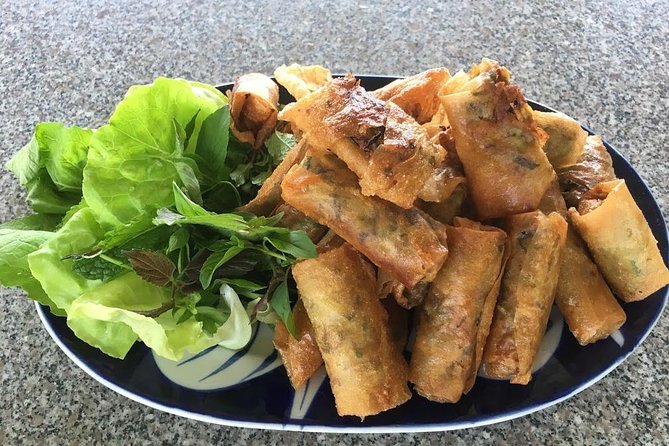
The experience starts at the Same Same But Different location at 107 Hùng Vương, Lộc Thọ, Nha Trang. Pickup is offered from your hotel or meeting point, and the tour returns you to that start point area.
The day length is about 6 hours, and there are operating windows listed: 9:00 AM to 3:00 PM, and 4:00 PM to 8:00 PM. If you’re on a cruise, treat timing as your responsibility. One review described confusion caused by different tender schedules, so confirm your exact pickup time the day of.
A small mindset shift helps: plan to move with the day’s rhythm, not against it. If you know the schedule is structured to fit countryside stops, you won’t be surprised if the cooking portion feels less slow than you hoped.
Who should book this cooking class (and who might skip it)
Book this if you want a Nha Trang food day that’s more than recipes. It’s especially good for:
- food-first travelers who like markets and ingredient stories
- families who want a structured day with variety (market, garden, cooking)
- vegetarians or people with dietary needs who want to ask for adaptations
- anyone who appreciates a guide with a narrative, like Dat’s culture-and-history approach
Skip it if you want a purely relaxed cooking workshop where you control pace end-to-end. Because the day includes several ingredient stops and countryside time, it can feel time-tight if you’re expecting a slow, uninterrupted kitchen session.
Should you book this Nha Trang Cooking Class?
If your goal is to understand Vietnamese flavors instead of just collecting dishes to copy later, I’d say yes. The market-first structure, the coconut and pho noodle production stops, the garden visit, and the cooking at Chef Dat’s Viet Garden all point to one thing: you learn by seeing, tasting, and then cooking.
One last check before you book: if your schedule is fragile (cruise tender timing, tight transfers), confirm your pickup time clearly. If you do that, you’ll be set up for the best part of the day: cooking three classics with ingredients you actually watched being selected and made.
FAQ
How long is the Nha Trang cooking class experience?
The experience is listed as approximately 6 hours.
Is hotel pickup and drop-off included?
Yes. Pickup is offered from your hotel or meeting point, and the activity ends back at the meeting point.
What’s included in the cooking class?
The tour includes transfers, ingredients, lunch, and a local beer or water during the meal.
How many dishes will I cook?
You will cook 03 authentic Vietnamese dishes.
Do you visit a market and a noodle factory?
Yes. The day includes a local market visit and a noodle factory visit to learn how pho noodles are made.
Is there coffee tasting?
Yes. Coffee tasting is part of the experience.
What dietary options are available?
The experience includes dishes cooked during the class, and one review mentioned the chef was great for vegetarians. If you need vegetarian options, tell the operator when booking so they can plan accordingly.
Should you book this Nha Trang Cooking Class?
If you’re after a food day with real local context—market shopping, coconut and pho noodle making, herb gardening, coffee tasting, and then a guided cooking lesson—this is a strong match. Just confirm your exact start time if your schedule depends on cruise tenders or multiple connections, so you can enjoy the cooking part at the pace you’re hoping for.