REVIEW · CHIANG MAI
Half Day Evening Cooking Class with Market Tour in Chiang Mai
Book on Viator →Operated by Yummy Tasty Thai Cooking School · Bookable on Viator
A market first, then real cooking. This half-day Chiang Mai class pairs a Kad Kom Market ingredient hunt with hands-on cooking of northern Thai dishes, guided in plain English. It’s built for people who want more than recipes on paper, plus the kind of local food tips you’ll actually use for the rest of your trip.
I especially like two things: first, you start by shopping the ingredients at the market, so you learn what matters and why. Second, the cooking portion feels personal because the group stays small (up to 10) and you can pick what you want to make, with instructors adjusting for comfort and spice level.
One thing to plan for: the start time is 3:30 pm, and you will eat what you cook. If you go in too full, the best part can feel like a chore instead of a payoff.
In This Review
- Key things I’d watch for
- Timing, Pickup, and the Small-Group Advantage in Chiang Mai
- Where you meet
- Kad Kom Market: Buying Northern Thai Ingredients With a Real Purpose
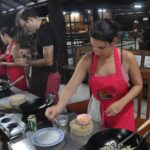
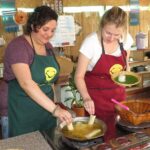
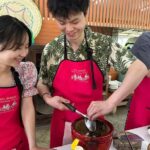
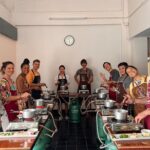
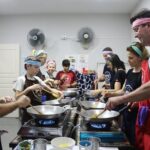
- The Kitchen Setup: Hands-on Cooking in an English-Led, Friendly Environment
- Meet the instructors you might work with
- Cooking while others cook
- Choosing Your Menu: Why Picking Dishes Makes the Class Better
- Spice Level and Success Tips: What to Do If You’re Not Sure About Heat
- What You’ll Eat: Multiple Dishes and the Built-in Enjoyment Factor
- Price and Value: Why $29.34 Can Make Sense for Chiang Mai
- Who This Cooking Class Fits Best (and Who Might Want Another Option)
- Practical Tips Before You Book (So You Enjoy Every Step)
- Should You Book Half Day Evening Cooking With Market Tour in Chiang Mai?
- FAQ
- What time does the cooking class start?
- How long is the experience?
- Where does the tour begin and end?
- Is hotel pickup offered?
- How many people are in the group?
- Do you visit a market before cooking?
- Is the class taught in English?
- Can you choose what dishes you cook?
- Is there a cancellation option?
Key things I’d watch for
- Kad Kom Market shopping that turns ingredients into a lesson, not a photo stop
- Small group size (max 10) so you get coaching instead of waiting your turn
- Pick-your-menu cooking so the dishes match your tastes
- English instruction with friendly, patient guidance while you cook
- Spice adjustments on the spot so you can actually finish the dishes you’re making
Timing, Pickup, and the Small-Group Advantage in Chiang Mai

This is the kind of tour that fits well when you want one strong food experience without losing your whole day. You start at 3:30 pm and spend about four hours total, then you’re back at the meeting point. Because it’s late afternoon into evening, it also lines up nicely if your daytime sightseeing is already booked.
Hotel pickup is offered, which matters in Chiang Mai. Meeting points can be a pain when you’re juggling maps, traffic, and heat. When pickup is arranged, you can relax and focus on arriving hungry.
What makes this tour feel different is the group size: it caps at 10 travelers. In practice, that usually means you’re cooking alongside the group rather than watching a demonstration. One solo guest in particular said it felt easy to join even with couples in the group, which is what you want for a class like this.
You can also read our reviews of more tours and experiences in Chiang Mai.

Where you meet
Your start point is Kad Kom Market (the address listed is บ้านเลขที่19 3มบ เวียงทอง 1 Tambon Chang Khlan, อ.เมือง Chang Wat Chiang Mai 50100, Thailand). If you’re not using pickup, it’s useful to know you’ll start at the market itself.
Kad Kom Market: Buying Northern Thai Ingredients With a Real Purpose
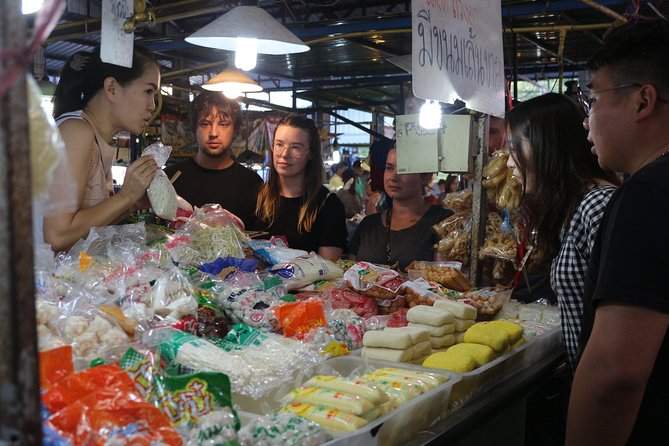
The first stop is Kad Kom Market, and that’s not just a warm-up. The market visit is where your class gains context. Northern Thai cooking has its own identity compared with the rest of Thailand, and the ingredients you select set the direction for your menu and flavors.
Here’s what you’ll get out of the market time:
- You’ll see fresh produce used in Thai cooking and learn how ingredients show up in the final dishes.
- You’ll get the chance to ask questions while you’re actually standing in front of the food.
- You’ll leave with a better nose for what’s fresh, what’s aromatic, and what’s meant to add punch.
From what people consistently highlight, the market part is practical. You’re not just browsing fruit for the fun of it; you’re buying cooking ingredients you’ll handle later. That makes the whole class feel more grounded, especially if you’ve never cooked Thai food before.
A small drawback to consider: market visits take time and you’ll likely walk a bit. Wear comfortable shoes and expect it to be warm. Also, plan your snack strategy carefully, because you’ll be eating later.
The Kitchen Setup: Hands-on Cooking in an English-Led, Friendly Environment
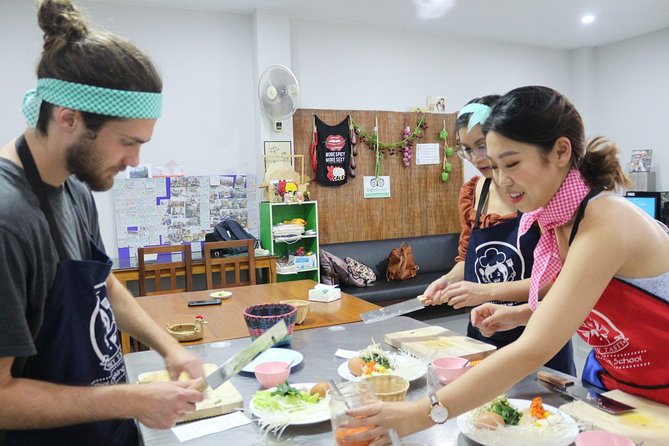
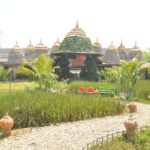
After the market, you’ll head to the cooking location for class. People describe it as an organized, clean space where transitions between courses don’t drag. The setup matters because cooking classes can go two ways: slow, chaotic, and rushed—or clear, calm, and coached.
This class leans toward the second one. In several accounts, instructors keep things moving without making you feel like you’re behind. Staff also handle the background tasks like cleanup and prep between courses, so you can focus on cooking and eating.
Meet the instructors you might work with
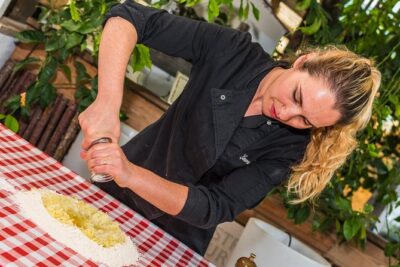
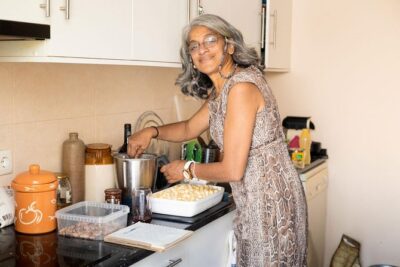
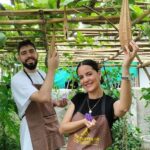
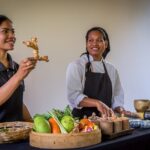
In the feedback, instructors named Sky and Noodle (and also Mango in one case) are praised for clear English and an upbeat teaching style. What you’ll likely care about most is not the name—it’s that the instruction is real-time and focused on technique.



Cooking while others cook
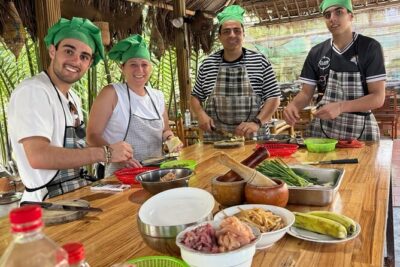
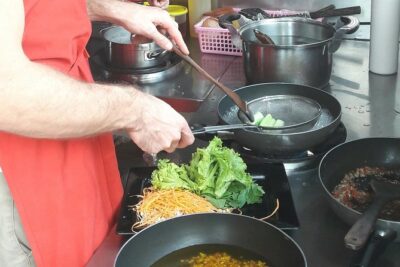
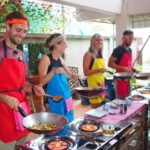
A key part of why this is worth your time: you don’t just cook one dish and wait. The class structure supports multiple dishes at once. People describe being instructed on different items while everyone cooked their chosen menu. It’s a more efficient setup and it keeps the energy up.
And you’re not left alone with a cutting board. Instructors provide coaching while you cook, and they help you adjust how you handle things like spice and pacing.
Choosing Your Menu: Why Picking Dishes Makes the Class Better
One of the strongest selling points here is menu choice. Instead of forcing everyone into the same template, you select dishes from options, and then your ingredients are bought on the trip to the market. That means you’re not paying for someone else’s dinner—you’re paying for yours.
Menu choice does three helpful things:
- You match the food to your tastes (spice level, favorites, and what you want to learn).
- You build confidence faster because you’re cooking dishes you’re excited to eat.
- You get better takeaway value because the class recommendations can be tailored to what you actually cooked.
In accounts of the experience, instructors also make sure everyone successfully completes their dishes. If something goes off track, coaching is part of the plan, not an afterthought.
Also, this class aims to teach technique, not just outcomes. So even if you don’t replicate the exact dish later, you’ll come away with a better feel for flavor building—especially in northern Thai-style cooking.
Spice Level and Success Tips: What to Do If You’re Not Sure About Heat
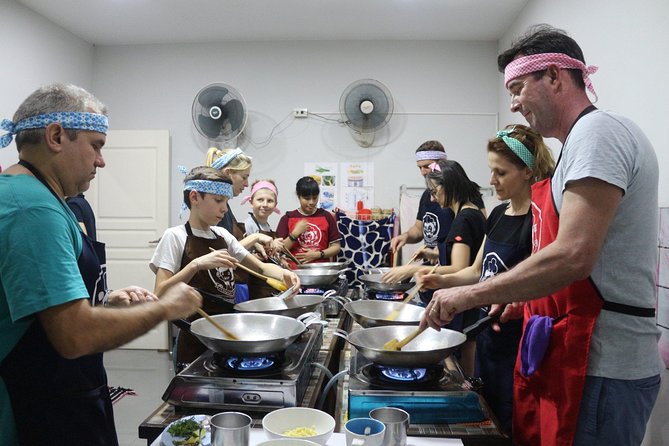
If you’re sensitive to spicy food, this is a big plus. Feedback repeatedly mentions that instructors accommodate spice tolerance, helping you adjust so you can still enjoy the dish you’re making.
That matters because northern Thai flavors often come with heat, tang, and aromatics working together. If you go in assuming everything will be mild, you might miss the point. If you go in expecting it to be extremely hot, you might struggle with comfort while cooking. The coaching here helps you land in the middle.
Practical advice for your own comfort:
- Don’t overeat beforehand. People specifically warn not to have too much food before the class because you’ll be eating what you cook.
- Tell the instructor your spice comfort early, not halfway through.
- Focus on one technique at a time: chopping, mixing, and timing. It’s easier when your attention isn’t split.
What You’ll Eat: Multiple Dishes and the Built-in Enjoyment Factor
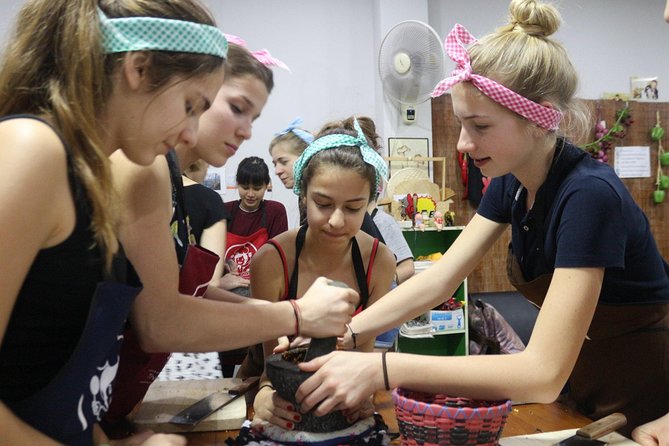
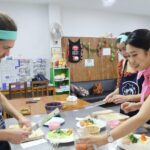
This isn’t a class where you cook one small plate and call it a day. The flow is built around preparing courses and then eating them, with time to sit down and enjoy the results.
What people like most is the rhythm:
- Cook a course
- Eat what you made
- Get guidance for the next item
- Keep going without feeling rushed
Staff support the pace by handling cleanup and setup behind the scenes, so your meal doesn’t turn into a scramble. One family account also mentions kids around ages 9 and 11 doing well, which suggests the class pacing can work for younger cooks when they’re curious and willing to try.
And yes, you should come hungry. That’s not a sales line—it’s practical. You’ll be tasting the dishes you help make, so going in too full can steal your enjoyment.
Price and Value: Why $29.34 Can Make Sense for Chiang Mai
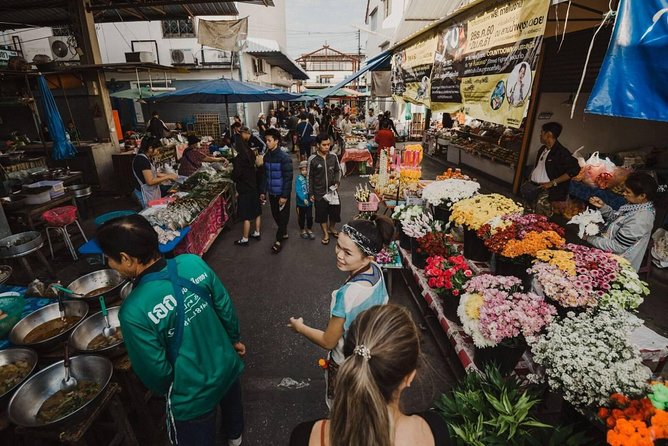
At $29.34 per person, the value comes from what’s included in the experience design. You’re getting:
- Market shopping connected directly to your menu
- Hands-on cooking time with an English-speaking instructor
- A small group setup (max 10)
- Spice accommodation and coaching
- Food you cook and eat during the class
Cooking classes can be expensive when you’re paying mainly for a performance-style demo. Here, you’re paying for participation. Market-to-kitchen learning also adds value because it helps you understand ingredients you’ll see again in Thai restaurants and night markets after the class ends.
There’s also a service-minded vibe. For example, during Songkran traffic, one booking notes they sent a second car to make sure people weren’t late. I wouldn’t count on that happening every time, but it’s a sign the operator takes timing seriously.
Who This Cooking Class Fits Best (and Who Might Want Another Option)
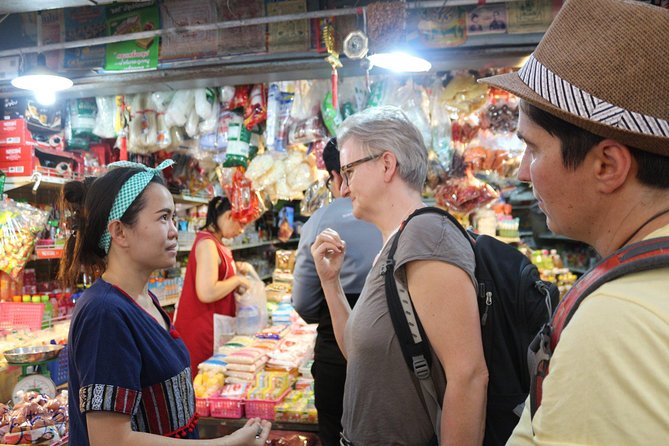
This class is a strong fit if you want:
- A small-group experience that’s social without being crowded
- Northern Thai food specifically, not generic Thai cooking
- A market component so the class connects to real life in Chiang Mai
- Real coaching so you’re not just doing rote steps
It also works well for solo travelers. One guest described joining with about eight other couples and still finding it welcoming and fun. If you like learning through doing, you’ll likely enjoy how interactive the cooking portion is.
Consider a different style of activity if:
- You hate eating what you cook and prefer restaurant meals only
- You’re extremely sensitive to spicy food and don’t want to communicate your preferences at all (the class can adjust, but you still need to speak up)
- You don’t have the energy for a market walk before cooking
Practical Tips Before You Book (So You Enjoy Every Step)
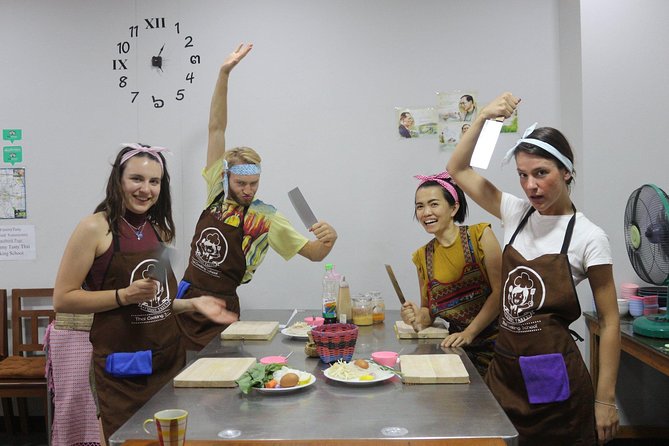
Here’s how to get the most out of your afternoon:
- Come with a light appetite. You’ll cook and then eat, so avoid a big heavy meal beforehand.
- Wear comfortable clothes and shoes for the market time and kitchen work.
- Plan to ask questions at the market. That’s when you’ll get the ingredient explanations that make later cooking easier.
- Tell your instructor your spice range early so they can guide your menu the way you want.
- Decide your favorites before you arrive, if you’re given menu options. Choosing dishes you actually want helps you learn and enjoy more.
If you’re hoping for a flexible schedule, note that it ends back at the meeting point. So it’s best as a standalone food experience rather than something you pair with a tight dinner reservation right afterward.
Should You Book Half Day Evening Cooking With Market Tour in Chiang Mai?
I’d book it if you want a food class that feels practical, not performative. The market-first approach and the ability to choose your menu make it feel personal. The small group size and the English-led coaching help you finish dishes you’re proud to eat.
Skip or reconsider if you’re looking for a purely sightseeing tour with minimal participation. This one is hands-on. You’ll be shopping, cooking, and then eating what you make, so come ready to work a little and taste a lot.
If you can only do one structured food experience in Chiang Mai, this is a solid pick—especially because you’ll leave with recommendations tailored to what you cooked, not just generic “Thailand food basics.”
FAQ
What time does the cooking class start?
It starts at 3:30 pm.
How long is the experience?
The duration is about 4 hours.
Where does the tour begin and end?
It begins at Kad Kom Market and ends back at the meeting point.
Is hotel pickup offered?
Yes, pickup is offered.
How many people are in the group?
The class has a maximum of 10 travelers.
Do you visit a market before cooking?
Yes. You visit Kad Kom Market to buy fresh ingredients.
Is the class taught in English?
Based on the information provided, the class is in English.
Can you choose what dishes you cook?
Yes. You can choose your menu from options provided before cooking.
Is there a cancellation option?
Yes. There is free cancellation up to 24 hours in advance for a full refund.