REVIEW · TRIKUNAMALAYA
Nilaveli: Sri Lankan Cooking Class with a Local Family
Book on GetYourGuide →Operated by PIGEON ISLAND TOURS PVT LTD · Bookable on GetYourGuide
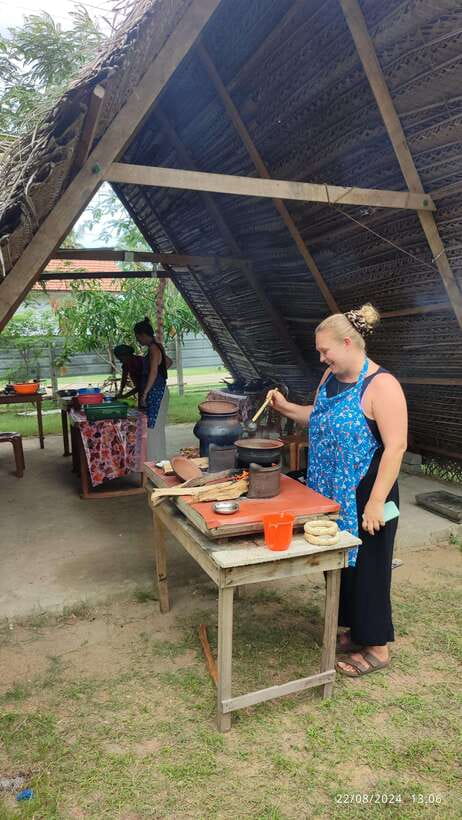
Nothing beats cooking at a real home. I love the chance to learn Sri Lankan basics the way local families do, with wood-fired stoves and a genuinely warm welcome from Nimali Dinushika and her family. You’ll work right alongside them, from spice talk to shaping your own hoppers, then sit down to eat what you made. One thing to consider: fish, chicken, and seafood can cost extra, and there’s no hotel pickup.
This is a 5-hour class in Nilaveli (Eastern Province) for about $22 per person, focused on practical technique, not just sightseeing. It’s a great choice if you want food you can actually recreate later, plus a window into everyday life. Go in with comfortable clothes and a flexible appetite, and you’ll come away with new skills and strong flavors you’ll remember.
In This Review
- Key Highlights You’ll Care About
- A Home-Style Cooking Class That Feels Personal
- Finding the Right Place in Nilaveli (And Why Logistics Matter)
- What You’ll Actually Cook in 5 Hours
- The Wooden Stove Part: Technique, Heat, and Timing
- Curries, Sambols, and the Flavor System
- Hoppers and String Hoppers: Where Your Hands Learn the Dish
- Puttu, Rotti, and Milk Rice: Comfort Food With Real Skill
- Where the Extra Costs Can Come In (Fish, Chicken, Seafood)
- What’s Included (And What You Bring to the Table)
- Who This Cooking Class Is Best For
- Price and Value: $22 for Skills You Can Use
- Quick Guide Before You Go
- Should You Book This Nilaveli Cooking Class?
- FAQ
- What dishes are included in the Nilaveli cooking class?
- How long is the cooking class?
- Are chicken, fish, or seafood included in the price?
- Where do I meet the host?
- What language is the instruction in?
- Is it suitable for people with food allergies or small children?
Key Highlights You’ll Care About
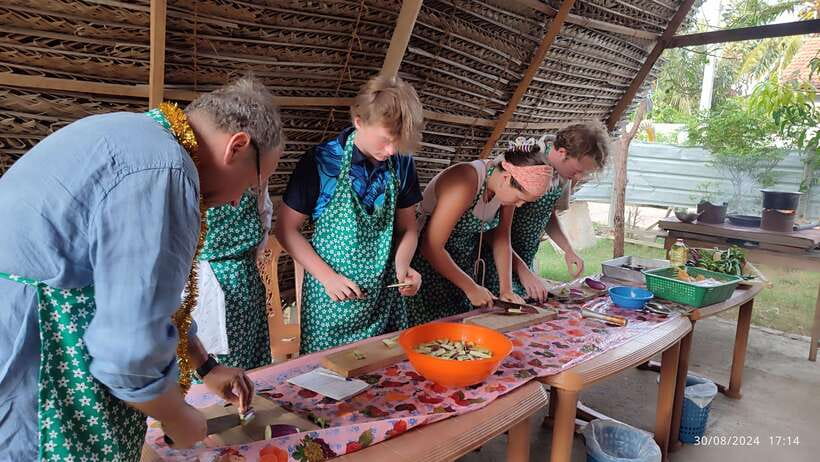
- Meet Nimali Dinushika’s family and learn in their home setting, not a stage kitchen
- Cook on traditional wood stoves and learn the rhythms of real Sri Lankan cooking
- Make a hands-on menu: rice and curry, string hoppers, hoppers, pittu, rotti, milk rice
- Learn curry powder and sweets so you understand the flavor system, not just the final dish
- Plan for extras if you want chicken, fish, or seafood (there are add-on charges)
A Home-Style Cooking Class That Feels Personal
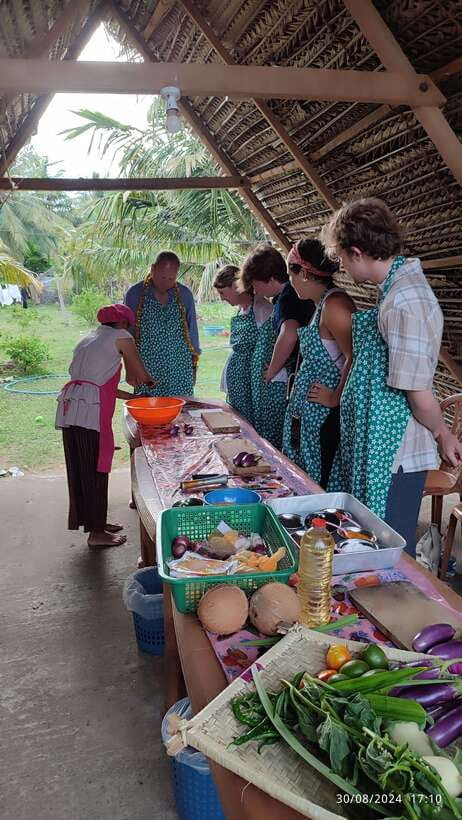
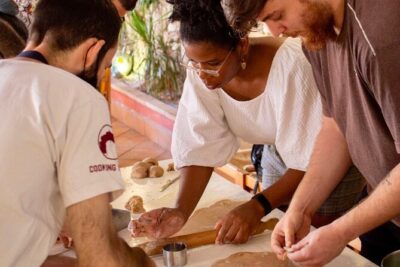
Nilaveli is a quieter corner of Sri Lanka, and this class matches the mood. You’re invited into a local family’s day-to-day cooking space, where meals happen on wood stoves and flavor comes from spices, timing, and technique. It’s not a quick demo. You get your hands involved, you learn the why behind the taste, and you leave with a clearer idea of how Sri Lankan kitchens build flavor step by step.
The host for the session is Nimali Dinushika, and the experience is structured around her family’s real methods. The best part is how fast you stop feeling like a spectator. One moment you’re asking about ingredients; the next you’re cooking rice and curry components, shaping hopper batter, or putting together sambol-style flavors.
The class also leans into variety. You won’t just learn one dish and call it a day. The plan includes several classics, including string hoppers, hoppers, pittu, rotti, and milk rice, plus curry and sweets. If you like food courses that give you usable skills, this one fits.
Finding the Right Place in Nilaveli (And Why Logistics Matter)
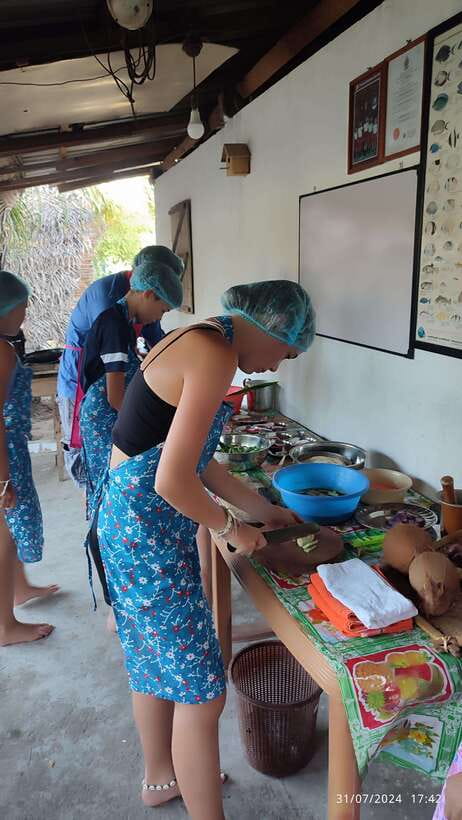
The meeting point is at Pigeon Island Tours, at the same location as The Rice and Curry seafood and The Dive shop. Since hotel pickup drop-off isn’t included, you’ll want to plan your arrival time so you don’t feel rushed. In practice, that means you should confirm your transport (tuk-tuk, taxi, or on foot if you’re nearby) and aim to arrive early enough to settle in.
This matters because the class runs for about 5 hours, and much of it is hands-on. If you’re late, you’ll miss the earliest prep steps that teach the most. If you’re on time, you’ll get the full flow: prep → cook → eat.
Also note the class is conducted in English and Singhalese. That’s helpful for most visitors, but if you have any dietary restrictions or allergies, you should inform the team in advance. The instructions specifically say to share dietary restrictions or allergies ahead of time.
What You’ll Actually Cook in 5 Hours
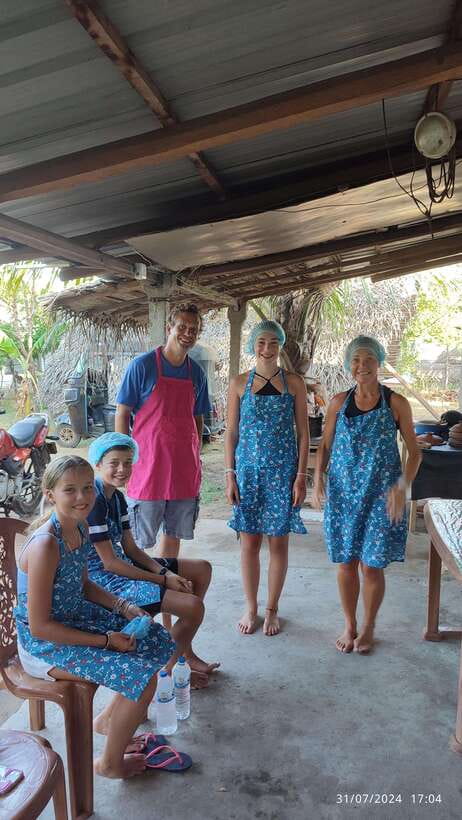
This is a true cooking session with a meal at the end. The menu focus is traditional Sri Lankan home food, and it’s built around rice, curries, hopper-style items, and a dessert finish. Based on what’s described for the class, expect to work with several of these:
- Rice and curry (your main foundation)
- String hoppers (thin, steamed noodle-like rice forms)
- Hoppers (the classic bowl-shaped version)
- Pittu (steamed textured rice preparation)
- Rotti (a flexible flatbread-style component)
- Milk rice (a comforting rice dessert or sweet rice dish)
- Curry powder learning (so you understand the spice logic)
- Sri Lankan sweets (including a traditional dessert mentioned by participants)
Not every class has to look identical, but the emphasis is consistent: you’ll learn a range of dishes that represent everyday Sri Lankan eating, not just one “tourist favorite.” Even better, the course includes ingredients for cooking, recipes, and personal cooking equipment—so you’re not arriving to improvise.
One practical tip: wear comfortable clothes you don’t mind getting a little warm and possibly stained. Wood-stove cooking can be hot and busy, and you’ll be moving between prep and stove work.
The Wooden Stove Part: Technique, Heat, and Timing
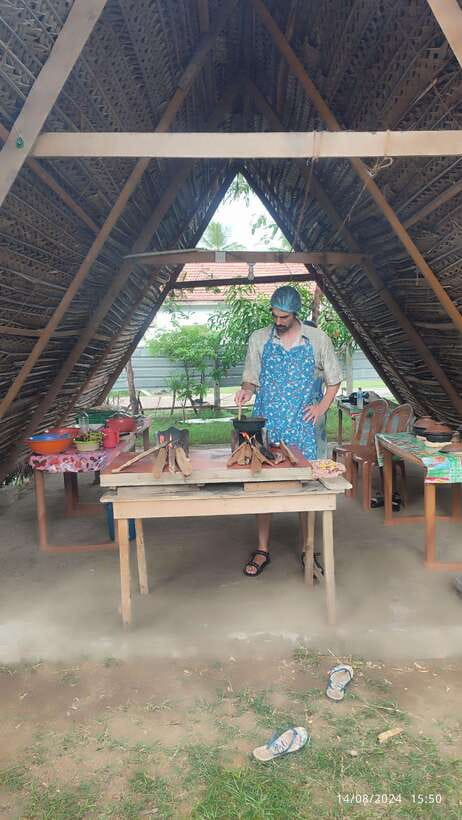
A lot of cooking classes show you the final dish. This one uses the traditional stove setup, including firewood and wood stoves. That sounds simple, but it changes the whole experience.
Wood-stove cooking tends to teach real-time control: how heat behaves, how fast things reduce, and how to adjust while you’re cooking. You’ll see how families manage everyday meals with the equipment they have, and you’ll learn to think in terms of process instead of just following a list of steps.
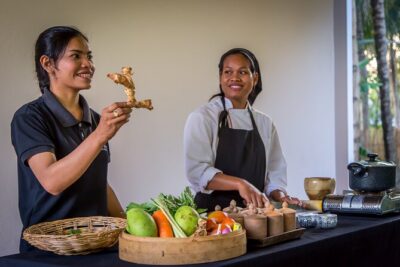
You’ll also learn about ingredients and spices used in Sri Lankan cuisine. The goal isn’t just to memorize names; it’s to connect spice choices to taste outcomes. Since the class includes learning curry powder, you’ll understand the flavor engine behind the dishes you’re making.
And because you’re cooking alongside the family, the explanations tend to come in the moment—what to watch, what to taste, and what changes if you adjust your timing.
Curries, Sambols, and the Flavor System
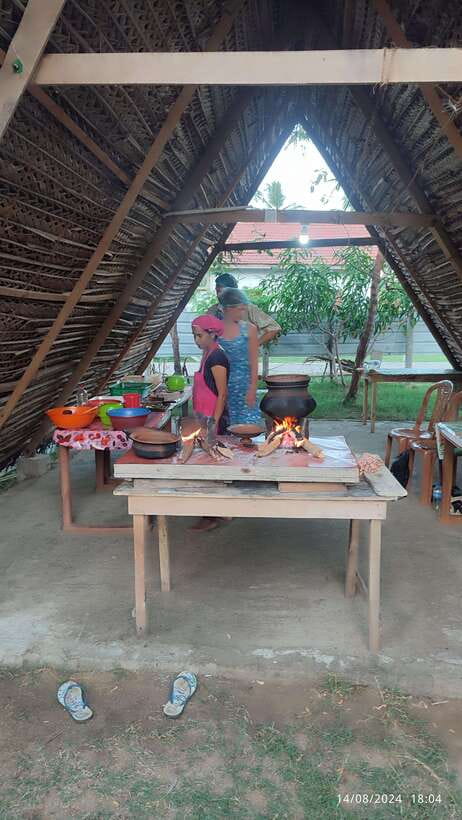
Sri Lankan food can feel intense at first: multiple spices, layers of flavor, and different heat profiles. The value of this class is that it treats curry as a system. You don’t just get a finished plate; you get a clearer sense of how the components work together.
In the cooking process, you’ll be working on curry elements for your rice and curry portion. You’ll also have the chance to make sweets and learn how to build curry flavor with the spice blend. One of the most useful takeaways is learning the logic behind seasoning so you can recreate the feel at home, even if you adjust ingredients for availability.
If you like tasting your way through recipes, this style is satisfying. It teaches you what to look for while cooking. It also encourages you to ask questions—because the people teaching you are cooking for their own family schedules, not for a one-off performance.
Hoppers and String Hoppers: Where Your Hands Learn the Dish
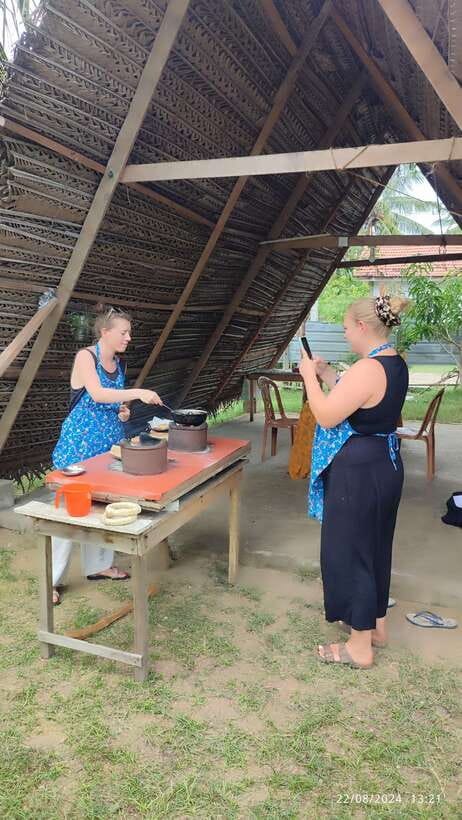
Hoppers and string hoppers are some of the dishes that make Sri Lanka feel instantly distinct. The class includes learning to make both, which is where you get the most hands-on “aha” moments.
- String hoppers are steamed rice noodle-like preparations. You’ll learn how the batter works, what consistency you’re aiming for, and how steaming affects texture.
- Hoppers are related, but shaped differently. You’ll see how batter and cooking method create those classic forms.
If you’ve ever struggled with recipes that depend on batter consistency, you’ll appreciate how this class teaches through doing. You’re not just reading steps—you’re getting feedback as you work.
Participants also mention making sambol-style elements and tasting them with their dessert and tea. Even if you’re not a “spice person,” you’ll usually find a balance that fits your palate once you understand what the spice is doing.
Puttu, Rotti, and Milk Rice: Comfort Food With Real Skill
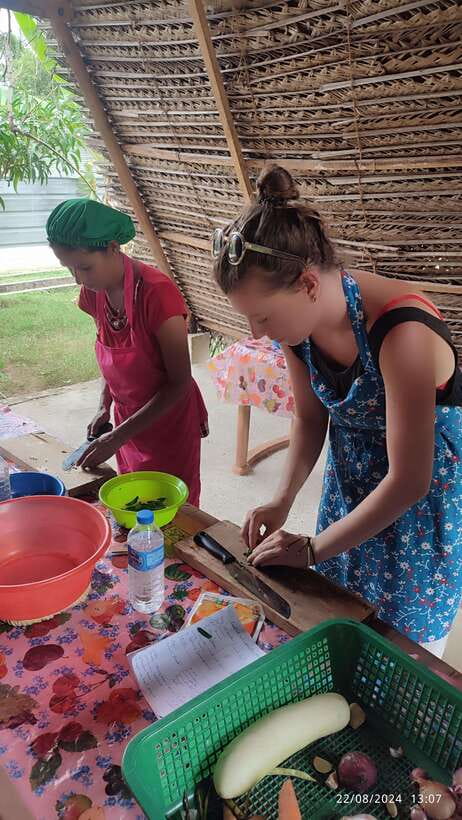
The class doesn’t treat the non-curry dishes as filler. Pittu and rotti require technique. Milk rice adds a sweet finish that shows a different side of Sri Lankan flavors than spicy curries.
Pittu is steamed and texture-driven, so you learn how preparation and steaming interact. Rotti is hands-on in a different way, and it’s the kind of food that can surprise you if you expected it to be simple.
Milk rice is a comforting sweet option. It’s also a nice bridge between savory cooking and dessert, so the class ends on something you actually want to eat slowly.
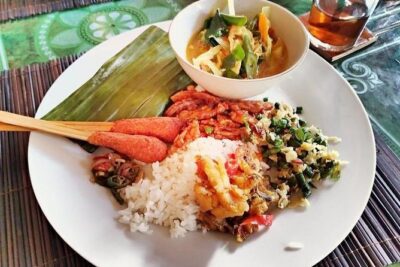
One of the great things about finishing with dessert is that you get to taste what “done” means. With classes that end when the cooking stops, you never learn how the finished meal should feel. Here, you eat what you made.
Where the Extra Costs Can Come In (Fish, Chicken, Seafood)
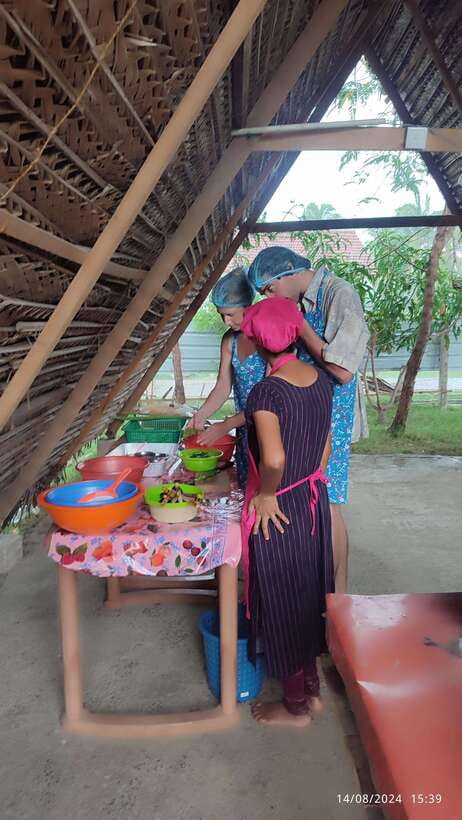
This is one of the most practical things to check before you book: chicken or fish curry have to pay extra per person (2000 LKR), and seafood dishes cost extra depending on what you request.
That doesn’t mean the class isn’t good value. It means you should decide what you actually want to cook. If you’re happy with the included vegetarian or base menu items, the $22 per person price can be a strong deal for a full 5-hour home-cooking session with multiple dishes and meal.
If you want specific seafood or chicken additions, plan for the add-on costs so there are no surprises when you’re hungry and excited about ordering what you want.
What’s Included (And What You Bring to the Table)
Included in the experience:
- Authentic Sri Lankan cooking experience
- Traditional wood stove cooking methods
- Ingredients for cooking
- Recipes for the dishes you make
- Personal cooking equipment
- Water and refreshment
- Dining (you eat your meal)
- Cooking ingredients throughout the session
Not included:
- Hotel pickup drop-off
- Shopping tour
- Extra payments for chicken/fish and seafood, as described
What to bring:
- Hat
- Sunscreen
- Comfortable clothes
Not allowed:
- Pets
- Smoking
- Alcohol and drugs
If you’re traveling in Sri Lanka’s heat, the hat and sunscreen matter more than they sound. Even though the cooking is mostly indoors or semi-outdoors around the kitchen area, you’ll likely spend time moving before and after. Comfort also helps because the cooking style involves attention and pace, not just sitting and watching.
Who This Cooking Class Is Best For
This class fits best if you:
- Want a real home-kitchen experience rather than a restaurant lesson
- Enjoy learning by doing (not only watching)
- Want Sri Lankan staples you can recreate later: curry, curry powder basics, hoppers/string hoppers, pittu, roti, milk rice
- Prefer practical spice and ingredient explanations
It also helps if you travel in small groups. The experience is family-run and personal, and you’ll likely feel like you’re part of the kitchen rhythm rather than a tour group on a schedule.
It may be less ideal if you:
- Have serious food allergies (the info says it’s not suitable for people with food allergies)
- Need a fully sedentary activity (you’ll be working on prep and cooking)
For kids: the class says it’s not suitable for children under 2. There are examples of younger children participating with involvement in cooking and meal time, but you should still confirm suitability based on your child’s needs.
Price and Value: $22 for Skills You Can Use
At $22 per person for about 5 hours, you’re paying for more than a meal. You’re paying for:
- Access to a local family’s kitchen
- Real-time instruction while you cook multiple dishes
- Ingredient handling and recipes you can take away
- The traditional wood stove experience that shapes technique
In other words, you’re buying skills, not just food. And because the menu includes both savory staples and sweets, your takeaway covers a whole range of Sri Lankan cooking.
The main value question is extras. If you plan to order chicken, fish, or seafood additions, the final cost may rise with the add-ons described. If you’re comfortable focusing on the core included menu, you’re more likely to feel like the price is spot-on.
Quick Guide Before You Go
Here’s how to make the class smoother from start to finish.
First, confirm any dietary restrictions or allergies ahead of time, since the instructions specifically ask you to inform the team in advance. Second, come dressed for cooking: comfortable clothes, hat, and sunscreen.
Then go in with a mindset of questions. You’ll learn ingredients and spices, curry powder, and how to make sweets. If you ask about what to taste for at each stage, you’ll leave with a bigger cooking “map,” not just a list of dishes.
Finally, bring patience for the pace. Wood stove cooking isn’t microwave speed. That’s part of why it’s interesting.
Should You Book This Nilaveli Cooking Class?
Book it if you want a hands-on, family-run cooking experience with traditional wood stove technique and a menu that includes rice and curry, hoppers/string hoppers, pittu, roti, and milk rice—plus curry powder and sweets. The $22 price makes sense for the time and the number of dishes, especially if you’re not chasing chicken or seafood add-ons.
Skip or reconsider if you need hotel pickup or a shopping tour included, or if you’re dealing with a food allergy you can’t clearly manage. Also think about whether you can handle extra charges if you specifically want fish, chicken, or seafood.
If you’re the kind of traveler who remembers trips by what you cooked and ate—not just what you photographed—this class is a strong choice for Nilaveli.
FAQ
What dishes are included in the Nilaveli cooking class?
The class focuses on traditional Sri Lankan dishes such as rice and curry, string hoppers, hoppers, pittu, rotti, and milk rice. It also includes learning curry powder and making Sri Lankan sweets.
How long is the cooking class?
The experience runs for about 5 hours.
Are chicken, fish, or seafood included in the price?
Chicken or fish curry has an extra cost of 2000 LKR per person. Seafood dishes also have an additional price depending on what you request.
Where do I meet the host?
You meet at Pigeon Island Tours, at the same location as The Rice and Curry seafood and The Dive shop.
What language is the instruction in?
The class is conducted in English and Singhalese.
Is it suitable for people with food allergies or small children?
The info says it is not suitable for people with food allergies. It is also not suitable for children under 2 years.