REVIEW · AMMAN
Half Day Cooking Class Experience with Amman Panoramic Tour
Book on Viator →Operated by Zaid Tours and Travel · Bookable on Viator
Spices, views, and hands-on cooking in Amman. I really like the small-group feel, where the instructor (for example Wafa, who leads the class) can coach techniques step by step, and I also love that the cooking happens on a terrace with views over old Amman plus soft Arabic music in the background. One thing to plan for: local wine is not automatically included, so if you want it, it’s an extra cost.
After pickup, you’re not sent on a long day of stops. You get an English-speaking driver, an air-conditioned ride, and a short panoramic tour after your meal so you leave with both recipes and better bearings in Amman.
This class is family friendly and works for different food preferences, but it’s still important to indicate any dietary needs at booking. Also note that the location is either Beit Sitti or Lebanese House Um Khalil, so it helps to be ready for the correct venue name when your confirmation comes through.
In This Review
- Key things that make this cooking class work
- Cooking in Beit Sitti or Lebanese House Um Khalil
- From hotel pickup to panoramic views: the half-day flow
- What you’ll cook (and why it’s more useful than a demo)
- The meal: wine options, coffee rituals, and what you should expect
- Local wine is optional and extra
- Coffee/tea and dessert or seasonal fruit
- Price and value: what $126.67 buys you in Amman
- Group size, pacing, and how it feels day-of
- What’s not included (so you don’t get surprised)
- Who should book this cooking class in Amman
- Should you book this half-day cooking class?
- FAQ
- What is the duration of the cooking class experience?
- Is hotel pickup and drop-off included?
- Do I eat lunch or dinner, and does it depend on the time I choose?
- Is the cooking lesson private?
- Does the class include wine and other drinks?
- What’s included after the meal?
- Is the class taught in English?
- Can I cancel and get a full refund?
Key things that make this cooking class work
Step-by-step instruction you can actually use at home
The class is guided through starters, salads, appetizers, and a main dish, so you don’t just watch—you learn the method.
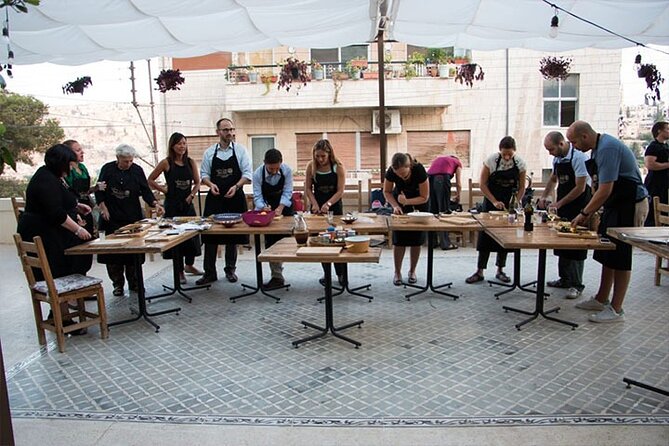
Terrace views of old Amman during the cooking
You cook in a setting meant for lingering, with soft Arabic background music and a view that makes the session feel special.
A meal that matches your class time (lunch or dinner)
Choose the morning or afternoon departure, and you’ll eat what you made as lunch or dinner.
Coffee/tea plus seasonal dessert or fruit after the meal
That Jordanian house-style finish is part of the experience, not an afterthought.
A short panoramic tour added to the end
You get a little sightseeing wrap-up without it swallowing your whole day.
Wine is optional and extra
If you want it, you pay directly for it, so budget accordingly.
Cooking in Beit Sitti or Lebanese House Um Khalil
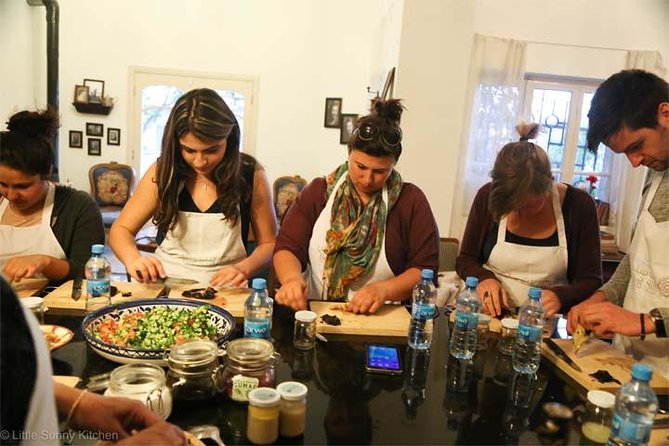
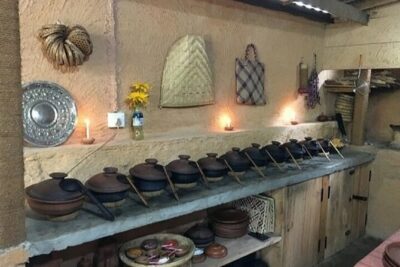
This is the kind of experience that feels grounded in real daily life in Amman, not staged in a showroom. Your cooking school session takes place in the heart of the city in one of two neighborhood locations: Beit Sitti or Lebanese House Um Khalil. Either way, the setting is meant to feel welcoming and domestic, and one class leader described the family-home context as stretching back to the 1940s.
What makes the location matter is the pacing and the mood. You’re given time to cook, talk, and settle in before eating, with soft Arabic background music playing during the session. That combination—home setting plus a relaxed atmosphere—helps you focus on the actual work: chopping, seasoning, mixing, shaping, and learning why certain flavors work together.
If you’re the type who likes knowing exactly where you’re going, do a quick check once your confirmation arrives. Some people expect the venue name to be obvious from the start; having the correct name on hand means you can walk in calmly instead of doing a little last-minute detective work.
You can also read our reviews of more tours and experiences in Amman.
From hotel pickup to panoramic views: the half-day flow
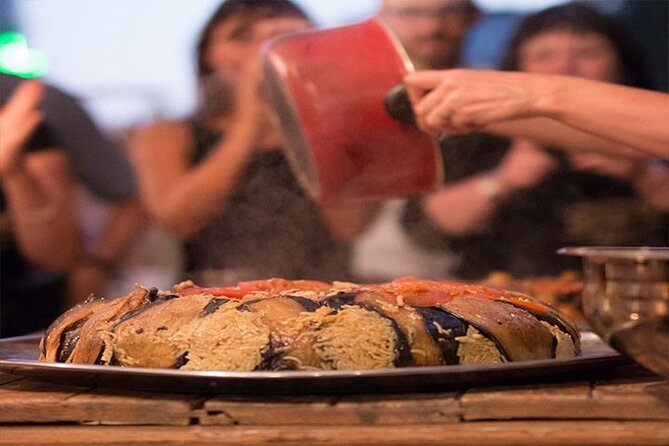
The structure is simple and efficient, which is why it works well even if you’re on a tight schedule.
1) Hotel pickup
You’re picked up from your hotel in Amman by a private vehicle with an English-speaking driver. The driver handles the transfer, and the vehicle includes onboard Wi‑Fi.
2) Arrival at the cooking school and neighborhood orientation
Once you arrive in the area, you’ll get introduced to the setting and start the class. This is where the experience becomes more than “just cooking”: you’re oriented to the neighborhood feel and the rhythm of the day.
3) Hands-on cooking session
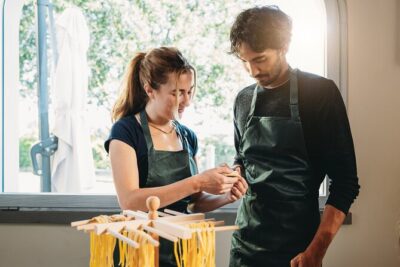
The cooking portion is broken into components—starters, salads, appetizers, and the main dish. The point is to build your meal step-by-step, with guidance so you’re not stuck guessing what to do next.
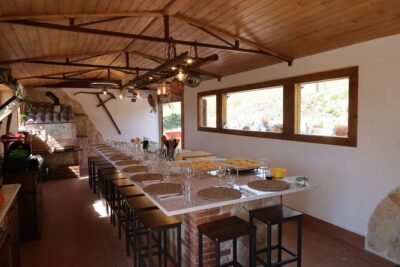
4) Lunch or dinner in the dining area
After you finish cooking, you eat what you made. The meal timing depends on your chosen departure: morning classes go with lunch; afternoon classes line up with dinner.
5) Coffee/tea and dessert or fruit
Jordanian hospitality style continues after the meal with coffee or tea, plus dessert or seasonal fruit.
6) Short panoramic tour in Amman, then return
When the class ends and you’ve had a bit of rest, you’ll get a short panoramic tour of Amman and then return to your hotel by private vehicle.
A nice detail is that the panoramic piece is short by design. You still get a sense of where key areas sit in the city, but you’re not spending the entire day hopping around.
What you’ll cook (and why it’s more useful than a demo)
You learn traditional Arabic dishes as a group, but the class is designed around making, not just tasting. The session uses a clear sequence: starters and salads first, then appetizers, then the main dish. That order matters because it gives you a workflow—mise en place, seasoning, and cooking—rather than a random sampling of recipes.
I like this structure for practical reasons. When you go home, you’ll remember the “system” of how the meal comes together: how to balance flavors in a salad, what changes when a dish moves from prep to heat, and how appetizers set up the main event.
The terrace setting also helps you pay attention. Outdoor cooking with views tends to slow you down (in a good way), so you notice what the instructor is emphasizing—texture, timing, and seasoning—not just the final look of the dish.
Also, this isn’t a class where you leave without knowing what you ate. You’re given the chance to talk through techniques, and the spices are for sale. So if a particular spice blend is what you loved, you can actually recreate the flavors later.
The meal: wine options, coffee rituals, and what you should expect
Your meal is part of the class value, not an add-on. After the cooking session, you eat in the dining area with what you prepared. This is when the experience clicks for most people: you stop thinking in steps and start tasting as a complete menu.
Local wine is optional and extra
Here’s the part that’s worth being blunt about. Wine with your meal is not included in the price. If you want it, you can purchase it directly. That means your final spend may be a bit higher than the base cost if you plan to drink. If you don’t drink alcohol, you can still have a full experience—there’s no requirement.
Coffee/tea and dessert or seasonal fruit
In Jordanian homes, coffee or tea after eating is a real ritual. This class follows that tradition with coffee or tea served after your meal, along with dessert or fruit of the season. It’s a small detail, but it gives the session a complete “stay at someone’s table” feel.
One more practical point: the included drink is water. If you want anything else besides what’s included (including wine), plan to purchase it separately.
Price and value: what $126.67 buys you in Amman
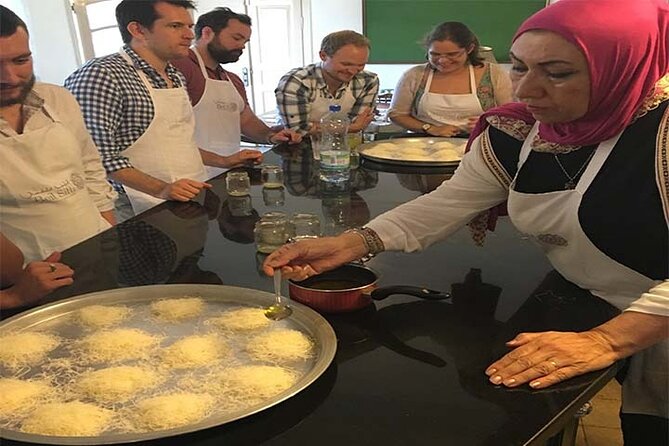
At $126.67 per person, you’re paying for more than a cooking show. You’re getting a half-day experience that includes hotel pickup and drop-off, private transfers in an air-conditioned vehicle, and an English-speaking driver. On top of that, the cooking lesson includes your lunch or dinner (depending on departure time), plus dessert or fruit, water, and onboard Wi‑Fi.
Why I think this can be good value: many food experiences either (a) teach you little and mostly show you, or (b) teach you but leave you to figure out transport, timing, and where you’ll actually eat. Here, the meal is integrated into the class and the transfer is handled.
Two things that can affect overall cost:
- Wine is not included; it’s available at additional expense if you choose to have it.
- Entrance fees to other sights are not included in this experience. The class and panoramic portion do not automatically mean you’re paying for major monuments on top of your base price.
If you like hands-on lessons and want a meal that anchors what you learned, this price starts to make sense fast. If you’re only interested in quick tasting and don’t want to cook, you might find a smaller food tour fits you better.
Group size, pacing, and how it feels day-of
The class runs with a maximum group size of 7 people. For a cooking class, that’s a sweet spot. It’s small enough for personal questions and coaching, but it’s still social—so you’re not stuck in a silent one-person class unless you booked that way.
It’s also family friendly, which usually means the pace is not frantic. Your instructor can explain techniques while still keeping the atmosphere comfortable.
You’ll have some downtime after the meal too, before the short panoramic tour. That matters in real life. Food + fresh air + travel can build up quickly, and having that decompression time makes the afternoon or evening feel calmer.
Language-wise, the class is provided in English. If you need another language, it’s by request subject to availability, so it’s smart to ask when you book.
What’s not included (so you don’t get surprised)
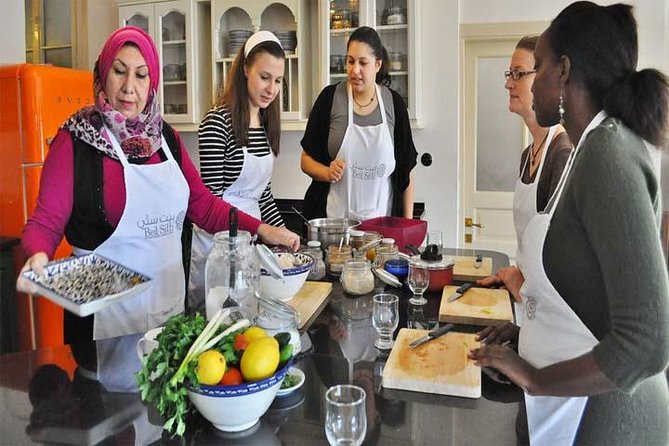
The experience includes transfers, the cooking lesson, your meal, and the post-meal treat (dessert or fruit). It does not include everything else that people often assume is part of food tours.
Not included:
- Beverages, including local wine (you purchase directly)
- Entrance fees to additional sites such as Amman Citadel, Roman Theater, and King Abdullah Mosque
- A local guide
- Gratuities (recommended if you feel like it)
- Personal expenses
That last point is practical: if you buy spices, souvenirs, or any extra drinks, your spending will go beyond the base price.
One more consideration: the tour and timing are confirmed with the joined group. So if you’re very rigid about exact clocks, keep a little flexibility in your plans that day.
Who should book this cooking class in Amman
This is a great match if you:
- Want a hands-on lesson with real technique, not a quick tasting.
- Like eating what you cook, right away, in a home-style setting.
- Prefer a small group for questions and attention.
- Are planning a food-focused day and also want a short panoramic look at the city afterward.
It may not be the best fit if you:
- Hate cooking tasks (the class is based around making the meal).
- Are sensitive to extra costs like alcohol, since wine is optional but paid separately.
- Want a large, full-day sightseeing itinerary. This includes a short panorama, not a deep tour of major monuments with entrance fees.
Should you book this half-day cooking class?
I think you should book it if your idea of a good day in Amman is simple: you want to eat well, learn something you can repeat at home, and still see a bit of the city without burning half your vacation on logistics.
The experience shines in two places: hands-on, step-by-step coaching and a meal that feels like hospitality, not a checkbox. Add the terrace view over old Amman and the short panoramic wrap-up, and it turns into one of those “this is why I travel” moments that isn’t complicated to schedule.
If you book, do two things to set yourself up for a smooth time: indicate dietary needs at booking, and decide in advance whether you’re budgeting for wine. That way, the only surprise you’ll have is how good your own food tastes.
FAQ
What is the duration of the cooking class experience?
The experience is listed at about 3 hours. It’s also described as a half-day class, so plan for a few hours that include pickup, cooking, eating, and the short panoramic tour.
Is hotel pickup and drop-off included?
Yes. You get hotel pickup and drop-off as part of the experience, using a private vehicle with an English-speaking driver.
Do I eat lunch or dinner, and does it depend on the time I choose?
You can choose a morning or afternoon departure. The class includes lunch or dinner depending on the chosen class time.
Is the cooking lesson private?
It’s described as a private cooking class experience, but it also has a maximum group size of 7 people and includes a small group lesson to keep service personal.
Does the class include wine and other drinks?
Local wine is not included. Wine and other beverages are purchased directly. Water is included.
What’s included after the meal?
After lunch or dinner, you’ll have coffee or tea, and you’ll be served dessert or fruit of the season.
Is the class taught in English?
Yes, the activity is provided in English. Other languages may be available by request, subject to availability.
Can I cancel and get a full refund?
Yes. You can cancel up to 24 hours in advance for a full refund, based on the experience’s local time.