REVIEW · SICILY
Sicilian Cooking Class : Traditional
Book on Viator →Operated by Mamma Corleone · Bookable on Viator
Palermo can be noisy and random. This class is focused and personal, led from a family kitchen run by a real Sicilian mamma. I love the old-town location near the Cattedrale di Palermo, and I also like that the menu leans into classic island flavors you can actually taste—Bronte pistachio, seafood, and a proper cannoli.
One thing to think about: this is a small group (max 12), so if you have a dietary need like gluten-free, don’t wait until check-in. Get the details confirmed directly with the provider ahead of time, so they’re ready to adjust without stress.
In This Review
- Key highlights (what matters most)
- Why Mamma Corleone’s Palermo kitchen feels like local life
- Meet by Vicolo Carini, then use the Cathedral stop to get your bearings
- The Sicilian menu you’ll focus on (and why it’s a smart choice)
- Bronte pistachio pasta with shrimp: a flavor lesson you’ll remember
- Breadcrumbed mackerel or cod: how Sicily turns humble fish into a star
- Cannoli: the dessert that teaches balance, not just sweetness
- Teaching style: Giusi, Nora, and the small-group advantage
- The gluten-free reality: ask early, confirm directly
- Price and value: is $181.41 per person worth it?
- Logistics that help your day run smoothly
- Who this Sicilian cooking class is best for
- Should you book this class?
- FAQ
- How long is the Sicilian Cooking Class: Traditional?
- Where do I meet for the class?
- Is the class offered in English?
- How big is the group?
- Do I receive a mobile ticket?
- Is there a refund if I cancel?
Key highlights (what matters most)
- Small group setup (up to 12 people), so you get real attention, not just a show
- Family-run kitchen by Mamma Corleone, with a real Sicilian mamma in charge
- Bronte pistachio pasta as a standout Sicilian flavor lesson
- Seafood-first menu, including breadcrumbed mackerel or cod
- Cannoli built for contrast: crisp shell with smooth ricotta cream
- English offered, plus solid hands-on help from the instructors
Why Mamma Corleone’s Palermo kitchen feels like local life
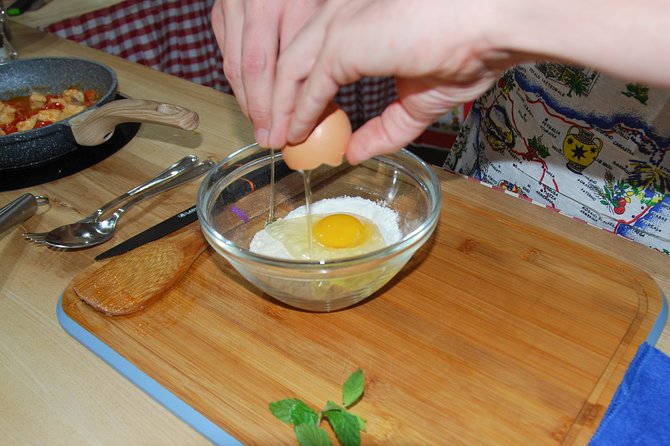
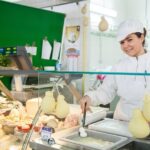
This isn’t a cookie-cutter cooking tour. Mamma Corleone is a family business with a clear mission: share Sicilian food knowledge with other cooking lovers. You get the sense that the kitchen exists for passing down technique, not just feeding a group for a quick Instagram moment.
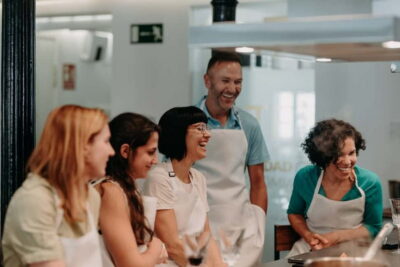
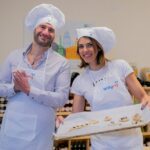
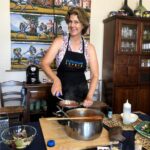
The teaching comes with warmth. The experience is led by people like Giusi and Nora (and in some cases Riham), and their energy shows up in how the class flows. I like that the vibe isn’t stiff. You learn while everyone is relaxed and working.
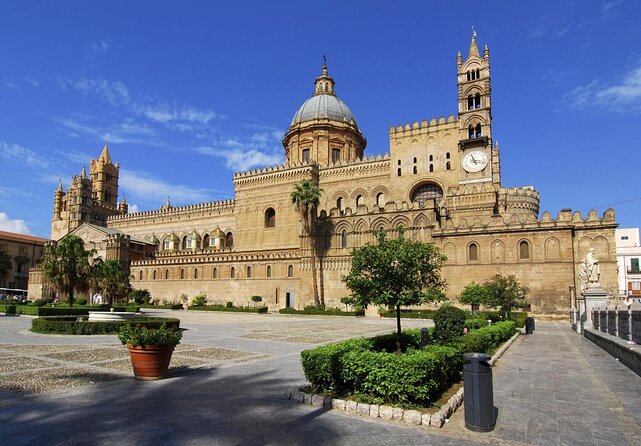
And because the kitchen is in the old town area—close to Palermo’s Cathedral—you don’t feel like you’re trapped in a workshop. You’re still in the real city while learning how Sicilians cook.
You can also read our reviews of more tours and experiences in Sicily.
Meet by Vicolo Carini, then use the Cathedral stop to get your bearings
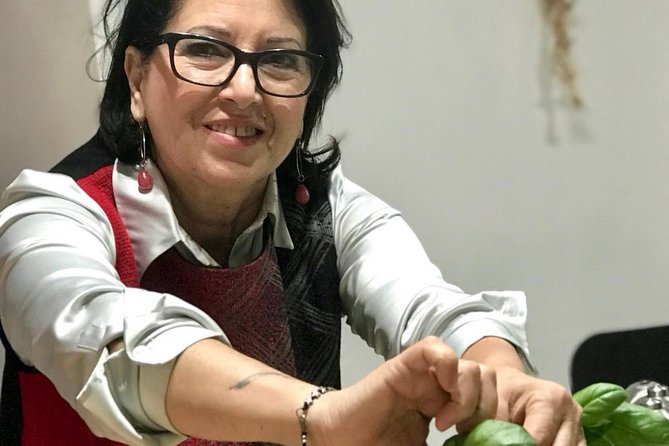
You start at Mamma Corleone on Vicolo Carini 8, in Palermo’s historic core. The location matters more than you’d think, because it keeps the day easy to picture. You’re not commuting across town just to cook; you’re already where the city feels most “Sicily.”
The schedule includes a stop at the Cattedrale di Palermo. Even if you’re not there for a deep church study, it’s a smart reset point. You can look around, orient yourself, and then shift gears from sightseeing to cooking.
Finishing back at the meeting point is also handy. When a tour ends where it starts, you don’t have to re-plan your evening or chase transport.
The Sicilian menu you’ll focus on (and why it’s a smart choice)
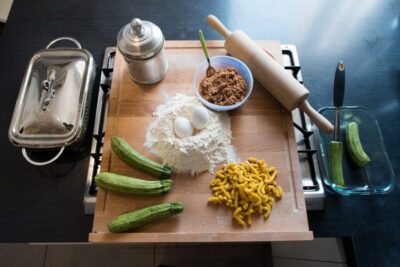
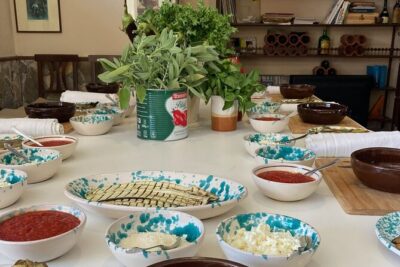
The class centers on a traditional Sicilian set of dishes. The menu is a good mix: one pasta course, a fish course, and a dessert that Sicilians treat like an institution.
What I like is that this isn’t just “Italian food.” It’s Sicilian. The pasta is topped with shrimp and pistachio from Bronte, the fish lesson focuses on breadcrumbing and frying-style thinking, and the dessert is cannoli with a balance of crisp and creamy.
This kind of structure helps you learn faster. You see how Sicilians build flavor across different textures—crunch, tenderness, and creamy sweetness—without the menu turning into a complicated buffet of random ideas.
Bronte pistachio pasta with shrimp: a flavor lesson you’ll remember
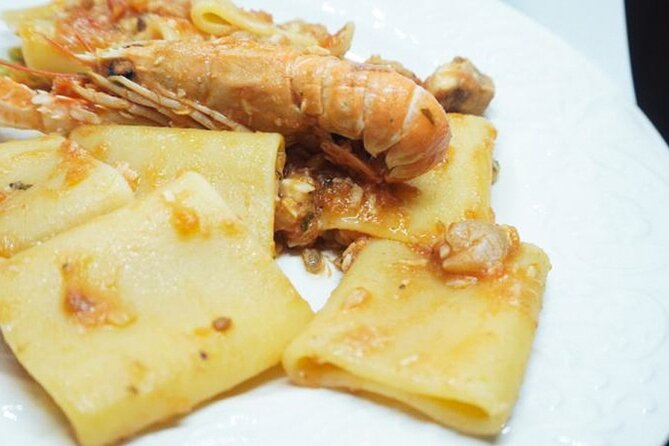
The pasta course is pasta with shrimps and pistachio from Bronte. Bronte pistachio is one of those Sicilian ingredients people talk about for a reason. Even if you’ve had pistachio before, this version tends to feel more aromatic and distinctly “of the island.”
Here’s the practical takeaway for you: this dish is a lesson in finishing. You’re not just cooking pasta and hoping for the best. You’re learning how a Sicilian topping can turn a simple base into something that tastes intentional—salty seafood plus nutty richness.
Also, shrimp isn’t unusual in Sicily, but it is interesting in how it’s used. Sicilian pasta often meets seafood in ways that keep it satisfying without needing heavy sauces. You’ll see how the ingredient choices do a lot of the work.
Breadcrumbed mackerel or cod: how Sicily turns humble fish into a star
The second main course is breadcrumbed mackerel or cod. The key word here is breadcrumbed. That’s not just a topping—it’s a technique that changes the whole eating experience. You get crunch, then tenderness from the fish.
Mackerel gets extra love in Sicilian cooking, and cod also shows up in many homes. Either way, you’re learning how breadcrumbing helps fish stay flavorful and not go bland. It’s also a method you can repeat at home with other types of white fish if you want a similar result.
The real value of this course is that it shows you how to think Sicilian when you’re cooking later. Instead of chasing fancy ingredients, you learn how to build texture and flavor with what’s on hand.
Cannoli: the dessert that teaches balance, not just sweetness
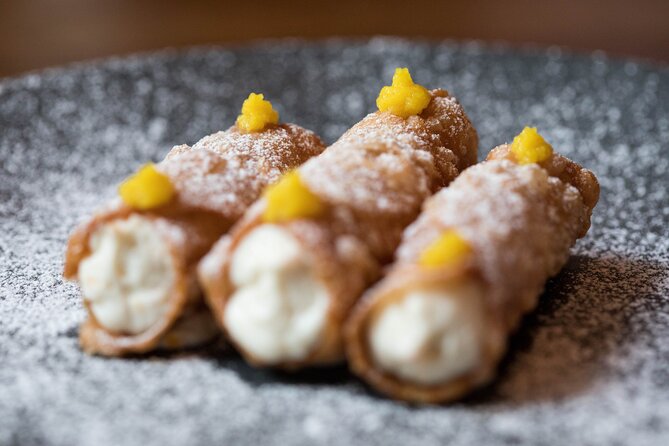
No Sicilian class feels complete without cannoli. In this menu, cannoli is described as a balance between crisp dough and a soft ricotta cream. That line sums up why cannoli works even for people who think they’re just eating a sugar dessert.
For you, this is a useful learning moment. You’re not only aiming for taste. You’re aiming for contrast—crunch against cream. The crisp shell is the structure, and the ricotta is the comfort.
Cannoli is also a great “memory anchor.” Once you’ve learned what makes the texture and filling feel right, you’ll start noticing the difference when you eat cannoli in Palermo afterward. You’ll know what to look for.
Teaching style: Giusi, Nora, and the small-group advantage
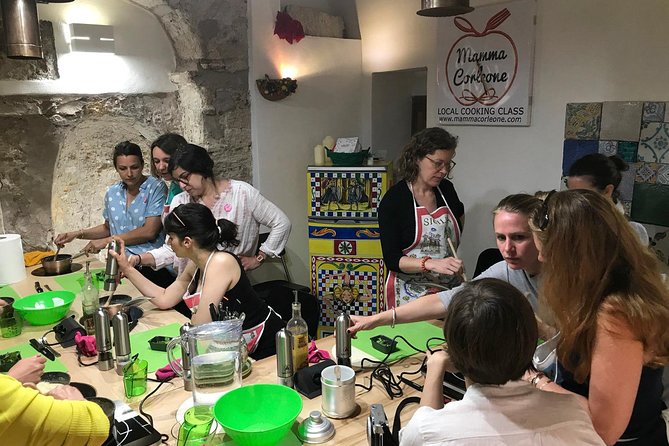
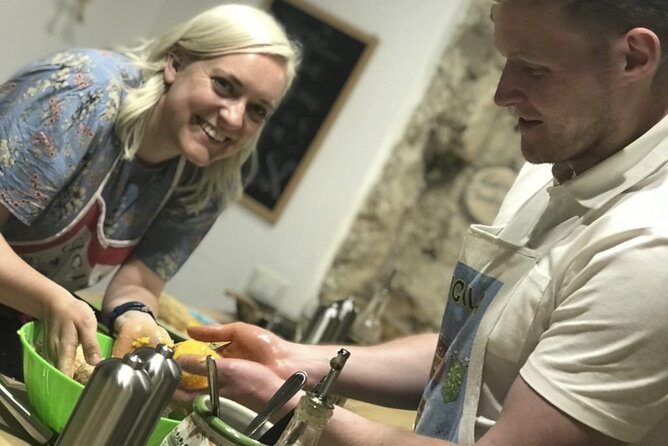
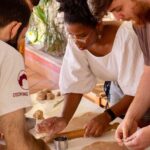
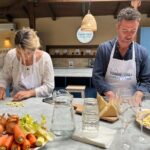
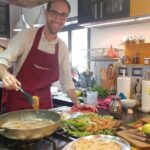
The class leadership is a big part of why it lands so well. People like Giusi and Nora bring energy that makes the session feel like a conversation, not a lecture. And you’ll get hands-on guidance, which is exactly what you want in a cooking class.
Language support is also part of the equation. The experience is offered in English, and Nora has provided German translation in at least one instance, which hints at how flexible the team can be with communication.
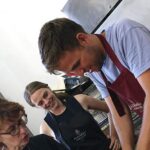
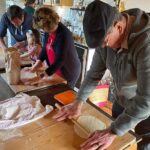
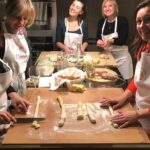
Small group size (max 12) helps more than it sounds. With a group that’s still manageable, you’re more likely to ask a question and get an answer that fits what you’re doing in the moment. That’s the difference between leaving with a vague recipe in your head versus leaving with something you can repeat.
The gluten-free reality: ask early, confirm directly
One standout detail from the experience is how they handle dietary needs. There’s a gluten-free success story tied to the team adjusting quickly once it was clear the class wasn’t automatically set up that way.
Here’s your practical move: if you need gluten-free, confirm directly with the provider. Even if you already see something confirmed somewhere else, don’t assume it’s locked in. You want the kitchen to plan ingredients and steps from the start, so your class stays smooth and your food tastes like it belongs.
This matters because breadcrumbed fish can involve gluten-containing crumbs, and cannoli dough obviously isn’t naturally gluten-free. So if you’re gluten-free, early coordination isn’t a hassle—it’s how you protect the experience.
Price and value: is $181.41 per person worth it?
At $181.41 per person for about 3 hours 30 minutes, you’re paying for more than “a meal.” You’re buying instruction, a curated traditional menu, and a small-group setting that keeps the day from feeling rushed.
The value equation looks like this:
- You get a set menu that covers pasta, a fish course, and cannoli—so you learn across multiple techniques.
- You’re cooking around classic Sicilian ingredients, including Bronte pistachio.
- The group limit of 12 helps you get attention and guidance.
It’s not the cheapest thing to do in Palermo. But it’s also not a “pay for ambience” class. You’re getting a hands-on experience with a real family operation, in a central old-town location. For most people, that’s the sweet spot: paid learning, not just paid entertainment.
Logistics that help your day run smoothly
This tour uses a mobile ticket, so have your confirmation accessible on your phone. Confirmation is said to arrive within 48 hours of booking, subject to availability, so you’ll likely know your timing plan soon after you book.
It’s also offered in English, and the meeting point and end point are the same (back at Mamma Corleone). That reduces “where do we go next” stress when your legs are tired.
The class is near public transportation too, which is useful if you’re combining it with cathedral time or other Palermo stops.
One more detail worth noting: service animals are allowed. If that applies to you, you can plan without extra guesswork.
Who this Sicilian cooking class is best for
I’d put this class at the top of your list if you want:
- A traditional Sicilian menu that teaches technique, not just tasting
- A cooking experience with small-group attention
- Central old-town Palermo so you don’t lose half your day commuting
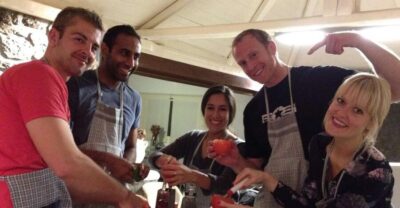
It’s also a solid pick for couples who want an intimate activity. One of the experiences people describe is the “date in Palermo” feel. With max 12, the atmosphere doesn’t turn chaotic.
If you’re the type who hates any structure at all, you might prefer a pure food tour. But if you want to leave with ideas you can cook later, this is built for that.
Should you book this class?
If you care about learning real Sicilian cooking—pistachio pasta, breadcrumbed fish thinking, and cannoli built on texture contrast—then yes, book it. The team vibe (Giusi, Nora, and sometimes Riham), the small-group size, and the old-town location near Palermo’s Cathedral make it feel grounded and efficient.
If you’re gluten-free or have another ingredient-sensitive need, plan a little extra. Contact the provider directly and confirm your options before you show up. Do that, and you’ll get the best of what this class is trying to do: teach Sicilian flavor with confidence.
FAQ
How long is the Sicilian Cooking Class: Traditional?
It lasts about 3 hours 30 minutes.
Where do I meet for the class?
You meet at Mamma Corleone, Vicolo Carini 8, 90134 Palermo PA, Italy, and the activity ends back at the same meeting point.
Is the class offered in English?
Yes, the experience is offered in English.
How big is the group?
The class has a maximum of 12 travelers.
Do I receive a mobile ticket?
Yes, it’s listed as a mobile ticket.
Is there a refund if I cancel?
No. The experience is non-refundable and cannot be changed for any reason.