REVIEW · MALLORCA
Palma: Mediterranean Cooking Class with Drinks
Book on GetYourGuide →Operated by Sailpalma.com · Bookable on GetYourGuide
Cooking in Palma with wine in hand sounds risky. This hands-on Mediterranean fusion class at Omare turns you from eater to cook fast, with local chefs like Chef Aurelia and guides such as Laura and Charlotte making the whole thing friendly and practical. You’ll be chopping, sizzing, and learning local wine pairings as you go.
What I love most is how social and structured it feels: you get into the prep, you share the table, and you leave with a few real recipes you can repeat at home. The other big win is the food variety for a 3-hour slot, with courses that can include things like tortilla and paella alongside surprising twists (ceviche-style flavors and even a yuzu sorbet note). One thing to consider: the format is not built around vegan meals, and a couple of people noted they wished for a bit more hands-on cooking time depending on the dish and group flow.
In This Review
- Key things that make this class worth your evening
- Palma Mediterranean cooking class at Omare: the vibe and the payoff
- Where you meet in Palma (and how not to waste time finding it)
- The first pour: drinks, music, and getting your bearings
- Hands-on Mediterranean prep: chopping, sautéing, and learning by doing
- What you’ll likely be working on
- A small caveat: not everyone cooks everything at the same time
- Mediterranean fusion history: why the blending actually matters
- The meal itself: multiple courses, shared table energy
- What makes the menu feel special
- The practical angle: how you should approach tasting
- Drinks with food: an open bar that actually changes the experience
- Value check: is $105 actually fair?
- Who should book this class?
- Allergy and dietary expectations: what to do before you arrive
- Final verdict: should you book the Palma Mediterranean cooking class?
- FAQ
- How long is the Palma Mediterranean Cooking Class?
- How much does it cost?
- What’s included in the class?
- Is hotel pickup included?
- Are drinks included?
- Is vegan food available?
- What languages are offered?
- Where is the meeting point?
Key things that make this class worth your evening
- Mediterranean fusion, explained in plain terms: expect a short history of how flavors and techniques blend across the sea
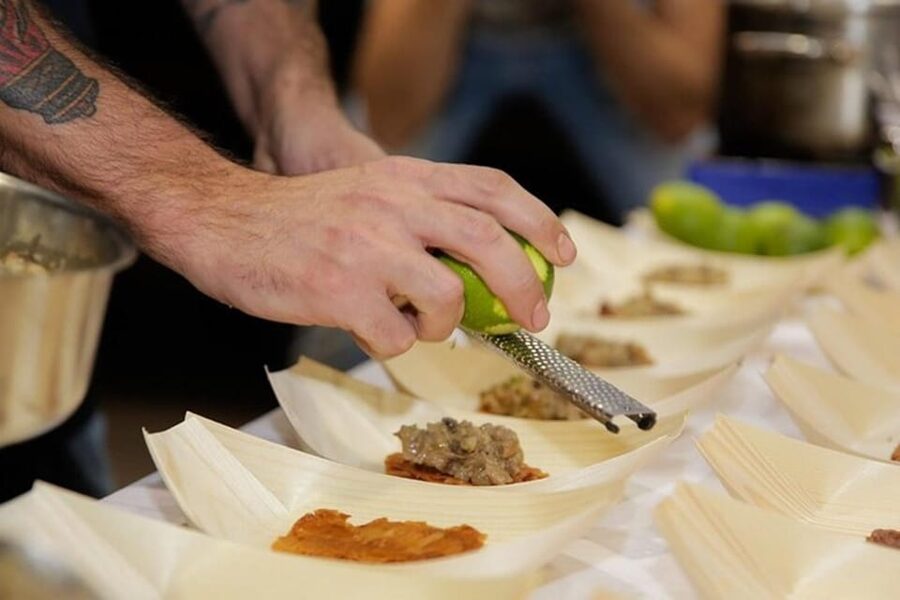
- You cook, not just watch: chopping and sautéing are part of the setup, and you’ll participate through the meal
- Omare as a real Palma setting: you meet at Omare in Plaza Olivar (with a name card at the entrance)
- Open bar means you can relax: water, soft drinks, wines, and beer are included
- Small-group vibe: multiple reviews describe a group that’s social, not chaotic
- Allergy planning matters: tell them early if you have restrictions, especially seafood or shellfish
Palma Mediterranean cooking class at Omare: the vibe and the payoff
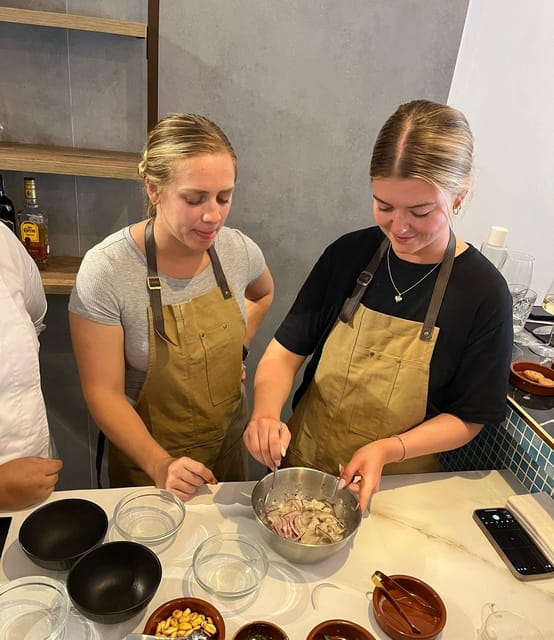
I like food classes that don’t feel like a school project. This one hits that sweet spot. It’s in Palma on Mallorca, and it’s set up so you start in a social way—meet your chef/instructor, get settled with a drink—then move into real cooking tasks without making it feel overly stiff.
For $105 per person and a 3-hour runtime, the value comes from three things you actually use on a trip:
1) you learn techniques you can repeat at home,
2) you eat a full, multi-course meal (not a token appetizer), and
3) you get an open bar with wine and beer included, which turns the experience into a relaxing dinner plan rather than just an activity.
If you’re the kind of traveler who likes an evening with structure but no stress, this works. If you need a totally vegan menu, or you’re expecting to individually cook every course start-to-finish, you should read carefully and ask questions ahead of time.
You can also read our reviews of more tours and experiences in Mallorca.
Where you meet in Palma (and how not to waste time finding it)
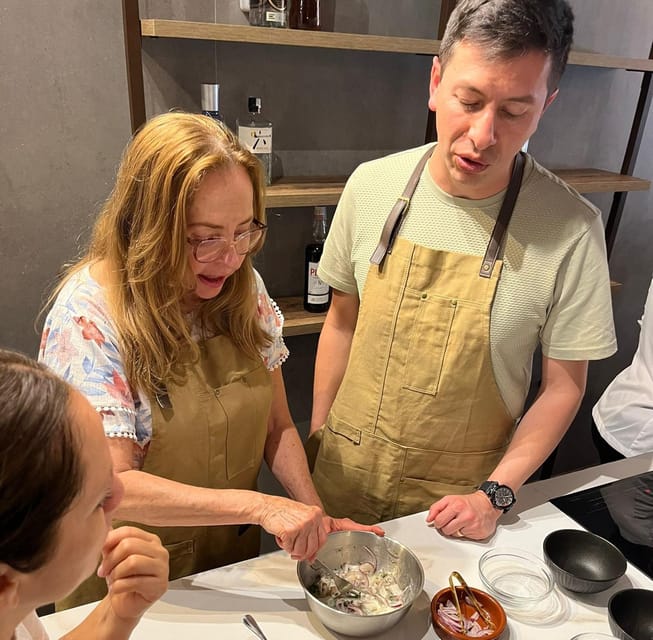
You meet your instructor at Omare in Plaza Olivar. The key detail: the cooking instructor meets with a name card at the entrance of the cooking class section at Omare, Plaza Olivar, No. 5, local 4, Palma.
That’s good news because it reduces guessing. But keep your eyes open when you arrive; one person noted signage was easy to miss and they walked past it a few times. I’d do the smart thing: arrive a little early, find the Omare entrance area, and look for the name card.
The first pour: drinks, music, and getting your bearings
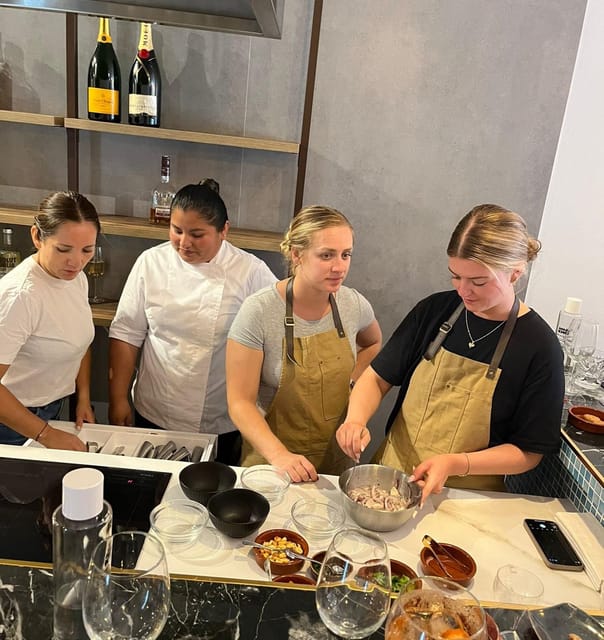
This class starts with the human part. You’re introduced to your chef/instructor, and the group gets settled with a drink right away. The mood is casual. People mention music, laughter, and a relaxed pace.
This matters more than you might think. Cooking classes can go one of two ways: either you’re rushed into the kitchen like a contestant, or you spend half the time waiting for someone else to start. Here, you get time to meet your group and understand what’s happening before you touch the food.
On the drinks side, the open bar includes water, soft drinks, wines, and beer. Some reviews call out generous pours—wine and even Prosecco-style moments were mentioned—so you can plan on this feeling like a dinner-with-coaching, not a dry lesson.
Hands-on Mediterranean prep: chopping, sautéing, and learning by doing
After the initial drinks and introductions, you start cooking. The general flow is: you get your ingredients, then you chop and sauté with island-sourced items. The key is that the food isn’t “mystery classroom ingredients.” It’s built around what feels local to Mallorca—market-fresh fish, farmed goods, and hand-picked vegetables are part of the mix.
What you’ll likely be working on
I can’t promise every exact dish for every night, but based on what’s been cooked here, you may touch classic Spanish techniques and Mediterranean fusion flavors. Past menus described tortilla (a Spanish egg dish), paella, and ceviche-style flavors. People also mention desserts like a yuzu sorbet.
You’ll get more out of the evening if you treat this like a cooking workshop, not a tasting tour. Ask questions while you’re actively cooking—about seasoning, timing, or how the chef handles temperature—because that’s where the “learn it once, repeat it later” moments happen.
A small caveat: not everyone cooks everything at the same time
One review mentioned a difference from other classes: instead of each person cooking every course individually, the group shared prep and dish responsibilities. That doesn’t make it bad—many people say it’s still fun and generous—but it does mean you should adjust expectations. If your dream is total one-person control of every pan, you might feel slightly less hands-on depending on the flow that night.
Mediterranean fusion history: why the blending actually matters
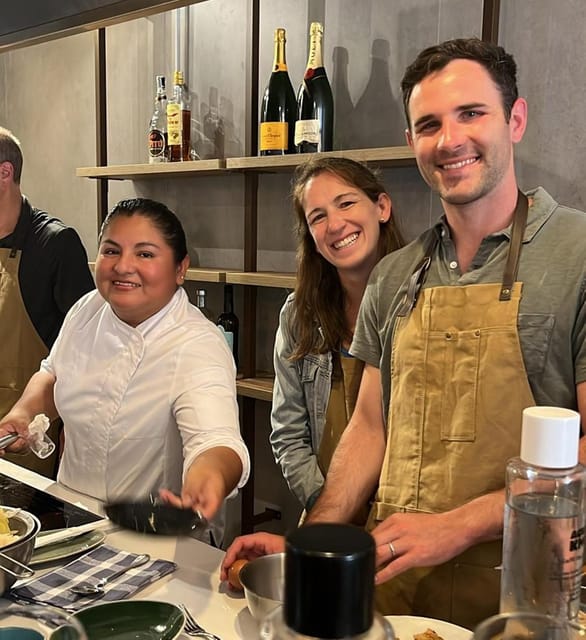
This class includes a history angle. You’ll hear about the Mediterranean fusion story from local chefs. That’s not just trivia. It helps you understand why the flavor combinations make sense.
Think of it like this: if you only learn the recipe without the context, you’ll copy the dish once and forget it. If you learn the “how and why” behind the fusion—how techniques and tastes move across regions—you’ll cook it again because you’ll understand what to adjust for your ingredients at home.
I like this part best when it’s connected to what’s happening in front of you. If the chef explains a technique right as you’re using it, the knowledge sticks.
The meal itself: multiple courses, shared table energy
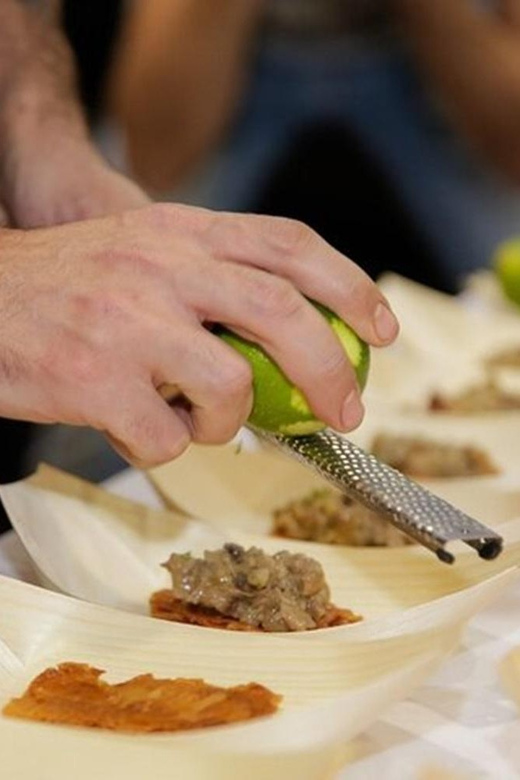
The big draw here is that you’re not just snacking. You’re eating a proper multi-course meal as you cook and learn. People describe 5 courses plus appetizers in at least some sessions. Others mention several “meals” created together, taking turns through prep.
What makes the menu feel special
A few consistent themes show up:
- Spanish classics appear on the table (tortilla is specifically mentioned)
- Seafood and fish are common, with market-fresh ingredients highlighted
- Fusion surprises can appear—ceviche-style flavors with ingredients described as Peruvian-influenced, and a dessert moment with yuzu sorbet
- Paella shows up in the discussion, which is a great anchor dish if you want to bring home a Mallorca memory
The practical angle: how you should approach tasting
When drinks are included and courses are flowing, it’s easy to get swept up. I’d still pay attention to two things:
1) when the chef adds key flavor ingredients, and
2) how they handle texture and timing (especially with eggs, fish, and rice-style dishes).
That’s what turns a “tastes good” meal into “I can make this at home.”
Drinks with food: an open bar that actually changes the experience
Let’s talk about the drinks included. This isn’t a token glass. The class includes an open bar with water, soft drinks, wines, and beer, and multiple people describe the drink supply as generous and flowing.
For you, that means two things:
- You’re more likely to stay relaxed and social during the cooking stages.
- You can enjoy the meal like a holiday dinner, not just a work session.
Just keep an eye on your comfort if you’re planning to walk around afterward. Palma evenings can include a lot of cobbles, and you’ll want both legs functional.
Value check: is $105 actually fair?
For Palma, $105 for 3 hours can sound either steep or reasonable depending on what’s included. Here’s why it tends to pencil out as good value:
- Food is included, and people describe multiple courses plus appetizers. You aren’t paying for one small dish.
- Ingredients and recipes are provided so you leave with more than memories.
- Open bar (wines and beer included) makes it closer to a guided dinner plus a workshop.
- Local experts teach and guide in English and Spanish, which helps if your Spanish is beginner-level.
The only time the value feels weaker is if you’re going in with high expectations of full, individual hands-on cooking for every course. The class seems built more around shared teamwork and guided participation.
Who should book this class?
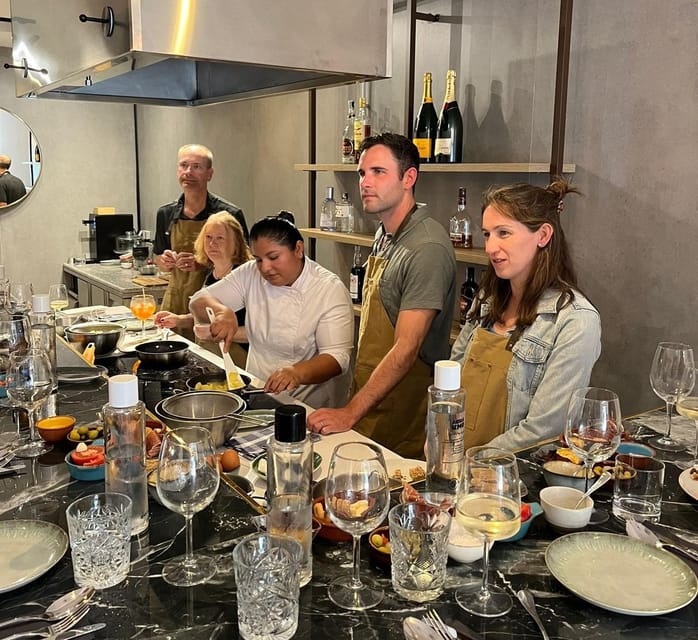
This cooking class fits best if you:
- want an evening activity in Palma that’s social but not stressful
- enjoy learning recipes through doing, not watching
- like seafood and Spanish flavors, with a willingness to try fusion touches
- want included drinks as part of the experience
It’s less ideal if:
- you need vegan food (the class states no vegan food)
- you have strict allergy requirements and can’t clearly communicate needs ahead of time
- you’re expecting each participant to cook every component individually without sharing stations
Allergy and dietary expectations: what to do before you arrive
The safest approach is simple: tell them your needs early. The class notes no vegan food, so don’t plan on a vegan swap.
For allergies, the data you have points to mixed outcomes depending on the restriction. One participant described an issue with shellfish allergy and a seafood paella main dish without an alternative offered. Another participant described accommodations for allergies as working out well. So I’d treat this as a “plan ahead” situation, not a “they’ll definitely handle it” promise.
When you reach out, be very clear:
- which ingredient you must avoid
- whether you can eat fish other than shellfish (if relevant)
- whether cross-contact is a concern for you
Final verdict: should you book the Palma Mediterranean cooking class?
Yes, I’d book it if you want a fun, guided food night that mixes Spanish cooking with Mediterranean fusion flavors. The strongest reasons are practical: you get a real meal, you participate in the cooking, and the included drinks make it feel like a memorable dinner experience rather than a rushed class.
If you’re vegan, or you’re dealing with a complex allergy, I’d pause and ask detailed questions before you commit. The class seems capable, but your best outcome comes from you communicating clearly and early.
Overall, this is a solid choice for a 3-hour Palma evening when you want something hands-on, social, and tasty—right at Omare in Plaza Olivar.
FAQ
How long is the Palma Mediterranean Cooking Class?
The experience runs for 3 hours.
How much does it cost?
The price is $105 per person.
What’s included in the class?
It includes the cooking class with local cuisine experts, food, ingredients and recipes, and an open bar with water, soft drinks, wines, and beer.
Is hotel pickup included?
No, hotel pickup and drop-off are not included.
Are drinks included?
Yes. The open bar includes water, soft drinks, wines, and beer.
Is vegan food available?
No vegan food is included.
What languages are offered?
The instructor teaches in English and Spanish.
Where is the meeting point?
Meet at Omare in Plaza Olivar, No. 5, local 4, Palma. The instructor meets you with a name card at the entrance of the cooking class section at Omare.