REVIEW · MARRAKESH
Marrakech: Atlas Mountains Cooking Class with Berber Family
Book on GetYourGuide →Operated by Atlas Mountains Day Trips from Marrakech · Bookable on GetYourGuide
Your tagine starts with a morning drive. This Marrakech day trip climbs into the High Atlas with a small group, then turns into a hands-on cook day inside a Berber family home—tea, market stops, and a 3-course lunch at the end. I especially love the ingredient shopping step, because you pick the vegetables and spices like the family does.
The star is the grandmother-led cooking class, often supported by guides like Ibrahim, Badr, or Ismail who help with translation and local context. You work together on tagine, couscous, and even wood-oven bread, then eat what you made on a mountain terrace. One thing to plan for: the tour is listed as 7 hours, but lunch can land closer to 3–4 pm and the day may run around 9 hours.
For me, the best part is how normal and warm it feels, not a museum lesson. You’ll likely do a short uphill walk to reach the home, so come with comfortable shoes and warm layers.
In This Review
- Key moments that make this Marrakech-to-Atlas cooking day different
- Why This Atlas Mountains Cooking Class Feels More Like Family Time
- From Marrakech to the High Atlas: Pickup and the Scenic Drive
- Stop for Ingredients: Markets, Herbs, and How the Meal Begins
- The Walk to the Berber House and the Imlil-Valley Welcome
- Cooking the Classics: Tagine, Couscous, and Wood-Oven Bread
- Meeting Local Women at a Valley Cooperative
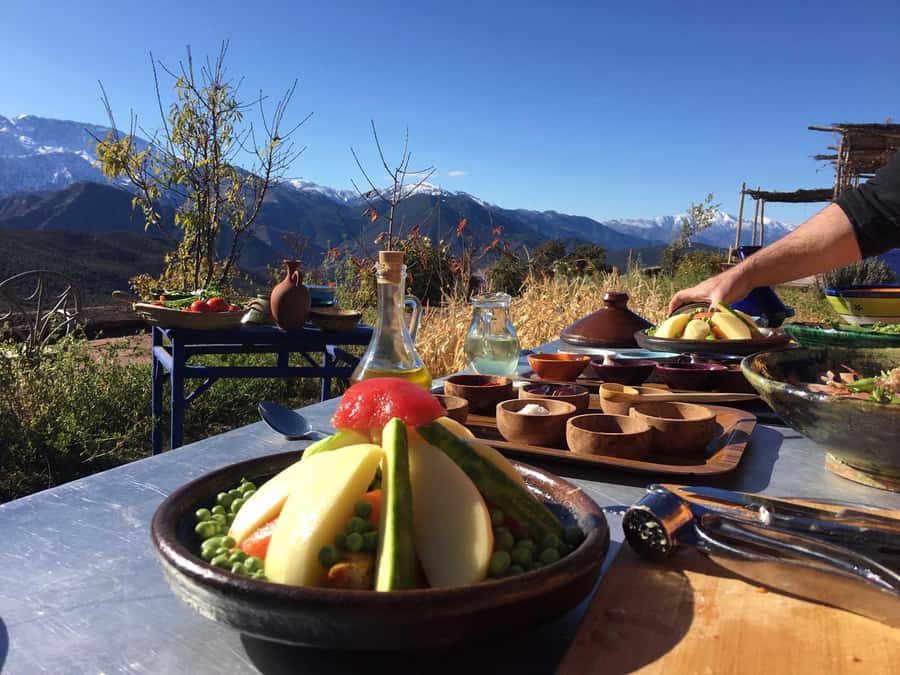
- The 3-Course Lunch: What You’ll Eat and How It’s Served
- Timing, Mountain Weather, and Motion-Sickness Tips
- Price and What $54 Actually Buys You
- Who Should Book This (and Who Should Skip It)
- Should You Book It for Your Marrakech Trip?
- FAQ
- What dishes will we cook during the Atlas Mountains cooking class?
- How long is the trip, and when will lunch happen?
- Is hotel pickup included in the price?
- Do we stop to buy ingredients before cooking?
- Is there walking involved to reach the cooking location?
- What’s included besides the cooking class and lunch?
- What languages are the guides available in?
Key moments that make this Marrakech-to-Atlas cooking day different
- Small groups (up to 10) for real conversation, not a choreographed line
- Market shopping for your own ingredients before you cook
- Grandmother-led Berber cooking for tagine, couscous, and bread
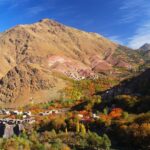
- High Atlas views from the terrace near Imlil Valley
- A women’s cooperative stop in the valley region to see daily life up close
- Late lunch timing that can run longer than the 7-hour label
Why This Atlas Mountains Cooking Class Feels More Like Family Time
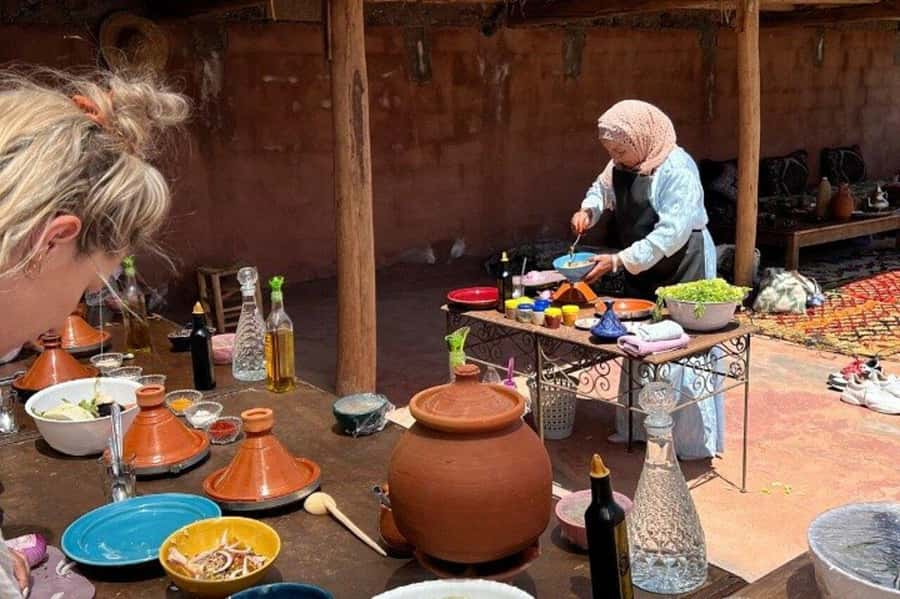
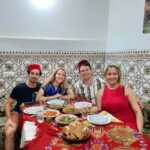
This is a Marrakech experience built around one simple idea: you’ll learn Moroccan (Berber/Amazigh) food by doing it in a real home. That matters, because Berber cooking is as much about rhythm and routine as it is about recipes. In practice, you cook beside a grandmother and other family members, then you eat together at the end.
I also like the pacing. It’s not just sitting and watching while someone plates food for you. You shop, prep, cook, and finally eat. A few guides (Ibrahim, Badr, Ismail/Ismael show up in different departures) help you connect dots between ingredients and culture, so the day feels like a story you can taste.
You can also read our reviews of more tours and experiences in Marrakesh.
From Marrakech to the High Atlas: Pickup and the Scenic Drive
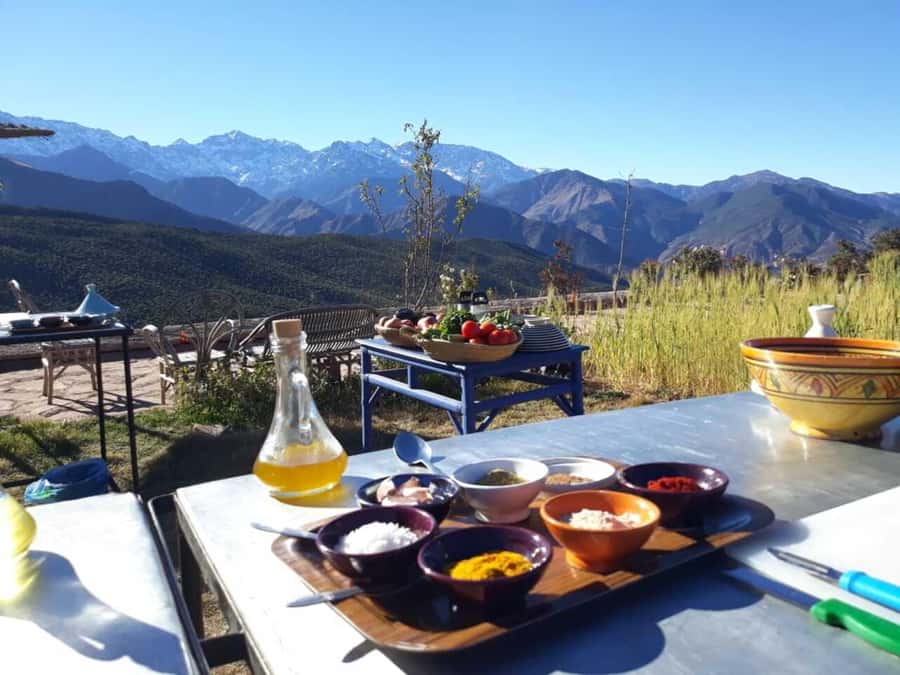
You start with pickup from your hotel in Marrakech in an air-conditioned vehicle. If you’re staying in a riad inside the Medina, car access is limited, so pickup happens from the nearest reachable point.
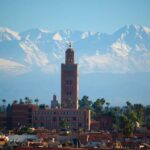
Then comes the part many people remember most: the drive out of the city. You pass Berber villages and spend time looking at the countryside as the air cools down. On a clear day, you may even spot the dramatic peaks people associate with the High Atlas region. Either way, you’re trading heat and noise for mountain calm.
A practical note: the ride can feel long once you add stops. And if you’re sensitive to winding roads, be ready. One guest even mentioned bringing Gravol, which tells you how seriously some people take motion sickness on this route. If that’s you, plan ahead.
Stop for Ingredients: Markets, Herbs, and How the Meal Begins
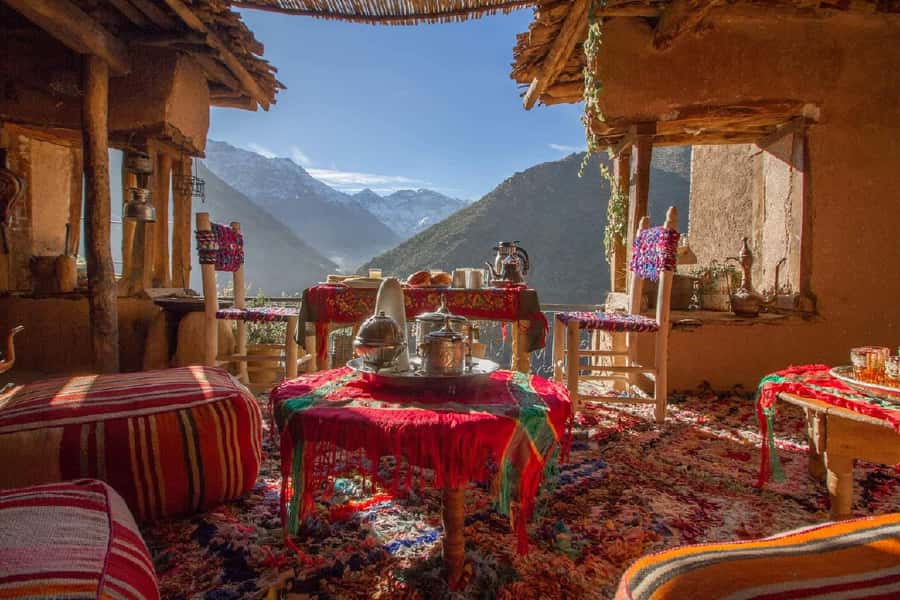
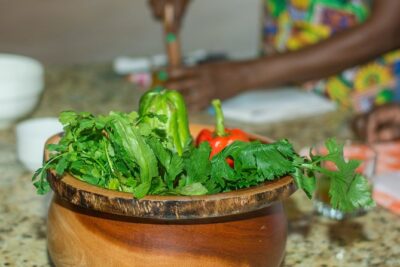
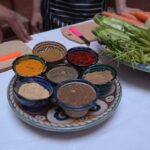
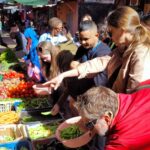
This trip starts cooking before you reach the house. You stop to shop for ingredients at a local market, so you can see what looks fresh that day and choose your vegetables and herbs with the group.
What you’re really buying here is context. You learn how everyday ingredients become a tagine, how herbs show up beyond just seasoning, and how families plan meals around what’s available. Several guests specifically said they loved picking vegetables themselves, and I get it: it’s the quickest way to turn food into something personal.
Expect a guided experience. The local guide (French or English) helps you navigate, and the cooking lead helps you use what you bought correctly. If you have dietary restrictions, you should still flag them. At least one recent group reported gluten-free care and extra attention around a nut allergy, including a separate tagine approach.
The Walk to the Berber House and the Imlil-Valley Welcome
Reaching the cooking home often includes a short uphill walk. Depending on the exact route and conditions, it can be described as about 10–15 minutes on a mountain path, or a shorter trek with steps. This is one reason the tour isn’t suitable for mobility impairments or wheelchair users.
Once you arrive, you’re welcomed into a family setting. Many groups note warm hospitality, cozy indoor space when it’s cold, and a friendly atmosphere outside on terraces. You may also notice cats around the property. That sounds small, but it’s part of why this feels like living there rather than touring there.
If it’s chilly, bring warm layers. Several guests emphasized that it can be very cold in the mountains, and the contrast with Marrakech heat is real.
Cooking the Classics: Tagine, Couscous, and Wood-Oven Bread
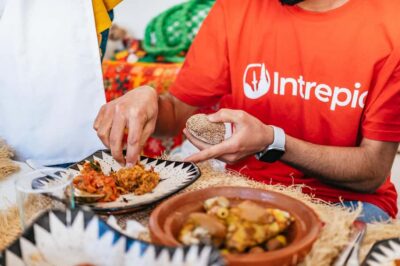
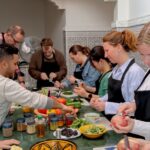
The heart of the day is cooking with the Berber family—often led by a grandmother or an aunt figure (people mention Mama, Yemena, Yamina, and Auntie roles depending on the host). Your guide translates, but the cooking instruction comes from the family kitchen.
From what you’ll do across departures, the menu often includes:
- Chicken tagine (a common dish)
- Vegetable couscous
- Traditional bread baked using a wood oven
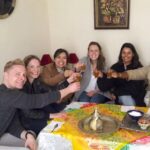
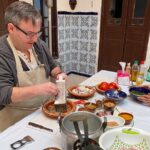
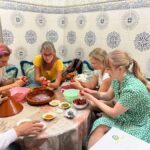
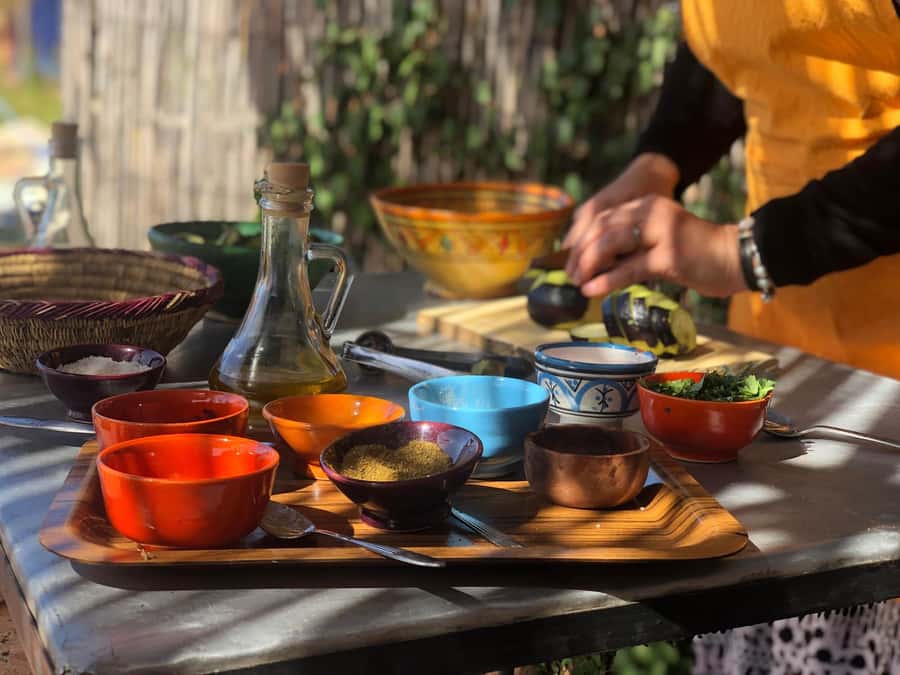
You’ll likely participate in most steps: prepping ingredients, working through sequence, and helping with key parts of the cooking. One guest described the day as very hands-on from shopping through making bread and couscous. Another said the family made food from scratch and emphasized learning timing and arrangement, not just copying a final plate.
Also: this isn’t gourmet theatre. It’s family food, the kind that depends on technique and patience. If you enjoy learning process, you’ll leave with better instincts than a list of ingredients.
Meeting Local Women at a Valley Cooperative
A notable element beyond cooking is a stop to meet women through a cooperative in the valley region (often described as the Imlil Valley area or Ourika Valley area, depending on the route). This is usually tied to understanding daily life—how women organize, what they make, and how community networks function in mountain villages.
Even if you’re mostly there for the food, I like this stop because it adds a layer that a pure cooking class can miss. It helps you connect dishes to people beyond the kitchen. Expect conversation and a chance to see how rural work and hospitality intersect.
The 3-Course Lunch: What You’ll Eat and How It’s Served
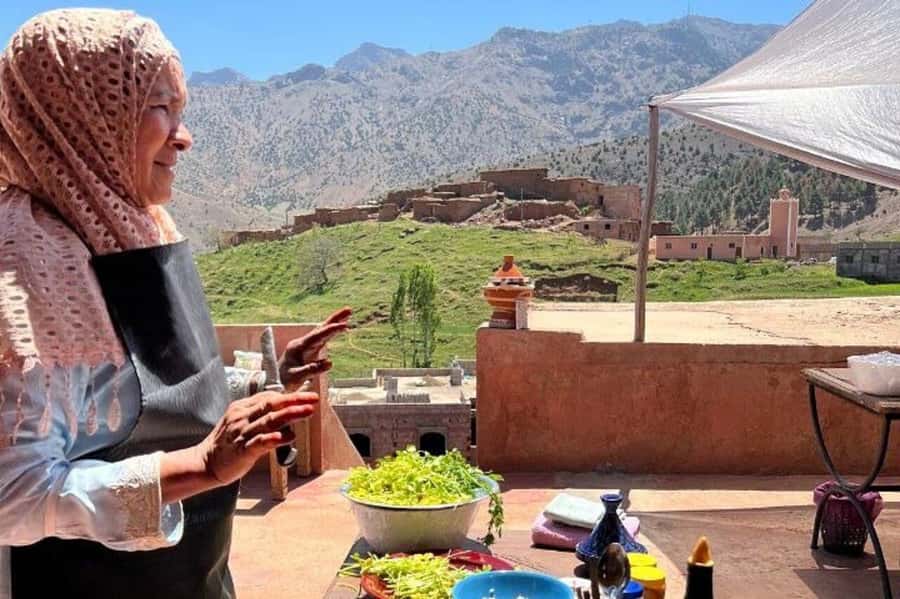
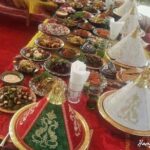
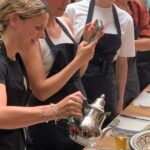
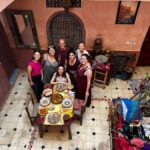
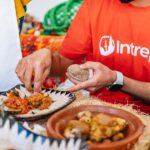
You finish with a 3-course lunch at the family home. What you eat is typically the dishes you cooked: tagine and couscous, plus bread as part of the meal. Coffee and/or tea are included too, which makes sense because Moroccan meals often stretch a bit and turn into conversation time.
Timing is the part you need to understand before you plan evening plans. Even though the experience is labeled 7 hours, multiple people noted lunch was closer to 2:30–4 pm, and total time sometimes ran closer to 9 hours. So if you’re booking a dinner reservation the same night, you’ll likely need flexibility.
My tip: eat a solid breakfast before pickup. Then you’ll enjoy the cooking instead of feeling like you’re waiting forever with an empty stomach.
Timing, Mountain Weather, and Motion-Sickness Tips
This day trip runs long enough that comfort matters. Bring:
- Comfortable shoes for uneven paths and steps
- Warm clothing (mountain cold can surprise you)
- Sun hat if skies are clear
- Water
- A camera for terrace views and mountain scenery
Also consider how you’ll handle car time. The vehicle is air-conditioned, but a few guests reported the ride home felt hot or the air wasn’t strong enough. If you’re heat sensitive, dress in layers so you can manage temperature swings.
Finally, think about how you’ll travel if you get motion sickness. The route includes winding roads and changing elevations. If you’ve used medication before, bring what you normally trust and follow the label instructions.
Price and What $54 Actually Buys You
At $54 per person for a full-day, the price is mostly about three things: transport out of Marrakech, guided organization, and a home-based meal experience where you actively participate.
You’re not just paying for food. You’re paying for:
- Hotel pickup and drop-off
- An air-conditioned vehicle
- A small-group cooking class (limited to 10 participants)
- A local guide in French or English
- Coffee and/or tea
- Bottled water
- Lunch, built around what you cook
Is it cheap? No. Is it good value compared with a generic cooking demo in Marrakech? Often yes, because you’re combining cooking with mountain views and a genuine family setup. And if you care about authenticity, this is one of those days where the setting changes the learning.
One candid point: a few people thought it was slightly pricey. If you’re the type who only wants cooking and not the trip to the mountains, you might compare against other Marrakech cooking classes. But if you want the whole Atlas day—drive, market, home, terrace—$54 can feel fair.
Who Should Book This (and Who Should Skip It)
This experience suits:
- Food lovers who want to cook, not just watch
- People who like small-group tours
- Anyone interested in Berber/Amazigh culture through everyday life
- Travelers who enjoy mountain scenery and a break from city pace
Skip it if:
- You use a wheelchair or have mobility limitations that make the uphill walk difficult
- You want a strict schedule with an early lunch
- You don’t handle windy roads well and forgot to plan for motion sickness
One more fit check: language. The guide is available in French and English, but group composition can vary. If you prefer lots of English-only explanation, it’s worth considering that some departures may include more French-speaking participants.
Should You Book It for Your Marrakech Trip?
If you’re doing Marrakech and you want one standout day that isn’t just another souk stop, I’d book this cooking class. The combination of ingredient shopping, grandmother-led cooking, and eating your own food in a mountain home is the kind of experience that feels practical and memorable at the same time.
Book it especially if:
- You love tagine, couscous, and bread-making
- You want a quieter, cooler escape into the Atlas
- You’re okay with a longer day than the 7-hour label
Just don’t overbook your evenings. Plan for a late lunch, bring warm clothes, and wear shoes you’d trust on uneven paths.
FAQ
What dishes will we cook during the Atlas Mountains cooking class?
You’ll typically cook Moroccan classics with the Berber family, including tagine, couscous, and traditional bread. Specific choices mentioned include chicken tagine and vegetable couscous, plus wood-oven bread.
How long is the trip, and when will lunch happen?
The activity is listed as 7 hours, and lunch is included. Many people report lunch arriving later, around 3 to 4 pm, and the overall day sometimes runs closer to 9 hours.
Is hotel pickup included in the price?
Yes. Your pickup and drop-off are included. If you’re in a riad inside the Medina, pickup is arranged from the nearest accessible point by car.
Do we stop to buy ingredients before cooking?
Yes. The day includes shopping for ingredients at a local market before you cook in the family home.
Is there walking involved to reach the cooking location?
Yes. There is a short trek uphill to the hosts’ venue, which involves steps and mountain paths. This is not suitable for wheelchair users or people with mobility impairments.
What’s included besides the cooking class and lunch?
The experience includes coffee and/or tea, bottled water, a local guide (French and English), the cooking class in the family home, and use of an air-conditioned vehicle.
What languages are the guides available in?
The live tour guide is available in French and English.