REVIEW · PRAGUE
Prague: Market Tour and Traditional Czech Cooking Class
Book on GetYourGuide →Operated by Chefparade · Bookable on GetYourGuide
Smell Czech dumplings before you even cook. This Prague experience mixes farmers market shopping with a hands-on traditional cooking class, so the flavors make sense from the first bite. You’re in a contemporary cooking studio, working side-by-side with a Czech/English-speaking chef to prepare a full lunch.
What I like most is how the market part sets you up for real technique—so you buy ingredients with purpose, not just souvenirs. Then the cooking class focuses on practical methods for Czech comfort food, from dumplings and potato dishes to goulash and strudel-style sweets. One consideration: the exact date and time of your class need confirmation with the vendor at least 24 hours ahead.
In This Review
- Key Takeaways Before You Go
- Where You Start: Chefparade Cooking School in Holešovice
- Morning Market Tour: Buying Czech Staples at the Right Time
- Inside the Studio: How the Cooking Class Actually Works
- The Czech Menu You’ll Learn: Bramboračka, Goulash, Dumplings, and More
- Starters: Potato Soup and Potato Pancakes
- Main Courses: Goulash with Carlsbad Dumplings
- Dessert: Apple Strudel and Classic Czech Sweets
- What You Eat: Your 3-Course Lunch, Not Just a Demo
- Price and Value: Getting Skills, Ingredients, and Lunch Included
- Who This Prague Class Suits Best
- Should You Book This Prague Market Tour and Czech Cooking Class?
- FAQ
- How long is this Prague experience?
- Is the market tour included?
- What dishes will I learn to cook?
- Will I eat what I cook?
- Do I get recipes to take home?
- Where is the meeting point?
- What languages does the instructor speak?
Key Takeaways Before You Go
- Market-first ingredient shopping that helps you understand what goes into Czech staples
- Chef-led, side-by-side cooking in a modern studio setting
- A real 3-course lunch you make yourself, then eat on site
- Czech classics with specific names like bramboračka and bramboráky, not vague “Czech food”
- Seasonal and personal menu adjustments so your meal fits the time of year
- Take-home recipes so the techniques don’t disappear after the last forkful
Where You Start: Chefparade Cooking School in Holešovice
Your morning (or afternoon, by arrangement) begins at Chefparade Cooking School, located at Bubenské nabr 306/13 in Prague 7 – Holešovice. The meeting point is inside the Prague Market area, Hall No. 36. It’s a clear start, but do plan a little extra time the first time you find the hall.
I like that the experience ends back at the same meeting point. It means you can keep your day simple after lunch—no last-minute transit guesswork. The class is wheelchair accessible, and the instruction is offered in Czech and English, which helps if you want clarity without translating in your head.
One more practical note: the activity runs about 3.5 to 4 hours overall. That includes the cooking time, and if you choose the market option, it also covers the market visit before you cook. So think of it as a half-day commitment that swaps restaurant wandering for a structured, hands-on plan.
You can also read our reviews of more tours and experiences in Prague.
Morning Market Tour: Buying Czech Staples at the Right Time
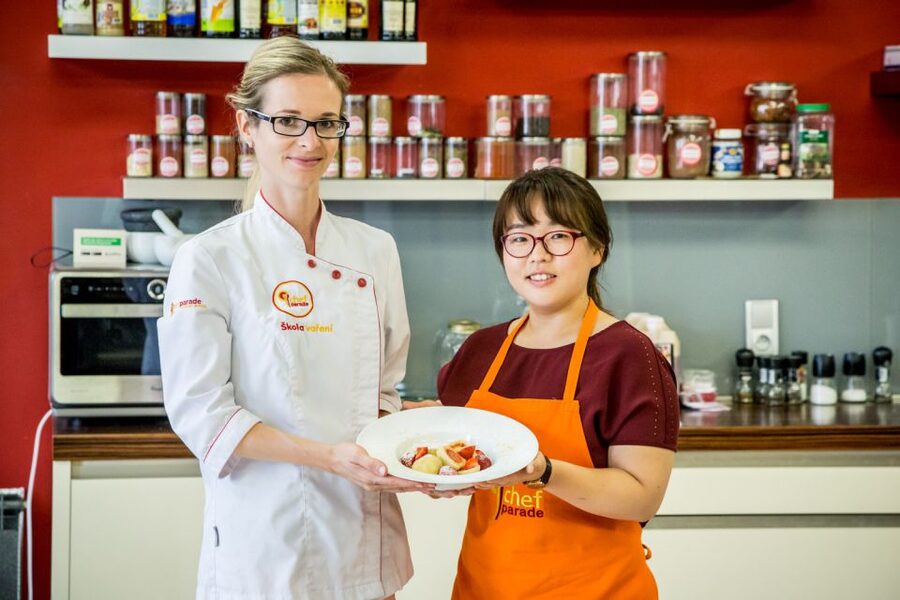
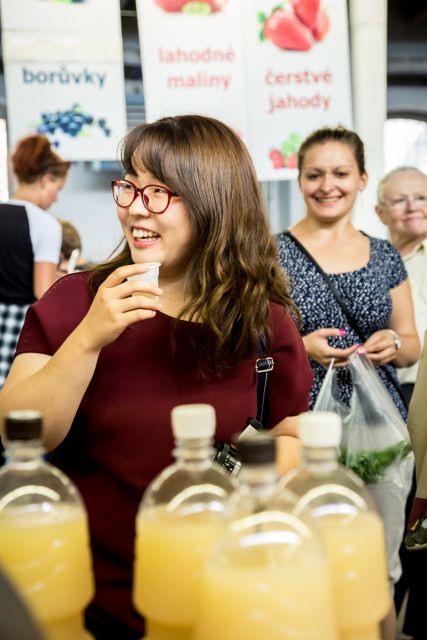
If you add the market tour option, you’ll meet your guide at 09:00, when the market is still active. This isn’t just a stroll for photos. It’s a guided ingredient hunt that points you toward the typical pieces of Czech cooking your class uses later.
You’ll learn about ingredients you’ll actually cook with—spices, produce, and other elements that shape the dishes. The big win here is that your cooking class stops being random. You understand why the chef uses what they use, and you can connect flavors to specific ingredients while you’re chopping, seasoning, and assembling.
Also, you’ll have a chance to buy what you need for your class. That’s a small detail, but it matters. It keeps the cooking experience grounded in real pantry building, not just “watch the chef do it” theatrics.
A nice bonus: market time also gives your group a shared pace. By the time you reach the studio, you’re already in Czech-food mode, and the chef’s instructions land faster.
Inside the Studio: How the Cooking Class Actually Works
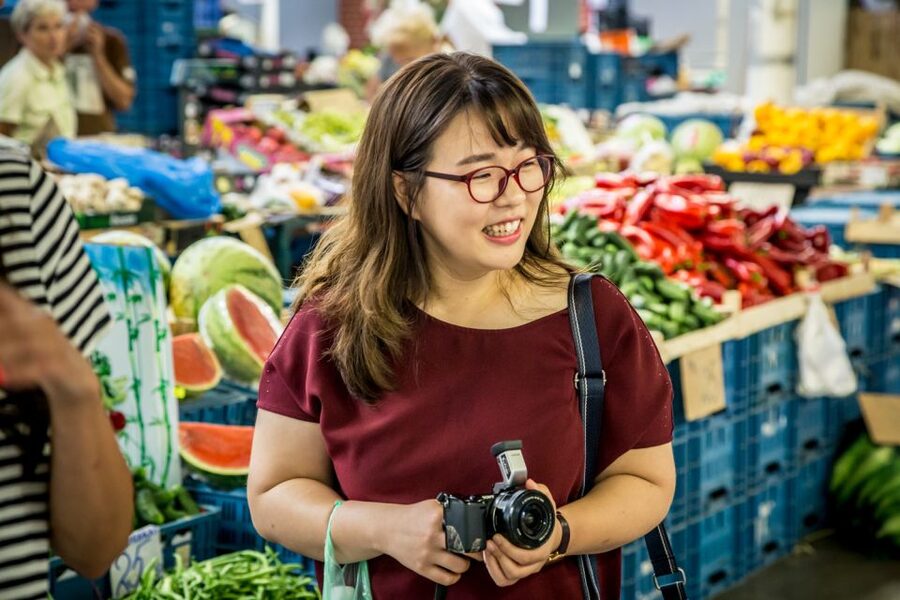
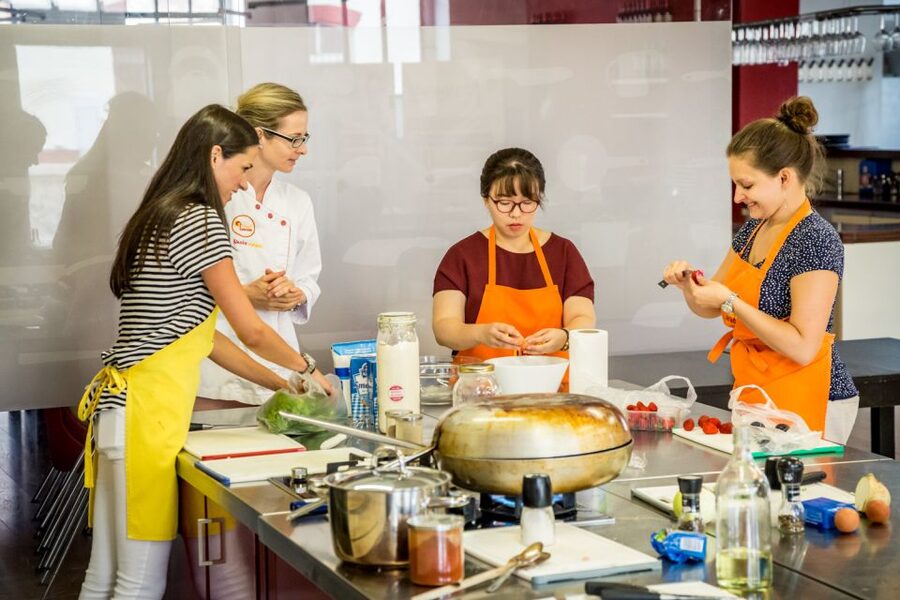
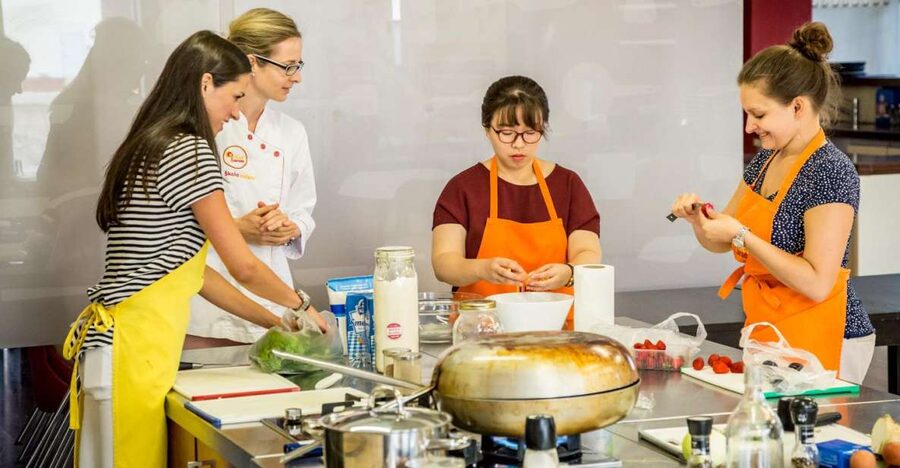
Back at the studio, you’ll cook in a contemporary space designed for this kind of active lesson. You’re not standing at the back of a kitchen watching. You’re side-by-side with the chef, working as a participant—hands on, ask questions, and learn why a step matters.
The format is built around a 3-course meal you prepare and then eat. The menu can change based on seasonal availability and on your requirements, so you’re not locked into one rigid script. That flexibility is a big deal in real life, because Czech cooking leans heavily on what’s fresh at that time of year.
You’ll also get the gear you need: kitchen utensils, aprons, and all cooking ingredients. And you take away recipes after the course, which turns the experience into a repeatable skill rather than a one-time memory.
From the instructor perspective, the teaching approach is practical and flavor-focused. People highlight instructors who explain how to build taste, not only how to follow steps. In particular, names like Vladimir and Ana come up as examples of friendly, effective guidance. Translation: you’re likely to leave with confidence, not just hunger.
The Czech Menu You’ll Learn: Bramboračka, Goulash, Dumplings, and More
Here’s the heart of the day: Czech classics with real Czech names and real technique. Your 3-course menu usually includes a starter you make from scratch, a main dish, and a dessert. What you make may shift with season and preferences, but these are common course targets.
Starters: Potato Soup and Potato Pancakes
A frequent starter is bramboračka, a traditional potato soup made with mushrooms. This one teaches you how Czech cooking treats comfort food seriously—simple ingredients, but careful seasoning and texture.
You might also learn bramboráky, often described as Czech-style potato pancakes. This is a great dish for learning how batter consistency and cooking temperature change the result. It’s also the kind of food that makes you understand why potatoes play such a starring role in Czech meals.
Main Courses: Goulash with Carlsbad Dumplings
Another classic option is goulash with dumplings, specifically referenced as dumplings from Carlsbad (Karlovy Vary area). Dumplings are more than a side here; they’re part of the sauce story. When you learn them in the same class as the goulash, you get the full logic of the dish—how the dumplings soak up flavor and how the plate comes together.
You may also cook items like ovocné knedlíky, fruit dumplings with cottage cheese. If you’re used to dumplings being savory, this is a fun pivot. It also teaches a different kind of dough handling and shaping.
Other menu possibilities include a creamy spinach soup with herb croutons. That kind of soup adds another technique: portioning and finishing details, so the dish tastes balanced instead of heavy.
Main course favorites can include rabbit or baby chicken with Easter stuffing, plus new potatoes with chives. That combination shows how Czech plates often mix herbs, stuffing elements, and potatoes into one cohesive meal.
Dessert: Apple Strudel and Classic Czech Sweets
The experience is described as including sweet apple strudel among the typical Czech dishes you learn. Since menus can vary, you might see strudel-style skills emphasized depending on timing and season.
An additional traditional Czech dessert that shows up often is beránek, a sweet cake. Either way, dessert here isn’t an afterthought. It’s another chance to learn Czech comfort-food style, where sweetness is usually paired with familiar flavors and a satisfying, not overly fussy, finish.
What You Eat: Your 3-Course Lunch, Not Just a Demo
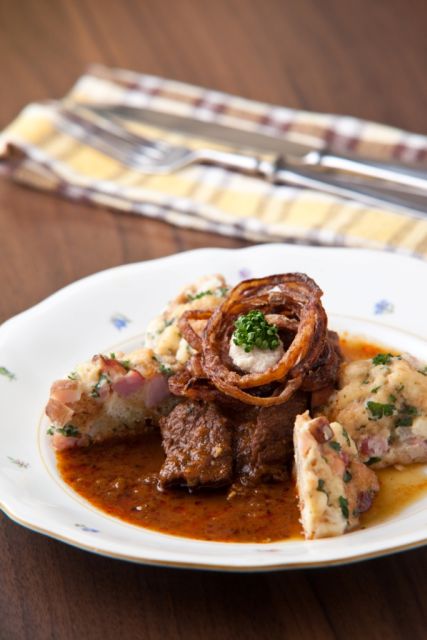
After cooking, you eat what you made. That sounds obvious, but it’s a major difference between a class that teaches and a class that feeds.
Because you prepare each course yourself, you end up tasting the dishes with new awareness. You’ll notice how the starter seasoning affects the rest of the meal, how dumplings change the goulash mouthfeel, and how the dessert ties back to the day’s dough-and-shape lessons.
Also, you can adjust the menu based on requirements and season. So the experience tries to keep the meal aligned with what you can enjoy, rather than forcing everyone through the exact same plate.
If you’re the kind of traveler who likes a “real meal” that doesn’t rely on luck, this format helps. You get a structured lunch that’s designed to be satisfying, not random snacking.
Price and Value: Getting Skills, Ingredients, and Lunch Included
At $227 per person, this isn’t a casual kitchen hobby session. You’re paying for instruction, ingredients, equipment, and the full 3-course meal you cook and eat.
The value here comes from three things working together:
- You’re learning technique, not just recipes. The class style is hands-on with a chef guiding you.
- Food and supplies are included: ingredients, utensils, aprons, and kitchen setup. That’s cost you don’t have to guess at.
- You get take-home recipes, which is what makes the skills useful after you return home.
And if you choose the market option, you also get guided ingredient shopping before the cooking starts. That market portion adds more than time—it teaches you what’s typical for Czech cooking and what to look for when you recreate the dishes later.
For me, this is the kind of class that makes sense if you want your Prague trip to include more than walking and eating. It’s an experience where you leave with both a full lunch and a practical culinary memory.
Who This Prague Class Suits Best
This works best for you if:
- you enjoy cooking and want a structured class in the Czech style
- you like food with clear regional identity (dumplings, potato dishes, goulash)
- you want to learn from a local chef and not just watch from a distance
- you prefer a guided plan with a guaranteed meal outcome
It might feel less ideal if you hate kitchen work, want a totally casual experience, or only want a quick tasting. The class is hands-on by design. You’ll be cooking, not simply sampling.
If you’re traveling as a couple or solo and want something more “skill-based” than museum-based, this is a solid half-day option. And since instruction is in Czech and English, language usually isn’t a barrier.
Should You Book This Prague Market Tour and Czech Cooking Class?
Yes, if you want a memorable Prague food experience that teaches you real Czech dishes you can cook again later. The market stop gives you context, and the studio class turns that context into a full 3-course meal you make and eat.
Book it especially if you’re excited about comfort-food classics like bramboračka, goulash with dumplings, potato pancakes, and Czech desserts like beránek or apple strudel. It’s not just eating—it’s learning.
Quick decision checklist: you’ll enjoy this if you’re okay spending roughly 3.5 to 4 hours in one focused block and you’re happy to cook with guidance. If that sounds like your idea of a great day in Prague, you’re in the right place.
FAQ
How long is this Prague experience?
The total duration is typically 3.5 to 4 hours. The cooking class itself is described as about 3 hours, with the market tour option added before that.
Is the market tour included?
The market visit is included if you select the option for the market tour. If you do the morning tour, the market visit starts at 09:00.
What dishes will I learn to cook?
The menu varies by season and your requirements, but common dishes include potato soup (bramboračka), goulash with dumplings (including Carlsbad-style dumplings), potato pancakes (bramboráky), fruit dumplings with cottage cheese (ovocné knedlíky), creamy spinach soup with herb croutons, and dessert options that can include sweet apple strudel and beránek.
Will I eat what I cook?
Yes. You prepare a 3-course meal and then eat it after cooking.
Do I get recipes to take home?
Yes. Recipes are included and you can take them with you after the course.
Where is the meeting point?
You start at Chefparade Cooking School, Bubenské nabr, 306/13, Prague Market, Hall No. 36, Prague 7 – Holešovice. The activity ends back at the meeting point.
What languages does the instructor speak?
The class is taught in Czech and English.