REVIEW · ROME
Authentic Cooking Class in Rome with Lunch or Dinner
Book on Viator →Operated by J&H Enterprises, LLC · Bookable on Viator
A Rome cooking class starts with the view, not the cookbook. This one pairs a guided hit of the Spanish Steps–Trevi area with a chef-led, hands-on pasta-making session you can repeat at home. I like how the walking guide sets the scene and the chef focuses on practical technique—but the class format is not equal across every dish, so go in expecting hands-on pasta first.
You’ll choose a morning or afternoon slot, get pickup and drop-off from a central meeting point, and end back where you started. The group stays small (max 12), and you’ll eat what you make for lunch or dinner. One thing to plan for: you’re on your feet during the walk (some parts can be steep or uneven), and a few past guests felt the historical storytelling and timing weren’t always crystal clear.
In This Review
- Key takeaways before you go
- The Spanish Steps to Trevi walk: where your Rome day starts
- Trevi Fountain wish time: tradition with a reason
- What the cooking class really is: a chef teaching you technique
- Your 3-course menu: what you’ll cook and eat
- Walking tour + cooking class timing: why 3–4 hours can feel tight
- Small group size: what you gain with a max of 12
- Pickup, meeting point, and the “don’t miss us” problem
- Price and value: is $106.65 a good deal?
- Who this is for (and who should consider something else)
- How to get the most out of it (simple, no-stress tips)
- Should you book this Rome cooking class?
- FAQ
- How long is the cooking class experience?
- Where does the tour start and end?
- Is lunch or dinner included?
- What can I expect to cook?
- What dishes are on the menu?
- Is dessert made from scratch during the class?
- How large is the group?
- Is there pickup and drop-off?
- Do I get a mobile ticket and confirmation?
- Is the experience refundable if I cancel?
Key takeaways before you go
- Spanish Steps and Trevi are the warm-up act so you get your bearings fast
- Pasta is truly hands-on: you make it, not just watch it
- Small group feel (up to 12) means you get more direct attention
- Lunch or dinner is included, tied to a 3-course menu
- Dessert can be hands-on-lite since it’s often explained in theory
- Meeting spot timing matters—arrive early and confirm the exact location
The Spanish Steps to Trevi walk: where your Rome day starts
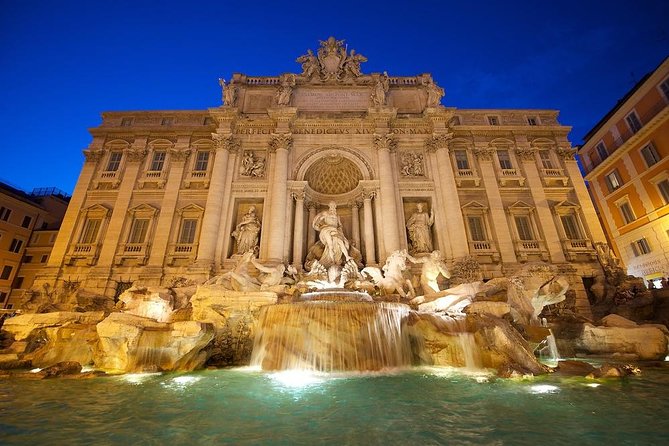
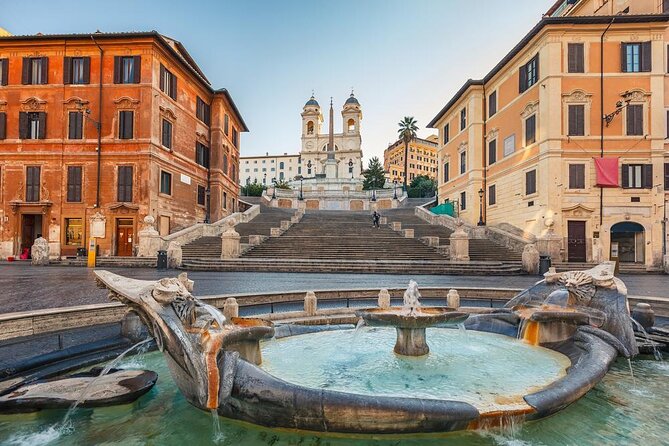
The experience begins at Piazza di Spagna, a smart choice because it immediately drops you into the heart of Rome without making you wrestle with complicated directions. From there, your guide leads a stroll past major landmarks including the Column of the Immaculate Conception and Trevi Fountain, with additional stops such as the Pantheon along the way.
What I like about this part is the rhythm: you’re moving, you’re seeing, and you’re also getting the stories that make these places feel lived-in. The guide’s job isn’t just pointing. It’s explaining why Roman traditions still stick—especially around Trevi.
Practical note: the walking portion is part sightseeing, part context, and part timing. Some past guests reported extra transit steps and hills when the route or logistics changed. Even if that doesn’t happen on your date, treat the walk as real walking, not a museum stroll.
You can also read our reviews of more tours and experiences in Rome.

Trevi Fountain wish time: tradition with a reason
Trevi Fountain is famous for a reason, and this tour uses it well. You’ll stop, learn the legend behind the wish tradition, and get the local belief angle on what the wish is meant to do. Then you make your wish and move on.
This isn’t just a photo stop. It’s a cultural moment you can actually explain later. That matters if you want your Rome memories to feel more than “I saw it.”
If you’re the type who likes customs, this is a good payoff. If you just want to rush to pasta, you may feel Trevi is “one stop too many.” Still, it’s hard to beat starting the day with one of Rome’s most cinematic scenes.
What the cooking class really is: a chef teaching you technique
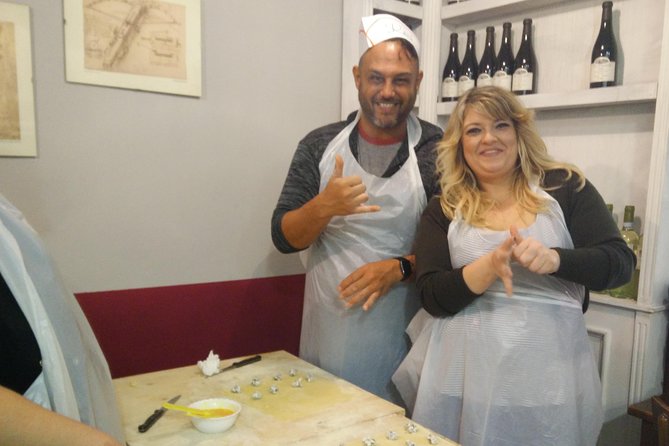
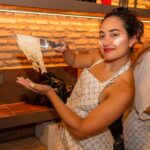
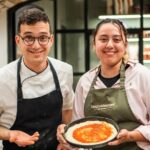
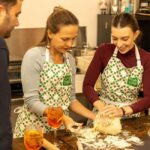
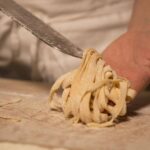
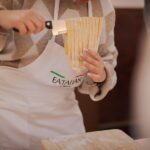
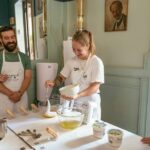
After the walk, you head to the restaurant (or, in some cases, the chef’s house) where the cooking portion happens. The tour is designed as a small-group class with a local chef, and it’s hands-on pasta making. The sauces are shown in front of you, rather than being fully handled by everyone step-by-step.
That format is more common than you might think in Italy. Here’s the practical upside: you get the core skill that travels well—making pasta—while still learning how the sauce comes together. The tradeoff is that you won’t feel like every plate component is equally “made by you.”
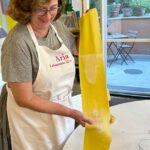
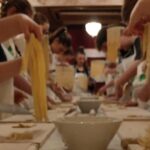
On top of that, the class structure keeps it focused. You’ll learn how to form and cut dough, how to cook the pasta, and how the finished dish should taste. Many guests specifically praised the chef experience—names like Christian, Christian the owner/chef, Charlie, and Sara came up in the feedback—so it’s worth expecting a personal, warm atmosphere rather than a detached demo.
Your 3-course menu: what you’ll cook and eat
The exact dishes can vary by season and ingredient availability, but the menu is built around recognizable Roman comfort food. Based on the tour description, your class typically includes:
- Starter: Bruschetta al Pomodoro
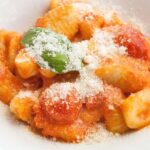
- Main: Fettuccine al Bolognese, fettuccine alla Carbonara, or another option
- Dessert: Tiramisu or crostata
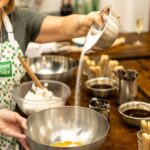
Here’s the key detail for managing expectations: you do the pasta hands-on, while the chef shows sauce preparation. For bruschetta, some people report that tomatoes are handled by the chef and you assemble what’s needed, while others describe more direct involvement. Either way, the goal is that you leave with something you can reproduce, not that you master every single station like you’re in a full cooking school lab.
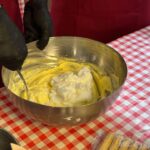
Dessert is another place where expectations can shift. The standard approach is that the dessert is explained in theory. If you want to actually make dessert from scratch, you’ll need to request a different class option (and there may be a surcharge). That’s not a deal-breaker—just a reason to decide what kind of learner you are.
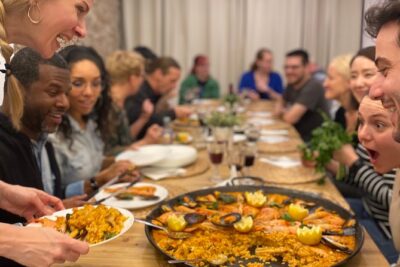
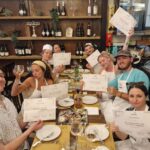
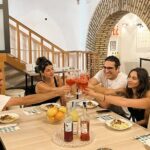
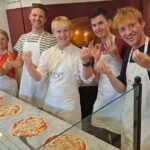
And then you eat. You’re not just leaving with recipes. You sit down and enjoy your creations with your new tour companions, which makes the whole thing feel like a meal shared, not a chore.
Walking tour + cooking class timing: why 3–4 hours can feel tight
The full experience runs about 3 to 4 hours. That range matters because you’ll mentally budget for a smooth day, but Rome is rarely smooth. You’re combining guided walking, a culture stop or two that you’ll want to linger at, and then a cooking schedule you don’t control.
Some guests reported delays after arriving at the cooking location because restaurants were busy or the chef teaching time needed to align. Most of the time, the vibe still works out because you’re in Rome, eating, and learning. But if you have tight plans afterward—especially dinner reservations—plan a cushion.
Also, the tour is described as having two parts: the walking tour with a guide and the cooking class with the chef. Past guests who only received one portion (or who were partially present) have noted that partial refunds can apply if it’s agreed—so if you ever feel something went wrong, address it quickly rather than later.

Small group size: what you gain with a max of 12
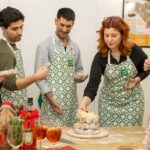
A max of 12 travelers is a real benefit for a cooking class. When the group is that size, the chef can spot whether you’re handling dough correctly and whether your pasta shape will cook evenly.
It also tends to make the walking tour more personal. Instead of blending into a big crowd, you can ask questions and get pointed recommendations—some guests specifically praised guide hospitality and Rome tips, like where to shop or how to get back to a hotel.
If you’re traveling solo, a small group can feel friendly without becoming awkward. If you’re traveling as a couple, it often feels like you’ve got a private setup with just a few other people. Either way, it’s a good size for learning.
Pickup, meeting point, and the “don’t miss us” problem
The meeting point is at Piazza di Spagna, 18, and the tour ends back at that same location. Pickup and drop-off from a centrally located meeting point are included, which is helpful after a day of walking.
But here’s the practical caution: several negative experiences in the feedback circle around missing the guide at the meeting spot—either due to a mismatch in location details, late arrival, or unclear signage. Even when the cooking part is excellent, that front-door confusion can ruin your day.
So do this:
- Arrive early enough to get your bearings and not just “be on time.”
- Have your phone charged, since mobile tickets are used and contact may be needed.
- Stand near the exact address listed, not the general area.
This is especially important because the walking portion starts first. If you miss that, the whole timing can slide.
Price and value: is $106.65 a good deal?
At $106.65 per person, you’re paying for a combo: guided walking + chef-led pasta class + lunch or dinner + taxes/fees. That’s not cheap by Rome standards, but it can be fair value when you consider what’s included.
Here’s how I’d judge it before you book:
- You get a real meal: starter, main, and dessert.
- The pasta-making part is the skill you can recreate later.
- The group size is limited, so you’re not paying for a cattle-car tour.
Where value can dip is when your personal expectations are high for hands-on effort across every course or when timing gets thrown off. Some guests felt parts of the class were more basic than the description implied, like bruschetta being more assembly than true prep. If you want a class where every element is built from scratch by you, you may find this one closer to guided cooking than full-on cooking school.
That said, many people called the pasta the best of their trip. So the “value” question usually comes down to whether you’re mainly there for pasta technique and a great Roman meal.
Who this is for (and who should consider something else)
This is a strong fit if you:
- want a first-day Rome experience that includes major landmarks and a built-in meal
- like learning practical cooking steps you can repeat at home
- prefer small groups and a chef-driven format
- enjoy walking tours but don’t mind uneven surfaces
It may be less ideal if you:
- have limited mobility or struggle with steep/uneven walking
- expect dessert to be hands-on from scratch every time
- need the exact route and exact timing to be predictable to the minute (Rome logistics can shift)
How to get the most out of it (simple, no-stress tips)
A few small moves can make the difference between a “nice day” and a “this is Rome” day:
- Wear shoes you trust for uneven sidewalks and possible hills.
- If you care about dessert, send a note before you go asking about making it from scratch.
- Take photos, but also listen. The wish tradition at Trevi and the stories around the big sites are where the tour earns its keep.
- Don’t overbook the rest of your evening. Even when everything goes well, 3–4 hours can turn into “just enough” once you include walking pace and restaurant timing.
Should you book this Rome cooking class?
I’d book it if you want a classic Rome combo day: Spanish Steps to Trevi plus a chef-led pasta session where you actually roll and cut dough. The price can feel high, but the included lunch/dinner and the technique focus help justify it—especially if you value small-group attention.
Skip or compare options if your top priority is hands-on cooking for every course, or if you’re worried about meeting-spot confusion. If you do book, show up early at Piazza di Spagna, keep your phone ready, and treat the day as a walking + cooking rhythm rather than a tightly controlled lab schedule.
If the pasta-making part is what you want, you’re likely to leave happy.
FAQ
How long is the cooking class experience?
It runs about 3 to 4 hours.
Where does the tour start and end?
It starts at Piazza di Spagna, 18, Rome, and ends back at the meeting point.
Is lunch or dinner included?
Yes. You’ll choose a morning or afternoon tour with lunch or dinner included.
What can I expect to cook?
You’ll do hands-on pasta making (the class is described as hands-on pasta only). The sauces are shown to you by the chef, and the menu also includes bruschetta and a dessert.
What dishes are on the menu?
The starter is Bruschetta al Pomodoro. The main is typically fettuccine al Bolognese or fettuccine alla Carbonara or another seasonal option. Dessert is typically tiramisu or crostata.
Is dessert made from scratch during the class?
The dessert is explained in theory as part of the standard experience. If you want to make it from scratch, you need to request a different class option (with a surcharge).
How large is the group?
The cooking class/walking tour is capped at a maximum of 12 travelers.
Is there pickup and drop-off?
Yes, pickup and drop-off from a centrally located meeting point are included.
Do I get a mobile ticket and confirmation?
Yes. You receive a mobile ticket, and confirmation is received at the time of booking.
Is the experience refundable if I cancel?
The experience is non-refundable and cannot be changed for any reason.