REVIEW · PARMA
Private Cooking Class in Wonderful Villa With Lunch or Dinner (Parma)
Book on Viator →Operated by Maestro Travel Experience · Bookable on Viator
Fresh pasta from scratch sounds hard. It’s not, not here. This private Parma cooking class happens in a countryside villa outside the city center, and it turns an afternoon or evening into real hands-on pasta practice in a warm garden setting. You start with finger food and wine before you touch the flour, then you learn classic local shapes and fillings that you can actually repeat later.
Two things I love: first, you get personal attention from the cook (Antonia, in the accounts I saw) instead of sharing tips with strangers; second, the lesson doesn’t stop at cooking. You sit down together with what you made for a multi-course meal with local wine, plus dessert and coffee.
One possible drawback: the schedule is fixed. You’ll meet at 10:30 am for the lunch option or 4:30 pm for dinner, and the villa is outside Parma’s center, so plan how you’ll get there and back on your own.
In This Review
- Key highlights worth planning for
- Aperitivo in Antonia’s Parma Villa Garden (No Flour Yet)
- The Class That Teaches Real Skills: Egg Pasta and Tortelli d’erbetta
- How the Private Setup Makes Learning Feel Effortless
- Lunch or Dinner in the Villa: Wine, Sit-Down Meal, Dessert, Coffee
- Parma Flavors You’ll Taste and Understand
- What $318.42 Buys: Value Beyond the Recipe
- Dietary Needs and How to Make It Work for You
- Who Should Book This Pasta Class in Parma?
- Should You Book This Private Villa Cooking Class?
- FAQ
- What time does the lunch option start?
- What time does the dinner option start?
- How long is the cooking class experience?
- Is this experience private?
- What pasta dishes do you make?
- Are meals included?
- Is local wine included?
- What’s included besides the food?
- Where is the meeting point in Parma?
- Can you accommodate dietary restrictions or allergies?
- What is the cancellation policy for a full refund?
Key highlights worth planning for
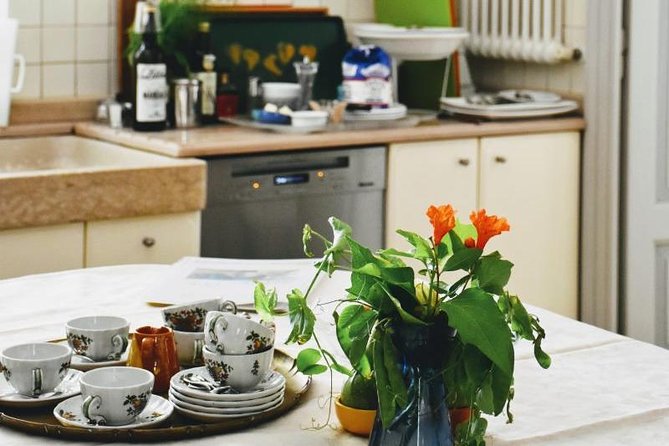
- Aperitivo in the villa garden: finger food with local wine before pasta making
- Private, hands-on teaching: you prepare the dough and fill and shape your pasta
- Two Parma-style pastas: tagliatelle al pomodoro and tortelli d’erbetta with ricotta, spinach, Parmigiano Reggiano
- Lunch or dinner included: your meal is part of the experience, not an add-on
- Practical take-home support: recipes, tools, and even a complimentary apron
- Dessert you can taste later at home: sbrisolona with coffee
Aperitivo in Antonia’s Parma Villa Garden (No Flour Yet)
The best part of this class starts before cooking. You meet the cook at her villa—outside the center of Parma—with a quick, relaxed aperitivo in the garden. If you pick the lunch session, you’ll arrive at 10:30 am; for dinner, it’s 4:30 pm. The pacing is smart: you’re chatting and snacking with a glass of local wine while you get oriented, then you switch gears into cooking.
This matters because pasta lessons can go two ways. Either you jump straight into flour and feel behind, or the group settles first and you learn without stress. Here, you get that easy landing. In the accounts I read, people felt at home the moment they walked in, and that’s the vibe I think you’ll want if you’re not a confident kitchen person.
You’ll also be in a private setting with only your group, so questions aren’t awkward. You can ask why something works a certain way or what to watch for in the dough without worrying you’re slowing everyone down. Just be aware that this is not a quick stop. Expect a full 4-hour block of time, with your day structured around the start and end times.
You can also read our reviews of more tours and experiences in Parma.
The Class That Teaches Real Skills: Egg Pasta and Tortelli d’erbetta
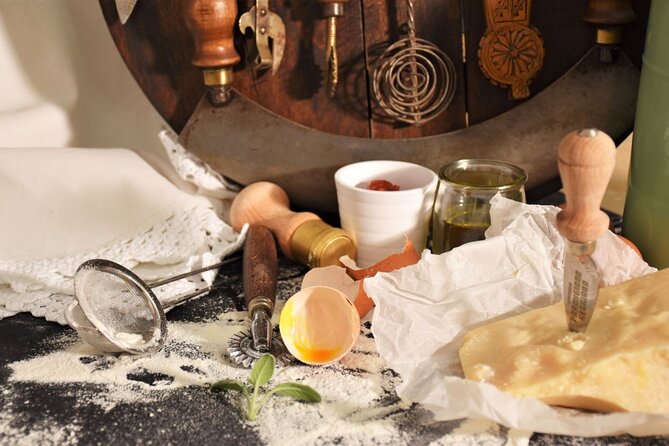
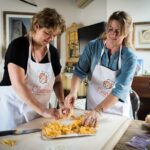
The cooking time is where this experience earns its reputation. You begin by learning fresh egg pasta from scratch—starting from flour and eggs—and you’re not just watching. You’ll be hands-on for the whole cooking class, which is the difference between a demo and a skill you can bring home.
You’ll learn two dishes:
- Tagliatelle with tomato and basil (tagliatelle al pomodoro)
- Tortelli d’erbetta, filled pasta with ricotta, spinach, and Parmigiano Reggiano
In Parma, Parmigiano Reggiano isn’t a background ingredient. It’s a defining flavor, and the filling shows it off. Tortelli d’erbetta is also a classic of the region, so you’re not just learning an arbitrary “Italian recipe.” You’re learning food that makes sense in Parma’s own cooking culture.
What you’ll likely appreciate as a learner: the lesson is built around technique, not fancy shortcuts. Kneading, rolling, and shaping matter. When you’re doing it yourself, you’ll understand what a good texture feels like—something that photos and restaurant plates can’t teach. Even if your first attempt isn’t perfect (it probably won’t be), the guidance helps you get close enough that you can reproduce it at home.
And yes, you’ll probably feel a little proud when you see your filled pasta ready to cook. That confidence boost is real. One person said it took only a few short hours to believe they could make filled pasta by hand afterward, and that’s exactly what you should hope for.
How the Private Setup Makes Learning Feel Effortless
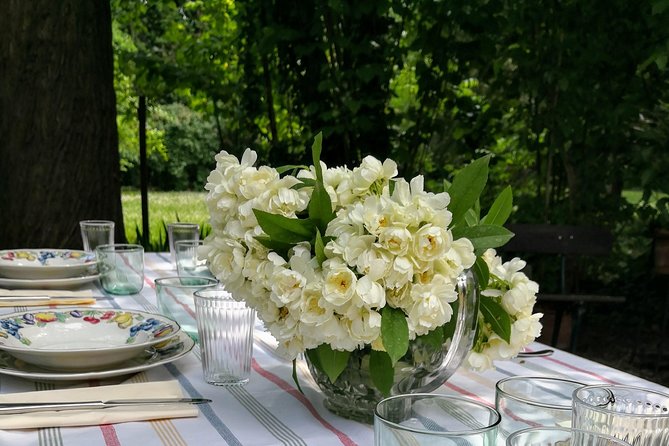
This isn’t a big group class where you get one quick moment with the instructor. It’s private, so your cook’s attention stays with you. You’ll start by observing her work, but then you move into doing the same steps yourself—again and again enough to actually learn.
That undivided attention matters for pasta because small changes can throw you off: dough stiffness, rolling thickness, filling distribution, and sealing technique. When you’re working one-on-one (or one-on-group), you can correct those small issues before they become big problems.
You’ll also have practical support:
- cooking tools and ingredients are provided
- a complimentary apron
- recipes to take home
- an English-speaking local cook
Recipes are more useful than people think. When you’re recreating pasta later, it’s the measurements and step order that save you from guesswork. Also, having recipes lets you practice with less pressure. You can make the dishes again and compare what you did to what you’re aiming for.
One more note: even though this is a private experience, it’s still designed like a shared meal event. The cooking and eating flow together—so you’re not rushing through steps just to be done. That relaxed tempo helps, especially if you’re visiting for only a short time.
Lunch or Dinner in the Villa: Wine, Sit-Down Meal, Dessert, Coffee
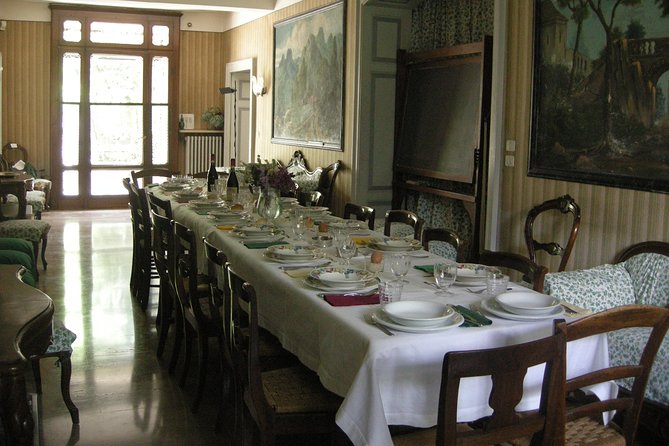
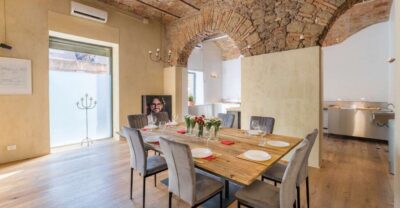
At the end of the cooking lesson, you and the cook sit together in a nice setting in the villa and enjoy what you made. The meal is included, and it’s not just a “light bite.” You’ll have a starter with local cured meats and Parmigiano, two pasta mains, and dessert, finished with coffee.
Timing is clear:
- Lunch option: ends at 2:30 pm
- Dinner option: ends at 8:30 pm
If you’re the kind of traveler who likes to feel like you had a real Italian evening (not just a quick activity), this part will satisfy you. In the accounts I saw, people loved eating outdoors under twinkly lights, which fits the villa setting beautifully. Even if the weather is less cooperative, the experience is still built around a proper meal atmosphere.
The wine inclusion is part of that: you’re not waiting until dinner to drink. You start with wine during the aperitivo, then you sit down for the meal with local wine matched to what you cooked. That pairing approach makes the food feel intentional.
Dessert is sbrisolona, a regional almond cake that ends the experience on a crunchy, comforting note. It’s the kind of sweet that feels like Parma, not generic Italy. And coffee at the end rounds it out—because you’re finishing a full experience, not just a class.
Parma Flavors You’ll Taste and Understand
This is one of those classes where the menu tells you what matters in Parma cooking. Your starter includes:
- prosciutto di Parma
- salame
- parmigiano reggiano
- local wine
These cured meats and Parmigiano aren’t random picks. They’re the pillars of what you’ll keep seeing around Parma, so tasting them here at the start gives you context for the pasta that follows.
Then the main dishes bring the lesson full circle:
- Tagliatelle with tomato and basil is classic and recognizable, which helps you build confidence.
- Tortelli d’erbetta is more specific to the region. The ricotta, spinach, and Parmigiano filling gives you a flavor combination that feels “Parma-first.”
Finally, the dessert—sbrisolona—is a regional favorite that many people don’t try unless they’re in the area. Having it after coffee makes this feel like a real local meal, not a classroom snack.
The practical takeaway: once you’ve made tagliatelle and tortelli, you start noticing what makes Parma food Parma—especially the balance between cured meats, cheese-forward flavors, and hearty fillings.
What $318.42 Buys: Value Beyond the Recipe
Let’s talk money in a clear way. At $318.42 per person for about 4 hours, you’re paying for far more than “someone shows you how to cook.” You’re getting:
- a private cooking lesson
- ingredients and cooking tools
- a local English-speaking cook
- recipes to take home
- alcoholic beverages (local wine)
- lunch or dinner included
- dessert and coffee
If you tried to recreate this value on your own, you’d likely pay separately for a guided class, ingredients, and a sit-down meal with wine. Here, they’re bundled into one smooth evening or afternoon.
Also, the fact that it’s booked about 46 days in advance on average tells you something useful: people plan their Parma time and want this specific kind of experience. If you know you’re coming during busy weeks, booking earlier is usually smarter.
There’s also mention of group discounts. Since it’s private only for your group, that can matter if you’re traveling with friends or family and splitting the total.
Dietary Needs and How to Make It Work for You
Food allergies and dietary restrictions can be a deal-breaker—or they can be handled well—depending on how early you communicate. This experience specifically says that if you have dietary restrictions or food allergies, you should inform them at booking so an alternative menu can be suggested.
That’s all you can ask for from a cooking class: a clear path for changes. Still, I’d treat it like this—if you have restrictions, send them your details promptly when booking and clarify what you can’t eat. That gives the cook time to adjust the menu in a way that still matches the spirit of the lesson.
And if you’re not restricted, the menu is already structured: aperitivo starter, two pasta dishes, sbrisolona, coffee. It’s a full meal, not a salad-and-hope situation.
Who Should Book This Pasta Class in Parma?
You’ll be happiest with this experience if you like food that’s hands-on and local. It’s a great fit if:
- you want to learn filled pasta techniques (not just boil pasta and call it a day)
- you enjoy a sit-down meal with the cook while it’s still fresh and personal
- you like tasting Parma staples like Parmigiano Reggiano and prosciutto di Parma in context
- you prefer a private setting where questions are easy
It may not be ideal if you’re short on time or you only want a quick tasting. This is a focused 4-hour block that ends at 2:30 pm or 8:30 pm, so you’ll want your Parma schedule to leave room for it.
Also, since the cooking is taught in English and the cook is local, it’s a smooth option for English-speaking visitors who still want something authentic—not a generic tourist demo.
Should You Book This Private Villa Cooking Class?
My take: this is a strong buy if you want a true Parma food experience that includes both skill-building and a real meal. The highlights are the hands-on pasta lesson (tagliatelle and tortelli d’erbetta), the relaxed aperitivo first start, and the fact that the cooking doesn’t end with dishes on a table—it turns into lunch or dinner with local wine, sbrisolona, and coffee.
If you can plan around the fixed start times and you’re okay handling your own way to a villa outside the center, I think you’ll feel like you got more than your money’s worth. You’ll leave with recipes, confidence in basic pasta skills, and a Parma menu you can name—clearly.
FAQ
What time does the lunch option start?
The lunch option meets at 10:30 am and ends at 2:30 pm.
What time does the dinner option start?
The dinner option meets at 4:30 pm and ends at 8:30 pm.
How long is the cooking class experience?
It lasts about 4 hours (approx.).
Is this experience private?
Yes. Only your group participates.
What pasta dishes do you make?
You’ll prepare fresh egg pasta and make two types of pasta: tagliatelle with tomato and basil, and tortelli d’erbetta with ricotta, spinach, and Parmigiano Reggiano.
Are meals included?
Yes. You get lunch or dinner depending on your selected starting time, plus dessert (sbrisolona) and coffee.
Is local wine included?
Yes. Alcoholic beverages (local wine) are included.
What’s included besides the food?
You’ll have cooking tools, ingredients, a complimentary apron, and recipes.
Where is the meeting point in Parma?
The meeting point is Via Mantova, 23, 43123 Parma PR, Italy.
Can you accommodate dietary restrictions or allergies?
You should inform them at booking. An alternative menu can be suggested if you have dietary restrictions or food allergies.
What is the cancellation policy for a full refund?
You can cancel for a full refund up to 24 hours before the experience’s start time. If you cancel less than 24 hours before, the amount paid is not refunded.
If the minimum number of travelers isn’t met, you’ll be offered a different date/experience or a full refund.