REVIEW · TOKYO
Tokyo: Japanese Cooking Class – Bring the flavors of Japan to France
Book on GetYourGuide →Operated by Yumiko Mizutani · Bookable on GetYourGuide
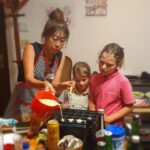
Karaage tastes better at home. This Tokyo class is interesting because you cook everyday Japanese favorites with Yumiko Mizutani and her daughter Yuri, with instruction in French. I love the small group (max 3 people), and I love that the recipes use ingredients you can realistically source in France; the one drawback to weigh is the house has cats, so people with animal allergies should skip it.
I also like the way the lesson goes beyond one dish. You’ll learn a full mini-meal—main, sides, soup, and rice/onigiri—then plate it on Japanese ceramics and finish with tea. If you’re expecting a loud, commercial “show,” this is quieter and more intimate, set in a home kitchen.
In This Review
- Key highlights you’ll feel right away
- A small-group Japanese home kitchen near Futako-Tamagawa Station
- Price and value: what $89 buys in Tokyo for 150 minutes
- The menu: karaage and a full Japanese meal you can recreate
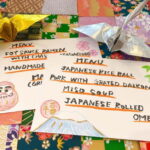
- Main: Karaage (fried chicken)
- Sides: Teriyaki salmon + sesame vegetables
- Soup: Miso soup with pork and vegetables
- Rice or Onigiri
- Vegetarian option (plan ahead)
- French instruction with Yumiko, Yuri, and an assistant in the background
- The cooking rhythm: hands-on time, clear steps, and actual tasting
- Tea, warm atmosphere, and the small ceremony of finishing
- Cats in the house: a practical consideration you shouldn’t ignore
- What to bring (and what you don’t have to)
- Who this class is best for
- Should you book this Tokyo Japanese cooking class?
- FAQ
- How long is the cooking class?
- Is this class taught in French?
- What do we cook during the class?
- How big is the group?
- Where is the meeting point in Tokyo?
- Do I need to bring any cooking supplies?
- Is it safe to book if I have allergies?
Key highlights you’ll feel right away
- Max 3 people means hands-on help while you cook, not just watching from the side
- French instruction with an assistant for communication, plus Yuri for clear guidance throughout
- A real home menu built around karaage, miso soup, teriyaki salmon, sesame vegetables, and rice/onigiri
- Recipes designed for France: ingredients are meant to be easy to find after you return
- Japanese ceramics + tea turn the meal into a small ceremony, not just a class-and-dash
A small-group Japanese home kitchen near Futako-Tamagawa Station
This isn’t the kind of cooking class where you fight for space at a crowded counter. You’re meeting in a simple, easy-to-find spot: outside the East exit of Futako-Tamagawa Station, just in front of McDonald’s. From there, the experience shifts quickly into something more personal—warm, homey, and paced for actual cooking, not rushing.
The class runs 150 minutes, and that time matters. In a short workshop, you’d normally get one “headline” recipe. Here, you get a full set of dishes that make sense together: fried chicken for texture and crunch, miso soup for comfort, teriyaki-style elements for balance, plus rice or onigiri to round it out.
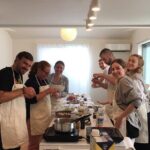
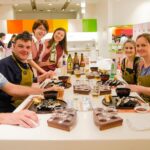
The group size is the biggest practical advantage. With a maximum of 3 participants, you’re more likely to get questions answered while your food is actively cooking. That’s also why beginners do well here: you can ask without feeling like you’re slowing everyone down.
You can also read our reviews of more tours and experiences in Tokyo.

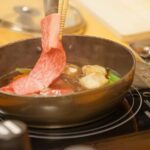
Price and value: what $89 buys in Tokyo for 150 minutes
At $89 per person, you’re not just paying for instructions. You’re paying for a complete cooking experience that includes meals, ingredients, utensils, and step-by-step guidance in French.
Here’s what “value” looks like in real terms:
- You’re provided an apron loan, plus towels and slippers, so you don’t need to show up prepared like it’s a workshop lab.
- You receive recipes designed to be doable later, not vague “chef tips.”
- The menu uses approachable home-cooking staples—so you’re learning techniques you can repeat, not just copying plated food.
Also, the format is small enough to feel like a private lesson without the private-lesson price tag. If you’ve ever taken cooking classes in big groups, you know the downside: one person gets the butter, the other person gets the leftovers of explanations. This avoids that.
The menu: karaage and a full Japanese meal you can recreate
The class focuses on Japanese dishes that Japanese people actually eat in everyday life. You won’t just do ramen-or-sushi cosplay. You’ll cook a menu that feels practical, comforting, and very “France-friendly” in ingredients and method.
Main: Karaage (fried chicken)
Karaage is the star. It’s popular in Japan and also widely loved in France because it delivers that addictive mix of crisp edges and juicy interior.
In class, you’ll learn the approach that makes karaage work: how to prep and season, how to handle the frying step carefully, and how to keep it from turning soggy. The goal isn’t restaurant theatrics. It’s repeatable technique.
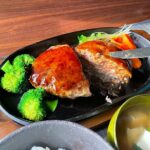
Sides: Teriyaki salmon + sesame vegetables
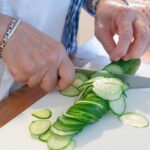
You also get a “two-direction” lesson—one dish with a sweet-salty sauce profile (teriyaki salmon), and another built around sesame flavor (sesame vegetables). Together, they teach balance: one rich and glossy, the other light and nutty.
This matters for home cooking. Many people can fry something, but they struggle to build a plate that feels complete. Here, you’re practicing that balance while someone is guiding you in French.
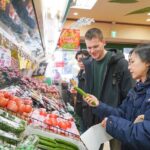
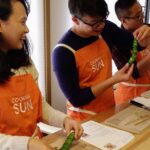
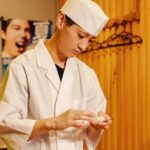


Soup: Miso soup with pork and vegetables
Miso soup is where Japanese cooking turns into comfort food. Expect a lesson centered on flavor-building rather than complicated steps. Miso plus pork and vegetables gives depth without being fussy, and it’s the kind of dish that makes leftovers feel like a meal upgrade.
Rice or Onigiri
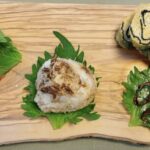
You finish the meal with either rice or onigiri (rice balls). Onigiri is especially useful if you like quick snacks or lunchbox food. Even if you pick rice, you’ll still walk away with clear ideas for portioning and serving in a way that looks and tastes “right,” not just convenient.
Vegetarian option (plan ahead)
Vegetarian menus are available, but you have to message in advance so the menu can be adapted. If you’re vegetarian, do not assume the default menu will magically switch—this one needs a heads-up.
French instruction with Yumiko, Yuri, and an assistant in the background
Language can make or break a cooking class. This one is taught in French, and there’s an assistant present to help communication during the workshop. That means you’re less likely to feel stuck when a step requires tiny adjustments.
Yumiko Mizutani is the host and instructor, and her daughter Yuri has lived in France, which helps with clarity and pacing for French-speaking participants. The vibe you’re looking for is: warm, patient, and practical.
One thing I really like about this teaching setup is that it’s not just translation. It’s teaching. Yuri’s explanations help you understand what you’re doing and why. That’s the difference between eating a nice meal once and cooking it again later with confidence.
And yes—you’ll likely talk. This is set up for interaction, not a silent “cook along” lecture.
The cooking rhythm: hands-on time, clear steps, and actual tasting
A cooking class should do two things: teach technique and make you taste your results along the way. Here, you do both.
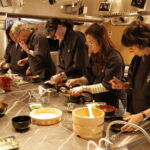
You’ll cook together, with participation encouraged throughout the activity. That means you’re not just chopping while someone else handles the hot stove. You learn by doing, and you get feedback as you go.
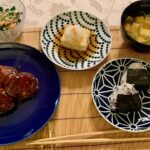
Also, the workshop uses beautiful Japanese ceramics to plate the dishes. That’s not a pointless aesthetic detail. When your food lands in the right serving ware, you tend to eat more mindfully—and that makes the meal feel special, even if you cooked it yourself.
Tea, warm atmosphere, and the small ceremony of finishing
At the end, you’ll be served seasonal tea carefully selected by the hostess. You’ll also have a welcome tea earlier, plus free tea during the experience.
This part sounds small, but it changes how you remember the class. After frying and simmering, it’s nice to pause and reset. It turns the workshop from a “busy task” into a full experience—food, conversation, and a calmer finish.
Cats in the house: a practical consideration you shouldn’t ignore
Important practical note: there are cats in the house, and they’re kept away during the cooking session. Still, if you’re sensitive around animals, treat this as a real factor.
The same goes for allergies. The activity isn’t suitable for people with animal allergies or food allergies. If you have any allergies or concerns, contact the provider before booking so you don’t waste time—or risk disappointment.
What to bring (and what you don’t have to)
You don’t need to come dressed like a chef. You’ll get:
- Apron loan
- Towels and slippers (so you can come as you are)
Beyond that, just show up ready to cook and ask questions. If you’re new to Japanese cooking, that’s fine. Beginners are welcome, and the French instruction plus the assistant support means you’re not left guessing.
One more small rule: smoking is not allowed, including indoors. Easy to follow, but worth knowing.
Who this class is best for
This workshop is a strong match if you:
- Want authentic everyday Japanese food, not just sushi and ramen
- Speak French (since the instruction is in French)
- Like small-group experiences where you can get help while you cook
- Want recipes you can replicate with ingredients found in France
- Prefer a home-style atmosphere over a production line
It’s less ideal if you:
- Have food allergies or animal allergies
- Need a class designed for very young children (it’s not suitable for children under 6)
- Expect a big group, English-only instruction, or a “walk-through then watch” format
Should you book this Tokyo Japanese cooking class?
I think it’s a book-worthy option for the right person. If you want a small, French-led cooking class where you learn a full Japanese meal—karaage, miso soup, teriyaki salmon, sesame vegetables, and rice/onigiri—this is the kind of experience that sticks because you can repeat it at home.
But check your fit first. If you’re allergic to cats, have food allergies, or are uncomfortable with the home setting, skip it. Also, if French instruction is a deal-breaker, you may find this challenging.
If you’re set on cooking something real, learning technique, and leaving with recipes you can actually use back in France, this one makes sense.
FAQ
How long is the cooking class?
The class lasts 150 minutes.
Is this class taught in French?
Yes. The experience is in French, and an assistant is present to facilitate communication in French during the workshop.
What do we cook during the class?
The class includes a menu such as karaage (fried chicken), miso soup with pork and vegetables, teriyaki salmon, sesame vegetables, and rice or onigiri. Vegetarian menus are also available if you contact in advance.
How big is the group?
It’s a small group limited to a maximum of 3 participants.
Where is the meeting point in Tokyo?
Meet in front of the McDonald’s, just outside the East exit of Futako-Tamagawa station (Den-en-toshi and Ōimachi lines).
Do I need to bring any cooking supplies?
No. Apron loan is provided, and you’ll also have towels and slippers available.
Is it safe to book if I have allergies?
No, it’s not suitable for people with food allergies or people with animal allergies. If you have concerns, contact the provider before booking.