REVIEW · ROME
Rome: Five Shapes of Pasta Cooking Class in Ancient Tavern
Book on GetYourGuide →Operated by Professional Lab Pasta Experience · Bookable on GetYourGuide
Rome’s pasta lesson feels like theater. In a converted Antica Osteria from the late 1800s, you’ll roll dough, form five famous pasta shapes, and eat an actual full meal you helped make. I especially love the hands-on technique with a wooden pin and the way the class turns into a proper dinner with prosecco and tiramisu. One thing to consider: it’s a tight 3-hour block, so plan your day around it.
You’ll be in a small group (up to 10), guided in English or Italian by the chefs, with Emanuele and Angelo frequently mentioned for their humor and fast feedback. The room is set up for learning and for food safety, and you’ll even get a complimentary chef hat with the Pastificio Faini logo—small touch, big morale boost.
In This Review
- Key highlights to know before you go
- Cucina tavern start: where the cooking class really begins
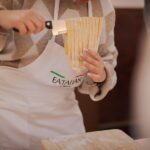
- Turning dough into dough sheets with a wooden pin
- Five classic pasta shapes you’ll make by hand
- Rolling and forming are only half the meal
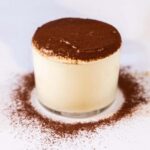
- Express tiramisu: the sweet finish with real momentum
- Value check: is $67.19 really a good deal?
- Language, pacing, and who thrives in this class
- Dietary needs and safety: what’s supported (and what you should do)
- Final verdict: should you book this Rome pasta class?
- FAQ
- What pasta shapes will I make in this class?
- How long is the cooking class in Rome?
- Is the class in English?
- What’s included with the $67.19 price?
- Do they accommodate allergies?
- How big is the group?
- Where do I meet and where does it end?
Key highlights to know before you go
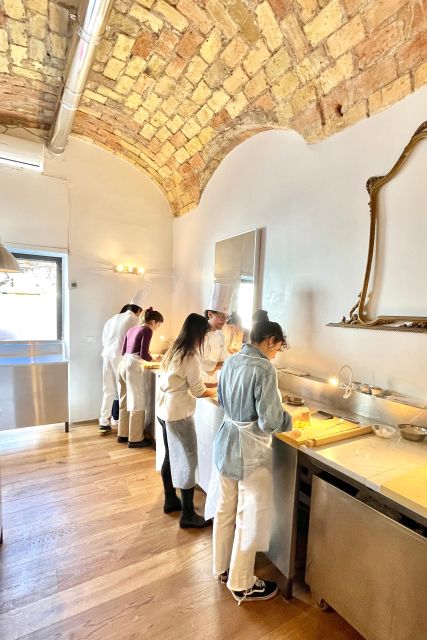
- Five pasta shapes, not just one: ravioli, agnolotti del plin, tortellini, cappelletti, and fettuccine
- Wooden rolling pin technique: you learn how to thin and sheet pasta dough properly
- Two pasta sauces included: you make the pasta and then taste it with two different sauces
- Food, drinks, and dessert inside the class: prosecco and cheese up front, full meal in the middle, express tiramisu at the end
- Small group learning with chef help: limited to 10 participants, so you’re not stuck watching
- Safety matters: HACCP certified for food hygiene and safety in 2020
Cucina tavern start: where the cooking class really begins
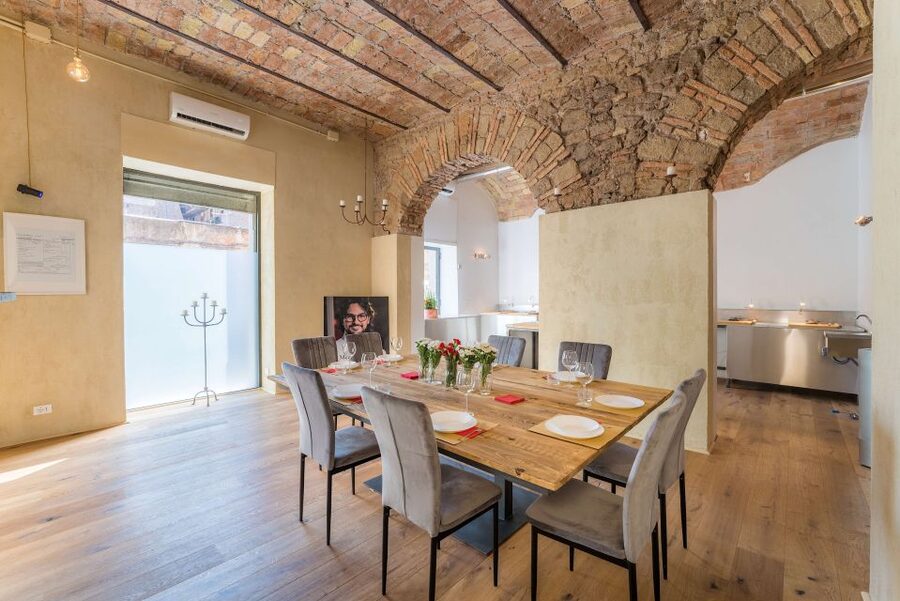
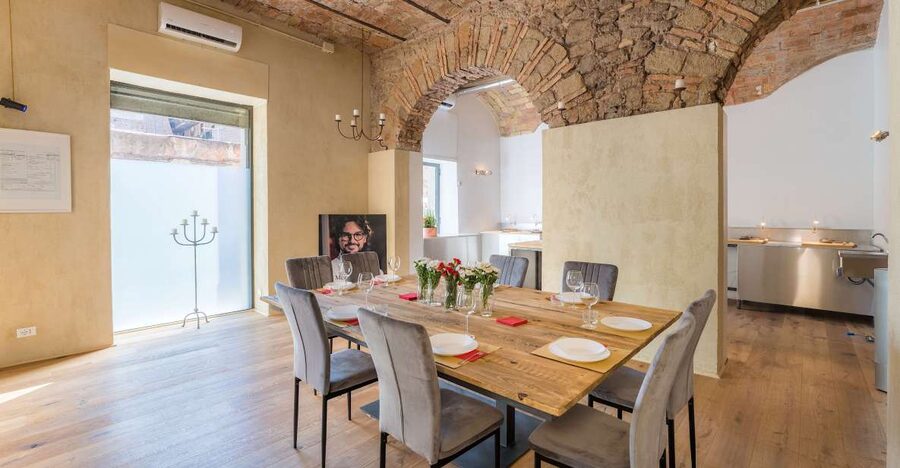
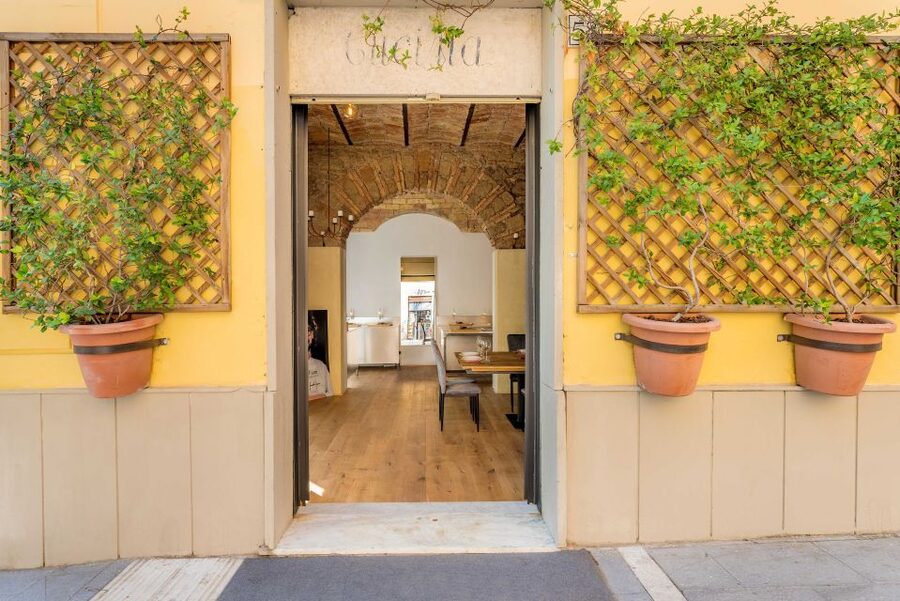
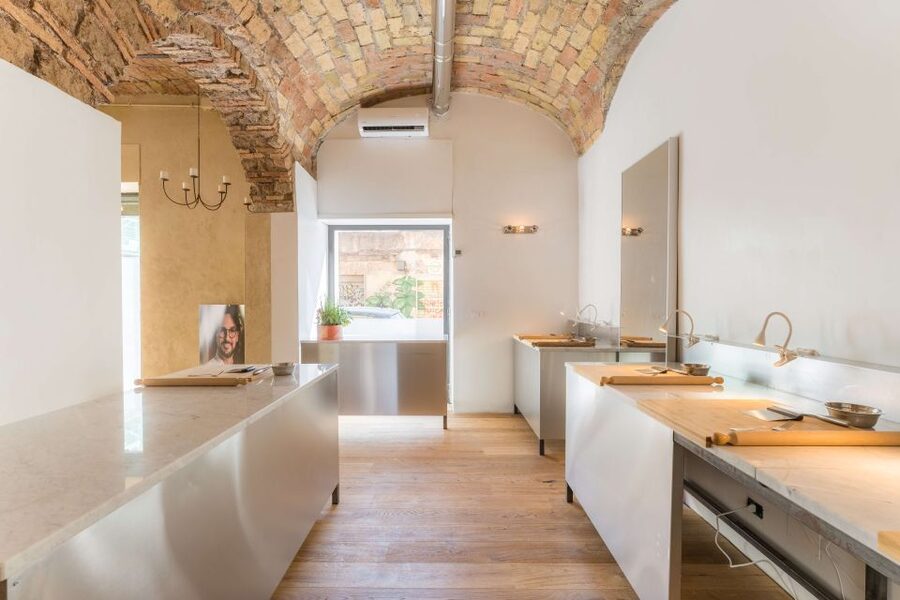
The meeting point is an old osteria called Cucina. You’ll spot the original osteria sign carved into marble above the entrance. That detail matters more than you’d think, because it sets the tone: this isn’t a studio where you churn out dinner. It’s an authentic Rome-style room that feels like the past, but is run like a working school.
When I look for a Rome cooking class, I want two things: atmosphere and instruction. This one nails both. The tables are set for eating, and the kitchen setup supports hands-on work. You’re also told about safe cutting procedures along the way, which helps if you’re new to using tools around food.
One practical note: this experience isn’t marketed as a sit-and-sip cooking show. It’s closer to active workshop mode. If you like hands-on experiences more than museum-style activities, you’ll be in the right place.
You can also read our reviews of more tours and experiences in Rome.
Turning dough into dough sheets with a wooden pin
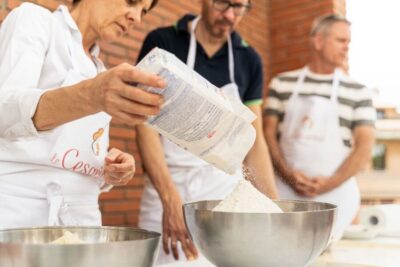
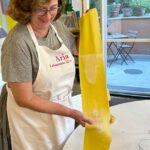
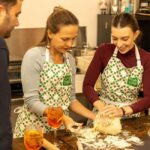
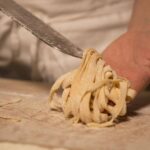
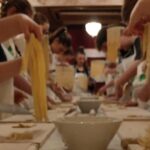
The core skill you’ll practice is making and rolling fresh pasta dough from scratch. Then you move into the thinner dough sheet stage, using a wooden pin in a more professional technique than the average home video.
Here’s what you should pay attention to as you roll:
- Keep the dough moving: don’t fight it. If it resists, it’s usually too dry or too thick.
- Work evenly: your goal is a sheet that cooks consistently, especially when you’re forming filled shapes.
- Follow the chef’s guidance fast: these classes reward listening early, not perfecting later.
The benefit of learning the sheet technique is that it makes everything after it easier. Filled pasta—like ravioli and tortellini—depends on you being able to seal dough cleanly. And even the simpler shapes, like fettuccine, still rely on dough sheets that aren’t too thick or too uneven.
You’ll also get a sense of how Italian pasta dough behaves in real time. Store-bought pasta never teaches you that.
Five classic pasta shapes you’ll make by hand
This class is built around a “learn it, make it, eat it” loop. The real win is that you’re not just assembling one signature shape. You’re creating five distinct styles, each with its own approach.
You’ll make:
- Ravioli: learn portioning and sealing so the filling stays put.
- Agnolotti del plin: a more defined, “pinched” style that asks for careful shaping.
- Tortellini: one of the famous ring-shaped classics, where sealing and form matter.
- Cappelletti: another iconic filled shape, with its own folding rhythm.
- Fettuccine: simpler in concept, but still dependent on good rolling thickness.
Two things make this especially valuable in Rome. First, the shapes are described as original and famous Italian fresh pasta forms, not modern “fusion” versions. Second, you actually do the motions rather than watching someone else do them.
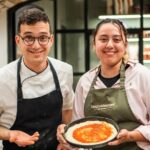
And yes, the chefs bring energy. In the experience I read about, Emanuele and Angelo are described as funny and engaging, with encouragement and quick corrections when something isn’t working. One review even mentioned that even a garlic allergy situation could be handled by adjusting ingredients and using a separate sauce, so the learning stays inclusive.
So what should you aim for? Don’t chase perfection. Aim for technique you can repeat. If you can form and seal filled pasta reliably during the class, you’ll be able to recreate something similar at home.
Rolling and forming are only half the meal
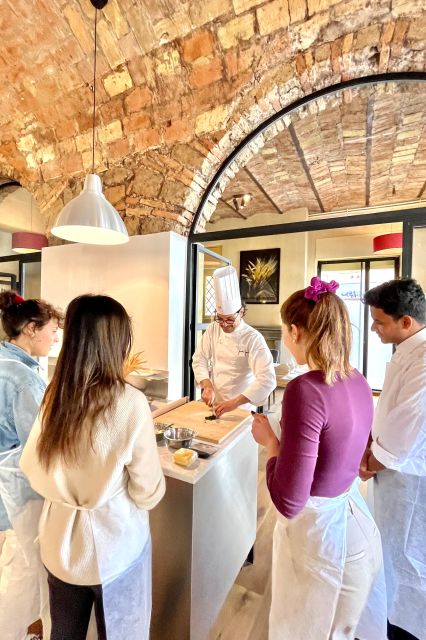
The other half is what happens right after you’ve made your pasta: you taste it with sauces, wine, and local add-ons.
The experience includes:
- an appetizer with prosecco and Italian cheese
- tasting local cheese alongside fresh prosecco
- a full Italian meal
- and a dessert course at the end
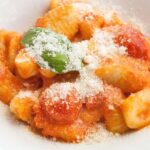
You’ll also eat the two plates of pasta that you handmade, paired with two different sauces. That matters because it lets you connect the shape to the sauce. In practical terms: even if two dishes use the same base dough, the final bite changes based on sauce choice and how the pasta holds it.
Chef-led sauce explanations are part of the value here. You’re not just told what to pour. You get a sense of why the sauce pairs well, which helps if you want to cook at home afterward instead of repeating the class exactly.
If you enjoy food, this part is where it clicks. The class doesn’t end when the work does. You sit down, you eat, and you get to understand what you actually produced.
Express tiramisu: the sweet finish with real momentum
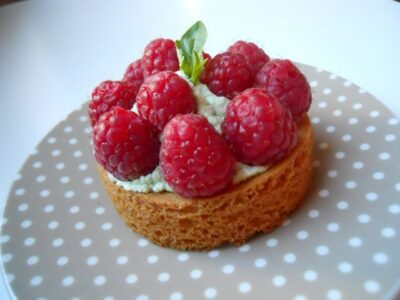
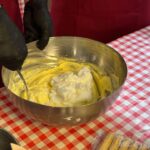
At the end, you’ll do an express preparation of tiramisu. This is a good target for a cooking class because it’s achievable in a short time and still tastes like the real thing.
You’re also served the dessert after cooking, which keeps the pace moving. The class structure matters: pasta takes effort, then the tiramisu shifts the mood to celebration. Reviews describe this ending as a highlight, not an afterthought.
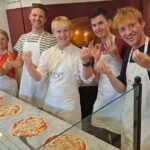
And don’t miss the little perk: to all participants, you’ll be offered a complimentary Professional Chef Hat with the Pastificio Faini logo. It sounds silly until you realize what it does. It signals that you’re learning like a mini-culinary student, and it gives you something to remember the night by besides photos.

Value check: is $67.19 really a good deal?
At $67.19 per person, this pasta class may sound like “tour pricing.” But the way it’s packaged, it usually feels fair—especially for Rome.
Why the value holds up:
- You get a full meal, not a small tasting plate.
- You make multiple pasta shapes from scratch (five types). That’s real labor and real instruction.
- Drinks are included: prosecco up front, plus wine with the meal per the class highlights.
- Dessert is included via express tiramisu preparation.
- Group size is small (up to 10), which means more hands-on time and better access to the chefs.
If you’re the type who hates paying for “watching,” this is built for participation. You’ll still leave with a stomach full of pasta and an idea of how the technique works, not just the memory of a pretty plate.
The one cost to consider isn’t money. It’s time. Three hours goes fast when you’re rolling dough and shaping filled pasta.
Language, pacing, and who thrives in this class
The instruction is available in English and Italian, and the chefs manage the pace so beginners can follow along. Multiple reviews mention that even people who have made pasta at home realized they were doing things differently—especially around rolling thickness and technique.
This class tends to work best for:
- couples who want a shared activity that ends in dinner
- food lovers who like learning methods, not just tasting
- families with teenagers (reviews mention teens and adults enjoying the experience)
It may not be ideal if you have mobility impairments, since it’s listed as not suitable for that need category. Also, pets aren’t allowed.
Dietary needs and safety: what’s supported (and what you should do)
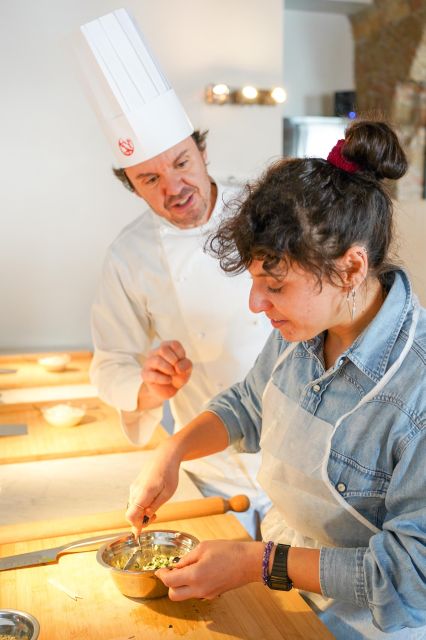
Food safety is explicitly addressed: the operation is HACCP certified for food hygiene and safety in 2020. You’ll also be guided through safe food cutting procedures during prep, which is reassuring if you’re not used to kitchen tools.
On dietary needs, the information you have here is practical rather than guaranteed. Reviews describe accommodations for an allergy situation (a garlic allergy) where the chef offered ingredient adjustments for ravioli/tortellini and provided a separate sauce so the person didn’t miss out.
My advice: if you have allergies or dietary restrictions, tell the provider when you book, and be specific about what you must avoid. With a class this hands-on, early communication gives the kitchen the best chance to make your meal work.
Final verdict: should you book this Rome pasta class?
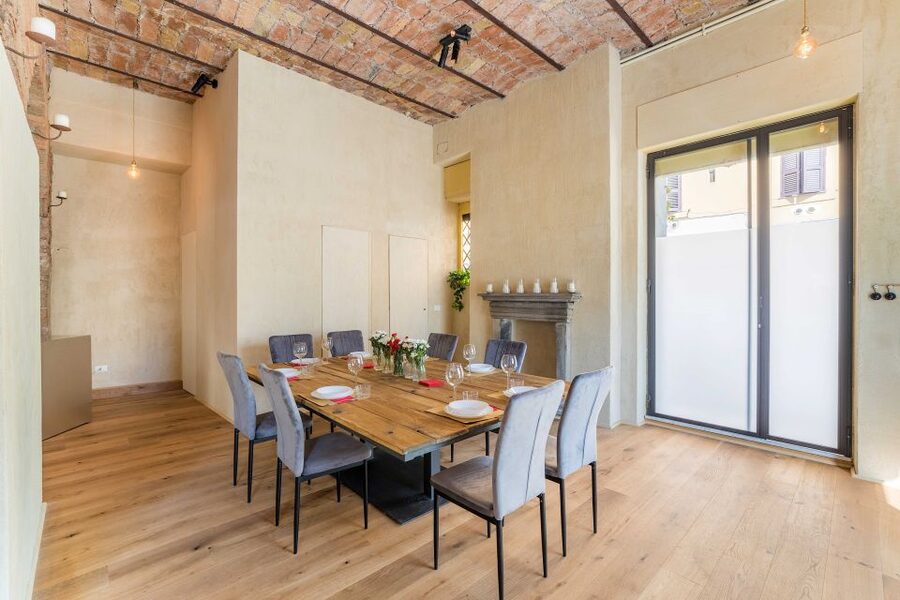
I’d book this if you want a Rome experience that feels personal, hands-on, and deeply food-centered. It’s not a demo. You learn to roll, shape, sauce, and finish with express tiramisu—all inside a small tavern setting that feels historically grounded.
Skip it if your schedule is too tight for a 3-hour block, or if mobility/access needs make the setup difficult. Otherwise, for the money and the payoff (five pasta shapes plus a full meal), this is one of the most practical “do it while you’re here” food classes in Rome.
FAQ
What pasta shapes will I make in this class?
You’ll make five pasta types: ravioli, agnolotti del plin, tortellini, cappelletti, and fettuccine.
How long is the cooking class in Rome?
The duration is 3 hours. You can check availability for the starting times.
Is the class in English?
The instructor provides instruction in English and Italian.
What’s included with the $67.19 price?
The price includes an appetizer with prosecco and Italian cheese, a full Italian meal, two plates of handmade pasta with two different sauces, and dessert with express tiramisu preparation.
Do they accommodate allergies?
The class can involve ingredient adjustments; for example, one review mentions accommodations for a garlic allergy, including a separate sauce. If you have allergies, tell the provider ahead of time when booking.
How big is the group?
The group is small, limited to 10 participants.
Where do I meet and where does it end?
You start at the old osteria named Cucina, recognizable by the original osteria sign in marble above the entrance, and the activity ends back at the meeting point.