REVIEW · LUZON
Private Filipino cooking class in a local Manila Home
Book on Viator →Operated by Traveling Spoon · Bookable on Viator
Want a real Filipino dinner in a real home? This private class with Isi turns a cooking lesson into a garden-to-table experience, with your own hands in the prep and full attention from a local host. I especially like the private-home setting—it feels like you’re stepping into daily Filipino life, not a studio show—and I love how the flavors are built around fresh calamansi, lemongrass, chilies, coconut milk, and fish sauce. One possible consideration: you’re on your own for getting to Taguig, since there’s no hotel pickup.
The experience is about 3 hours, starting at 10:00 am, and you’ll choose either a hands-on lesson or a cooking demonstration. You’ll also sit down to enjoy what you made, with lunch or dinner included and beer provided.
In This Review
- Key Highlights at a Glance
- A Manila Kitchen Lesson That Starts in the Garden
- Meet Isi: Ten+ Years in Food and a Nanay’s Influence
- What You’ll Cook: Filipino Comfort Foods With Calamansi and Coconut Milk
- Hands-On vs Demonstration: Pick the Level That Fits You
- Eating Like a Local: Lunch or Dinner at the Table You Cooked
- Price and Value: Is $90 Worth It?
- Who This Suits Best in Manila, and Who Might Prefer Another Option
- Practical Tips: Dress, Diet, and Making the Most of Your Session
- Should You Book This Private Filipino Cooking Class in Isi’s Manila Home?
- FAQ
- Where does the cooking class start, and when?
- How long is the class?
- Is hotel pickup included?
- What’s included in the price?
- Can I choose between hands-on cooking and watching?
- Are there vegetarian options?
- What dishes might be served?
- Is this a professional cooking class?
- What is the cancellation policy?
Key Highlights at a Glance
- Garden-first ingredient picking with Isi, including lemongrass and calamansi from her own plants
- Family-recipe cooking taught as tradition, not just technique
- Hands-on or demo style depending on how you want to participate
- Classic Filipino flavors in every plate: citrus, garlic, chilies, coconut milk, and fish sauce
- You eat the meal you cook in the comfort of a local chef’s home
- An enthusiast host with real industry experience plus her own chili-focused work through Chili Asylum
A Manila Kitchen Lesson That Starts in the Garden
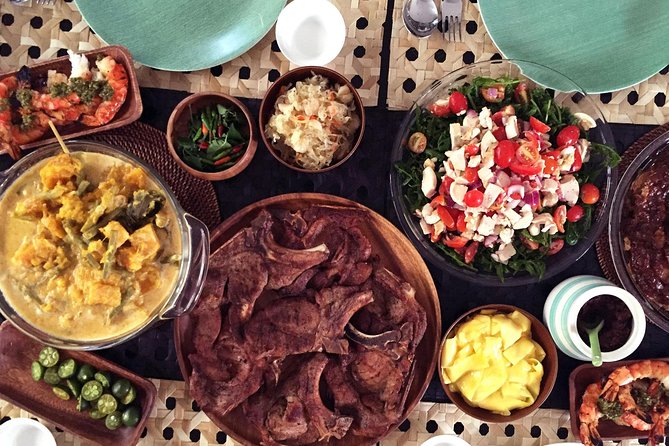
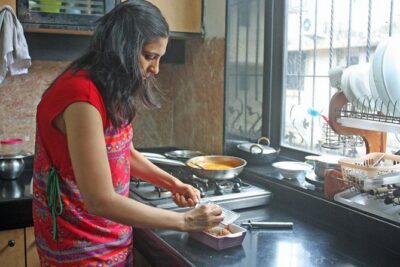
This class is built around one idea: Filipino cooking starts with ingredients that actually taste alive. Isi takes you through her small vegetable garden before you cook, so you’re not just following steps—you’re learning why certain flavors show up again and again in Filipino food. When calamansi is fresh enough to smell bright and punchy, you immediately get why it’s such a key citrus in both everyday dishes and big family meals.
From a traveler’s point of view, that garden start changes the whole vibe. You’ll arrive thinking you’ll learn recipes, then you end up understanding ingredients, seasonality, and the way Filipino home cooks balance sour, salty, savory, and heat. It also helps that you’re in a private setting, not sharing space with a tour herd, so questions come naturally.
One practical note: since there’s no hotel pickup, you’ll want to plan your timing and get to the meeting point in Taguig before the 10:00 am start.
You can also read our reviews of more tours and experiences in Luzon.
Meet Isi: Ten+ Years in Food and a Nanay’s Influence
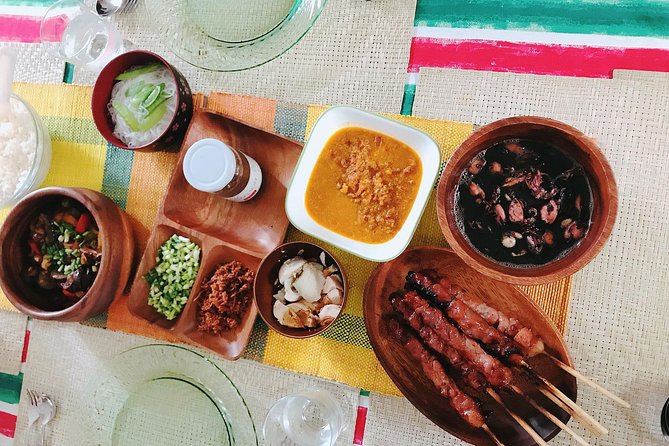
Isi isn’t a random “cook for hire.” She’s been in the food business for over ten years, creating recipes for dairy companies and restaurants, doing food styling and photography, and selling spices online. That background shows in how she teaches: she’s careful about how flavors work, but she keeps it clear and home-friendly instead of overly technical.
Her style is also rooted in family. She learned much of what she knows from her Nanay (grandmother), watching her cook fresh lunches and dinners every day as a kid. That matters because Filipino cooking can feel a little different from other cuisines: there’s often a strong sauce component, a push-pull between sweet-sour-salty, and a habit of using aromatics and citrus to wake up rich ingredients like coconut milk.
Isi has also started Chili Asylum, an institution focused on marketing fresh chilies and chili products sourced directly from Filipino farmers. So you’re not only learning to cook with chilies—you’re learning to think about where they come from and why fresh heat changes the dish.
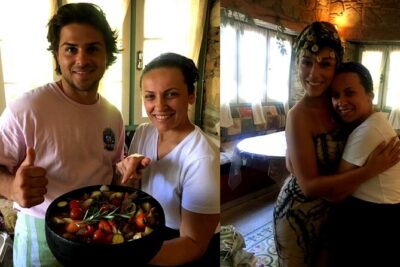
And yes, the overall tone from the reviews and the host description is warm. Guests describe her as inviting, and the best part is how she adapts the class to your comfort level, letting you do as much prep and cooking as you want.
What You’ll Cook: Filipino Comfort Foods With Calamansi and Coconut Milk
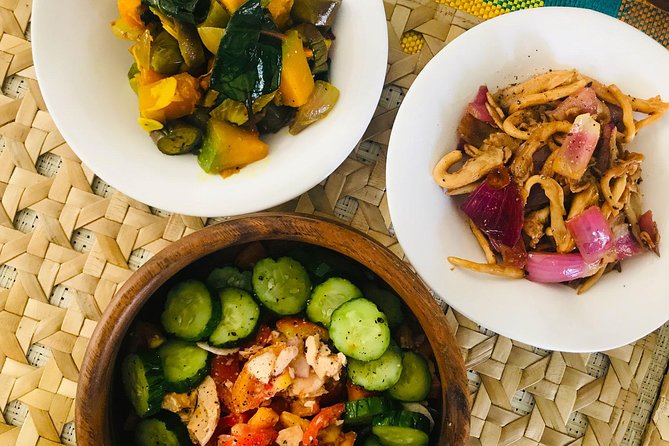
Your menu can vary, but you can expect a mix of Filipino family recipes that teach different flavor styles. Isi’s food is described as redolent of calamansi, garlic, chilies, coconut milk, and fish sauce. In plain terms: even if the dishes sound unfamiliar at first, your palate will start to recognize the patterns quickly.
Here are dishes that your class may include, plus what each one is likely to teach you:
Ensaladang pako
This is a local fern salad dressed with calamansi and raw honey. It’s a great “citrus intro” dish because calamansi adds sharp brightness while honey rounds it out. You’ll get to see how sour and sweet can sit side by side without canceling each other out.
Grilled shrimp in a cilantro chimichurri (Isi creation)
Chimichurri-style sauces are common across the region, but Filipino versions often lean into garlic, citrus, and herb-forward punch. The grilled shrimp teaches timing and seasoning, while the sauce teaches balance—how to keep herbs bold and not muddy, and how to make it taste cohesive with the seafood.
Ginataang kalabasa at sitaw
This coconut milk stew pairs squash with green beans. Coconut milk softens the heat and rounds the flavors, which is useful if you’re used to coconut milk staying heavy. The technique usually highlights simmering gently so the vegetables stay tender without turning to mush.
Mechado
Mechado is soy-marinated beef cooked with an onion and tomato sauce. It’s a lesson in depth: the soy marinade builds savory flavor, and tomato plus onion creates a sauce you want to spoon over rice. Even if you’ve never made a Filipino-style beef sauce, this dish helps you understand how Filipino meals often revolve around sauce.
Inihaw na baboy (grilled pork chops)
Grilled pork teaches you how Filipino home cooking uses aromatics and seasoning to make meat taste flavorful even before the sauce shows up. It’s also straightforward and satisfying, which makes it ideal in a class setting where you want results without complicated steps.
Calamansi pie dessert (made by her best friend Earnest)
Dessert is often where people realize calamansi isn’t only for savory dishes. A homemade calamansi pie is usually bright, mildly tart, and pleasantly creamy or buttery depending on the recipe. Learning how it’s used in dessert gives you a full picture of why calamansi matters across the menu.
If you’re vegetarian, don’t worry: a vegetarian option is available, and you should advise the kitchen at booking.
Hands-On vs Demonstration: Pick the Level That Fits You
One of the more thoughtful parts of this experience is the choice. You can opt for a hands-on lesson where you do the prep and cooking, or a cooking demonstration where you watch Isi prepare the meal while your guide explains what she’s doing.
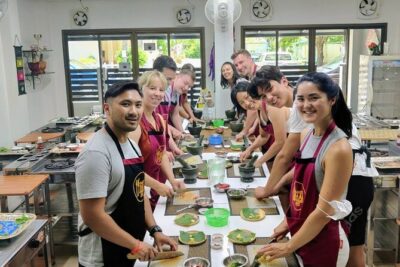
If you like doing, hands-on is the best way to learn. You’ll get a feel for chopping aromatics, testing seasoning, and understanding when to simmer versus when to let things reduce. Based on the feedback, guests liked being allowed to do as much of the prep and cooking as they wanted, which tends to produce a better learning experience than a rigid class script.
If you’re traveling with limited cooking stamina, or you simply prefer to learn by watching, the demonstration option keeps the experience comfortable. You’ll still get guided commentary about Filipino culinary culture and ingredients, and you’ll still sit down afterward to eat the results.
In both formats, your guide’s commentary is part of the value. Filipino food can be misunderstood if you only focus on recipes, so hearing the context helps you make sense of why certain ingredients show up together and why certain dishes feel familiar even when they’re regional.
Eating Like a Local: Lunch or Dinner at the Table You Cooked
The meal is included, and the class is designed so you cook and then sit down to eat together. That sounds simple, but it’s a big deal for value. Many cooking classes turn into a quick tasting and then you’re back out into the city. Here, the structure supports the point of the lesson: shared food, served warm, in a real home.
Your included drinks include beer, so you can settle in after the cooking work without having to think about ordering. Alcohol isn’t the focus, but it adds to the relaxed rhythm of a home dining experience.
This “eat what you make” setup also helps you learn faster. The moment you taste your own dish, you notice what you might’ve over-salted or under-balanced. Then, when Isi explains the flavor logic again, it clicks in a practical way.
And yes, you’ll be eating Filipino family recipes, not generic crowd-pleaser versions. That’s where the culture shows up: the way the meal is built around sauces, the way citrus wakes up richer flavors, and the way coconut milk and aromatics create comfort food that feels both everyday and special.
Price and Value: Is $90 Worth It?
At $90 per person for about 3 hours, this isn’t a budget-only activity. But it’s also not just “a cooking class.” You’re paying for a private experience in a local home with ingredient sourcing, guided instruction, and a full meal plus beer included, with taxes, fees, and handling covered in the price.
Here’s the value math I’d use:
- You’re getting a chef-hosted session with undivided attention from Isi. That private factor usually costs more than group classes.
- The meal isn’t an add-on. You cook and then eat, which is hard to replicate elsewhere for the same total cost.
- The experience centers on specific Filipino ingredients like calamansi and lemongrass, grown right there in the garden, and on recipes that reflect family tradition.
The one thing to consider is your expectations. This isn’t described as a professional, studio-style cooking school. If you want high-end equipment, formal culinary technique drills, and a very structured classroom environment, this may not match that. But if you want authentic food knowledge and a real home experience, the price starts to make sense fast.
Also, plan ahead: the experience is commonly booked about 41 days in advance on average, so earlier booking gives you more options.
Who This Suits Best in Manila, and Who Might Prefer Another Option
This experience is ideal if you:
- Want Filipino food taught in a personal way, through a local home cook with serious background
- Like learning with your hands, but still want a comfortable pace and room to ask questions
- Prefer “culture through food” over a history lecture in a classroom
- Are traveling with food curiosity and want to understand ingredients, not just copy recipes
It may be less ideal if you:
- Need hotel pickup, since you’ll be responsible for reaching Taguig and the meeting point
- Are expecting a fully professional cooking school format, since it’s clearly framed as an insider glimpse into a local home
- Have very complex dietary needs and haven’t had a chance to communicate them in advance (the info says dietary requirements should be advised at booking, so you’ll want to do that early)
The private format is a big plus. Only your group participates, which makes it easier to tailor the session and keep the atmosphere relaxed.
Practical Tips: Dress, Diet, and Making the Most of Your Session
Dress smart casual. This is a home setting with cooking involved, so you want to look neat enough for a relaxed meal but still be comfortable.
Tell them your dietary needs up front. A vegetarian option is available, and you should advise any specific dietary requirements at time of booking. If you have allergies, mention them early so Isi can plan around them.
Wear comfortable shoes. The class starts with time in the garden, which usually means uneven outdoor ground and time spent moving around.
Choose your participation style. If you love cooking, go hands-on. If you prefer watching and learning through explanation, choose the demonstration. Both paths end with you eating.
Finally, go in with a small mindset shift. Don’t treat it like a checklist of recipes to memorize. Treat it like learning a flavor language—citrus brightness, garlic and chili heat, coconut milk comfort, and the salty depth that Filipino sauces often rely on.
Should You Book This Private Filipino Cooking Class in Isi’s Manila Home?
If you want a real, personal Filipino meal experience in Manila, I think this is an excellent choice. The biggest reasons are practical: you cook, you eat what you made, and you do it in a chef-hosted home with undivided attention. The garden ingredient start also gives you something memorable that doesn’t feel generic.
Book it if you’re excited by flavors like calamansi and coconut milk and you want to understand Filipino family cooking patterns. Skip it if you’re mainly looking for a formal professional cooking-school environment or if you strongly need hotel pickup.
If you’re flexible, curious, and ready to learn from a real local cook named Isi, this class is one of those “time well spent” experiences that makes Manila feel personal, not just photographed.
FAQ
Where does the cooking class start, and when?
The experience starts in Taguig, Metro Manila, Philippines, with a start time of 10:00 am. It ends back at the meeting point.
How long is the class?
The duration is approximately 3 hours.
Is hotel pickup included?
No. Hotel pickup and drop-off are not included.
What’s included in the price?
You get a private Filipino cooking class with your host Isi, beer, lunch or dinner, and all taxes, fees, and handling charges, plus gratuities.
Can I choose between hands-on cooking and watching?
Yes. You can choose a hands-on lesson or a cooking demonstration. Let the host know your preference.
Are there vegetarian options?
A vegetarian option is available. You should advise at time of booking if you need it.
What dishes might be served?
The menu might include ensaladang pako, grilled shrimp with a cilantro chimichurri, ginataang kalabasa at sitaw, mechado, inihaw na baboy, and calamansi pie for dessert.
Is this a professional cooking class?
No. It’s described as an insider glimpse into Filipino culture and cuisine in a local home, rather than a professional cooking class.
What is the cancellation policy?
Free cancellation is available. You can cancel up to 24 hours in advance for a full refund.