REVIEW · LUZON
Private Market Tour and Filipino Cooking Class in Manila with Isi
Book on Viator →Operated by Traveling Spoon · Bookable on Viator
Citrus, chilies, and a real market walk.
This private Manila experience with Isi is interesting because you shop for Filipino ingredients first, then cook in her home using the flavors she grows and buys locally. I love the local market segment with its practical ingredient lessons, and I love how the meal is shaped by calamansi and lemongrass from her small garden.
You’ll get an insider’s view of Filipino family recipes, with tips you can actually use when you cook at home. One catch: there’s no hotel pickup, so you’ll want your own plan to reach the Taguig meeting point for the 9:30 am start.
Plan for about 4 hours 30 minutes of shopping, cooking, and eating together. After the class, you sit down to the meal you helped make, paired with included beer and dessert like calamansi pie.
In This Review
- Key takeaways before you go
- A private market-to-home class is the good kind of cultural tourism
- Taguig timing: getting there for a 9:30 am start
- Stop 1: the market with Isi and what you should watch for
- Isi’s garden tour: lemongrass and calamansi make the whole meal make sense
- Cooking in Isi’s kitchen: hands-on vs demonstration
- What you’ll cook, and how Filipino flavors work together
- Eating together: beer with your meal and a table-sized payoff
- Vegetarian and gluten-free? Ask early and expect smart adjustments
- Price and value: what $120 gets you (and what it doesn’t)
- Who this Manila experience suits best
- Should you book the Manila market and cooking class with Isi?
- FAQ
- How long is the private market and Filipino cooking class?
- Where does the tour start and end?
- What does the price include?
- Is hotel pickup included?
- Is this experience private?
- Can I choose between hands-on cooking and watching a demonstration?
- Are vegetarian and gluten-free options available?
- Are alcoholic drinks included?
- What is the cancellation policy?
Key takeaways before you go
- Ingredient shopping that explains the why: You learn what core pantry items do for flavor, not just what to buy.
- Isi’s home garden flavors: Lemongrass and calamansi show up in the way Filipino cooking tastes.
- Choose hands-on or demo-style: Tell Isi your preference before you start, and you’ll shape how interactive it feels.
- A home kitchen lesson, not a studio class: This is more personal, less performative.
- Dietary options available by request: Vegetarian and gluten-free options can be arranged if you ask ahead.
- Drinks are part of the meal: Beer is included, and wine may be possible if you ask.
A private market-to-home class is the good kind of cultural tourism
I’ve done cooking classes where you show up, follow a script, and leave with a vague memory of which sauce was which. This one feels different because it starts with the food system: ingredients, seasonal choices, and everyday cooking logic. You’re not just learning recipes. You’re learning how a Filipino home cook builds flavor.
The private format matters here. It keeps things flexible for your pace and questions, especially at the market, where you might want to know what to swap if you can’t find an ingredient back home. Isi also shares practical know-how tied to the way her family cooks, not just techniques lifted from a textbook.
And yes, you’ll end up eating what you make, not some separate, pre-made meal in the corner. That pairing of hands-on cooking plus dining time is where the value shows up.
You can also read our reviews of more tours and experiences in Luzon.
Taguig timing: getting there for a 9:30 am start
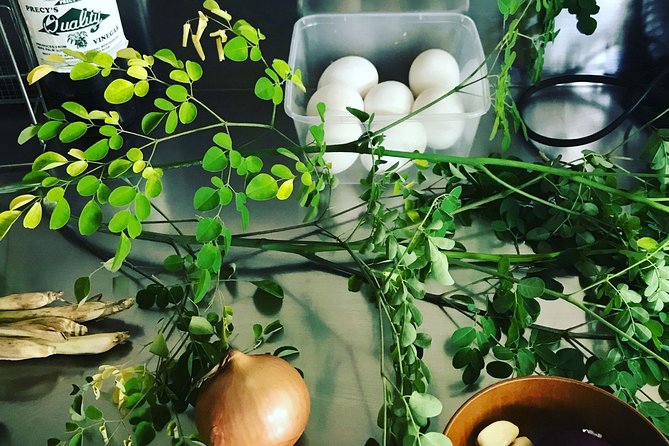
The experience starts at 9:30 am in Taguig, Metro Manila, and it ends back at the meeting point. Because there’s no hotel pickup and drop-off, you’ll want to plan how you’ll reach Taguig without stress. If you’re staying in a different part of Metro Manila, I’d treat that commute as part of the experience planning.
Expect about 4.5 hours total. That’s enough time to shop, travel to Isi’s home, cook, and then actually enjoy the meal at the table. If you’re the type who hates running on a tight schedule, still do it—just build a little cushion so you’re not rushed at the start.
Also bring any dietary needs up early. Vegetarian and gluten-free options are available upon request, but you’ll get the best results if you communicate before the day of cooking.
Stop 1: the market with Isi and what you should watch for
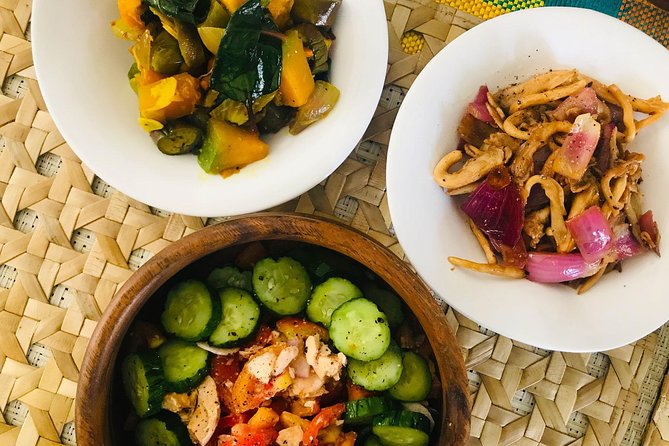
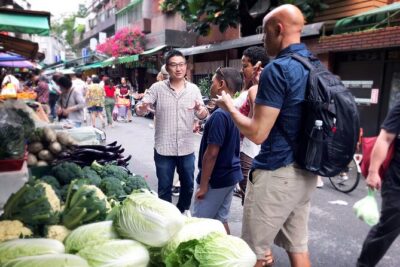
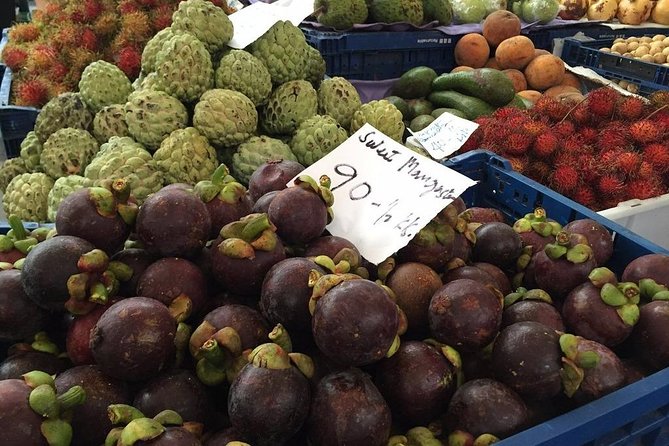
The market stop is where the whole flavor story begins. Isi helps you find local, seasonal produce and the core ingredients that make Filipino cooking recognizable. Instead of a generic walk-through, you get focused guidance on what matters and why it matters in everyday meals.
Here are a few things I’d pay attention to during the market portion:
- Aroma and ripeness: Filipino dishes often depend on citrus brightness and the depth you get when ingredients are at the right stage.
- The flavor foundation: You’ll see how garlic, chilies, coconut milk, and fish sauce show up as building blocks, not random additions.
- Seasonal choices: Isi’s guidance points you toward the ingredients that make sense locally, not just what’s “available.”
This is also the best time to ask swap questions. If you’re trying to recreate dishes at home, you’ll learn what can be substituted and what really shouldn’t be. That kind of direction is what turns a fun class into something you can repeat.
Isi’s garden tour: lemongrass and calamansi make the whole meal make sense
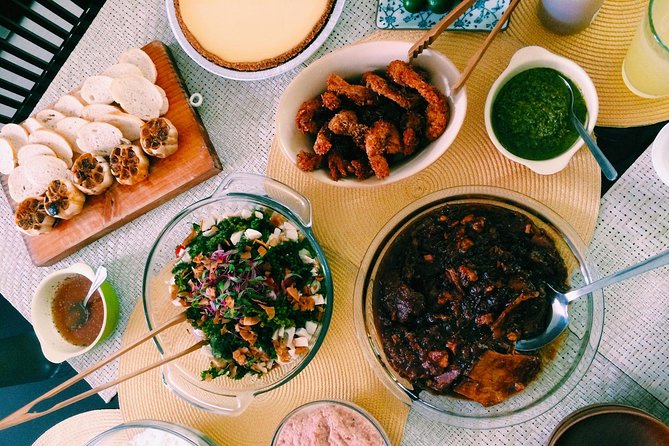
After the market, you ride to Isi’s home. Before you step into the kitchen, she shows you her small vegetable garden—specifically lemongrass and calamansi, a distinctive Filipino citrus fruit.
This garden stop is more than a cute extra. Lemongrass brings a fragrant, slightly lemony edge that plays nicely with coconut milk. Calamansi adds a tang that feels different from typical lemon or lime because it’s used in a way that brightens the whole dish. When you later taste the food, you’ll know exactly where that brightness came from.
Isi also explains the signature flavor profile of her cooking: calamansi, garlic, chilies, coconut milk, and fish sauce. That’s the core lineup you’ll keep noticing as the meal comes together. Seeing the ingredients before cooking helps you connect the dots, even if you’re new to Filipino food.
Cooking in Isi’s kitchen: hands-on vs demonstration
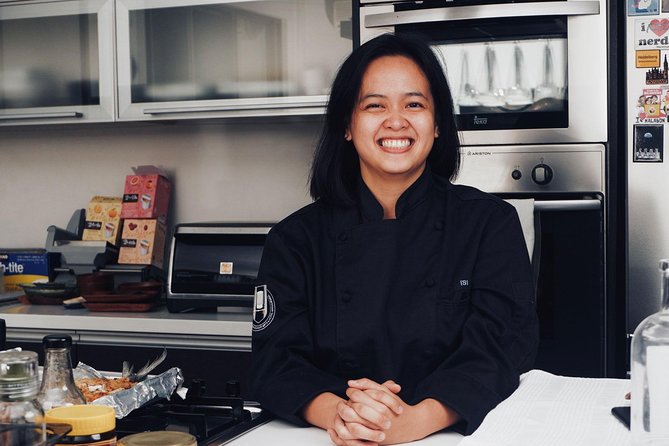
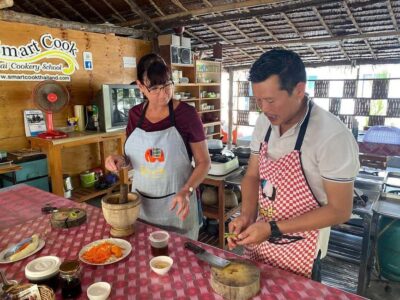
One of the best parts of this experience is that you can choose how you participate. You can opt for a hands-on lesson or a cooking demonstration where you watch Isi prepare the meal. Either way, you still get the full cultural context and the chance to learn from a local home cook.
If you pick hands-on, you’ll learn by doing: mixing, timing, and understanding textures. If you pick demonstration, you’ll learn by observation, and you can still ask questions as you go. For me, the smart move is choosing based on your comfort level with cooking. You’re on vacation—don’t force yourself into the hardest style if you’d rather learn through watching.
A practical note: this is described as not a professional cooking class. That’s a good thing for most people. You’re getting an insider glimpse into how Filipino families actually cook. Expect warmth, stories, and explanation—less rigid grading and studio jargon.
What you’ll cook, and how Filipino flavors work together
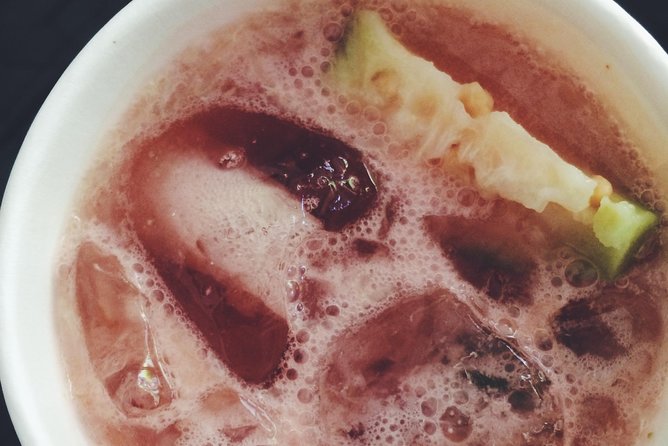
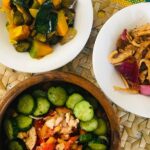
Your menu includes a variety of homemade Filipino dishes, ending with dessert like calamansi pie. The exact dishes can vary with what’s available and what Isi plans, but the flavor DNA is consistent.
Here’s how the flavors you’ll encounter fit together:
- Calamansi brings sharp, fresh tang that cuts through rich elements.
- Garlic and chilies add heat and savory depth.
- Coconut milk softens the profile, making dishes feel round and comforting.
- Fish sauce adds umami and saltiness that supports the rest of the ingredients.
If you’ve only had Filipino food in restaurants, this is where the home-cooked version clicks. Restaurants sometimes emphasize one moment—sweet, sour, or spicy. In a family kitchen, those elements usually show up together in a balanced way, with calamansi used to keep things bright.
Isi also gives tips and tricks geared toward recreating the dishes at home. That’s the real goal. After you go back to your own kitchen, you’ll remember not just the recipe, but how the flavor should feel as you cook.
Eating together: beer with your meal and a table-sized payoff
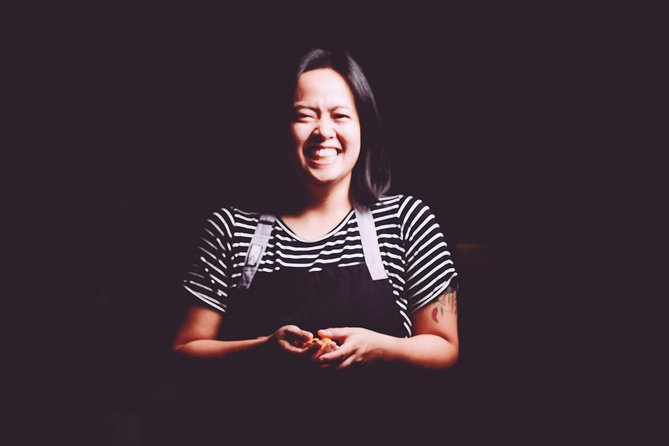
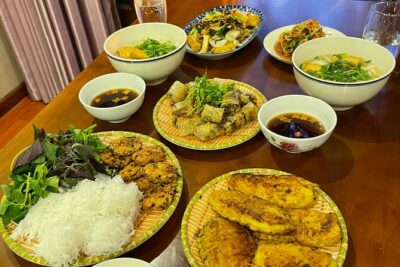
After cooking, you eat what you helped prepare at Isi’s dining table. This is one of those experiences where the final act matters as much as the cooking. You get to taste the dishes right away, ask questions about what you just made, and talk with Isi in a relaxed setting.
Beer is included with your meal. In one account included in the information you provided, someone asked for wine while cooking and Isi brought a selection. That suggests there may be flexibility if you prefer something other than beer—so if wine is important to you, it’s worth mentioning in advance.
Dessert is part of the celebration, with calamansi pie as a likely finish. The tang returns in dessert form, which is a great reminder that calamansi isn’t just for savory food. It’s a full-on flavor identity.
Vegetarian and gluten-free? Ask early and expect smart adjustments
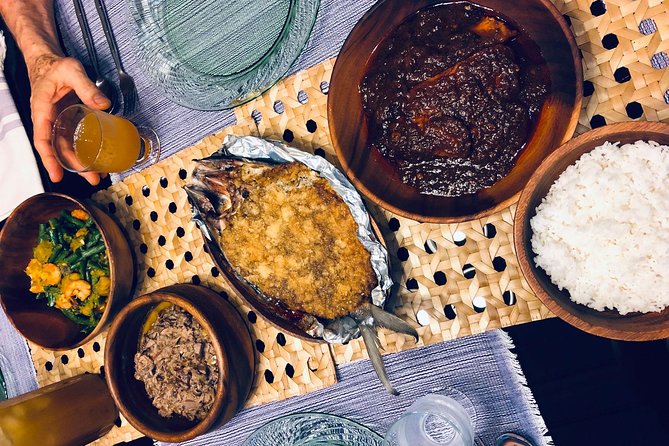
Isi can accommodate vegetarian and gluten-free options if you request them when booking. That matters because Filipino cooking often relies on fish sauce for depth and aroma. If you’re avoiding fish-based ingredients or gluten-containing items, you’ll want to communicate clearly so Isi can plan alternatives that still taste right.
I’d treat this as a heads-up rather than a guarantee. The more specific you can be about your needs, the easier it is for the cook to adjust. When a host plans ahead, you avoid the awkward moment of guessing mid-class.
Price and value: what $120 gets you (and what it doesn’t)
At $120 per person, you’re paying for a private, full-experience format: market shopping with an expert host, cooking at her home, and the meal afterward. You also get included beer, plus all fees and taxes.
What you do not get is hotel pickup or drop-off. That’s the trade-off. If you’re staying nearby or you don’t mind arranging your own transport, the price feels more reasonable because you’re not adding extra logistics costs.
To me, the value comes from two things:
- You learn the ingredient logic at the market, where cooking starts.
- You cook in a real home kitchen, with Isi tailoring the experience through choice (hands-on vs demo) and dietary options by request.
If your goal is a quick taste and photos, this may feel like too much time. If your goal is to come away with skills you can use again, it’s a strong use of money.
Who this Manila experience suits best
This tour is a great fit if you want Filipino food to feel personal, not generic. It’s also ideal if you like hands-on travel that teaches you how locals think about ingredients.
I’d especially recommend it if:
- You want a private experience rather than joining a larger group.
- You enjoy markets and want an explanation of what ingredients do.
- You’re curious about calamansi and want to understand how it works in savory and sweet dishes.
- You need vegetarian or gluten-free options and want a host who can adjust.
If you want a high-tech cooking class with strict measuring and restaurant-level plating, you might find this more relaxed and informal. The focus here is cultural cooking insight and real home flavors.
Should you book the Manila market and cooking class with Isi?
Yes, if you’re aiming for a genuine, practical food experience in Manila. The market stop, the small garden tour with lemongrass and calamansi, and the chance to cook and then eat at the table are the kind of details that make the lesson stick.
Book it if you’re willing to handle your own transport to Taguig and you’ll benefit from a private, insider style lesson. Skip it only if you want something hands-off and minimal, or if you’re expecting a studio-run professional class.
In short: if you want to taste Manila and also learn how to recreate it, this is a smart way to spend your time.
FAQ
How long is the private market and Filipino cooking class?
It runs for about 4 hours 30 minutes.
Where does the tour start and end?
The experience starts in Taguig, Metro Manila, Philippines, and ends back at the meeting point.
What does the price include?
It includes the private market tour and Filipino cooking class with Isi, beer, and all fees and taxes.
Is hotel pickup included?
No, hotel pickup and drop-off are not included.
Is this experience private?
Yes. It’s a private tour/activity, and only your group will participate.
Can I choose between hands-on cooking and watching a demonstration?
Yes. You can choose hands-on lesson or a cooking demonstration. Let Isi know your preference.
Are vegetarian and gluten-free options available?
Yes. Vegetarian and gluten-free options are available upon request, and you should advise your needs at booking.
Are alcoholic drinks included?
Beer is included. If you want wine, the information provided includes an example of Isi bringing a selection when it was requested.
What is the cancellation policy?
Free cancellation is available. You must cancel at least 24 hours before the experience starts for a full refund.