REVIEW · CHIANTI HILLS
Truffle hunting in Chianti with pasta cooking class & lunch
Book on GetYourGuide →Operated by Cofferi 1242 · Bookable on GetYourGuide
Truffles sound fancy. This one feels practical. Start at Cofferi 1242 near Greve in Chianti for truffle hunting with a professional hunter and a Lagotto Romagnolo, then you turn right around and learn fresh pasta before lunch on the terrace. It’s a tight, 4-hour block in the real Chianti Classico countryside, not a bus-and-barn stop.
I especially like the way the morning is hands-on. You’re out in the woods for about an hour with the hunter and his dog, learning how the search works and what to notice. Then I love the no-fuss payoff: you make tagliatelle and eat it with fresh truffle on a terrace overlooking the olive grove and vineyards, plus tastings of their extra virgin olive oil and wines.
One consideration: it’s a small hike, and the start point is not the kind of place you stumble into on foot. If you don’t have a car, plan to lean on Google Maps carefully and accept a bit of driving friction.
In This Review
- Key things I’d plan around
- Truffle hunting in Chianti Classico, minus the tourist fog
- Getting to Cofferi 1242 and what to wear for the woods
- One hour in the forest with the truffle hunter and his Lagotto
- The pasta class: tagliatelle you’ll actually make (and eat)
- Lunch on the terrace: truffle, olive oil, wine, and a view that matters
- Price and value: what $181.26 is really paying for
- Who this Chianti experience suits best (and who should think twice)
- Time plan: how to enjoy all four hours without feeling rushed
- Should you book Cofferi 1242’s truffle hunt and pasta lunch?
- FAQ
- What is the duration of the experience?
- What time does it start?
- Where is the meeting point?
- Is hotel pickup included?
- How long is the truffle hunting part?
- What kind of pasta will I learn to make?
- What do I eat for lunch?
- Can I buy truffles from the hunt?
- What languages are spoken?
Key things I’d plan around
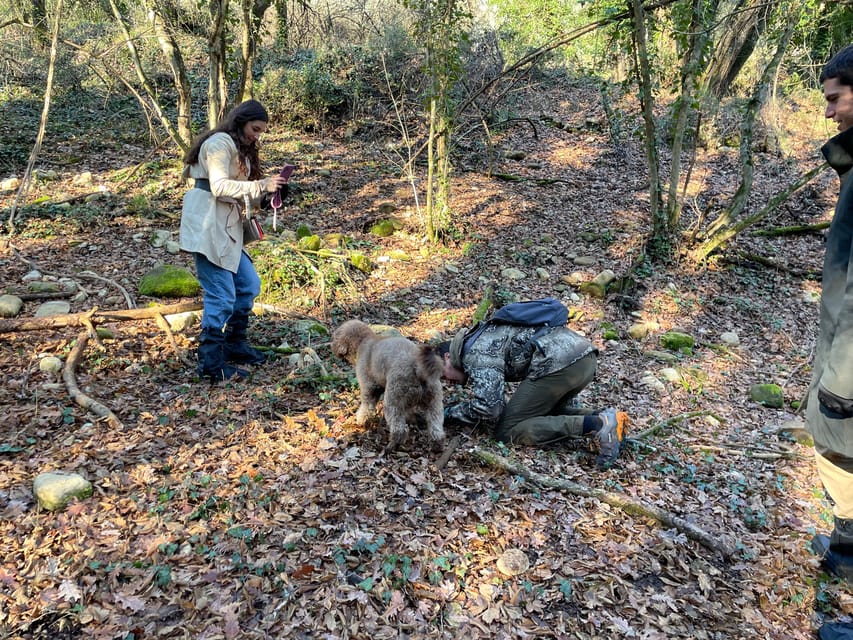
- Lagotto Romagnolo truffle-sensing dog: the hunt is built around the dog’s nose, not guesswork.
- One-hour forest search on the property: you stay close to the farm and get a real feel for the rhythm.
- Fresh tagliatelle cooking class: you’ll learn a classic dough-and-shape process before lunch.
- Terrace lunch tied to what you found: truffle in the food is the point, and you get to experience that link.
- Tastings beyond truffle: extra virgin olive oil and wine are part of the meal, not an afterthought.
Truffle hunting in Chianti Classico, minus the tourist fog
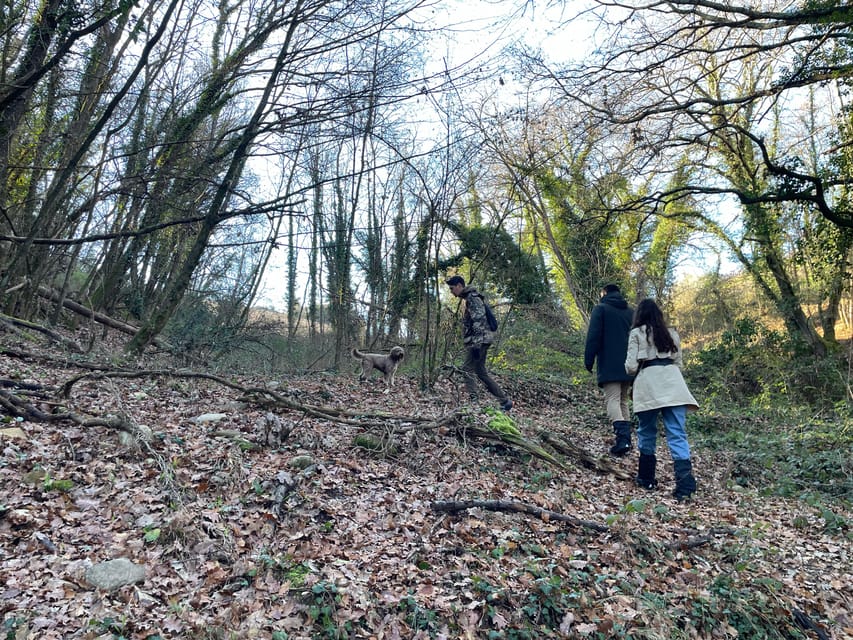
Chianti truffles have a reputation, but the magic here is how direct it feels. You’re not “touring” Tuscany from behind glass. You’re walking a property forest with a professional truffle hunter and a Lagotto Romagnolo (the dog is the star of the show). The whole morning runs on patterns: what the dog reacts to, how the hunter reads the ground, and what you learn about timing and conditions for black truffles.
This format is also a great fit if you like “one place, one theme.” The theme continues all the way into lunch. If you’re the type who hates paying for experiences where you see the ingredient but don’t eat it, this one is built for you. The lunch is based on the truffle found in the wood, and it shows up in your pasta.
Where it lands for me is balance. You get nature time, then you get real food work, then you sit down with local products in front of views of the olive grove. It’s not just pretty scenery. It’s a full loop: hunt, cook, eat.
Getting to Cofferi 1242 and what to wear for the woods
The experience starts back at the meeting point, so treat this as a morning excursion where you’ll arrive, park if you can, and then stay in the program bubble for about 4 hours total.
Practical tip: search Cofferi 1242 in Google Maps. Using only a street name won’t always get you there. This matters because a lot of farm properties in the Chianti hills are easier to find with the exact listing than with partial directions.
You’ll also want the right shoes and clothes. Plan for a 1-hour hike on uneven forest ground. Comfortable walking shoes are a must. Even if the weather looks calm, the path doesn’t care about your fashion choices.
Timing helps too. In spring the day begins at 10:30. In summer it starts a little earlier to avoid excessive heat. That’s not a small detail if you’re traveling in hot months. It changes how you feel during the hunt.
If you’re thinking about whether to bring a camera: yes, bring one. Just remember your hands may be busy during the hunt and you’ll want to move carefully. Quick photos between moments are enough.
One hour in the forest with the truffle hunter and his Lagotto
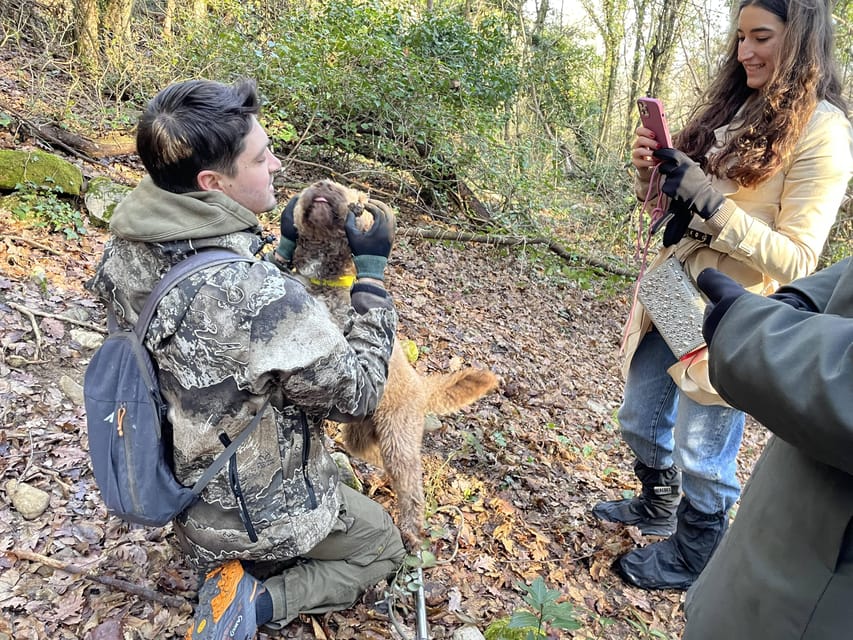
This is the core act, and it’s where the experience becomes more than “something to do.” You meet the hunter and his Lagotto Romagnolo and head into the woods belonging to the property. You’re on a real search for black truffles, guided by someone who has done this for years.
In reviews, I saw names pop up like Gianmarco and Nicolas for the hunting guide, and dogs named Tabu or Lucca alongside the Lagotto Romagnolo role. Those names are nice, but the more important part is what you’re doing: you’re actively participating in the hunt, not watching from a distance.
What you’ll likely learn during the walk:
- How truffle-hunting differs from normal foraging (it’s less about seeing and more about detecting).
- Why the dog’s behavior matters and what to look for when it reacts.
- How the hunter approaches a find with care, so you understand the respect behind the process.
- Basic context about the ancient Tuscan tradition of hunting truffles—enough to make the ingredient feel real when you eat it.
The hunt is also designed to fit into the overall schedule. About an hour in the forest keeps it engaging without turning your day into a full-day ordeal. You’re likely to feel satisfied by the time you head back, especially because lunch is tied directly to the truffle outcome.
Even if you don’t know anything about truffles going in, that’s part of the appeal. The experience doesn’t start at “advanced level.” It starts at curiosity and builds from there.
The pasta class: tagliatelle you’ll actually make (and eat)
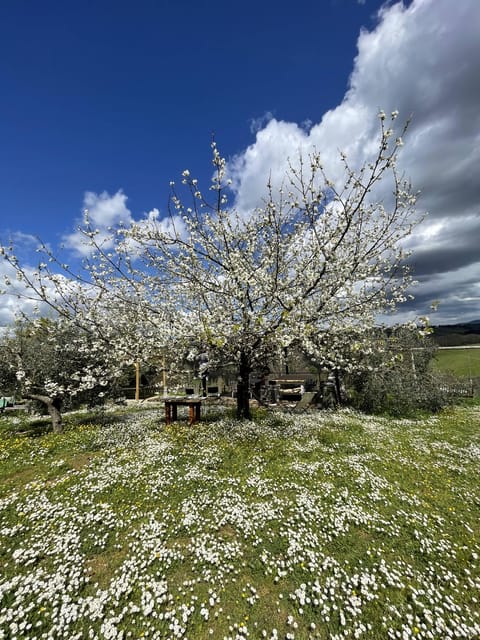
After the hunt, you return to the farm and move into a hands-on cooking class. The focus is making fresh pasta, specifically tagliatelle. Then you eat the results for lunch.
One reason this works so well is that the cooking step isn’t separate. It’s scheduled right after the hunt, while you’re still in that mindset of “ingredients from the land.” When you roll dough and cut tagliatelle, you start understanding why pasta texture matters when truffle is involved.
In reviews, the pasta teaching is credited to the family hosts, with examples like Fabrizio/Fabrizzio and Camilla/Fabrizio’s son Niccolo playing roles in the cooking lesson. The tone seems family-run and warm, which helps the class feel like you’re being invited into a kitchen, not herded through a demonstration.
What to expect from the cooking portion:
- You’ll work with fresh dough and learn the steps to shape tagliatelle.
- You’ll likely get practical tips on what you’re looking for as the dough comes together (not just a “watch and clap” approach).
- You’ll connect the dots between the hunt and the final dish when you plate and eat.
If you’ve cooked before, you’ll still appreciate doing it in a Tuscan farm context. If you haven’t cooked much, don’t worry. The point isn’t perfection. The point is participating in a real meal-making process and then tasting it while it’s still fresh.
And yes, it’s a good moment to reset after the hike. Pasta prep gives your body a break from walking, but your brain stays engaged.
Lunch on the terrace: truffle, olive oil, wine, and a view that matters
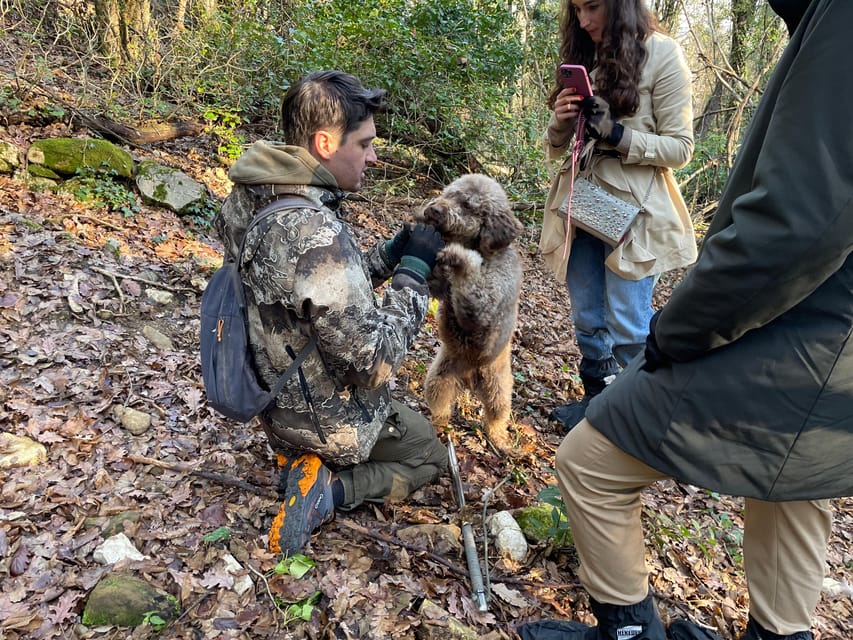
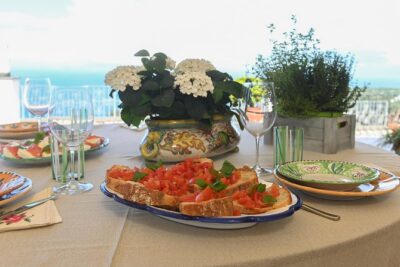
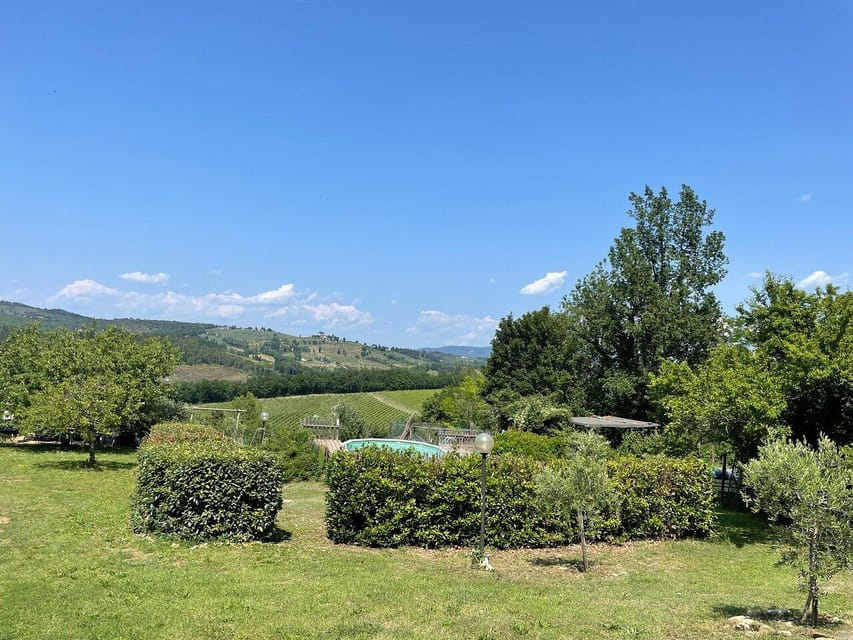
Lunch is served on a terrace overlooking the vineyards and olive grove. This is not just a background detail. It changes how you enjoy the meal because you’re eating in the same setting where the products come from.
The lunch is built around fresh truffle based on what was found in the forest. That’s the big highlight. You’ll taste the truffle in the pasta you made, and you’ll also get product tastings that show how the farm approaches flavor beyond truffle.
Included tastings typically cover:
- Their extra virgin olive oil
- Their wines
- Additional tastes based on truffle and farm products
In reviews, people praised the overall meal experience as the best part of the day. The common thread was that the hosts don’t treat food like a prop. You eat well, you get the ingredient story, and you leave full in that “I actually learned something and ate something special” way.
How to make the meal work for you:
- Go slow at first. Tasting olive oil and wine early makes the truffle-forward flavors easier to appreciate.
- Take your time with the pasta. Fresh pasta needs fewer bites than dried pasta to feel satisfying.
- If you’re sensitive to strong flavors, ask where the truffle is emphasized on the plate. You want to enjoy it, not just tolerate it.
The terrace setting also helps keep the whole day relaxed. You spend the morning hunting, then you switch into “sit and savor,” which is a smart pacing choice for a half-day.
Price and value: what $181.26 is really paying for
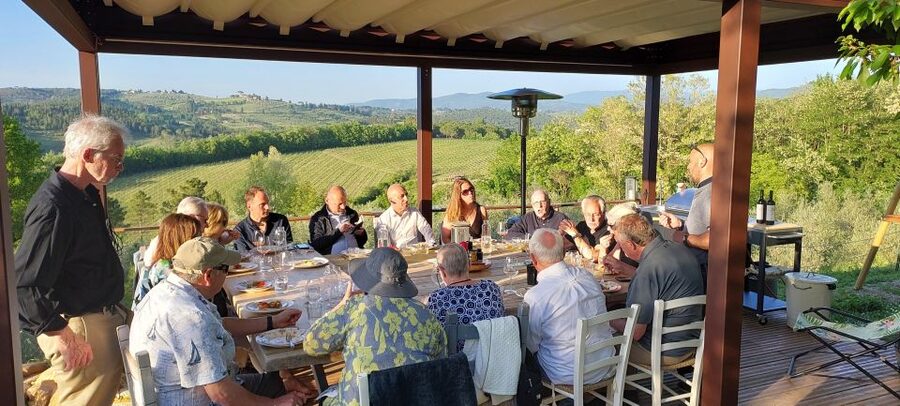
Let’s talk money without the hand-waving. At about $181.26 per person for a 4-hour experience, you’re paying for more than a meal and more than a cooking class.
What makes the price feel justified:
- You’re getting a professional truffle hunter and a Lagotto Romagnolo guiding the hunt.
- The hunt is on the property and tied to lunch, so the truffle isn’t just a marketing tagline.
- The pasta class is hands-on and ends with the food you help make.
- The meal includes farm tastings like extra virgin olive oil and wines, which adds to the overall substance of the lunch.
Could you eat pasta and drink wine in Chianti for less? Sure. But you’d likely miss the one-two punch of hunt plus cooking plus ingredient-driven lunch. This experience is built around that link: the woods feeding the kitchen, and the kitchen feeding your plate.
The “hidden cost” here isn’t the dollars. It’s your logistics. Since pickup isn’t included, you need reliable transport to reach the farm. If you’re renting a car anyway, that cost is easier to absorb. If you’re relying on public transit, you’ll want to factor in time and flexibility.
Also, truffles are available to buy if you find them in the wood. That’s optional, and it’s another reason the experience has a more authentic feel. You’re not forced into a souvenir purchase to feel like you got something out of it.
Who this Chianti experience suits best (and who should think twice)
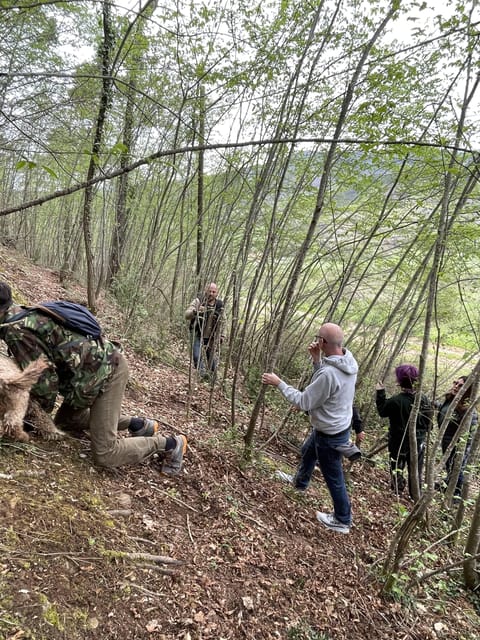
This is a great match if you want a hands-on food day in Tuscany. Specifically, it fits well for:
- Couples or small groups who like intimate, farm-based experiences.
- Food lovers who enjoy learning processes, not just eating outcomes.
- Travelers who want one memorable ingredient story: black truffle, from forest to table.
- People who don’t mind a short hike for a payoff at lunch.
It might not be the best fit if:
- You hate uneven ground or you’re not comfortable with a moderate 1-hour walk.
- You’re dependent on easy public transport and don’t have a car. The location is manageable with the right directions, but it isn’t positioned like a city museum stop.
- You’re looking for a purely passive “watch everything from a chair” experience. The hunt and the pasta class are participation-based.
The family-run feel is a plus here. Reviews keep circling back to hosts who make you feel welcome and explain things in a way that lands. That matters because the best tours don’t just deliver tasks. They deliver understanding.
Time plan: how to enjoy all four hours without feeling rushed
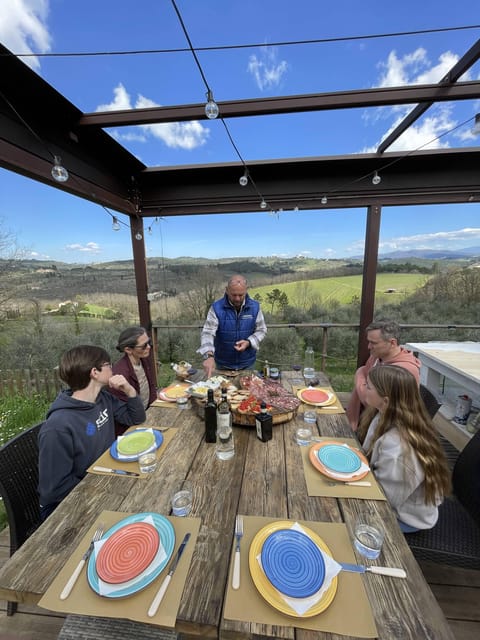
The whole program runs about 4 hours. In spring it starts at 10:30, and in summer it starts earlier to beat the heat.
Here’s how to think about the flow:
- Start and orientation: you meet the team and get ready for the woods.
- Truffle hunt (about 1 hour): the pacing is active and outdoors-focused.
- Return to the farm: shift to the kitchen without wasting time.
- Pasta class: tagliatelle preparation, then you sit down to eat what you made.
- Lunch and tastings: truffle-forward meal, plus their extra virgin olive oil and wines.
- Back to the meeting point: the day ends where it started.
My practical advice: treat it like a real morning. Eat a light breakfast if you can, or be ready to get hungry during the hike. Since lunch is the main meal, you don’t want to arrive with a full stomach that makes everything feel heavy during the cooking and tasting.
Also bring the mindset of “pay attention.” When you’re hunting truffles, small details matter. When you’re making pasta, hand sensations and timing matter. That’s the difference between a fun activity and a day you’ll remember.
Should you book Cofferi 1242’s truffle hunt and pasta lunch?
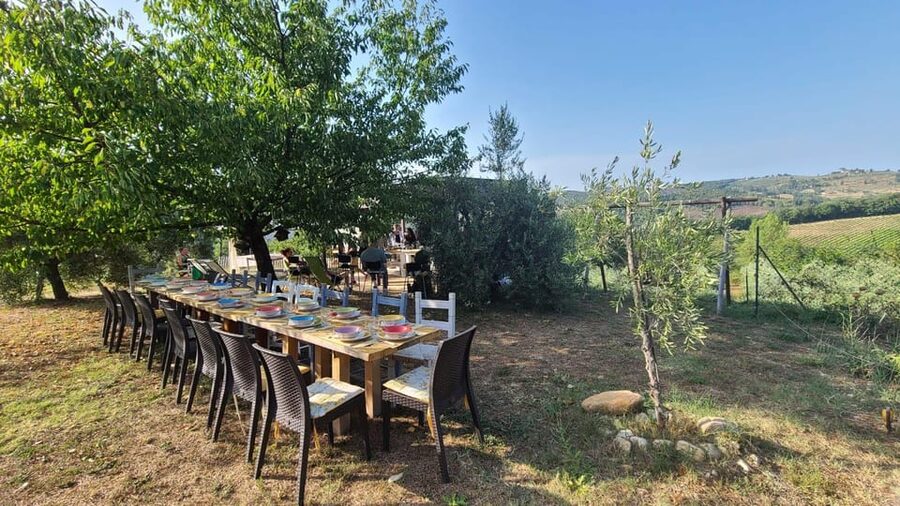
I’d book it if you want an experience where the ingredient story is real and you’ll actually eat what comes from it. The combination of a truffle hunt with the Lagotto Romagnolo, a fresh tagliatelle class, and lunch on the terrace based on the truffle found is a strong value mix for people who care about food.
I’d skip it only if the short hike doesn’t work for you or if you can’t handle getting to a farm meeting point without a car. If you can manage the location and you’re comfortable walking in the woods for an hour, this is one of those Tuscany half-day plans that feels both authentic and satisfying.
FAQ
What is the duration of the experience?
It runs about 4 hours total, including truffle hunting, the fresh pasta class, and lunch.
What time does it start?
In spring it begins at 10:30. In summer it starts a little earlier to avoid excessive heat.
Where is the meeting point?
Use Google Maps to search for Cofferi 1242. A street name alone may not show the correct meeting point.
Is hotel pickup included?
No. Hotel pickup and drop-off are not included.
How long is the truffle hunting part?
You’ll be in the woods for about 1 hour during the truffle hunting.
What kind of pasta will I learn to make?
The cooking class focuses on fresh pasta, specifically tagliatelle.
What do I eat for lunch?
Lunch is served on the terrace and is based on the truffle found in the forest. You’ll also taste wines and extra virgin olive oil.
Can I buy truffles from the hunt?
Truffles found in the forest are available to buy, if you want to take some home.
What languages are spoken?
The host or greeter speaks English and Italian.