REVIEW · HYOGO PREFECTURE
Private Home-Style Cooking Class in Osaka with Local Mom Yoshiko
Book on Viator →Bookable on Viator
Osaka has a special rhythm, and Yoshiko’s kitchen shows it fast. I love the private, home-style feel, and you learn practical skills like making dashi stock that actually change how Japanese food tastes. You also get a real meal at the end, not just a lesson where you leave hungry.
One thing to plan for: this is not in central Osaka. You’ll base yourself around Kawanishiikeda Station, and the experience ends back at Yoshiko’s home, so you’ll handle getting to the station on your own (a taxi is often needed).
In This Review
- Key things that make this class worth your time
- A home-cooking class that feels real (not staged)
- What you’ll like most
- A quick reality check
- Getting there in Hyogo: short drive, longer day
- My advice
- The lesson: dashi stock and why it matters
- How the class flows
- Cooking 4–5 home dishes: what you’ll actually do
- Hands-on vs demo: what to expect
- What you learn beyond the recipe
- Lunch or dinner options: how to choose the menu
- Drink pairing included
- The meal at the end: eating as part of the lesson
- Recipe cards: the part that turns this into real home cooking
- Price and value: what $86 includes
- Group discounts, but watch the size rule
- Who should book this (and who might not)
- Couple-friendly and small-group friendly
- Small logistics that can save your evening
- Should you book Yoshiko’s Osaka Home Cooking Class?
- FAQ
- How long is the cooking class and meal?
- Where do I meet Yoshiko?
- Does the price include the meal and drinks?
- Is lunch or dinner available?
- What dishes will I learn to cook?
- Can I share dietary requirements?
- If I’m traveling with a larger group, will it still stay together?
Key things that make this class worth your time
- Pickup from Kawanishiikeda Station on the JR Takarazuka line makes the start easy
- Dashi-first cooking teaches the flavor foundation behind lots of Japanese home food
- 4–5 dishes from scratch with a clear flow from prep to cooking to eating
- Recipe cards you can use at home so this lasts beyond the meal
- Lunch or dinner choice (menu can shift by season), plus plum wine or beer included
- Small/private format that keeps the conversation personal
A home-cooking class that feels real (not staged)
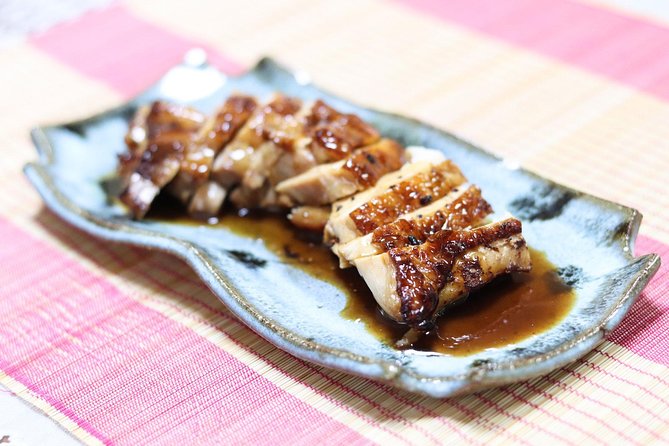
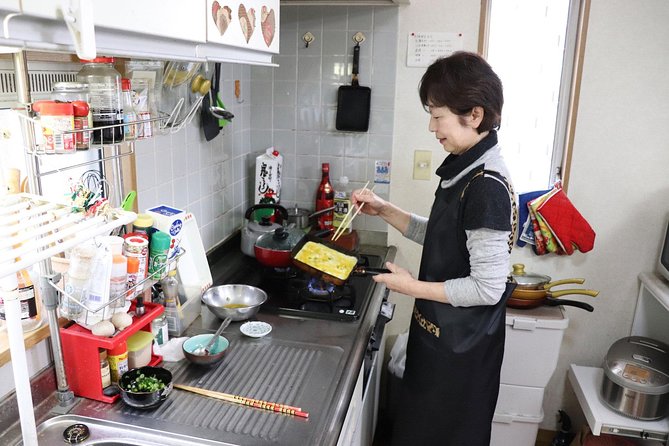
This experience is the kind of food outing I wish I could bottle. In Yoshiko’s home, you’re not herded through stations or stuck watching from across the room. You’re in her kitchen while she explains what she’s doing and why, then you help make several dishes and sit down to eat what you helped cook.
The biggest strength is the home part. Yoshiko opens her daily world to you—kitchen routines, ingredient habits, and the small choices that turn “Japanese food” into something you can recognize as Osaka-style home cooking. It’s also intimate. Even when it’s booked for a couple or a small group, you get that one-on-one rhythm where questions feel normal.
And then there’s the food payoff. You’re learning around dashi, the flavor backbone made from umami-rich ingredients. Once you understand how dashi changes the taste of everything it touches, you’ll start spotting that comfort in lots of Japanese dishes—even the ones that seem simple on the menu.
What you’ll like most
- The class teaches basics you can reuse: dashi stock and cooking with it.
- The meal is part of the lesson. You don’t just cook; you eat the result together.
A quick reality check
One review highlighted that the pace can lean more toward demonstration than fully hands-on for every step. That can be totally fine if you want to learn the logic and technique, not just churn out tasks for photos. Still, it’s smart to go in knowing it’s a guided home lesson, not a cooking competition.
Getting there in Hyogo: short drive, longer day
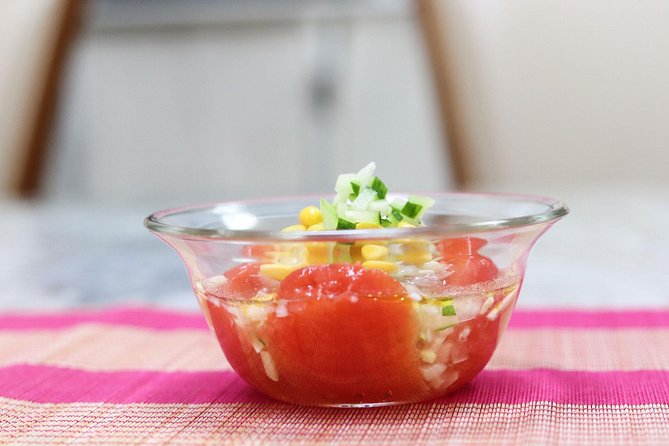
The experience centers around Kawanishiikeda Station (JR Takarazuka line). Yoshiko picks you up from there and then drives about 10 minutes to her home in Hyogo Prefecture.
Here’s the practical planning note: this area is outside main central Osaka. One person specifically warned to budget time—around an hour from an Osaka-area train station before you’re at the pickup point. If you’re the type who likes to keep your day tight, build in extra buffer. Japan train transfers are usually smooth, but your schedule will feel calmer if you plan for the travel time.
Also note how the day ends. The experience does not finish with hotel-style drop-off. It ends back at Yoshiko’s home. You’ll need to get to the station yourself afterward. If you need a taxi to the nearest station, Yoshiko can help arrange it, and it’s approximately ¥2000, paid directly to the driver.
My advice
- Keep your post-class plans flexible. Don’t stack a museum ticket or long dinner reservation immediately after.
- Save energy for the ride back. You’ll likely be full and slightly slower after your meal.
The lesson: dashi stock and why it matters
Most cooking classes teach recipes. This one teaches a flavor engine.
Yoshiko starts by showing you how to make dashi stock, which you’ll then use as the base for the dishes you cook. That’s a big deal because dashi isn’t just seasoning. It’s the starting point. Instead of cooking with water and adding flavor at the end, you build umami from the beginning.
If you cook at home outside Japan, this is the transferable skill. Even if you can’t match every ingredient exactly, understanding the role of dashi helps you replicate the taste in your own kitchen. You’ll come away with a clearer mental map of Japanese cooking: gentle flavors layered carefully, with umami doing a lot of the heavy lifting.
How the class flows
You can expect:
- About an hour of cooking in Yoshiko’s kitchen, learning steps and making dishes from scratch
- A chance to ask questions as you go
- Then time to sit down and eat the meal you helped prepare
The menu itself can vary by season. That’s not a downside; it’s part of how Japanese home cooking stays practical and seasonal. Just be sure to communicate any preferences or restrictions early.
Cooking 4–5 home dishes: what you’ll actually do
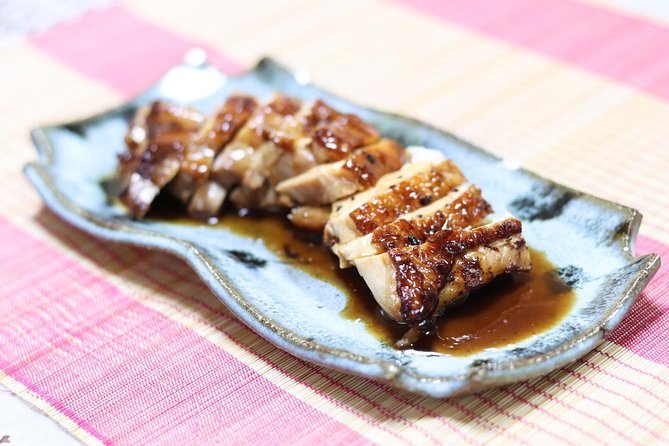
Yoshiko teaches you to prepare 4–5 Japanese home-style dishes from scratch. The exact dishes may change with the season, but you’ll still recognize the pattern: learn the ingredient logic, then cook with it.
From the experience write-ups, okonomiyaki shows up as a key dish people talk about. You may also work with the idea of making individual portions like bento boxes. One review specifically enjoyed cooking and then assembling their own bento-style meal. That kind of structure makes the process feel doable, even if you’re not confident with Japanese ingredients.
Hands-on vs demo: what to expect
One review noted it’s more of a demonstration than fully hands-on for every step. That doesn’t mean you’re just watching. You’ll still be part of the process, but the emphasis is on learning how the home cook thinks—not on maximizing your chopping speed.
If your goal is technique and understanding, you’ll likely feel satisfied. If your goal is to do absolutely every task yourself, you may want to set expectations ahead of time.
What you learn beyond the recipe
The class helps you understand why Japanese home cooking can taste so deep even when dishes are light. You’ll practice:
- building flavor through dashi
- cooking with that flavor instead of using it only as seasoning
- turning simple ingredients into something balanced and comforting
Lunch or dinner options: how to choose the menu
Yoshiko offers lunch or dinner, and the meal is built from a set menu with multiple options. The important detail: you should tell her what you want at least 3 days in advance so she can shop for the right ingredients.
If you don’t hear from you in time, Yoshiko prepares option 1, described as the Mother’s taste menu. That’s a nice safety net, but it also means you’ll want to plan ahead if you’re picky or if there’s a dish you really hope to eat.
Drink pairing included
The experience includes a drink: plum wine by default. If you request it in advance, you can swap to local beer instead. You can also bring your own alcohol to enjoy during the meal.
That’s a small thing that makes a big difference. It turns the meal into a proper home-table experience, not just a tasting session.
The meal at the end: eating as part of the lesson
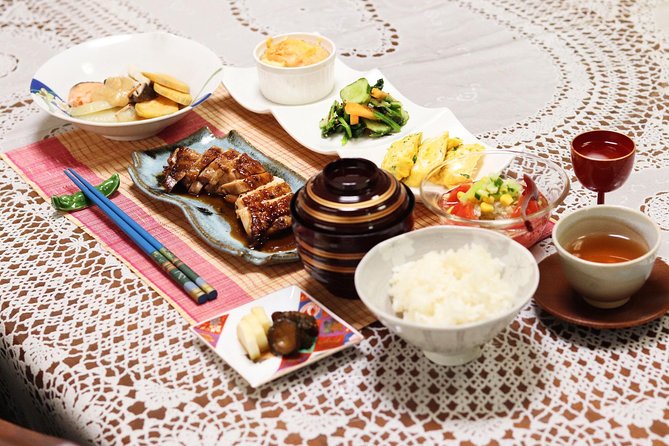
The cooking portion runs about an hour, then you sit down to eat what you made. This is where the class really clicks.
In Japanese home dining, the point isn’t to impress you with complicated plating. It’s to serve food that tastes right together. You get to taste the role of dashi in the dishes, notice how flavors balance, and understand which ingredients are pulling their weight.
And because you’re in a home setting, the conversation feels natural. Several write-ups mentioned chatting after the meal and getting to know Yoshiko more personally. That’s not fluff—it helps you remember what you learned, because you’re not just memorizing steps in a vacuum.
Recipe cards: the part that turns this into real home cooking
You don’t leave empty-handed. Yoshiko provides printed recipe cards so you can recreate the dishes later.
I value recipe cards for one simple reason: they keep you from guessing. After a class, your memory fades fast. With clear instructions in front of you, you can cook again and actually reproduce the taste.
If you’re serious about Japanese cooking at home, this is one of the best parts of the experience. Dashi and umami-based cooking aren’t just a single recipe; they’re a method. Having the steps written down helps you repeat that method without relying on vague recollections.
Price and value: what $86 includes
At $86 per person for a roughly 3-hour private experience, the value isn’t just about time. It’s about what you get inside those hours.
You’re paying for:
- a private class in a local home setting
- the host’s time and instruction (including dashi stock teaching)
- a meal you helped cook
- pickup from Kawanishiikeda Station (on the JR Takarazuka line)
- a drink (plum wine or local beer if requested)
- recipe cards
That’s a lot bundled together. If you tried to recreate it yourself—private instructor, ingredient planning, translation help, and home venue—you’d likely spend far more than a single restaurant meal.
There’s also a practical booking note: the experience is often booked well in advance (on average about 88 days). If you want your preferred date and menu choice, don’t wait until the last minute.
Group discounts, but watch the size rule
There are group discounts, and the experience is private. But if the group is larger than 4 people, Yoshiko requests that extra people take a taxi and follow her home. That’s worth noting so your group doesn’t get separated or stuck with timing surprises.
Who should book this (and who might not)
This class is best for you if:
- you want real home cooking, not a demo staged for tourists
- you like learning fundamentals like dashi and umami cooking
- you’re comfortable with a neighborhood setting outside central Osaka
- you enjoy conversation with a local host during the meal
It might be less ideal if:
- you want a very high-intensity hands-on class where you do every single task yourself
- you hate planning for transport after (because the day ends at Yoshiko’s home)
Couple-friendly and small-group friendly
Many of the best matches are pairs and small groups. The intimate format makes sense here. You’ll get more time with Yoshiko and a calmer kitchen rhythm.
Small logistics that can save your evening
Here are a few details that help the day go smoothly:
- Tell Yoshiko about menu preference at least 3 days ahead so she can shop.
- Provide any dietary needs at booking time in the Special Requirements field.
- Plan on ending at Yoshiko’s home and handling your way back to the station.
- If you’re sensitive to travel time, treat it as a half-day outing, not a quick add-on from downtown Osaka.
Should you book Yoshiko’s Osaka Home Cooking Class?
Yes, if you want a meal with context. This isn’t only about learning recipes. It’s about understanding how home cooking in Kansai tastes—especially through dashi and everyday technique.
You should book if you:
- care about learning fundamentals you can cook again at home
- enjoy intimate, local-host experiences
- don’t mind being a bit outside central Osaka for something more personal
Skip it if you’re chasing a central-city “easy hop” day, or if you want a fully hands-on workshop where you run every station yourself.
If you do book, send your meal preference early, plan your return route, and go hungry. This is the kind of class where you’ll end up thinking about umami long after the last bite.
FAQ
How long is the cooking class and meal?
It runs for about 3 hours total, with roughly 1 hour spent cooking before you sit down to enjoy the meal.
Where do I meet Yoshiko?
You meet Yoshiko at Kawanishi-Ikeda Station (JR Takarazuka line). The meeting point is listed at 2 Chome-7 Sakane, Kawanishi, Hyogo 666-0021, Japan.
Does the price include the meal and drinks?
Yes. The private cooking class and meal are included, and you also get plum wine (or local beer if requested in advance). You can also bring your own alcohol.
Is lunch or dinner available?
Yes. You can choose either lunch or dinner, but you need to let Yoshiko know at least 3 days in advance so she can shop for the right ingredients.
What dishes will I learn to cook?
You’ll learn 4–5 Japanese home-style dishes from scratch. The menu may vary depending on the season, and Yoshiko will teach you how to make dashi stock and use it to bring out umami flavor.
Can I share dietary requirements?
Yes. You should advise any dietary requirements at booking in the Special Requirements box.
If I’m traveling with a larger group, will it still stay together?
This is a private experience for your group. If there are more than 4 people, Yoshiko requests that additional people take a taxi and follow her home. After the class, you’ll need to get to the nearest station on your own.