REVIEW · ATHENS
Greek Small-Group Athens Cooking Class & Dinner
Book on Viator →Operated by Athens Walking Tours · Bookable on Viator
You can smell Athens before you even taste it. This small-group cooking class pairs hands-on Greek family recipes with a relaxed dinner setting and views across to the Acropolis.
I love that you’re not just watching—you help make a full meal from several starters through dessert, then sit down and eat what you cooked. I also like the practical wrap-up: you get a complimentary recipe copy so you can recreate the dishes at home. One possible drawback is the group format. In a class for up to 18 people, some steps may feel like group chopping and shared prep rather than nonstop one-on-one cooking.
In This Review
- Key Reasons This Cooking Class Gets Such Strong Marks
- Timing That Fits Real Sightseeing: 4 Hours, Starting at 4:00 pm
- Meeting at Apostolou Pavlou and Getting Settled
- Your Cooking Setup: Small-Group, English-Led, Mobile Ticket
- Starters You’ll Actually Make Again at Home
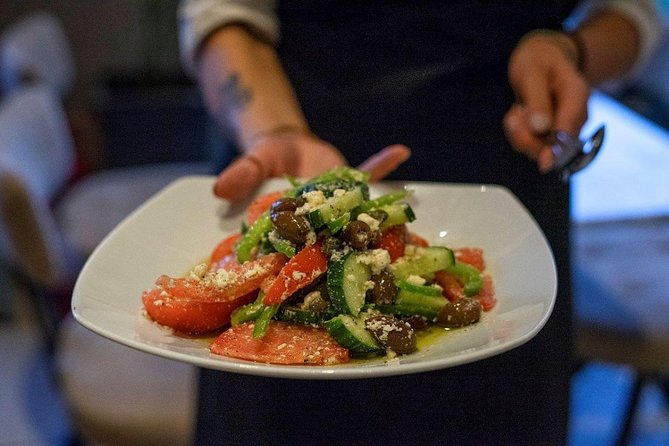
- Horiatiki: The Salad That Teaches the Basics
- Spanakotiropita: The Pie Lesson
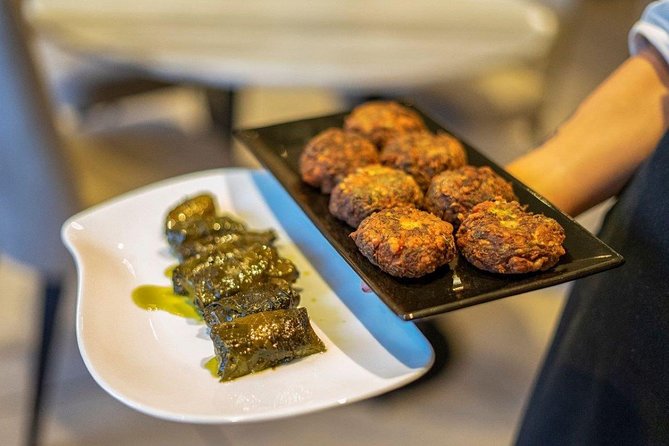
- Dolmadakia: The Patience Test
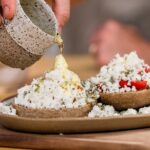
- Tzatziki: Creamy, Tangy, and Learnable
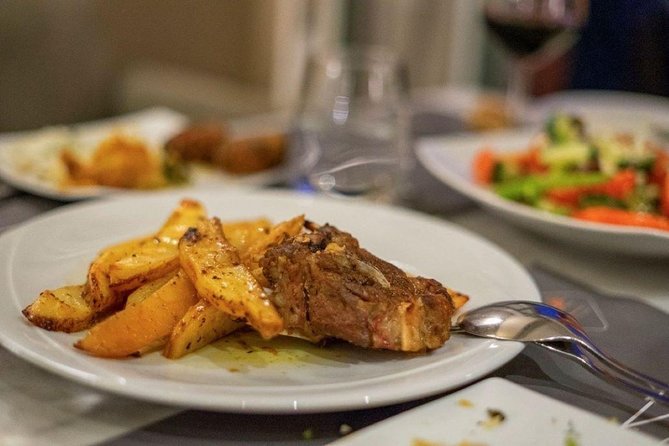
- The Main Event: Roasted Lamb With Potatoes
- Dessert and Dinner: Eating What You Made With Acropolis Views
- The Included Drink (and the Practical Choice)
- What You Actually Get for the Price
- Hands-On Level: Loved by Many, Not Perfect for Everyone
- Dietary Needs and Vegetarian Options: Plan It Early
- Who Should Book This (and Who Might Skip It)
- Tips to Get More Out of Your Class
- Should You Book This Athens Cooking Class?
- FAQ
- What time does the Athens cooking class start?
- How long is the experience?
- Where do I meet for the class?
- How many people are in the group?
- Is the tour offered in English?
- What meals are included?
- Is there a vegetarian option?
- What drink is included with dinner?
- Is hotel pickup and drop-off included?
Key Reasons This Cooking Class Gets Such Strong Marks
- Acropolis-at-dinner energy: you cook, then dine in a setting with serious sightlines toward the Acropolis/Parthenon area.
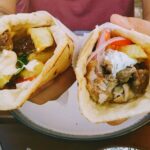
- Real dishes you’ll recognize: Greek salad, spanakotiropita (spinach-cheese pie), tzatziki, dolmadakia in vine leaves, plus roasted lamb with potatoes and a yogurt dessert.
- Step-by-step instruction from locals: instructors you might meet include Chef Niki, Stella, Lucy, Vicki, Eva, and Amalia, each bringing clear guidance and stories about Greek food.
- Recipe copy included: you leave with the dishes documented so you can cook again later.
- Dietary flexibility available: vegetarian option is offered, and specific dietary requirements can be noted in advance.
- Up to 18 people keeps it social: it’s small-group sized, but still lively and interactive.
Timing That Fits Real Sightseeing: 4 Hours, Starting at 4:00 pm
This runs about 4 hours, starting at 4:00 pm, which is a sweet spot for Athens. It’s long enough to learn multiple dishes, but it won’t steal your entire evening. If you’ve been sightseeing since morning, you’ll likely appreciate that it ends back where it started.
You’ll also get a classic Athens rhythm: cook while the city is waking into late afternoon, then finish with dinner. A lot of tours say they end with food. Here, the food is the point.
You can also read our reviews of more tours and experiences in Athens.


Meeting at Apostolou Pavlou and Getting Settled

You’ll meet at Apostolou Pavlou 27, Athina 118 51, Greece. The location matters because you’re in central Athens, and it’s described as near public transportation—useful if your day has already been full.
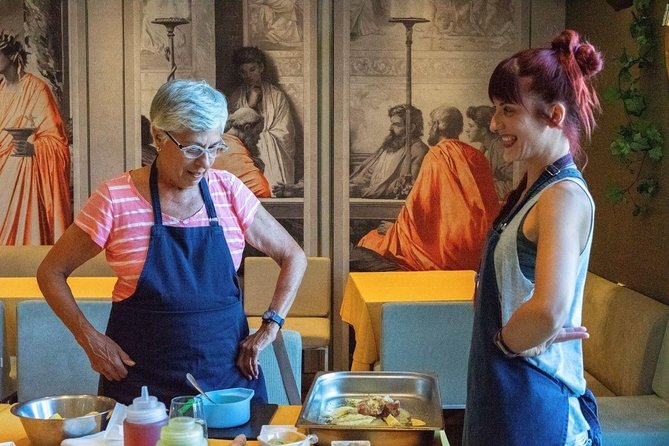
The vibe is typically taverna-style: you’re not in a sterile classroom. You’re in the kind of setting where people actually eat, linger, and talk. That makes the class feel more like a Greek dinner that happens to teach you how it’s made.
Your Cooking Setup: Small-Group, English-Led, Mobile Ticket
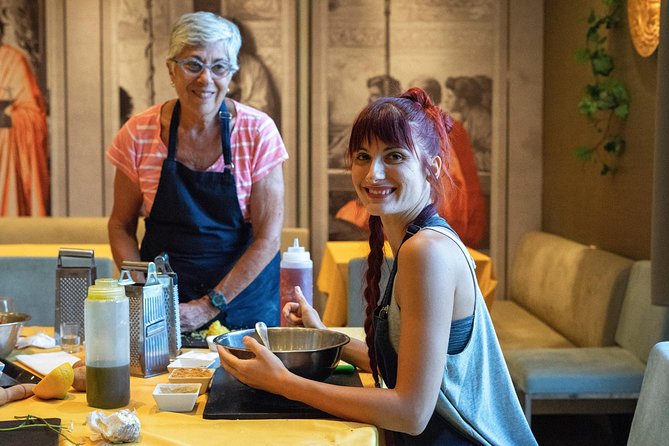
The class is in English, and you’ll receive a mobile ticket. The group size is capped at 18 travelers, which usually keeps the experience friendly instead of chaotic.
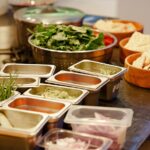
Expect a shared, coordinated workflow. You’ll be asked to help with specific parts of the dishes—think chopping, mixing, assembling, and portioning—while the instructor guides the group through what matters: texture, seasoning, timing, and the little “why” behind traditional choices.
Starters You’ll Actually Make Again at Home
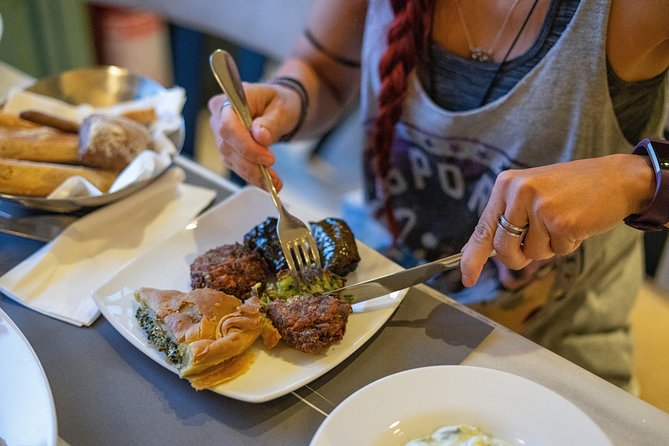
This is where the class earns its time. The menu varies seasonally based on what’s good in the market, but you can expect a mix of classic Greek components: salads, dips, pies, and vine-leaf rolls.
A sample starter line-up looks like this:
- Greek salad (Horiatiki)
- Spanakotiropita (cheese-spinach pie)
- Dolmadakia with vine leaves (vine-leaf rollups)
- Tzatziki
Horiatiki: The Salad That Teaches the Basics
Greek salad is deceptively simple. In a hands-on setting, it’s also a great way to learn how Greeks build flavor fast: good olive oil, balanced acidity, and the right cuts and sizes. You’ll feel confident reproducing it because the ingredients aren’t complicated, but the seasoning choices are.

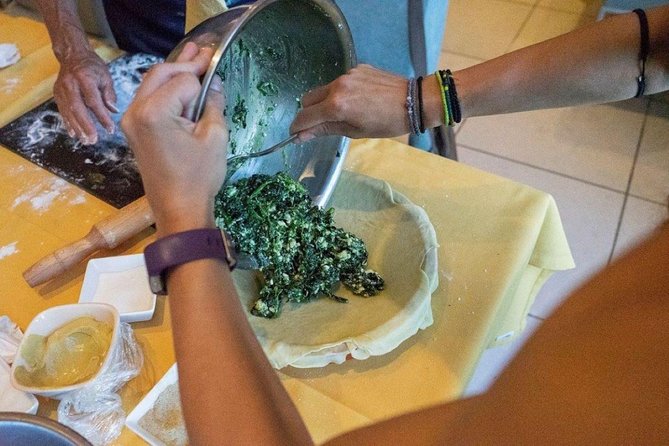
Spanakotiropita: The Pie Lesson
This is a crowd-pleaser for a reason. Spanakotiropita teaches you how to handle a savory filling and assemble it into a pie form. In a class with clear step-by-step guidance (and instructors like Stella and Lucy, who show up often in strong reviews), you’ll usually get practical technique rather than vague “just mix it” advice.
Dolmadakia: The Patience Test
Dolmadakia with vine leaves takes time and attention. Even if you’re not the fastest person in the group, the instructor can help you focus on the method: keeping rolls tight enough to hold together and not letting the filling spill out. It’s also one of those dishes that makes you feel proud because it looks impressive once done.
Tzatziki: Creamy, Tangy, and Learnable
Tzatziki is all about texture: creamy yogurt, the cool bite from garlic (not too aggressive), and moisture control so it doesn’t get watery. You’ll likely learn how to manage thickness and how to taste and adjust.
The Main Event: Roasted Lamb With Potatoes
After starters, you move into the main course. The sample main course is roasted lamb with potatoes. The lesson here isn’t just “how to cook lamb.” It’s how Greeks think about comfort-food roasting: seasoning strategy, timing, and making sure the potatoes roast rather than steam.
Roasts can be forgiving, but they’re not casual. In this kind of class, you’re learning what gives the meat flavor and how to aim for doneness without drying things out. You’ll also leave knowing how to plan sides so everything lands together for dinner.
Dessert and Dinner: Eating What You Made With Acropolis Views
Dessert rounds out a typical menu with a yogurt dessert. This is the kind of ending that feels Greek rather than bakery-style sweet—light, creamy, and not overly heavy after a full meal.
Then you sit down and eat in the taverna. Expect the dining portion to include a view toward the Acropolis. Some classes are described as being in places like an upstairs restaurant near the Parthenon area, and the dinner may be outdoors in a more open-air section (even under a tent, depending on the setup). Either way, the sightline is part of why this class feels special—cooking is one experience, but finishing with dinner and those views turns it into a memory.
The Included Drink (and the Practical Choice)
Your meal includes one glass of wine or one beer, or a soft drink. Extra drinks are available for purchase. If you’re picky about what you drink, you’ll appreciate that the included choice is clear upfront.
What You Actually Get for the Price
The price is $118.51 per person for about 4 hours, with a recipe book included. That cost can feel steep if you compare it to a casual meal. But compare it to what’s included:
- A cooking instructor and instruction for multiple dishes
- Dinner made from the starters plus main plus dessert
- One included drink
- A complimentary copy of the recipes
This is closer to paying for a structured, guided food experience than paying for food alone. You’re paying for access to technique, a cohesive menu, and the time (and shopping/product knowledge) that goes into making these dishes correctly.
Also, the class is small-group (max 18), which typically improves the learning and interaction. If you hate crowded group tours, this size helps.
Hands-On Level: Loved by Many, Not Perfect for Everyone
Most people come away thrilled—especially about how fun the class is and how fresh the food tastes. Many say they learned techniques they can reuse and that the instructors were engaging and supportive.
That said, you should know what “small-group cooking” usually means. You’re cooking together, not running a private kitchen. In some versions, you may do more chopping and assembling as the group builds dishes. If you’re the type who wants total control and constant individual cooking responsibility, you might find the shared format less satisfying.
Also, because there’s group handling of food in a family-style way, it can be a concern for some diners with germ sensitivities—especially around food that may not be cooked further (like salad components or dairy-based dishes). If that’s a big deal for you, plan on asking what will be handled and how the process works.
Dietary Needs and Vegetarian Options: Plan It Early
This experience asks you to advise any specific dietary requirements at booking. A vegetarian option is available, and you should request it ahead of time.
In practical terms, that’s what you want from a cooking class: not just “we can try,” but real planning. In past experiences with similar classes run by local teams, accommodating dietary needs often comes down to being warned in advance so the kitchen can swap ingredients and portion the menu properly.
If you have allergies (not just preference), include details clearly during booking so the instructor can guide you safely in real time.
Who Should Book This (and Who Might Skip It)
This fits best if you want:
- A hands-on Greek food lesson you can repeat at home
- A social small group (up to 18)
- A relaxed Athens afternoon that ends with dinner
- A chance to learn from instructors who often bring personal style and stories (you may meet teachers like Chef Niki, Stella, Lucy, Vicki, Eva, or Amalia)
It might be less ideal if:
- You’re expecting a private, nonstop one-on-one cooking experience
- You’re extremely sensitive about how foods are handled in a group setting
- You mainly want a professional demonstration rather than shared prep
Tips to Get More Out of Your Class
- Arrive a little early so you can settle in without rushing.
- Take notes during the lesson—the recipe copy is great, but the real learning is in the instructor’s pacing and tasting tips.
- Ask what makes the dish work (texture, seasoning, timing). The best classes go beyond ingredients.
- Go hungry. This isn’t a snack class. You’ll make multiple dishes and then eat them.
- If you have dietary needs, repeat them clearly at booking and also mention them when you arrive.
Should You Book This Athens Cooking Class?
I think this is a strong choice if you want an authentic, practical Greek meal experience in the heart of Athens. The combination of real cooking instruction, multiple iconic dishes (including spanakotiropita, tzatziki, dolmadakia, and a hearty lamb main), and that dinner-with-view atmosphere is hard to beat for the time and price.
Book it if you’re excited to cook, eat, and learn what actually makes Greek flavors work. Skip it if you need a fully private kitchen experience or you’re not comfortable with group-style prep and food handling. If that all sounds fine, this is exactly the kind of Athens afternoon that turns into a recipe you’ll still be making months later.
FAQ
What time does the Athens cooking class start?
It starts at 4:00 pm.
How long is the experience?
It lasts about 4 hours.
Where do I meet for the class?
You meet at Apostolou Pavlou 27, Athina 118 51, Greece.
How many people are in the group?
The group has a maximum of 18 travelers.
Is the tour offered in English?
Yes, it’s offered in English.
What meals are included?
You’ll prepare and then eat starters, a main course, and dessert as part of dinner.
Is there a vegetarian option?
Yes. A vegetarian option is available, and you should request it at booking.
What drink is included with dinner?
You get one glass of wine or one beer (or a soft drink). Extra drinks can be purchased from the restaurant afterward.
Is hotel pickup and drop-off included?
No. Hotel pickup and drop-off are not included, and the activity ends back at the meeting point.