REVIEW · OTSU
Private Japanese Home Cooking Class in Kyoto with Michiyo
Book on Viator →Operated by Traveling Spoon · Bookable on Viator
One car ride. One warm kitchen. One meal you helped make. If you like real food culture, this private cooking class in nearby Otsu puts you at a local table, not a tour-trap counter.
I like how Michiyo’s home turns the lesson into a conversation. The visit starts with a smooth pickup from Otsukyo Station, then you’re right into her kitchen with her husband, and you cook alongside a household that actually lives this tradition. I also like the focus on fundamentals like dashi and perfect sushi rice, not just rolling through recipes.
One thing to consider: this isn’t a walk-in Kyoto-station experience. You’ll need to get to Otsukyo Station (hotel pickup isn’t included), so plan your route first.
In This Review
- Key Things to Know Before You Cook With Michiyo
- Why Otsu’s Home Kitchen Beats a Restaurant Meal
- From Otsukyo Station to Michiyo’s Door in Minutes
- What You’ll Cook: Dashi and Chirashi Sushi Step by Step
- The Menu Changes With the Seasons (So You Eat What’s Fresh)
- Drinks Pairing: Alcohol or Non-Alcohol With Your Meal
- Lunch or Dinner: Picking the Right Time for Your Kyoto Day
- Price and Value: Is $86 a Good Deal?
- Who Should Book This (and Who Might Want Another Option)
- Should You Book With Michiyo?
- FAQ
- Where does the class start?
- Is hotel pickup and drop-off included?
- How long is the cooking class experience?
- What dishes will I make?
- Can I choose lunch or dinner?
- Are drinks included?
- What about dietary requirements?
Key Things to Know Before You Cook With Michiyo
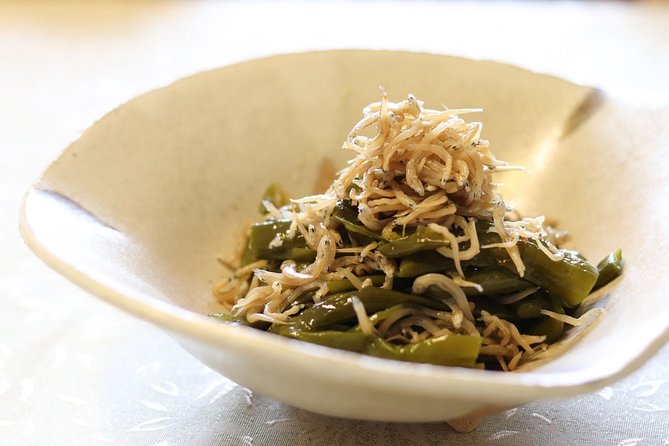
- Station pickup from Otsukyo Station: avoids the hassle of finding a home address on your own.
- Dashi + chirashi sushi focus: you learn the core building blocks of classic Japanese flavor.
- Seasonal ingredients: the exact menu can shift depending on what’s fresh when you go.
- Paired drinks included: 1–2 glasses of local alcohol or non-alcoholic drinks with your meal.
- A truly private group setup: only your group participates, so you can ask questions freely.
Why Otsu’s Home Kitchen Beats a Restaurant Meal
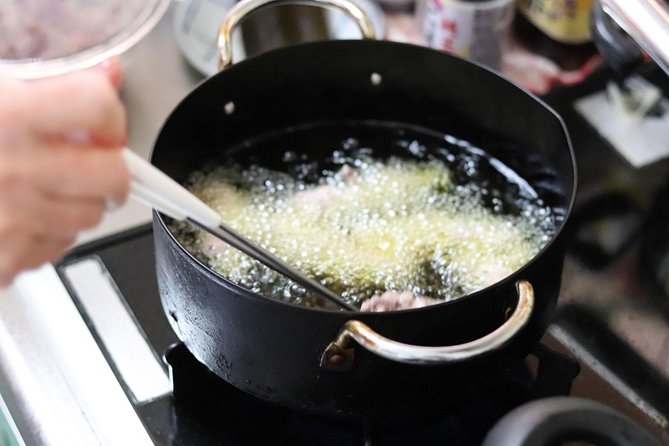
Kyoto gets all the headlines, but Otsu has a calmer feel, and this experience uses that advantage. Instead of eating what someone plated for you, you learn what goes into it and why. That matters because Japanese home cooking is about balance—seasonality, restraint, and getting the basics right.
What I find especially valuable is that the class centers on foods you can actually reproduce later. You’re not just watching. You’re making dashi stock and preparing sushi rice for chirashi sushi. Those two pieces are the backbone of many Japanese meals, and once you understand the technique, you’re not locked out of the culture.
Also, the setting changes the mood. A restaurant meal is timed. A home meal is lived-in. Expect a slower, more personal rhythm: instructions, cooking hands-on, then you sit down and eat what you made.
From Otsukyo Station to Michiyo’s Door in Minutes
The experience begins at Otsukyo Station on the JR Kosei line. You meet your host, then Michiyo picks you up in her car for a short ride—about three minutes—to her home.
This small detail is a big deal. Home-based food classes can be awkward when you’re trying to find a place by map pin while you’re hungry. Here, the pickup does the heavy lifting, so you can arrive relaxed and ready to cook.
Michiyo and her husband welcome you into their space, and that’s where the tone clicks. In one of the best parts of the reviews, people praised how well her husband speaks English, which makes it easier to ask questions without guessing. Even if your Japanese is rusty, you’ll be able to follow along with confidence.
One more real-life touch: they share their home with their dachshund named El. It’s not a gimmick. It’s just everyday life in a Japanese household, and it makes the visit feel less like a staged class.
What You’ll Cook: Dashi and Chirashi Sushi Step by Step
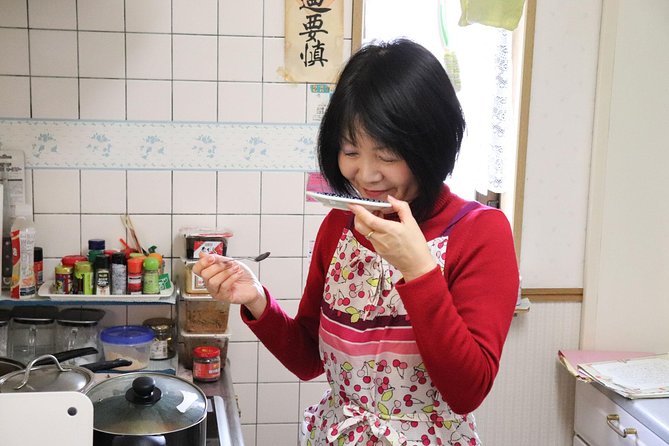
After a quick introduction to the menu of the day, Michiyo leads you through the hands-on portion in her kitchen. The cooking time is about 1.5 hours, which is a good length. Long enough to learn. Short enough that you’re not stuck standing for the whole evening.
Here’s what you can expect to make:
Dashi stock (fish broth)
Dashi is the flavor base for a lot of Japanese cooking. The class is built around learning how to make it properly, so you get the idea that great Japanese food starts with a careful foundation, not a pile of sauces.
Sushi rice for chirashi sushi
You’ll learn how to prepare the rice in the right style for chirashi sushi. This is the part many people fear at home because rice can be forgiving or frustrating depending on technique. In this class, you’re guided so you leave understanding what to watch for.
Chirashi sushi assembly
You’ll garnish your chirashi sushi in a traditional wooden bowl. That detail might sound small, but it reinforces that you’re not just cooking—you’re doing it in a way that fits the meal. The act of building the bowl helps you see how ingredients work together in Japanese cuisine.
A useful way to think about this: the class doesn’t try to teach everything Japanese cooking. It teaches you the key skills you can carry forward—foundation broth + correct sushi rice + thoughtful assembly.
The Menu Changes With the Seasons (So You Eat What’s Fresh)
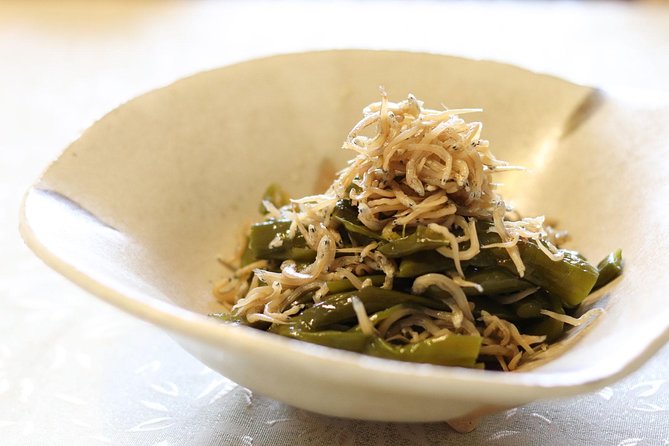
The exact dishes can vary depending on the season. That’s not a vague marketing line—it’s a real cooking principle. Michiyo emphasizes seasonal vegetables sourced locally, and that shows in how the meal tastes. Seasonal ingredients are often simpler, but they’re fresher and more flavorful, which means the cooking doesn’t have to hide behind heavy seasoning.
What you should do as a traveler: accept that your class won’t be identical to someone else’s class video you might see online. That’s the point. You’re getting food that makes sense for the time of year, not a fixed menu designed for mass repetition.
If you have dietary needs, you should flag them during booking in the special requirements box. The guidance says to advise specific dietary requirements at the time of booking, and since menus can shift, giving your needs early helps the host plan.
Drinks Pairing: Alcohol or Non-Alcohol With Your Meal
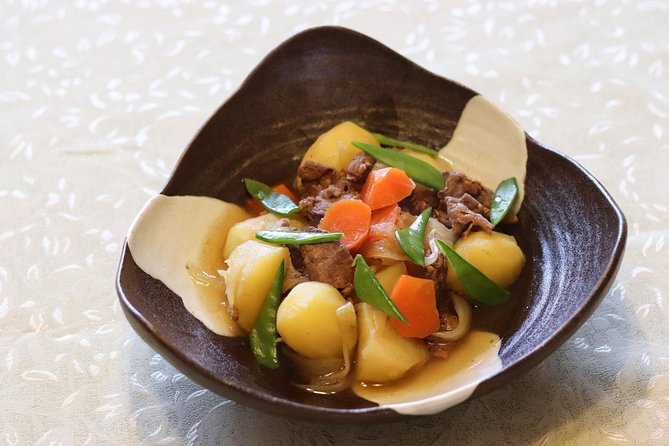
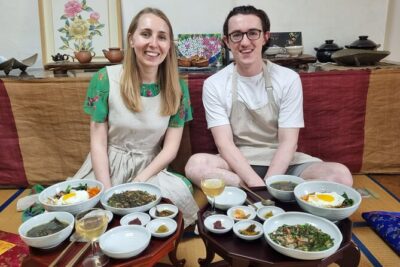
When the cooking ends, you don’t eat a snack and rush out. You sit down together for an authentic meal you helped prepare, and the experience includes drinks paired with your food.
You can choose alcoholic or non-alcoholic options, and the included portion is local alcohol (1–2 glasses) depending on what you select. This is a smart inclusion because Japanese meals often depend on small complements—so the drink isn’t random. It’s part of how the meal is meant to land.
Practical tip: if you prefer non-alcoholic, choose that clearly. The overview indicates you can go either way, so you shouldn’t feel stuck. Also, 1–2 glasses is enough to enjoy the pairing without turning the evening into a fog machine.
Lunch or Dinner: Picking the Right Time for Your Kyoto Day
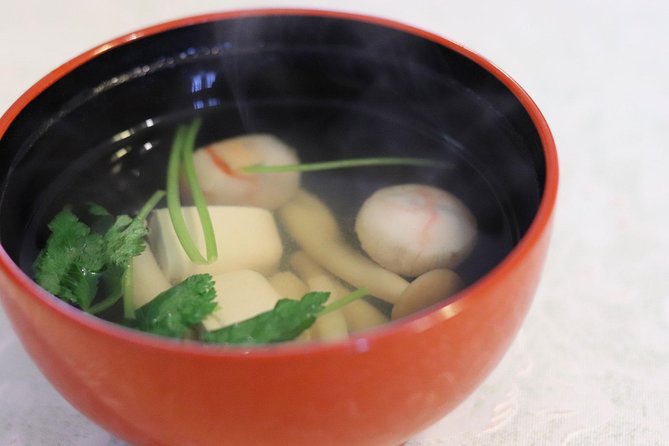
This experience offers a choice of lunch or dinner, which helps you fit it into your itinerary. That matters in Kyoto-area planning because your days can get eaten by temple lines, trains, and time spent just getting from one neighborhood to another.
If you’re doing temples in the morning, dinner can feel like a reward: you come back hungry, cook with help, then eat immediately. If your day is more relaxed, lunch may work better and keeps your night open.
One note: the overall duration is about 3 hours. That includes pickup and the full class-and-meal flow, so you’ll want to schedule it with a cushion before or after. You don’t want to book something that assumes you’ll be done early.
Price and Value: Is $86 a Good Deal?
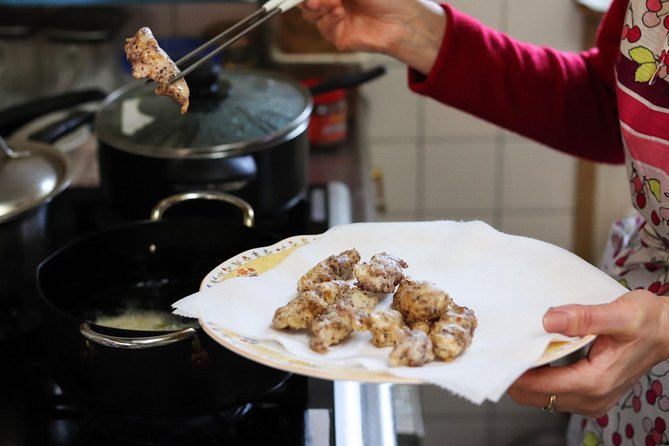
At $86 per person, this is not the cheapest thing you can do in the area—but it also isn’t overpriced for what’s included.
What’s included:
- private cooking class and meal with your host Michiyo
- local alcohol (1–2 glasses) or non-alcoholic paired drinks
- pickup from Otsukyo Station on the JR Kosei line
What’s not included:
- hotel pickup and drop-off
Now, here’s the value math. Many cooking classes charge similarly and still leave you with something like a shared group session and a lighter meal. This one gives you a full home meal tied directly to what you cooked, plus station pickup that saves time and stress. And because it’s private, you can ask questions without competing for attention.
If you’re traveling as a couple or small group, check whether group discounts are available through your booking. Even a modest discount can make the value feel a lot better.
Also, cancellation is offered with a free cancellation window up to 24 hours in advance for a full refund. That’s a helpful safety net when your Kyoto plans might shift due to weather or train timing.
Who Should Book This (and Who Might Want Another Option)
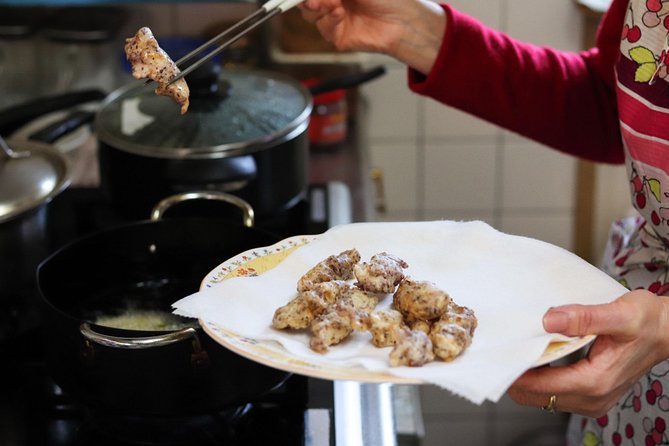
This is a great fit if you want:
- hands-on cooking, not a demo
- a meal you can replicate later at home
- a conversation with an English-capable host when needed
- something more local than a standard tour dinner
You’ll also appreciate it if you like the idea of learning Japanese food through its building blocks. Dashi and sushi rice are worth learning because they show up again and again.
Who might hesitate:
- If you strongly prefer city-center Kyoto only, this is in Otsu and starts at Otsukyo Station, so you’ll plan your transport.
- If you want a strict, universal menu every time, remember the menu may vary by season.
But if your goal is an evening that feels like you got invited into a real kitchen, this fits.
Should You Book With Michiyo?
Yes—if you’re the type of traveler who cares about learning a technique, not just collecting photos. The best part isn’t only the food. It’s how the night flows: pickup, home welcome, focused cooking instruction for core Japanese staples, then the meal right away at the table.
Book it especially if you:
- want a private class with time to ask questions
- want to cook dashi and make chirashi sushi with guidance
- value seasonal ingredients and a local household experience
I’d skip it only if you can’t get to Otsukyo Station on your own and you don’t want to arrange that short transfer. Otherwise, this is one of those Kyoto-area experiences that gives you something tangible: real recipes, real skills, and a warm memory that goes beyond a single restaurant night.
FAQ
Where does the class start?
The experience starts at Otsukyo Station (JR Kosei line). Pickup from this station is included.
Is hotel pickup and drop-off included?
No. Hotel pickup and drop-off are not included. Pickup is provided from Otsukyo Station.
How long is the cooking class experience?
It lasts about 3 hours. The cooking portion takes around 1.5 hours.
What dishes will I make?
You’ll learn to make dashi stock and prepare sushi rice for chirashi sushi, which you’ll garnish in a traditional wooden bowl. The menu may vary by season.
Can I choose lunch or dinner?
Yes. You can choose from lunch or dinner options.
Are drinks included?
Yes. Your meal includes paired drinks, with the option of alcoholic drinks or non-alcoholic drinks, including local alcohol of 1–2 glasses.
What about dietary requirements?
You should advise any specific dietary requirements at the time of booking in the Special Requirements box, since the menu can vary depending on the season.