REVIEW · TANGIER
Tangier Private Cooking Class With a Local Family
Book on Viator →Operated by NORTH TOURS TANGIER · Bookable on Viator
Cooking at a family table beats restaurants. In Tangier old city, you get Moroccan cooking lessons that start with the medina market and end in a private family dinner setting with your hosts. It feels less like a performance and more like you’re stepping into the rhythm of a real weeknight meal.
I really like the way the class centers on family kitchens. Reviews point to guides like Anwar and the steady hands of a mother in the home, so you’re not just collecting tips from a stranger—you’re learning how this food is actually made at home.
I also love the food variety and the small, warm extras. You’ll likely taste and help with dishes such as tagines, kebabs, and sweets, and mint tea often shows up with the meal. The main drawback to consider: the hands-on level can vary—some people come away wanting more cooking and less observing.
In This Review
- Key Highlights You’ll Feel Fast
- A Tangier Cooking Class That Actually Feels Like Dinner
- From Pickup to the Old City: Making It Easy to Start
- The Medina Market Stop: Where Moroccan Flavor Starts
- In the Family Kitchen: How the Cooking Usually Works
- The Menu and the Meal: Mint Tea, Sweets, and the Big Sit-Down
- Price and Timing: Does It Add Up at $76.77?
- Who This Tangier Class Is Best For
- The One Thing to Watch: How Hands-On It Really Is
- Should You Book This Tangier Private Cooking Class With a Local Family?
- FAQ
- How long is the Tangier private cooking class?
- What does it cost?
- Is pickup offered?
- Do you visit the medina market during the experience?
- What will we cook and eat?
- Is this tour private or shared?
- Are service animals allowed, and is it near public transportation?
- What is the cancellation policy?
Key Highlights You’ll Feel Fast
- Market shopping in the medina with your chef, focusing on spices and key ingredients
- Family-led instruction where a mother, father, or home cook may do much of the work
- A private setup where only your group participates
- Classic Moroccan dishes in the workflow (tagines, kebabs, pastilla-style plates, plus sweets and mint tea)
- A home dinner vibe with hosts who aim to treat you like a neighbor, not a show audience
A Tangier Cooking Class That Actually Feels Like Dinner
Tangier is a city of mix-and-match cultures, and this experience fits that mood: you don’t just learn recipes, you join a family meal. The setup is built around a local kitchen in the old city, guided by a chef who walks you through the plan while your hosts run the household side of things. The result is that comfortable, lived-in tone that many cooking classes miss.
The best part is how the focus stays on food work—how ingredients are chosen, how flavors are built, and how dishes come together in a real home setting. Reviews repeatedly describe hosts who do not act like characters. Instead, they’re welcoming and practical, the way people are when you’re invited for tea and dinner.
If you’re the type who likes to eat slowly and ask questions, you’ll probably enjoy the pacing. And if you want a quick photo-and-leave activity, this one may feel too human and too specific to one kitchen and one family.
You can also read our reviews of more tours and experiences in Tangier.

From Pickup to the Old City: Making It Easy to Start
This class runs about 4 hours, and it includes pickup. That matters in Tangier, where getting around the medina area can be its own mini-adventure. Having someone meet you removes the stress of navigation and helps you show up ready to cook instead of figuring out where to park, where to walk, and which turn looks right.
It’s also a private tour/activity, so it’s only your group. That tends to improve the quality of the questions you can ask and the way the chef can adjust the pace for you. Cooking is not one-size-fits-all—some people want to chop more, others want to learn spice logic, and a private format gives your guide room to tailor the flow.
The experience includes a mobile ticket, and you’ll receive confirmation at booking. That helps if you like having your plans squared away ahead of time.
The Medina Market Stop: Where Moroccan Flavor Starts
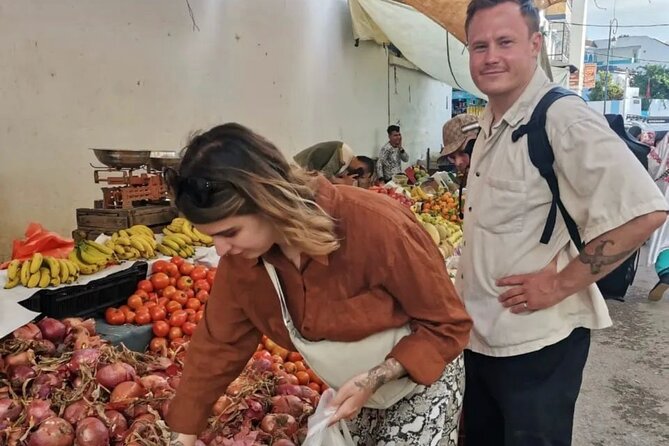
One of the most valuable pieces here is the market visit in the medina, guided by your chef. This is not just a walk to look at stalls. You’ll handpick fresh, aromatic ingredients, and the chef explains why certain spices and products matter for the final flavor.
This market stop is the part that turns recipes into context. When you see how people choose herbs, spices, and produce for daily cooking, you stop thinking of Moroccan food as a list of dishes and start understanding the system: balance, timing, and how fragrance builds as food heats up.
Practical tip: go in with a slightly open mind about what you’ll recognize. Some ingredient names may be new, and that’s okay. Focus on smell and texture. If the chef points out a spice mix or a specific ingredient used in tagines and pastries, that’s your clue to track what it tastes like when it ends up in the pot.
If you’re hoping to buy and physically carry ingredients home, the data here doesn’t promise that as part of your experience. But you will choose ingredients for what you cook, and the chef will guide you through the logic of selection.
In the Family Kitchen: How the Cooking Usually Works
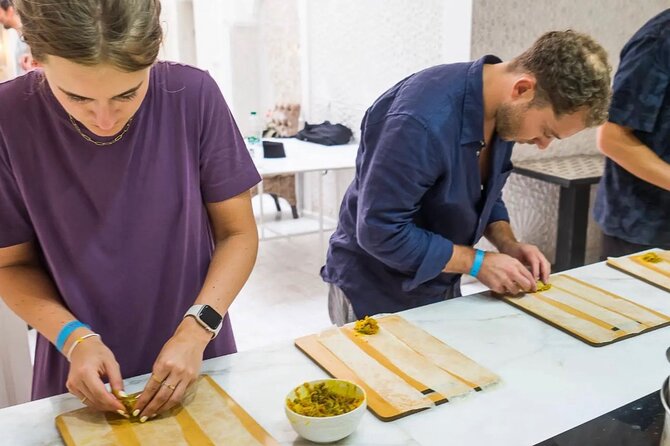
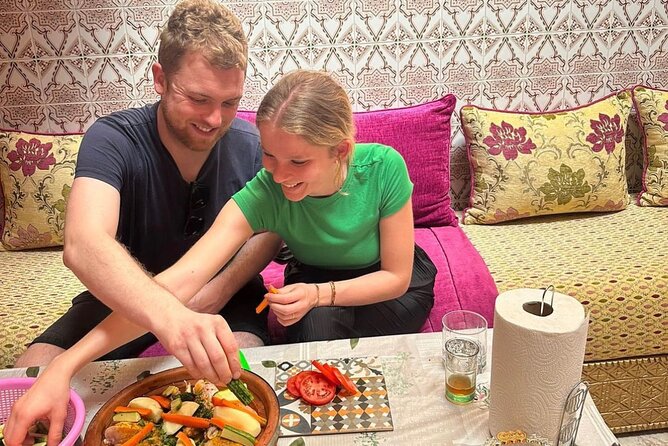
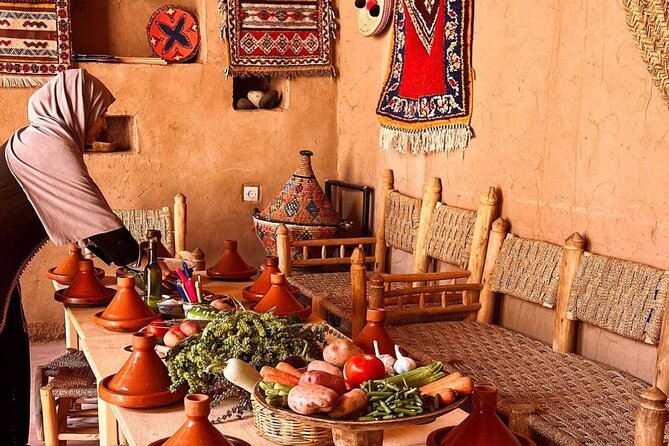
The core idea is that you cook in or closely alongside a local family’s home kitchen. The most praised sessions are the ones where the home cooks run the show—often the mother, sometimes additional family members—while the guide translates technique into plain steps.
In several standout accounts, the guide’s mother did the cooking in the home where the class takes place. That sounds simple, but it changes how you learn. You’re not being asked to improvise as an amateur in a classroom. Instead, you’re watching a cook at work, then joining in the steps you can handle—like cutting vegetables, mixing components, or assisting with building the dish.
From the dishes described across experiences, you can expect a menu built around familiar Moroccan staples, such as:
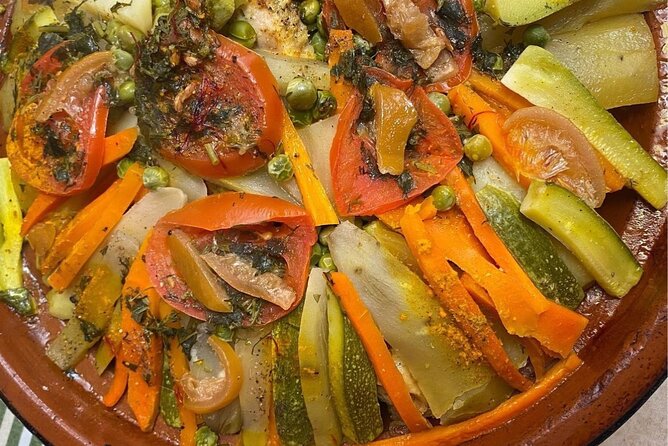
- Tagines (for example chicken and olive tagine, or other tajine variations)
- Kebabs
- Dishes with pastilla-style vibes (pastila is mentioned)
- A Moroccan salad and soup in some sessions
- Sweets and breakfast foods alongside mint tea
A quick note on hands-on level: one lower-rated experience felt less like a true cookery course. That suggests you may sometimes do more watching and tasting than fully cooking every step. If you want heavy hands-on instruction, ask the operator beforehand what portion of prep you’ll do versus what the family cooks directly.
The upside is that family-style cooking is often more efficient and more forgiving. You get a real sense of timing—when to let spices bloom, when to simmer, and how the home cook adjusts salt or texture based on what the dish needs.
The Menu and the Meal: Mint Tea, Sweets, and the Big Sit-Down
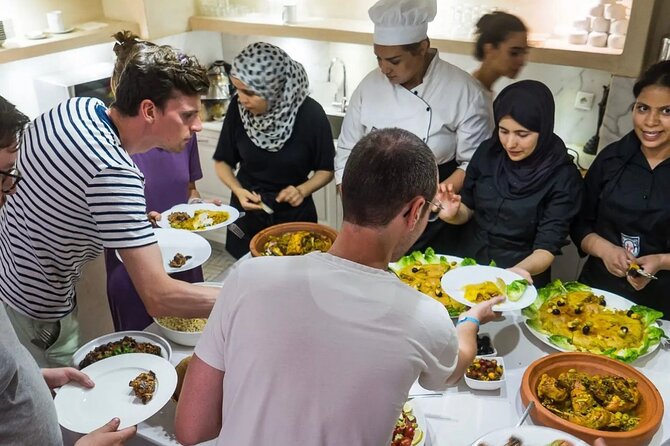
The experience doesn’t end when the last dish hits the table. This is about sharing the meal, not grabbing a bite and rushing out.
One thing I’d expect you to look forward to is mint tea, often served with breakfast foods and sweets during the cooking downtime. Reviews describe sweets as a tasty treat while food finishes cooking. Even if the menu shifts a bit from session to session, the pattern holds: you’ll eat what you helped create, and the family hospitality is part of the package.
From a value standpoint, this is important. A cooking class that only teaches and then sends you away can feel thin. Here, the meal and the tea turn it into an event—so the money you spend buys both instruction and dinner you actually remember.
And since the hosts aim to treat you like a neighbor, the vibe tends to be relaxed rather than formal. That can make it easier to ask questions about ingredients, cooking order, and what tastes best in Moroccan home meals.
Price and Timing: Does It Add Up at $76.77?
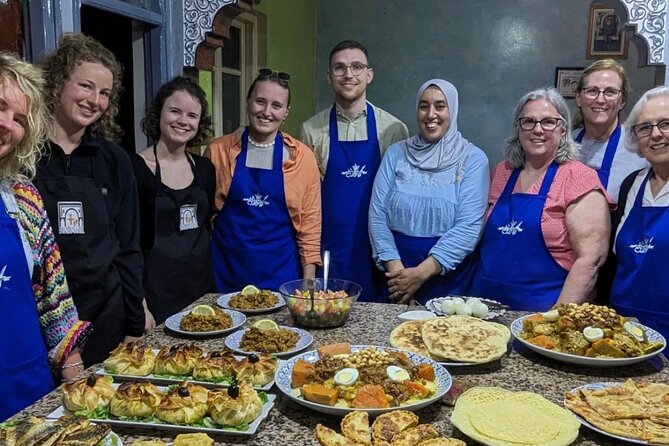
At $76.77 per person for roughly four hours, you should think of this as buying two things: (1) guided ingredient shopping in the medina and (2) a private-family dinner experience that includes cooking instruction and a shared meal.
You’re also paying for something you can’t easily replicate on your own: the confidence boost of a chef translating what matters, plus access to a home kitchen. If you’ve ever tried to learn Moroccan cooking from videos without the spice and ingredient context, you’ll recognize why the market part matters so much.
Another value point: it’s typically booked about 20 days in advance, so it’s not usually an impulse pick. That can be a plus if you like planning. It also suggests operators take demand seriously, which is often a good sign for consistency.
Who This Tangier Class Is Best For
This class is a strong match if you:
- Want a private experience instead of a group demo
- Like learning through real food work, especially tagine-style Moroccan cooking
- Enjoy meeting locals through a home setting rather than a staged restaurant experience
- Prefer a smaller, friendlier interaction where questions feel welcome
It’s also a good option for couples or parent-and-child travel. One review noted a daughter-and-mother experience that felt authentic and neighborly rather than performative.
If you’re a hardcore food instructor type who expects a strict recipe workbook, you might find the variability in hands-on involvement frustrating. But if you’re there for flavor, context, and a home dinner experience, it’s likely to hit the right notes.
The One Thing to Watch: How Hands-On It Really Is
The most important caution is the mismatch between expectations and the actual cooking role you play.
Some reviews describe full involvement: making Moroccan salad, chicken and olive tagine, kebabs, and learning alongside the family. Others felt the cooking lesson component was lighter—more tasting or watching, less full prep work.
So here’s my practical advice: decide what you want most.
- If your top goal is learning every step of a recipe, you should confirm in advance how much chopping and mixing you will do.
- If your top goal is eating a genuine family meal while learning why ingredients matter, you should be happy.
Also, one low-rated comment mentioned the activity description not matching what happened, and that there was no market shopping or ingredient buying with the mother in that specific experience. That’s rare in a high-rated product, but it’s a reminder to treat the confirmation details carefully and consider asking a question before you go.
Should You Book This Tangier Private Cooking Class With a Local Family?
I think you should book it if you want a home-style Moroccan meal tied to a real ingredient hunt in the medina. The biggest strengths are the family atmosphere, the strong food focus, and the fact that you’re not just watching a chef cook in a commercial setting.
Skip it (or ask tougher questions) if you need a very structured, hands-on “cook every component yourself” class. Also, if you strongly dislike unpredictability in exact menu flow, keep in mind that family kitchens vary by day and by household.
If you want a memorable Tangier experience that feels personal and flavorful, this is the kind of tour that can do that—especially when you’re open to learning in the way Moroccan home cooks actually teach: step by step, through the food.
FAQ
How long is the Tangier private cooking class?
It runs about 4 hours.
What does it cost?
The price is listed at $76.77 per person.
Is pickup offered?
Yes, pickup is offered.
Do you visit the medina market during the experience?
Yes. You’ll go to a local market in the medina with your chef to pick fresh ingredients.
What will we cook and eat?
The experience centers on Moroccan dishes such as tagines and other traditional items, and you’ll also have sweets and mint tea as part of the meal.
Is this tour private or shared?
It’s private. Only your group participates.
Are service animals allowed, and is it near public transportation?
Service animals are allowed, and the experience is near public transportation.
What is the cancellation policy?
You can cancel for free up to 24 hours in advance for a full refund. If you cancel less than 24 hours before the start time, you won’t get a refund.