REVIEW · NEW YORK CITY
Private NYC Cooking Class: Learn to Cook Indian and Soul Food in East Harlem
Book on Viator →Operated by Traveling Spoon · Bookable on Viator
A small kitchen in East Harlem tells big stories. This 100% private class with host Kylie is a 3-hour, hands-on way to learn real techniques for soul, Tamil, and Caribbean food, then eat together right after. I especially like that you cook three dishes from scratch and get recipes to take home. One thing to consider: it’s in a home apartment, so the kitchen space is cozy and you’ll want to arrive on time without expecting hotel-style comforts.
If you care about food that has lived in families for generations, this is a great fit. You start with conversation and a fresh homemade juice (think passion fruit or starfruit), then you learn how the flavors work before you sit down for the meal you helped make. Vegetarian and gluten-free options are available if you request them ahead of time.
The vibe is warm, direct, and practical. Kylie’s organized with the class flow, and on some nights her husband Madhav may join you at the table. Just plan for a neighborhood-meeting point in East Harlem and bring comfortable shoes for a quick commute.
In This Review
- Key Things I’d Bookmark Before You Go
- East Harlem Apartment Time With Host Kylie
- Before the Cooking: Juice, Chai, and the Menu Plan
- Hands-On or Demo: How the Cooking Lesson Works
- The Meal You Build: From Vadai to Prawn Curry and Dosai
- Vadai (fried dumplings)
- Prawn curry (with rice and peas, and sides depending on the day)
- Dosai (roasted savory rice crepes)
- Cornbread and the comfort side
- Appetizers, Chutneys, and That Family-Table Rhythm
- Dessert, Drinks, and the Dinner-Conversation Part
- Price and Value: Is $116 Worth It?
- Who This East Harlem Cooking Class Suits Best
- Quick Practical Notes That Matter
- Should You Book This Private Cooking Class?
Key Things I’d Bookmark Before You Go

- Private with Kylie: It’s just your group, not a mixed crowd.
- You learn the technique, not just the recipe: Soul, Tamil, and Caribbean methods all connect.
- Homemade juice to start: You’ll taste the flavors before you cook.
- A full meal you made together: Appetizer, mains, and dessert are part of the experience.
- Recipes come with you: You can recreate the dishes later, not just remember them.
- Alcohol included: Wine or beer is part of the shared table time.
East Harlem Apartment Time With Host Kylie
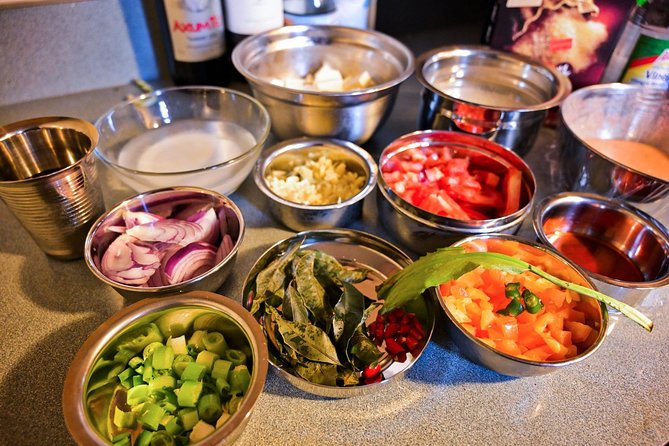
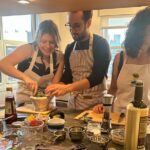
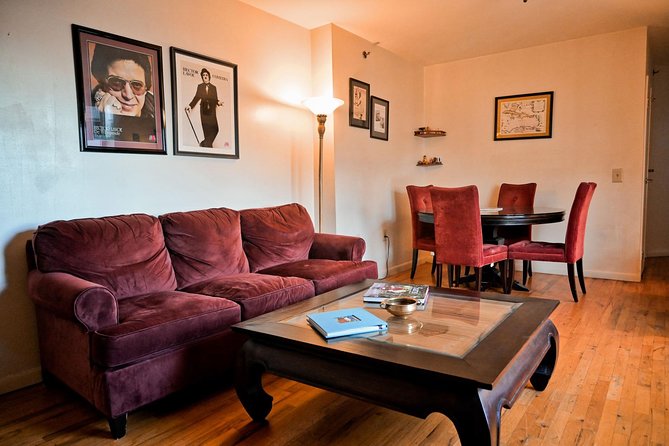
This is the kind of cooking class that doesn’t feel like a classroom. You meet Kylie in East Harlem at her small, cozy apartment, and from the start it feels like you’re being invited into a real home routine. You’re not hovering over a demo station while everyone else watches; you’re there with a host who wants you to understand how the food gets made.
Kylie’s approach is organized, but relaxed. You’ll talk about life in New York, hear stories connected to the food, and get an outline of what you’ll be cooking that day. That matters because when you know what’s coming, you can focus on the why: spice timing, texture, and how different cuisines share techniques even when the flavors feel different.
On nights when Madhav is available, he joins the meal at the table. That turns dinner into more than food service—it becomes a family-style moment, with conversation that fits the dishes you just cooked.
You can also read our reviews of more tours and experiences in New York City.
Before the Cooking: Juice, Chai, and the Menu Plan
The experience begins with something simple and very New York: a fresh homemade juice. Depending on the day, it could be passion fruit or starfruit. It’s a great warm-up because it gets you thinking about fruit brightness and how sweetness balances heat and salt later.
Next comes the menu plan. You’ll learn what dishes you’ll make and what techniques you’ll practice. This isn’t vague. The class is designed around learning 3 dishes from scratch, plus the shared meal afterward. You’ll get the sense that each dish has a job on the plate—crunch, sauce, comfort starch, and something sweet at the end.
One of my favorite touches from people who’ve done this is the chai. You may taste chai during the evening, and it’s often described as a standout. If you’re the type who usually rushes dinner and forgets to slow down, you’ll probably linger here—chai is the kind of pause that makes the whole night feel different.
Hands-On or Demo: How the Cooking Lesson Works
Kylie can run the class as either a hands-on cooking experience or a demo-style lesson, depending on your group preferences. The cooking portion lasts about 2 hours, and the goal is the same either way: you’ll learn cooking techniques and you’ll take part in making the dishes you’ll eat.
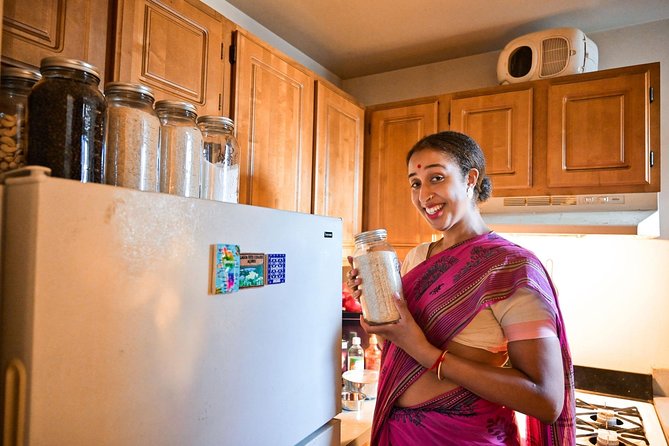
You should expect close guidance in the kitchen. Small apartment kitchens can be tight, but that closeness is exactly what makes the class feel personal. You get real feedback while you work—how something should look before it’s flipped, when a spice smells “right,” and how to keep textures from turning soggy.
You’ll focus on the connections between:
- Soul food flavors and technique
- South Indian staples and cooking rhythms
- Caribbean cooking habits that show up in sides, sauces, and snacks
That mix is part of the point. These cuisines overlap in surprising ways, like how frying times affect crunch, or how chutneys and sauces bring everything together.
The Meal You Build: From Vadai to Prawn Curry and Dosai
The dinner is the payoff. You’re not just watching food go by—you’re making dishes you can recognize when they hit the table.
Vadai (fried dumplings)
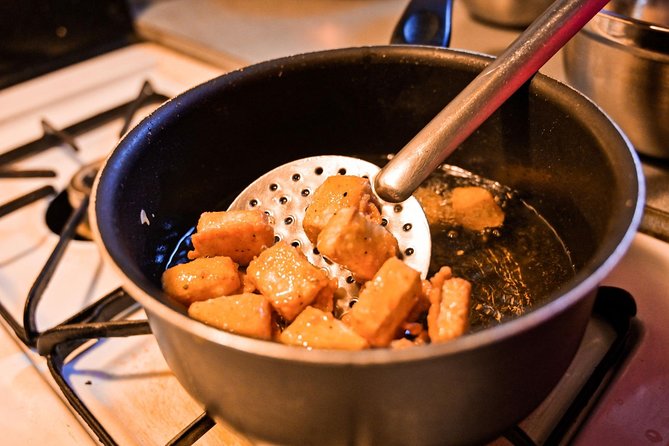
Vadai is a strong start because frying teaches you a lot fast: heat control, dough consistency, and how the outside turns crisp while the inside cooks through. It’s also one of those dishes where spices and aromatics matter more than people expect. When you taste what you made, the “technique” part clicks.
Prawn curry (with rice and peas, and sides depending on the day)
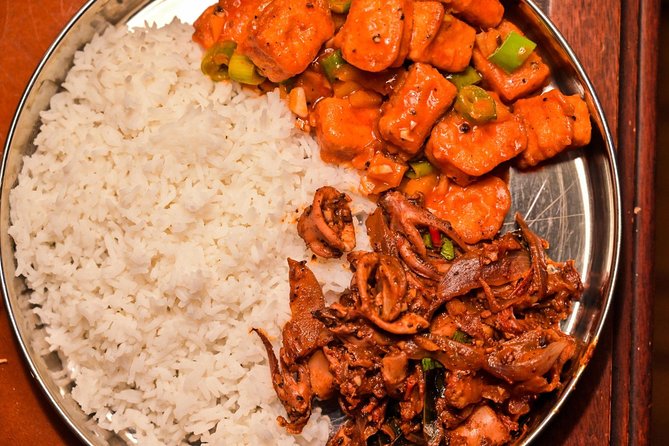
The main that often anchors the night is prawn curry, served with accompaniments like rice and peas, plus sides such as avocado (and possibly other elements depending on the menu day). Curry can look simple at home, but the real skill is building flavor in steps—getting aromatics to develop, then letting the sauce reduce without losing balance.
If you don’t eat shellfish, say something. The class can accommodate vegetarian and gluten-free requests if you arrange it ahead of time. Still, the standard menu may include shrimp or prawns, so it’s worth communicating clearly.
Dosai (roasted savory rice crepes)
Dosai brings the counterpoint. The texture and structure matter, so you’ll learn why crepes are treated differently from other batter-based foods. It’s a hands-on moment if you’re involved in the process, and even in a demo it helps you understand how South Indian staples are built for dipping, scooping, and sauce balance.
Cornbread and the comfort side
You might also see cornbread as part of the meal set. That detail signals the fusion theme: comfort foods aren’t treated like side thoughts. They’re part of the story of how cuisines travel, share, and adapt.
Appetizers, Chutneys, and That Family-Table Rhythm
Depending on the day, the menu may include an appetizer such as tostones or fried plantains, or fried rice flour dumplings with fresh chutney. These are not just filler. They’re how you learn that crunchy, starchy bites often set up the rest of the meal—so the next dish tastes even better.
Chutney is especially important because it teaches contrast. It’s the kind of component that makes the whole plate more “alive,” balancing salty, fried, and saucy elements. When you’re learning fusion, chutney helps you see how flavors translate between cuisines.
After cooking, you sit down and share the meal with Kylie. This is the part where the night becomes more than a class. You get to talk through what you learned while you’re still smelling the food on the table—so it sticks.
Dessert, Drinks, and the Dinner-Conversation Part
Dessert may include payasam. It’s the kind of sweet that makes sense after savory frying and curry—comfort without being heavy in the same way as some Western desserts can be. If you’ve never had it, expect a pudding-like finish that’s meant to feel like a closing chapter.
You’ll also have wine or beer included with the experience. For me, that’s a practical perk because it encourages you to slow down during the table time. If you prefer non-alcoholic options, the info provided doesn’t specify those details, so plan around wine/beer being the stated included choice.
Also, remember the tasting order matters. You’ll likely eat what you helped prepare in the flow of the meal, which is a smart way to understand how one dish leads to the next. By the time dessert shows up, you’ll have a full sensory map of the menu.
Price and Value: Is $116 Worth It?
At $116 per person for about 3 hours, this class is priced like a true local experience rather than a generic group cooking workshop. The value is strongest in four places:
First, it’s private. You’re not sharing attention with strangers, and Kylie can tailor what’s happening in the kitchen to your group.
Second, you’re learning techniques tied to the dishes you’ll eat—three dishes from scratch. That’s not just “try a recipe,” it’s the skill behind it.
Third, you get alcohol included (wine or beer) and you also share the meal together. That turns the night into a full evening, not a short snack session.
Finally, you get recipes to cook at home. People mention this specifically, and it’s one of the best “long tail” benefits. You’re leaving with a way to reproduce the food, which is what makes cooking classes more than a one-time memory.
The only downside in the value equation is logistics: there’s no hotel pickup and drop-off. You’ll need to handle your own ride, and you’ll want to plan for arriving on time at the East Harlem meeting point.
Who This East Harlem Cooking Class Suits Best
This is ideal if you:
- Want a private foodie experience in a real home setting
- Like hands-on cooking with clear guidance
- Are curious about the links between soul, Tamil, and Caribbean food
- Want recipes you can use again at home
- Prefer a meal that includes both savory and a sweet finish like payasam
It’s also a good pick for couples or friends who want something different from standard NYC sightseeing. Instead of a crowded restaurant, you get a shared kitchen story plus dinner.
If you’re very sensitive to shellfish flavors or specific ingredients, request the vegetarian option up front. The class can offer vegetarian and gluten-free options, but you still need to communicate your needs clearly.
Quick Practical Notes That Matter
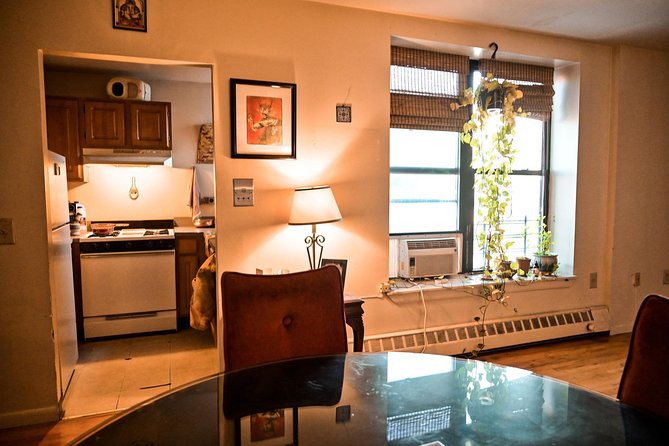
- The kitchen is in an apartment, so expect a cozy setup rather than a large studio.
- The cooking portion is about 2 hours, followed by eating together.
- On some nights, Madhav may join you at the table.
- Vegetarian and gluten-free options are available upon request.
- There’s no hotel pickup, so plan your transit.
If you hate surprises, message with dietary needs early so the menu aligns with what you can actually eat comfortably.
Should You Book This Private Cooking Class?
If you want a real taste of East Harlem through a family-style cooking night, I’d book this. The strongest reason is simple: you learn, cook, and eat together, with Kylie running the show in a private setting. The recipes you receive add real staying power, and the fusion approach makes the menu feel thoughtful rather than random.
I’d skip it only if you need a big commercial kitchen, hotel logistics, or a very rigid, menu-fixed experience with zero ingredient changes. Since the dishes can include items like shrimp or prawns, check dietary fit ahead of time.
If you’re booking for a special meal night in NYC that actually teaches you something, this is a smart move.